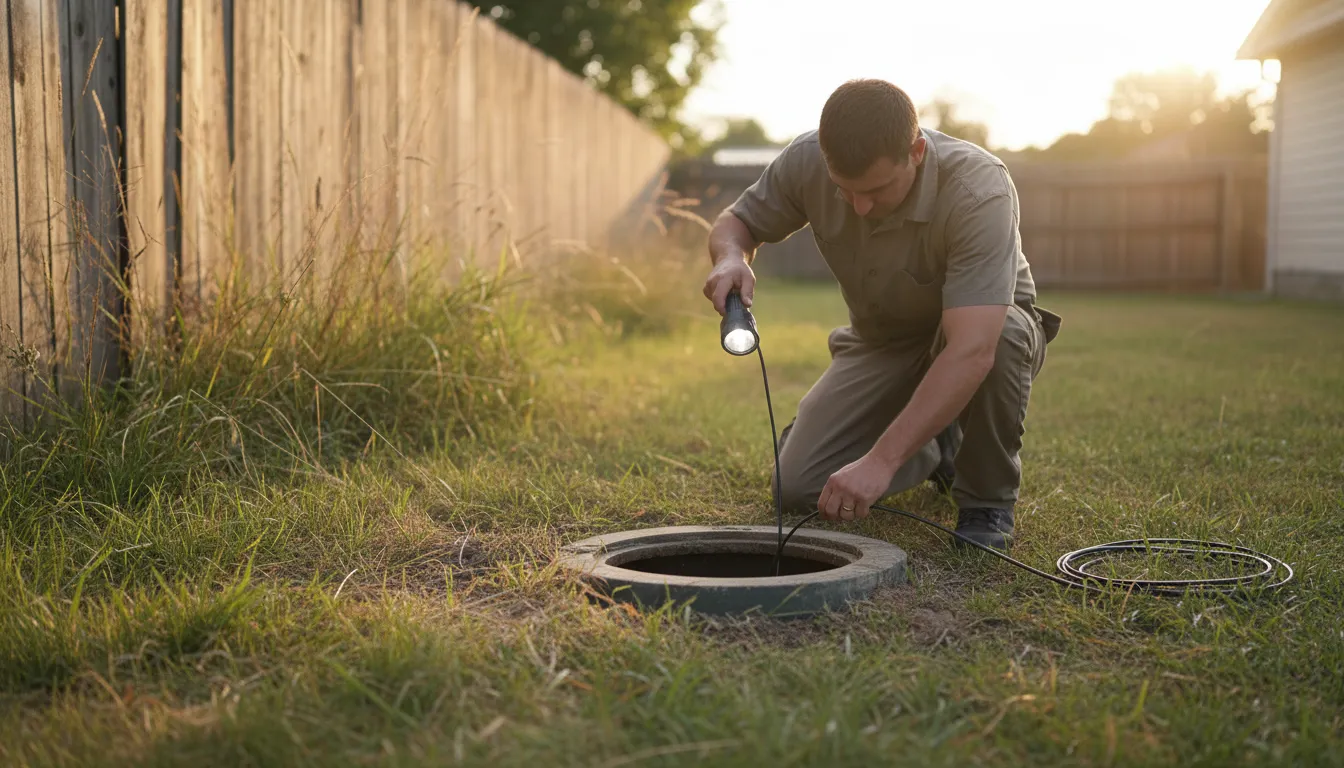
Find the Best Septic Tank Inspection Companies for Your Business
No obligation • Fast responses • Nationwide coverage

Why you can trust Septic Spot
Septic Spot is a leading United States resource for understanding and comparing septic services. Our editors review providers using consistent criteria and verify key business details. Listings and scores are independent, and companies cannot pay to influence our content.
Search providers near you
Top Septic Tank Inspection Companies in Reno, Nevada Ranked
A septic tank inspection is a critical evaluation of your home's on-site wastewater system to ensure it is functioning safely and efficiently. In Reno, where many properties rely on individual sewage disposal systems (ISDS), these assessments are vital for protecting your investment, your family's health, and the local environment. This guide explains what a septic system inspection entails, why it's necessary for Reno homeowners, and how you can find qualified local professionals to perform this essential service.
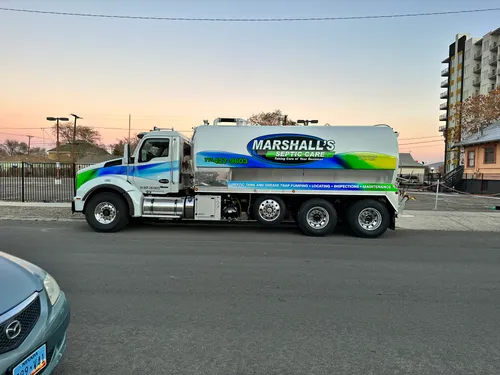
Marshalls Septic Care
4250 Reno Hwy #8377, Fallon, NV 89406
Marshalls Septic Care is a family-owned and operated septic service provider based in Reno, NV. The company offers septic tank inspections, septic system repairs, and drain field repair or replacement. They use camera septic inspections with fiber-optic technology to thoroughly assess septic systems and identify potential issues. Marshalls Septic Care also installs septic risers to facilitate easier maintenance without extensive digging. The business emphasizes well-maintained heavy equipment to support their services and has established itself as a key septic care provider in Northern Nevada.
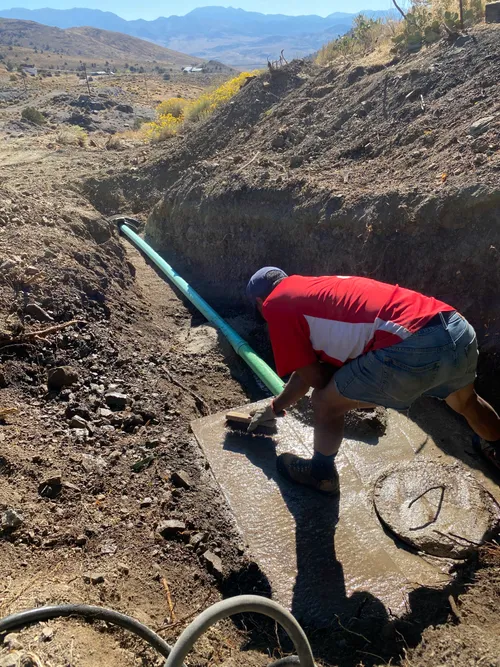
Green Valley Septic Services
3349 Pontius Pl, Carson City, NV 89706
Green Valley Septic Services is a family-owned business based in Reno, NV, offering a full range of septic services including pumping, inspections, repairs, and installations. With over 19 years of experience, they use state-of-the-art equipment to provide efficient and eco-friendly septic solutions. Their capabilities include hydrojet services to maintain and clean septic systems effectively. Green Valley Septic Services focuses on environmental sustainability and aims to support a clean and healthy community through reliable septic system maintenance.

A-1 Septic & Handyman
5011 Reno Hwy, Fallon, NV 89406
A-1 Septic & Handyman provides septic tank pumping, locating, and real estate septic inspections in Reno, NV, and surrounding areas including Fallon, Fernley, and Silver Springs. They also offer drain and sewer problem solutions, water jet services, TV camera inspections for roots and broken pipes, plumbing repairs, toilet services, and welding. The company serves both commercial and residential clients and provides emergency services when needed.
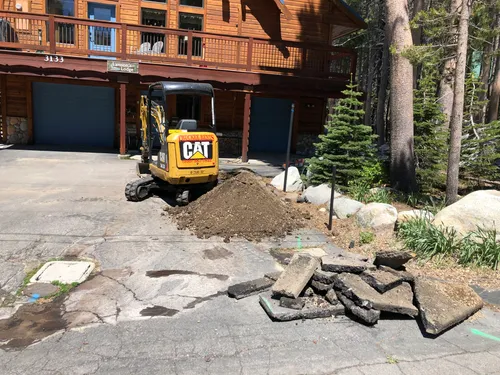
A-1 Testing/Maintenance Water Sewer Septic
Reno, NV
A-1 Testing/Maintenance Water Sewer Septic is a septic tank inspection company serving Reno, NV, and the greater Truckee/Tahoe and Reno Basin areas. They provide services for water line emergencies, new construction projects, and real estate septic inspections. With over 20 years of experience, the team is familiar with the unique terrain, weather, and permitting requirements of both California and Nevada, including high-altitude locations like Lake Tahoe and urban areas such as Reno and Sparks.
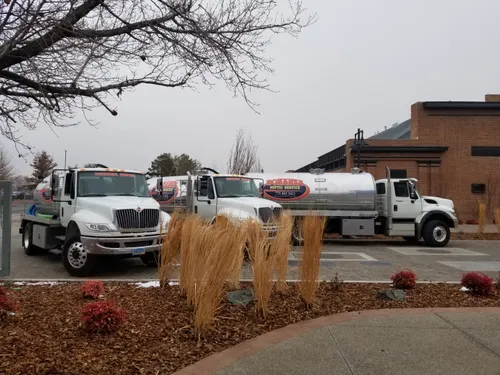
Bonanza Septic & Jetting Solutions
30 Kit Kat Dr, Mound House, NV 89706
Bonanza Septic & Jetting Solutions provides septic tank pumping, inspection, and repair services in Reno, NV. The company is known for thorough septic system inspections and effective repairs, including locating and extending septic tank lids for easier access. Their team is experienced in handling septic blockages and system maintenance with attention to detail and customer communication. Bonanza Septic & Jetting Solutions emphasizes employee training to maintain knowledgeable service and has built a reputation for addressing unique septic system challenges promptly.
Why Septic Inspections Are Essential in Washoe County
In the Reno area, septic systems are a common solution for wastewater management outside of municipal sewer lines. Northern Nevada Public Health (NNPH), formerly the Washoe County Health District, is the local authority that governs these systems. Regular inspections are not just a good idea-they are often a regulatory requirement for property transactions, new construction, or major additions 1. A failing septic system can lead to costly repairs, environmental contamination, and serious health hazards. Proactive evaluations help you avoid these issues by identifying problems like sludge buildup, baffle failures, or leach field saturation before they cause a system backup or failure.
What Local Regulations Govern Septic Systems?
Understanding the local rules is the first step for any Reno homeowner with a septic tank. NNPH mandates permits for the construction, repair, replacement, or abandonment of any Individual Sewage Disposal System. If you're planning to build an addition, like a garage or extra room, your project may require an NNPH review to ensure the new structure does not compromise your existing leach field. For commercial properties, oversight typically falls under the Nevada Division of Environmental Protection (NDEP), not the local health district 2. Staying compliant with these regulations often starts with a certified inspection to document the system's current condition and capacity.
The Step-by-Step Septic Inspection Process
A thorough septic system evaluation is a detailed process conducted by a trained professional. Here's what you can typically expect during a standard inspection in Reno:
- Locating and Exposing the Tank: The inspector will locate the septic tank and distribution box. If the access lids are buried, they must be excavated to allow for a complete internal assessment.
- Internal Tank Evaluation: Once opened, the inspector examines the tank's interior for structural integrity, checks the inlet and outlet baffles for damage or blockage, and assesses the overall condition of the concrete or fiberglass 3.
- Sludge and Scum Measurement: This is a crucial quantitative step. The inspector measures the depth of the sludge layer at the bottom and the scum layer at the top. These measurements determine if the tank needs immediate pumping 4.
- Liquid Level Check: The inspector verifies that the liquid level, or "effluent," is within the normal operating range. An abnormally high or low level can indicate problems with the drainage field or a blockage 5.
- Leach Field Inspection: The evaluation extends to the drain field area. The inspector looks for telltale signs of failure, such as surfacing sewage, overly saturated soil, or unusually lush vegetation, which can indicate that the field is not properly absorbing treated wastewater.
How Often Should You Schedule an Inspection?
For a typical residential system in Reno, the U.S. Environmental Protection Agency (EPA) recommends having your septic tank inspected at least every one to three years 6. The frequency can depend on several factors, including the tank size, the number of people in your household, and your overall water usage. Even with regular inspections, pumping is a separate maintenance task typically needed every three to five years to remove accumulated solids and prevent system failure 6. An inspection will tell you exactly when pumping is necessary.
Find the perfect septic tank inspection companies for your needs
Get personalized recommendations and expert advice
Understanding Costs for Inspection and Maintenance
The cost for a combined septic tank inspection and pumping service in the Reno area typically ranges from $300 to $600 or more 7. Several local factors influence the final price:
- Tank Size: Most residential tanks in Washoe County are between 1,000 and 2,000 gallons. Larger tanks cost more to pump and inspect.
- Accessibility: Tanks equipped with modern risers (extensions that bring the lid to ground level) are far less expensive to service. A buried tank that requires excavation will add significant labor costs 8.
- Additional Services: If your property uses a well, you may need a separate water quality analysis from a Nevada Certified Laboratory for a full system certification 9. Furthermore, any required repairs or system modifications will involve separate permitting fees through NNPH.
Recognizing Signs You Need an Inspection Now
Don't wait for your scheduled check-up if you notice any of these warning signs. Contact a septic service professional immediately if you experience:
- Slow drains or gurgling pipes throughout the house.
- Sewage odors in your yard or home.
- Wet, spongy, or soggy soil over the leach field, especially when it hasn't rained.
- Sewage backing up into household drains or toilets.
- Unusually bright green, lush grass over the drain field compared to the rest of the yard.
Addressing these symptoms quickly can mean the difference between a simple repair and a complete, costly system replacement.
Choosing a Qualified Septic Inspector in Reno
When selecting a professional for your septic system evaluation, look for a licensed, experienced contractor familiar with Washoe County and NNPH requirements. They should provide a detailed report of their findings, including sludge/scum measurements, photos of the tank interior, and a clear assessment of the leach field. This report is often essential for real estate transactions and for obtaining any necessary permits for repair work. A reputable inspector will be able to clearly explain their process, your system's condition, and any recommended next steps.
Frequently asked questions
Sources
Footnotes
-
Septic Systems and Liquid Waste - Washoe County, NV - https://washoecountynv.qscend.com/311/knowledgebase/article/127800 ↩
-
Residential Septic System Permit Requirements - https://www.southernnevadahealthdistrict.org/permits-and-regulations/sewage-septic-disposal-systems-isds/residential-isds-permits/residential-septic-tank-permit-requirements/ ↩
-
Septic System Inspections - InterNACHI - https://www.nachi.org/inspecting-septic-systems.htm ↩
-
Understanding Septic Tank Inspections: A Complete Homeowner's Guide to the Process - https://septic-masters.com/septic-tank-inspection-homeowner-guide/ ↩
-
What to Expect from a Septic Inspection - https://www.wrenvironmental.com/blog/2023/may/what-to-expect-from-a-septic-inspection/ ↩
-
Frequent Questions on Septic Systems | US EPA - https://www.epa.gov/septic/frequent-questions-septic-systems ↩ ↩2
-
Septic Systems & Liquid Waste - Northern Nevada Public Health - https://www.nnph.org/programs-and-services/environmental-health/land-development/septic-liquid-waste.php ↩
-
Certification Procedures for Individual Sewage Disposal System ( ... - https://www.southernnevadahealthdistrict.org/permits-and-regulations/sewage-septic-disposal-systems-isds/residential-isds-permits/certification-procedures-for-individual-sewage-disposal-system-isds-and-or-water-well/ ↩
-
Certification Application Guide - Southern Nevada Health District - https://media.southernnevadahealthdistrict.org/download/eh/isds/Certification-Application-Guide.pdf ↩