Find the Best Septic Tank Inspection Companies for Your Business
No obligation • Fast responses • Nationwide coverage

Why you can trust Septic Spot
Septic Spot is a leading United States resource for understanding and comparing septic services. Our editors review providers using consistent criteria and verify key business details. Listings and scores are independent, and companies cannot pay to influence our content.
Search providers near you
Best Septic Tank Inspection Companies in Oregon Ranked
A septic tank inspection is a professional assessment of your onsite wastewater system's condition, functionality, and compliance with state and local regulations. In Oregon, these evaluations are not just a good idea-they are often a legal requirement for system maintenance, property transfers, and new construction. Regular inspections help prevent costly failures, protect public health, and safeguard Oregon's environment. This guide provides the essential information you need to understand the process, regulations, and costs, and to connect with qualified local professionals who can perform this critical service.
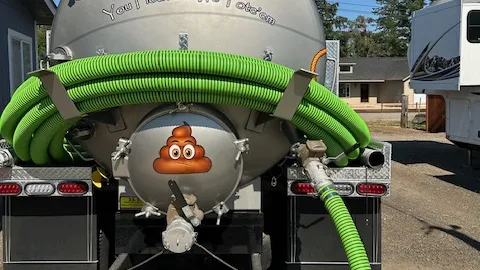
Loose Deuce Septic & Tank Services
Eugene, OR
Loose Deuce Septic & Tank Services is a family-owned company providing septic tank pumping, inspection, and maintenance in Eugene, OR. They serve Eugene and nearby communities including Junction City, Springfield, Goshen, Pleasant Hill, and Creswell. Their services include septic system maintenance, septic tank inspections, and RV tank pumping, using state-of-the-art equipment to help prolong the life of septic systems. The company is certified with the Oregon DEQ and offers thorough documentation and communication throughout their work.
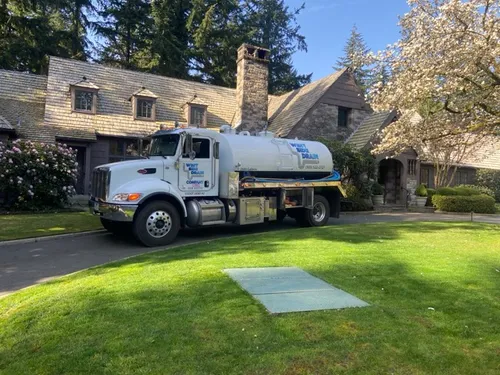
West Side Drain and Septic
Hillsboro, OR
West Side Drain and Septic is a septic tank pumping, inspection, repair, and pump replacement company serving Hillsboro, OR, and the greater Portland Metro Area. With over 16 years of experience, they provide comprehensive septic system services including 24-hour drain cleaning and emergency repairs. Their fully equipped trucks and trained technicians handle a wide range of septic and drain issues, ensuring thorough diagnosis and effective solutions. The company is family owned, licensed, and insured, with a focus on clear communication and quality workmanship.
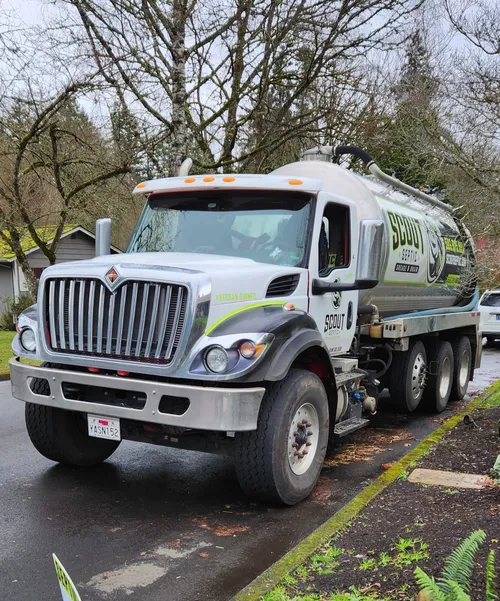
Scout Septic, Grease & Drain
15535 SE 287th Ave, Boring, OR 97009
Scout Septic, Grease & Drain provides septic tank pumping, inspection, repair, and installation services in Portland, OR. They also specialize in grease trap cleaning, pipe and drain cleaning including hydro jetting, as well as grading and excavation for residential and commercial properties. The company uses modern equipment and techniques to maintain and repair wastewater systems efficiently. Scout Septic offers 24/7 availability to address emergency needs and ensure continuous service.
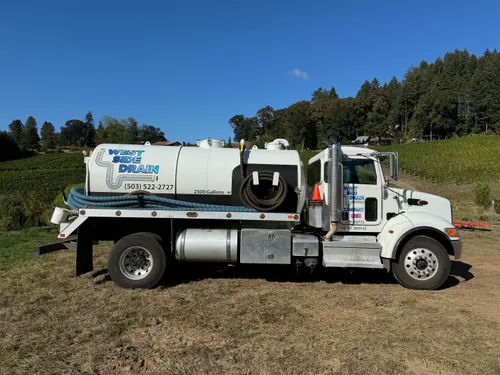
West Side Drain and Septic
9460 SW Tigard St STE 102 A, Tigard, OR 97223
West Side Drain and Septic is a septic tank pumping, inspection, and repair company serving Portland, OR, and the surrounding metro area. They provide comprehensive septic system services including maintenance, repairs, and emergency drain cleaning. The company is equipped with fully stocked service vehicles and uses advanced tools like cameras and drain scrubbing equipment to diagnose and resolve issues efficiently. With over 16 years of experience, West Side Drain and Septic offers 24-hour service to address urgent plumbing and septic needs.
SOS Septic Pumping LLC
Eugene, OR
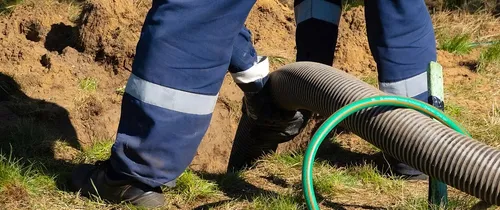
SOS Septic Pumping LLC is a family-owned septic service provider based in Eugene, OR, serving Lane, Linn, Benton, and Douglas Counties. They offer a range of septic system services including pumping, inspection, cleaning, maintenance, and coordination of repairs through trusted partners. Their licensed and insured team focuses on routine maintenance to prevent system failures and environmental issues, ensuring septic systems operate efficiently and comply with local regulations. With local expertise and a commitment to community health, SOS Septic Pumping supports both residential and commercial clients in maintaining their septic systems.
Why Septic Inspections Are Critical in Oregon
Oregon's diverse landscapes, from coastal communities to high desert, rely heavily on properly functioning septic systems to treat household wastewater. A failing system can contaminate groundwater, pollute rivers and streams, and create public health hazards. The state's regulatory framework, overseen by the Department of Environmental Quality (DEQ) and local county health departments, mandates regular system checks to prevent these outcomes. For homeowners, a thorough septic evaluation is the first line of defense against unexpected repair bills and environmental liability.
Beyond environmental protection, a system assessment is often a pivotal step in real estate transactions. Many Oregon counties require a formal site evaluation or inspection report before a property with a septic system can be sold. This protects both the buyer and the seller by documenting the system's condition at the time of sale.
Oregon's Regulatory Framework
Septic system oversight in Oregon is governed primarily by the Oregon Administrative Rules (OAR) Chapter 340, Divisions 71 and 73. The DEQ sets the statewide standards, while implementation and permitting are frequently handled by local government agents.
- Permits: A permit from the DEQ or a local agent is required for the construction, alteration, or repair of any septic system.
- Pre-Cover Inspection: A crucial, mandatory inspection called the "pre-cover" inspection must be conducted and approved by the permitting authority before a newly installed or repaired system is buried. This ensures the installation matches the approved design.
- System Maintenance Rules: The state establishes baseline requirements for operation and maintenance, which local counties can make more stringent based on local conditions, such as sensitive watersheds or high groundwater tables.
Types of Septic Inspections
The scope and purpose of a septic evaluation can vary. Understanding the different types helps you request the right service.
Routine Maintenance Inspection
This is a periodic check-up, often performed in conjunction with pumping services. The provider will typically:
- Locate and access the tank and distribution box.
- Measure the sludge and scum layers to determine if pumping is needed (solids should not exceed 40% of tank volume) 1.
- Check inlet and outlet baffles for integrity.
- Inspect the tank structure for cracks or leaks.
- For systems with pumps, verify the pump, float switches, and alarm are operational2.
Real Estate (Transfer) Inspection
This is a more comprehensive evaluation required during the sale of a property. It includes all elements of a maintenance inspection but adds:
- A detailed evaluation of the drain field (leach field) for signs of failure, such as surfacing effluent or soggy ground.
- Flow testing of the system, if required.
- A formal, written report detailing the system's components, condition, and any needed repairs, which becomes part of the property disclosure.
Pre-Cover / Construction Inspection
This is a regulatory inspection performed by the DEQ or local agent, not a private contractor. It verifies that the installation of a new or repaired system conforms exactly to the engineered plans before the system is covered with soil. The licensed installer must schedule this inspection.
Inspection Frequency Requirements
How often you need a septic system inspection in Oregon depends on your system type and location.
- Conventional Systems: The general guideline for standard gravity-fed systems is an inspection every 3 to 5 years.
- Specialized & High-Risk Systems: Systems with pumps, sand filters, or other advanced treatment components, or those located in environmentally sensitive areas, require more frequent checks. Some counties, like Lincoln County, mandate annual inspections by a DEQ-certified operator for these systems3.
- At-Risk Systems: Systems in areas with high groundwater, poor soil, or near shellfish beds often fall under stricter local county ordinances requiring inspections every 1 to 3 years4.
Always check with your local county health department for the specific inspection schedule that applies to your property.
Find the perfect septic tank inspection companies for your needs
Get personalized recommendations and expert advice
What to Expect During an Inspection
Hiring a licensed, experienced professional is key. A standard inspection process involves:
- Site Review: The inspector reviews the system's as-built design and permit history.
- Locating Components: Using probes and records, the inspector finds and uncovers the tank lids, distribution box, and drain field.
- Tank Assessment: The inspector pumps out the tank (if part of the service) or uses a sludge judge to measure waste levels. The tank's interior and baffles are checked.
- Hydraulic Testing: Water may be run through the household plumbing to check for proper drainage and to look for backups or surfacing wastewater in the drain field.
- Component Check: Pumps, alarms, electrical connections, and sprinkler heads (for mound systems) are tested.
- Reporting: You will receive a written report with findings, photos, and any recommendations for repair or maintenance.
Understanding Inspection Costs in Oregon
The price of a septic inspection in Oregon varies based on the inspection's complexity, tank size, and system type.
- Standard Maintenance Inspection: Typically ranges from $200 to $900, with an average cost around $5505. This price often includes pumping the tank.
- Real Estate Inspection: A more detailed evaluation for property transfer can cost $1,000 or more due to the added liability, comprehensive reporting, and potential drain field testing6 7.
- Additional Factors: Costs can be higher for large-capacity tanks, systems with pumps or advanced treatment components, or properties with difficult access.
Choosing a Qualified Inspector in Oregon
Not all septic service providers are authorized to perform all types of inspections. For your protection, ensure your provider is:
- DEQ-Licensed: In Oregon, septic system installers must be licensed by the DEQ8 9. For inspection and pumping, look for companies with certified operators, especially for specialized systems.
- Insured: The company should carry general liability insurance.
- Local Knowledge: Choose a provider familiar with your county's specific regulations and soil conditions.
- Transparent on Services: A reputable inspector will clearly explain what their inspection includes (e.g., pumping, drain field evaluation) and what it does not.
The Role of Inspections in Property Transactions
If you are buying or selling a home with a septic system in Oregon, an inspection is highly likely to be part of the process. Sellers are often required to provide a recent inspection report or obtain one as a condition of sale10 11. As a buyer, you should never waive your right to a septic inspection. The report can reveal issues that may become your financial responsibility after purchase, and it provides leverage for negotiating repairs or price adjustments.
Maintaining Your System Post-Inspection
An inspection report is a roadmap for maintenance. Follow the provider's recommendations, which may include:
- Pumping the tank on the recommended schedule.
- Repairing or replacing damaged baffles, lids, or pipes.
- Diverting surface water away from the drain field.
- Practicing water conservation and being mindful of what goes down the drains.
Proper maintenance based on professional inspection findings is the most effective way to extend your system's life and avoid emergencies.
Frequently asked questions
Sources
Footnotes
-
How to Care for Your Septic System | US EPA - https://www.epa.gov/septic/how-care-your-septic-system ↩
-
DEQ Guidelines for Design of Septic Tank Effluent Pump or Gravity ( ... - https://www.oregon.gov/deq/FilterRulemakingDocs/div52-designseptic.pdf ↩
-
Annual Operation and Maintenance - Lincoln County, OR - https://www.co.lincoln.or.us/1206/Annual-Operation-and-Maintenance ↩
-
Onsite Wastewater (Septic) Rules Update - https://www.oregon.gov/deq/Residential/Documents/Onsiterulesfactsheet.pdf ↩
-
About Septic Systems : Residential Resources - Oregon.gov - https://www.oregon.gov/deq/residential/pages/onsite-about.aspx ↩
-
How Much Does a Septic Inspection Cost? [2026 Data] - Angie's List - https://www.angi.com/articles/septic-inspection-cost.htm ↩
-
Residential Septic Permitting - Oregon.gov - https://www.oregon.gov/deq/residential/pages/residentialseptic.aspx ↩
-
Procedures and Criteria for Installing a New Septic System - https://www.douglascountyor.gov/DocumentCenter/View/3059/Procedures-for-Installing-a-New-Septic-System-PDF ↩
-
Septic Permits: New Construction, Repairs, and Alterations - https://www.portland.gov/ppd/septic-permits ↩
-
Septic Review Certifications, Authorization Notices and Site ... - https://www.portland.gov/bds/septic-evaluations ↩
-
Septic Systems - Linn County Health Services - https://www.linncountyhealth.org/services/water-systems/septic/ ↩