Find the Best Septic Tank Inspection Companies for Your Business
No obligation • Fast responses • Nationwide coverage

Why you can trust Septic Spot
Septic Spot is a leading United States resource for understanding and comparing septic services. Our editors review providers using consistent criteria and verify key business details. Listings and scores are independent, and companies cannot pay to influence our content.
Search providers near you
Top Septic Tank Inspection Companies in Mount Pleasant, South Carolina Ranked
A septic tank inspection is a professional assessment of your onsite wastewater system's health and functionality. In Mount Pleasant, where many homes rely on these private systems, regular evaluations are crucial for protecting your property, your family's health, and the local coastal environment. This guide will help you understand the inspection process, local regulations, and what to expect when you need to schedule a system check.
Knights Septic Tank Services
288 Hodge Rd, Summerville, SC 29483
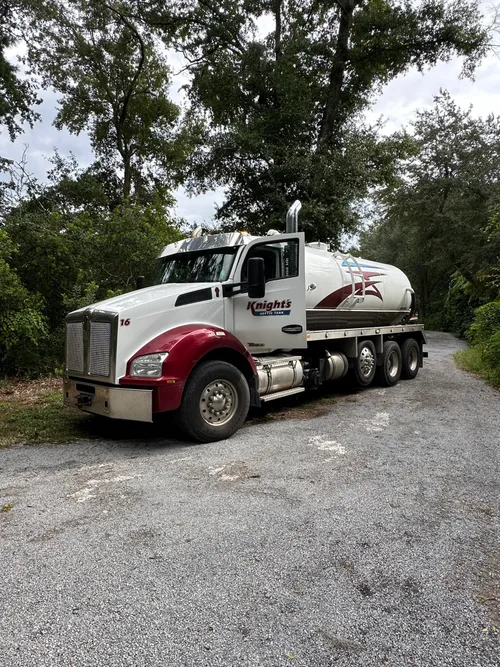
Knights Septic Tank Services has been serving Charleston, SC, and the surrounding Lowcountry area since 1969. The company offers a full range of septic services including pumping, inspection, installation, and repair for both residential and commercial clients. They also manufacture precast concrete septic tanks and grease traps through their specialized divisions. Their licensed engineers and technicians bring over 30 years of combined experience to each project. Knights Septic Tank Services operates pump trucks seven days a week by appointment to accommodate customer needs.
Palmetto Site Solutions, LLC
Charleston, SC
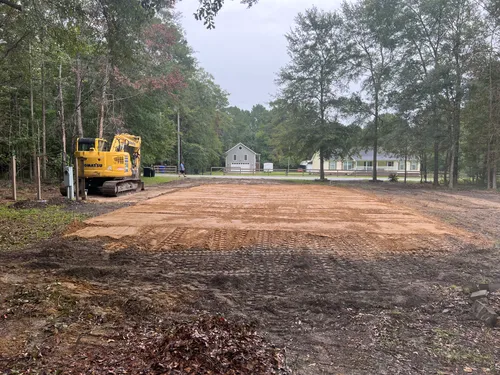
Palmetto Site Solutions, LLC is a family-owned septic company serving Charleston, SC, and nearby areas including Summerville and Moncks Corner. They provide a full range of septic system services such as engineered design, installation, inspection, and repairs. With over 10 years of experience, the company is licensed, insured, and certified by the South Carolina Department of Environmental Services (SCDES). They specialize in Tier 3 septic systems and manage projects from initial design through final inspection.
Why Regular Septic System Inspections Are Essential in Mount Pleasant
Living in the Lowcountry comes with a responsibility to protect its delicate ecosystem. Your septic system is a key part of that. Regular inspections are not just about avoiding backups; they are a proactive measure to prevent groundwater contamination, costly emergency repairs, and system failure. The South Carolina Department of Environmental Services (SCDES) strongly advises inspections every 3-5 years. For homeowners, this is a critical part of property maintenance, similar to servicing your HVAC system. It ensures that waste is being processed safely and that the drainfield, the final stage of treatment, is functioning properly. Catching issues like a failing baffle or excessive sludge buildup early can save thousands of dollars compared to repairing a collapsed drainfield.
What a Professional Septic Inspection Involves
A comprehensive septic system evaluation by a licensed contractor is a multi-step process designed to assess every component. It's far more than just looking at the tank.
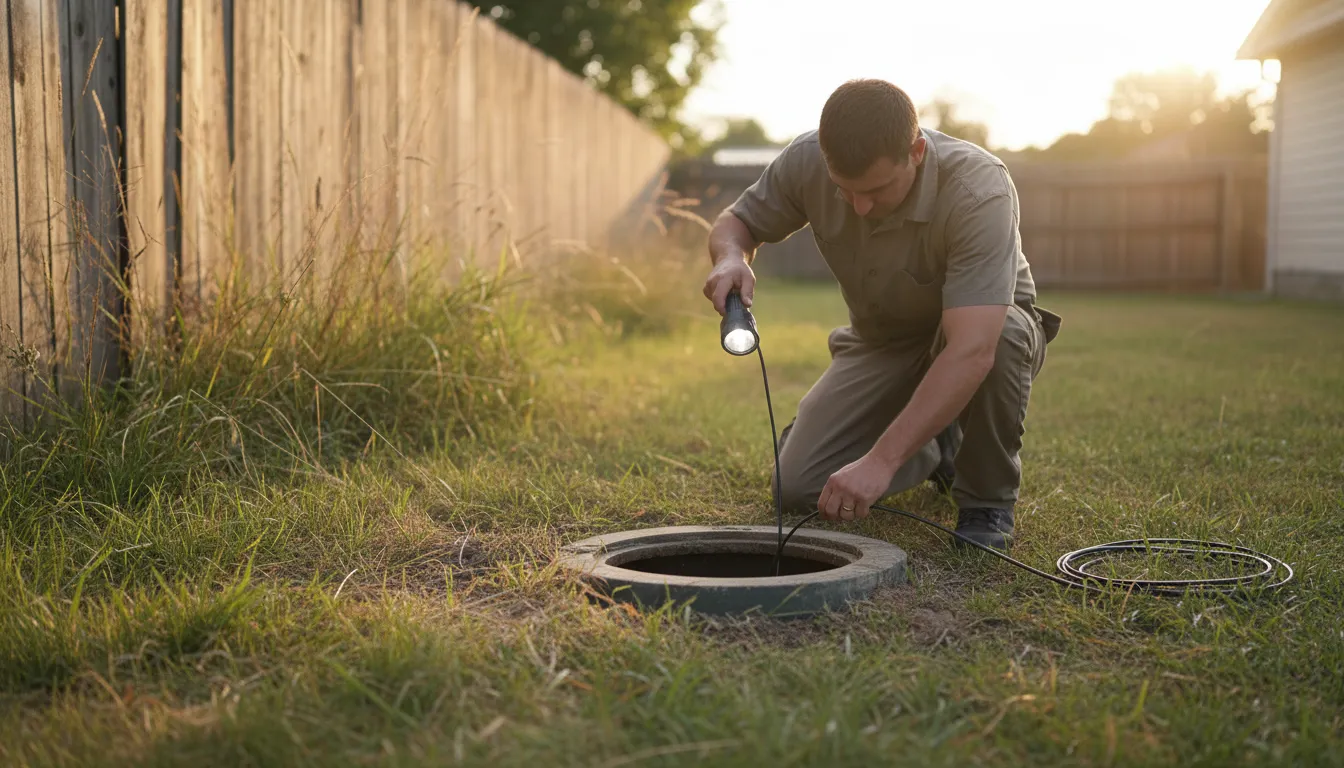
Initial System Location and Access: The inspector will first locate your tank and drainfield, often using probes or records. They will then uncover the inspection ports and manhole cover to gain access. This step is vital, as improperly buried or lost tank lids are a common issue.
Internal Tank Assessment: This is the core of the inspection. The professional will measure the levels of scum (floating materials) and sludge (settled solids) to determine if the tank needs pumping. They will also inspect the inlet and outlet baffles or tees, which are crucial for preventing solids from flowing out to the drainfield. Any signs of structural damage, cracks, or leaks will be noted.
Functional Flow Check: To ensure wastewater is moving correctly, the inspector will often run water from multiple fixtures inside the home (like flushing toilets) to confirm it is entering the tank properly.
Drainfield Evaluation: The inspector will examine the drainfield area for telltale signs of failure. This includes looking for soggy, spongy, or overly green grass, standing water, or the surfacing of sewage odors or effluent. A failing drainfield is the most serious and expensive septic problem to fix.
Effluent Filter Service: If your system is equipped with an effluent filter (which helps protect the drainfield), the inspector will typically clean it or recommend its replacement.
Understanding Costs for Septic Inspections
The cost of a septic inspection in Mount Pleasant can vary based on the type of inspection and the system's complexity. Here's a general breakdown of what you might expect:
- Standard Routine Inspection: For a basic assessment of an accessible system, prices typically range from $200 to $900, with an average cost around $550. This usually covers the visual checks, level measurements, and a basic report.
- Inspection with Pumping: Many homeowners combine inspection with routine pumping. A standard pumping service for a 1,000-gallon tank often ranges from $250 to $600+, so the combined service will be higher 1.
- Real Estate Transaction Inspection: These are often more thorough and may include pumping as a mandatory part of the assessment to fully evaluate the tank's interior. This comprehensive service can cost up to $1,300 or more 2 3.
Find the perfect septic tank inspection companies for your needs
Get personalized recommendations and expert advice
South Carolina and Local Mount Pleasant Regulations
Septic systems in South Carolina are regulated by the SCDES. Understanding these rules is key for any homeowner.
Permitting: Any new installation, repair, or replacement of a septic system requires a Permit to Construct from SCDES 4. The department evaluates soil conditions, lot slope, and proper setbacks from wells, property lines, and water bodies before issuing a permit 5.
Inspection Frequency: While the state does not mandate annual inspections for existing systems, the official guidance is clear: systems should be inspected and pumped every 3-5 years. Mount Pleasant Waterworks echoes this recommendation, noting the frequency can depend on household size and usage.
Licensing: It is imperative that inspections, pumping, and repairs are performed only by licensed septic contractors. Using a licensed professional ensures the work meets state standards and that any necessary permits are filed correctly.
Maintaining Your System Between Inspections
Professional inspections are essential, but day-to-day homeowner habits determine your system's long-term health.
- Pump Regularly: Adhere to the 3-5 year pumping guideline. If you have a garbage disposal, host large gatherings frequently, or have a large family, you may need to pump more often 6.
- Protect the Drainfield: Never park cars, build sheds, or plant trees with deep roots over your drainfield. The soil must remain uncompacted to treat wastewater effectively.
- Mind What You Flush: Your septic system is designed for human waste and toilet paper only. Avoid flushing wipes (even "flushable" ones), feminine hygiene products, cooking grease, and chemicals. Limit use of a garbage disposal, as it significantly increases solid waste in the tank 7.
- Conserve Water: Spreading out laundry loads and fixing leaky faucets reduces the hydraulic load on your system, giving the drainfield time to properly absorb and treat liquid effluent.
Interpreting Your Inspection Report
After your inspection, you should receive a detailed report. Key things to look for include:
- Sludge and Scum Levels: The report should state the measured depths. If the combined sludge and scum depth exceeds about one-third of the tank's liquid depth, pumping is recommended 8.
- Baffle/Tee Condition: The report will note if these critical components are intact, damaged, or missing. Damaged baffles can cause system failure.
- Drainfield Remarks: Any notation of soggy soil, odors, or surfacing effluent is a red flag requiring immediate attention.
- Recommendations: This section will clearly state necessary actions, such as "Pump tank within 30 days" or "Repair broken outlet tee".
Frequently asked questions
Sources
Footnotes
-
How to Read Your Septic Tank Inspection Report: A Complete Guide - https://dandhsepticservices.com/septic-tank-inspection-report/ ↩
-
Septic Systems - Mount Pleasant Waterworks - https://www.mountpleasantwaterworks.com/your_water/septic_systems.php ↩
-
How Much Does a Septic Inspection Cost? [2026 Data] | Angi - https://www.angi.com/articles/septic-inspection-cost.htm ↩
-
Septic Tanks - Residential, Single Home Builder | South Carolina Department of Environmental Services - https://des.sc.gov/permits-regulations/septic-tanks/permits-licenses/septic-tanks-residential-single-home-builder ↩
-
Site Inspections | South Carolina Department of Environmental ... - https://des.sc.gov/permits-regulations/septic-tanks/homeowner-resources/site-inspections ↩
-
How Often Should You Pump Your Septic Tank: 3 Factors Solved - https://www.frasiers.com/blog/sewage-tank-pump-frequency/ ↩
-
Be Septic Safe - Clemson University - https://www.clemson.edu/extension/water/resources/be-septic-safe.html ↩
-
Septic Tanks - Preventative Routine Maintenance - https://des.sc.gov/permits-regulations/septic-tanks/homeowner-resources/septic-tanks-preventative-routine-maintenance ↩