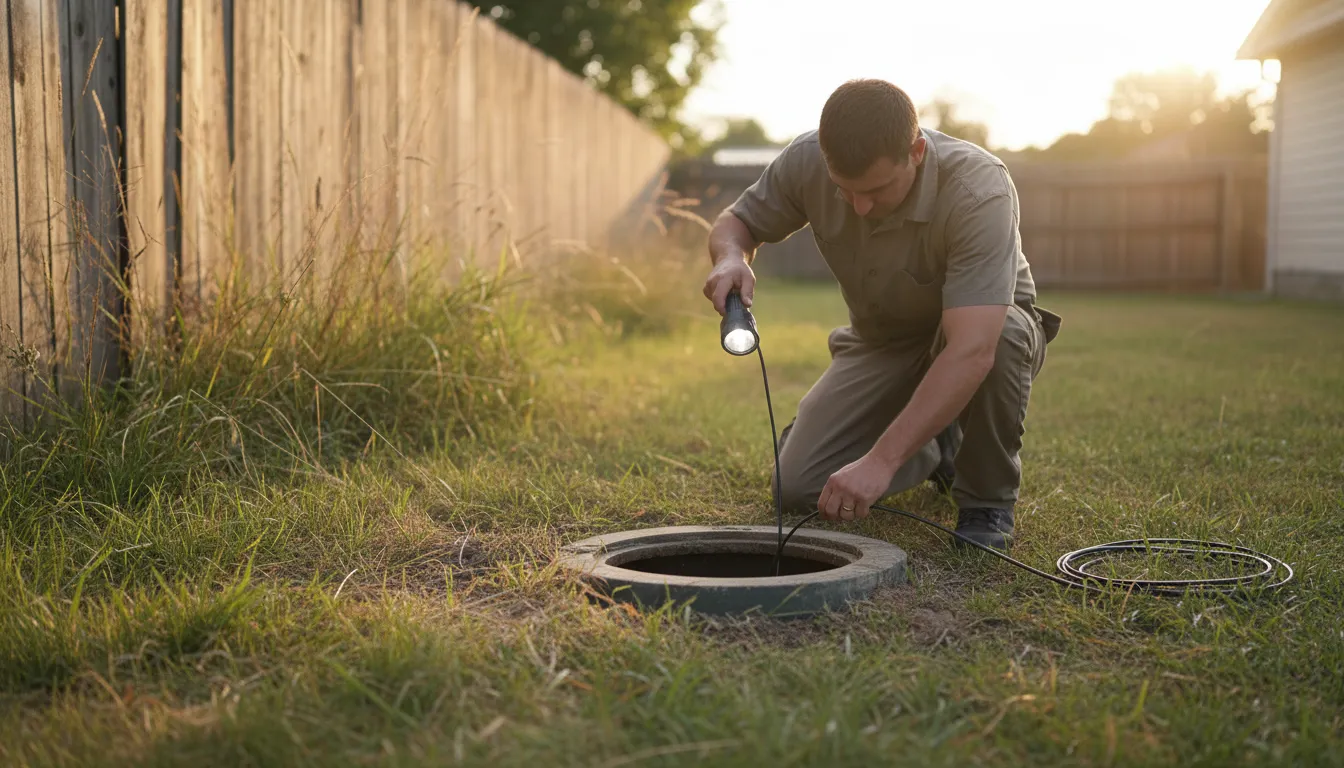
Find the Best Septic Tank Inspection Companies for Your Business
No obligation • Fast responses • Nationwide coverage

Why you can trust Septic Spot
Septic Spot is a leading United States resource for understanding and comparing septic services. Our editors review providers using consistent criteria and verify key business details. Listings and scores are independent, and companies cannot pay to influence our content.
Search providers near you
Best Septic Tank Inspection Companies in Utah Ranked
A septic tank inspection is a professional assessment of your onsite wastewater system's condition and functionality. In Utah, these evaluations are crucial for protecting public health, preserving groundwater quality, and ensuring your property's value. This guide explains Utah's specific regulations, inspection processes, and costs, helping you understand when and how to schedule this essential service with a qualified local provider.

A-1 Septic
851 N 900 W, Orem, UT 84057
A-1 Septic is a septic tank pumping, inspection, and repair company serving Provo, UT, and the surrounding Utah County area. With over 60 years of experience, they offer a wide range of septic services including tank pumping, locating, inspections, maintenance, riser installations, and troubleshooting. Their capabilities also extend to wastewater system services such as holding tank pumping, lift station maintenance, and compliant wastewater disposal. The company operates six days a week and provides emergency services on Sundays.
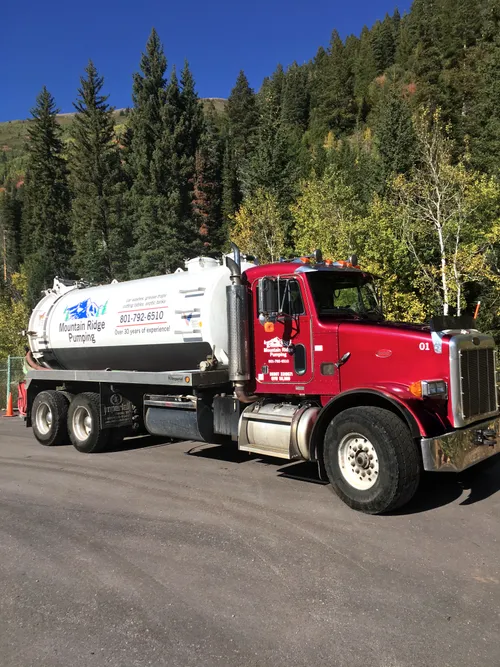
Mountain Ridge Pumping
Salt Lake City, UT
Mountain Ridge Pumping is a licensed and insured company based in Salt Lake City, UT, specializing in septic tank pumping and inspection services for both commercial and residential clients. With over 30 years of experience, they handle non-hazardous liquid waste removal from various sources including septic tanks, car wash pits, storm drains, and lift stations. The company emphasizes proper waste disposal and environmental responsibility by working with reputable waste treatment facilities.
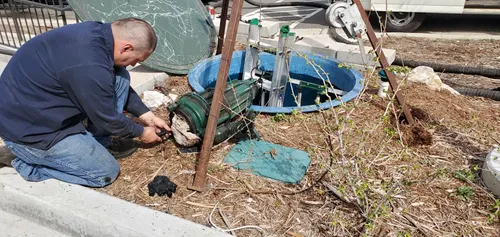
A&B Sewer & Drain Cleaning
1061 Major St, Salt Lake City, UT 84111
A&B Sewer & Drain Cleaning is a licensed, bonded, and insured company based in Salt Lake City, UT. They provide plumbing, sewer, and septic tank services for residential, commercial, and infrastructure clients. Their offerings include septic tank pumping, inspections, drain cleaning, water main replacement, and full video inspection services. The company serves both Utah and Nevada and is available around the clock for emergency plumbing needs.
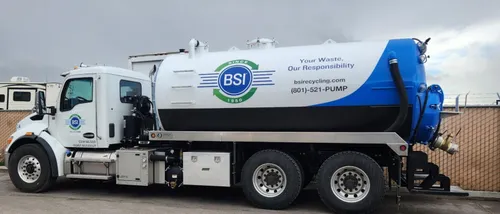
Beck's Sanitation
543 Iron Rose Pl, Salt Lake City, UT 84104
Beck's Sanitation is a family-owned sanitation company serving Salt Lake City, UT, with over 70 years of experience. They provide septic tank pumping and inspection along with grease trap cleaning, cooking oil recycling, storm drain maintenance, and wastewater management. Their services include commercial pumping and eco-friendly waste disposal, ensuring regulatory compliance and environmental safety. Beck's Sanitation also offers emergency clean-outs and routine maintenance to prevent blockages and flooding, supporting local businesses with reliable sanitation solutions.
Understanding Utah's Septic System Regulations
Septic systems, or Onsite Wastewater Systems (OWS), in Utah are regulated under Rule R317-4 to safeguard both health and the state's vital groundwater resources. The primary regulatory bodies are the Utah Department of Environmental Quality (DEQ) Division of Water Quality and your local county health department. These agencies enforce standards for everything from initial design to routine maintenance.
A key requirement is that a permit is mandatory for any new system installation, major repair, or alteration 1. The permitting process ensures the system is designed by a certified professional or engineer, includes necessary soil and percolation tests, and is suitable for your specific property 2. Crucially, all newly installed or repaired systems require a final inspection by the local health department before the tank and drain field can be backfilled. This step is non-negotiable and verifies the installation meets all code requirements.
Why Regular Septic Inspections Are Essential
Routine septic tank inspections are a cornerstone of responsible homeownership in Utah. They help you:
- Prevent System Failure: Catching issues like leaks, blockages, or a full tank early can prevent messy, unhealthy, and expensive backups into your home or yard.
- Protect Water Quality: Utah has strict rules to prevent groundwater contamination. A leaking or failing septic system can pollute wells, streams, and aquifers.
- Extend System Lifespan: Proactive maintenance based on inspection findings can add decades to your system's operational life.
- Ensure Compliance: Regular checks help ensure your system continues to meet state and local health regulations.
- Facilitate Real Estate Transactions: A clean inspection report is often required for buying or selling a home with a septic system.
The U.S. Environmental Protection Agency (EPA) recommends having a professional inspect your system at least every three years 3. However, Utah guidelines often suggest a more frequent schedule of every 1 to 3 years, with tank pumping needed every 3 to 5 years depending on usage and tank size 4. Alternative systems with mechanical components, like aerobic treatment units (ATUs) or sand filters, typically require more frequent, often annual, inspections 3.
What Happens During a Professional Septic Inspection?
A comprehensive septic tank inspection in Utah goes beyond just checking the tank level. A certified professional will typically follow a process that includes:
- Locating & Accessing the System: The inspector will locate the tank and drain field. Utah regulations require accessible risers to be installed on new systems or during repairs, which makes this step much easier and cleaner 5.
- Checking for Leaks & Damage: The inspector examines the tank, lids, and baffles for cracks, leaks, or structural damage.
- Measuring Sludge and Scum: This is the core of the inspection. The inspector measures the depth of sludge (solids at the bottom) and scum (floating materials) to determine if the tank needs pumping.
- Evaluating the Drain Field: The inspector assesses the absorption field for signs of failure, such as soggy soil, foul odors, or surfacing sewage.
- Inspecting Pipes and Components: All inlet and outlet pipes, distribution boxes, and, if present, pumps or alarms are checked for proper operation 6.
- Reviewing System History and Compliance: A good inspector will discuss the system's age, past maintenance, and compliance with local separation distances from water sources (e.g., a required 200 feet from non-public water supply wells) 7.
Find the perfect septic tank inspection companies for your needs
Get personalized recommendations and expert advice
Cost of Septic Inspections in Utah
The cost of a septic inspection in Utah varies based on the system's size, complexity, and the inspection's scope.
- Routine Maintenance Inspection: A standard inspection to check sludge/scum levels and overall condition typically ranges from $200 to $550.
- Comprehensive or Real Estate Inspection: A more detailed inspection, often required during property transfers, can cost up to $900 or more 8. This may include a full hydraulic load test or a more detailed assessment of the drain field.
- Permit and Related Fees: If you are installing a new system or making major repairs, separate permit fees apply. These vary by county. For example, in Davis County, permit fees for a new conventional system can include $120 for plan review plus $550 for the septic tank installation permit itself 9 10.
While cost is a factor, choosing a qualified, certified inspector is critical for an accurate assessment. Their expertise can save you thousands in unexpected repairs down the line.
Finding and Choosing an Inspection Provider in Utah
When searching for a septic inspection service, look for providers with the following qualifications:
- State and Local Certification: Ensure they are certified by the Utah DEQ and in good standing with your local health department 11.
- Experience with Local Soils and Regulations: Utah's diverse geography means soil conditions and local county rules can vary significantly. Local experience is invaluable.
- Comprehensive Service Offering: Many companies offer inspection, pumping, and repair services. A provider who can perform all necessary maintenance can be more convenient.
- Detailed Reporting: The inspector should provide a clear, written report with findings, measurements, photos, and recommendations.
Always ask for references and verify that the inspector carries proper insurance. Your local county health department can often provide a list of certified professionals in your area.
The Role of Inspections in System Maintenance and Repair
An inspection is the first step in a proper maintenance plan. Based on the findings, the inspector will recommend actions:
- Pumping: If sludge and scum levels exceed recommended thresholds (typically when sludge fills one-third of the tank), pumping will be advised.
- Minor Repairs: Issues like broken baffles, damaged lids, or minor leaks can often be repaired promptly.
- Major Repairs or Replacement: Signs of drain field failure or a severely compromised tank may indicate the need for significant repairs or a completely new system, which will require a new permit and design from the health department.
By scheduling regular inspections, you move from reactive, crisis-mode spending to proactive, planned maintenance, which is always more cost-effective.
Frequently asked questions
Sources
Footnotes
-
Rule R317-4, Onsite Wastewater Systems - https://rules.utah.gov/publicat/code/r317/r317-004.htm ↩
-
SEPTIC SYSTEM APPLICATION CHECKLIST - https://swuhealth.org/wp-content/uploads/2022/02/SEPTIC-SYSTEM-APPLICATION-CHECKLIST-v012022.pdf ↩
-
How to Care for Your Septic System | US EPA - https://www.epa.gov/septic/how-care-your-septic-system ↩ ↩2
-
Onsite Wastewater Program - Utah Department of Environmental ... - https://deq.utah.gov/water-quality/onsite-wastewater-program ↩
-
Wastewater regulation - Utah.gov - https://www.utah.gov/pmn/files/1047329.pdf ↩
-
What to Expect from a Septic Inspection - https://www.wrenvironmental.com/blog/2023/may/what-to-expect-from-a-septic-inspection/ ↩
-
Permitting New Septic System - https://summitcountyhealth.org/permitting-new-septic-system/ ↩
-
How Much Does a Septic Inspection Cost? [2026 Data] - Angie's List - https://www.angi.com/articles/septic-inspection-cost.htm ↩
-
Onsite Wastewater Systems - Davis County - https://www.daviscountyutah.gov/health/environmental-health-division/permits/onsite-wastewater-systems-new ↩
-
Utah Construction Permitting Software Automation - https://www.permitflow.com/state/utah ↩
-
Wastewater Certification Permit Guide - https://deq.utah.gov/permits/permit-guide/wastewater-certification-permit-guide ↩