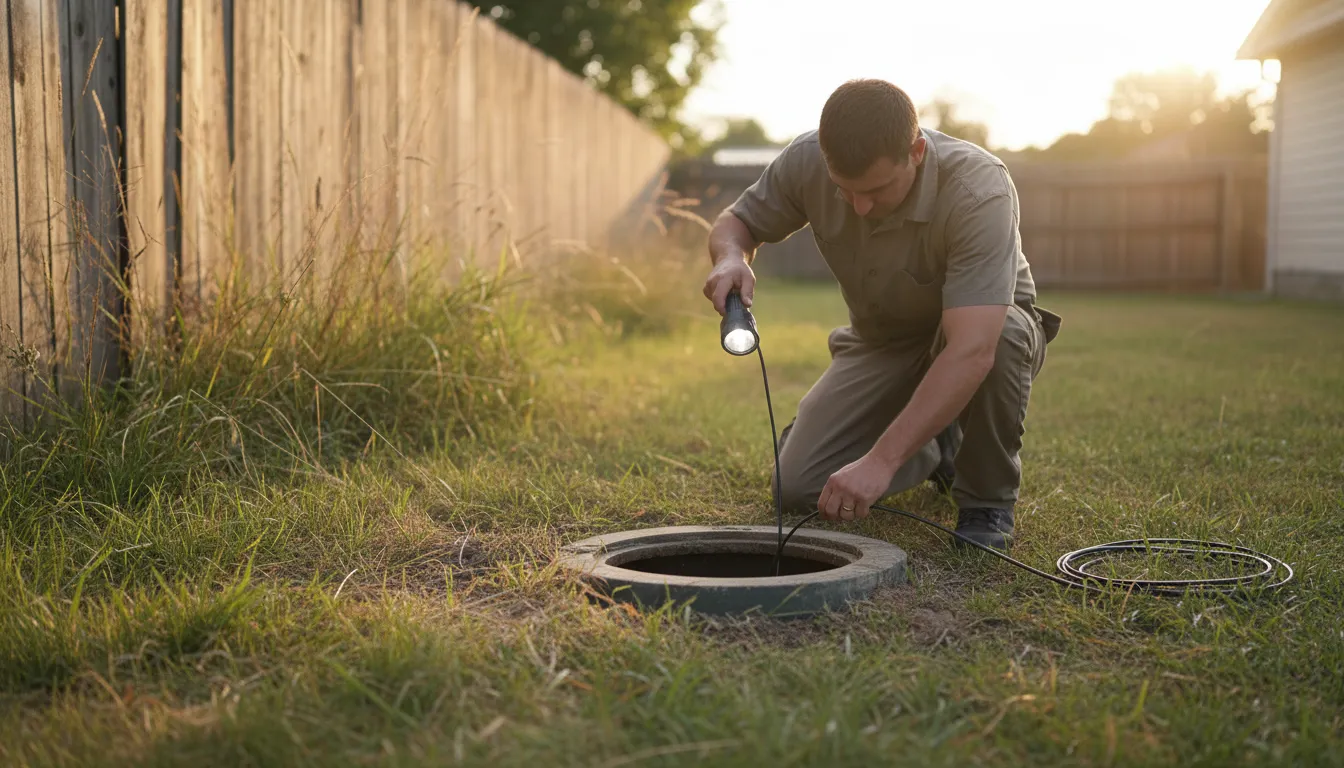
Find the Best Septic Tank Inspection Companies for Your Business
No obligation • Fast responses • Nationwide coverage

Why you can trust Septic Spot
Septic Spot is a leading United States resource for understanding and comparing septic services. Our editors review providers using consistent criteria and verify key business details. Listings and scores are independent, and companies cannot pay to influence our content.
Search providers near you
Best Septic Tank Inspection Companies in Wisconsin Ranked
A septic tank inspection is a professional assessment of your private sewage system's condition and function. In Wisconsin, these evaluations are not just a good idea-they are a legal requirement for protecting public health and the state's water resources. This guide explains the mandatory inspection rules, what the process entails, and how you can connect with certified local professionals to schedule your essential service.

Rozga Plumbing Corp.
1529 S 113th St, West Allis, WI 53214
Rozga Plumbing Corp. is a plumbing and septic service provider located in Milwaukee, WI. Serving Milwaukee and Waukesha counties, they offer septic tank pumping, inspection, and repair services along with general plumbing and sewer solutions. Established in 1981, Rozga Plumbing Corp. has over four decades of experience and provides 24-hour emergency plumbing services. Their team uses modern equipment and techniques to handle a wide range of plumbing and septic system needs.
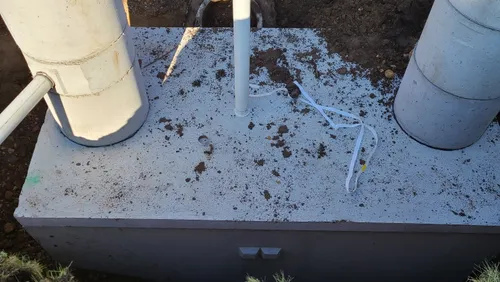
Country Water Well and Septic LLC
Madison, WI
Country Water Well and Septic LLC is a family-owned company based in Madison, WI, providing septic tank installation and inspection services. They serve both residential and commercial properties across Southern and Central Wisconsin. With over three years of experience, the team handles installations, thorough inspections of septic systems and water wells, and emergency services when needed.
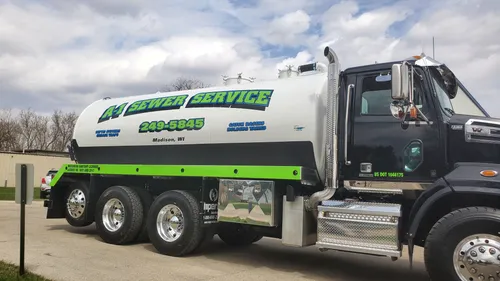
A-1 Sewer Service Inc.
6470 Lake Rd #1, Windsor, WI 53598
A-1 Sewer Service Inc. is a septic tank pumping and inspection company based near Madison, WI. Serving Dane County as well as Sauk, Iowa, and Columbia Counties, the company offers licensed maintenance and hauling of liquid waste. Founded in 1996 by Lisa, who holds multiple state licenses including POWTS certification, the business combines hands-on fieldwork with management experience. Jim, a licensed operator since 1998, supports the service with his expertise in equipment operation and waste hauling.
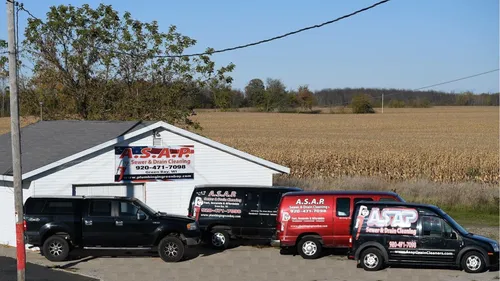
Asap Sewer & Drain Cleaning LLC
2733 N Packerland Dr Suite 13T, Green Bay, WI 54303
Asap Sewer & Drain Cleaning LLC is a septic tank inspection and pump repair service based in Green Bay, WI. They provide plumbing maintenance, drain cleaning, and emergency plumbing services throughout Green Bay and surrounding areas, including Brown County and parts of Outagamie County. Their capabilities include camera pipe inspection, cleaning main lines to tanks, and repairing sump pumps. Established in 1993, Asap Sewer & Drain Cleaning LLC offers 24/7 emergency response every day of the year.
Understanding Wisconsin's Septic System Laws
Wisconsin regulates private sewage systems under state administrative code, with enforcement delegated to county health or zoning departments. The system is formally known as a Private Onsite Wastewater Treatment System (POWTS). State law mandates that all POWTS be inspected at least once every three years to ensure they are operating correctly and not posing a threat to groundwater or surface water. This triennial inspection cycle is a cornerstone of the state's environmental protection efforts.
The responsibility for compliance falls squarely on the property owner. You must ensure that a certified inspector examines your system and that the official inspection report is submitted to your local county authority within 30 days of the service. Counties often manage this cycle by sending out reminder notices, but ultimately, staying on schedule is your obligation. Failure to comply can result in fines and legal orders to repair or replace a failing system.
What Happens During a Professional Inspection?
A thorough septic inspection in Wisconsin involves several key steps performed by a certified pumper, plumber, or inspector. It's more than just a quick look; it's a detailed evaluation of the system's integrity and function.
Tank Integrity and Sludge/Scum Measurement: The inspector will locate and uncover the tank access ports. They will check for signs of damage, such as cracks, leaks, or corrosion in the tank itself. The most critical quantitative measure is the assessment of sludge (solid waste at the bottom) and scum (floating fats and greases) levels. Using specialized tools, the inspector will measure the depth of these layers 1.
Pumping Requirement: Wisconsin has a clear, non-negotiable rule: if the combined sludge and scum layer equals or exceeds one-third of the tank's liquid capacity, the tank must be pumped immediately as part of the inspection process 2. This rule is designed to prevent solids from escaping into the drain field, which is the leading cause of system failure.
Component Check: Beyond the tank, a comprehensive inspection will also evaluate other components. This includes checking the inlet and outlet baffles (which are crucial for proper flow), inspecting the drain field for signs of surfacing effluent or soggy ground, and, for newer systems, ensuring any pumps, alarms, or effluent filters are clean and operational 3 4.
Costs and Considerations for Homeowners
The cost of a standard triennial inspection in Wisconsin typically ranges from $200 to $900, with an average around $550. Several factors influence the final price:
- Tank Size and Accessibility: Larger tanks or those with buried or difficult-to-locate access lids may cost more to inspect.
- Pumping Necessity: If the one-third rule is triggered, the cost of pumping (usually several hundred dollars) will be added to the inspection fee.
- System Complexity: Systems with pumps, mounds, or advanced treatment components require more time and expertise to inspect.
- Real Estate Transactions: A septic inspection for a home sale is often more detailed and rigorous. These inspections can exceed $1,000, as they may include comprehensive checks, flow tests, and detailed reporting for lenders and buyers 5.
It's important to note that some counties are adjusting their fee structures. For example, Rock County has moved from a per-inspection fee to an annual maintenance fee that covers the cost of the triennial inspection and administrative oversight 6. Always check with your local county department for the most current fee schedule.
Find the perfect septic tank inspection companies for your needs
Get personalized recommendations and expert advice
Permits, Maintenance Plans, and System Upgrades
Inspections are part of an ongoing maintenance cycle. If an inspection reveals problems, repairs or servicing must be completed promptly. For any new installation or major replacement of a system, you must first obtain a sanitary permit from your county, which often involves a soil evaluation by a certified soil tester. Permit fees can be significant, often starting at $700 or more 7 8.
Systems installed after the year 2000 typically come with an approved maintenance plan on file with the county 9. This plan outlines specific care requirements, such as how often to clean an effluent filter. Adhering to this plan is a legal requirement and is essential for the longevity of modern systems.
Finding a Certified Inspector in Wisconsin
You must hire a professional certified by the Wisconsin Department of Safety and Professional Services (DSPS) to perform your legally mandated inspection. These professionals have the training to properly evaluate your system and complete the official paperwork. When contacting providers, ask for their DSPS certification number. A reputable inspector will be happy to provide it and explain their inspection process in detail.
Consequences of Neglecting an Inspection
Skipping your triennial inspection is a violation of state code. Beyond the risk of fines, the real danger is a failing septic system. An unchecked system can contaminate wells, pollute lakes and streams, create unhealthy sewage backups in your home, and lead to a catastrophic drain field failure. The cost of replacing a drain field is many times greater than the cost of routine inspections and pumping. Regular inspections are the most cost-effective way to protect your property value and your local environment.
Frequently asked questions
Sources
Footnotes
-
Private Wells & Septic Systems | Public Health Madison ... - https://publichealthmdc.com/home-environment/private-wells-septic-systems ↩
-
SEPTIC SYSTEM GENERAL INFORMATION - https://www.woodcountywi.gov/departments/pz/Doc/Septic%20System%20Information%20for%20Homeowners.pdf ↩
-
Wisconsin Septic System Inspections | What You Need to Know - https://sunsetseptic.com/what-are-wisconsin-septic-system-inspections/ ↩
-
Septic System Inspection Requirements | Don't Miss the Deadline - https://sunsetseptic.com/septic-system-inspection-requirements-wisconsin/ ↩
-
How Much Does a Septic Inspection Cost? [2026 Data] - Angie's List - https://www.angi.com/articles/septic-inspection-cost.htm ↩
-
Septic Systems | Rock County, WI - https://www.co.rock.wi.us/departments/public-health/septic-systems ↩
-
Inspection Information | Sheboygan County - https://www.sheboygancounty.com/departments/departments-f-q/planning-and-conservation/ordinances-regulations/sanitary-ordinance/inspection-information ↩
-
Sanitary System Information | Winnebago County, WI - https://www.winnebagocountywi.gov/450/Sanitary-System-Information ↩
-
POWTS Maintenance Information | Douglas County, WI - https://www.douglascountywi.gov/1070/POWTS-Maintenance-Information ↩