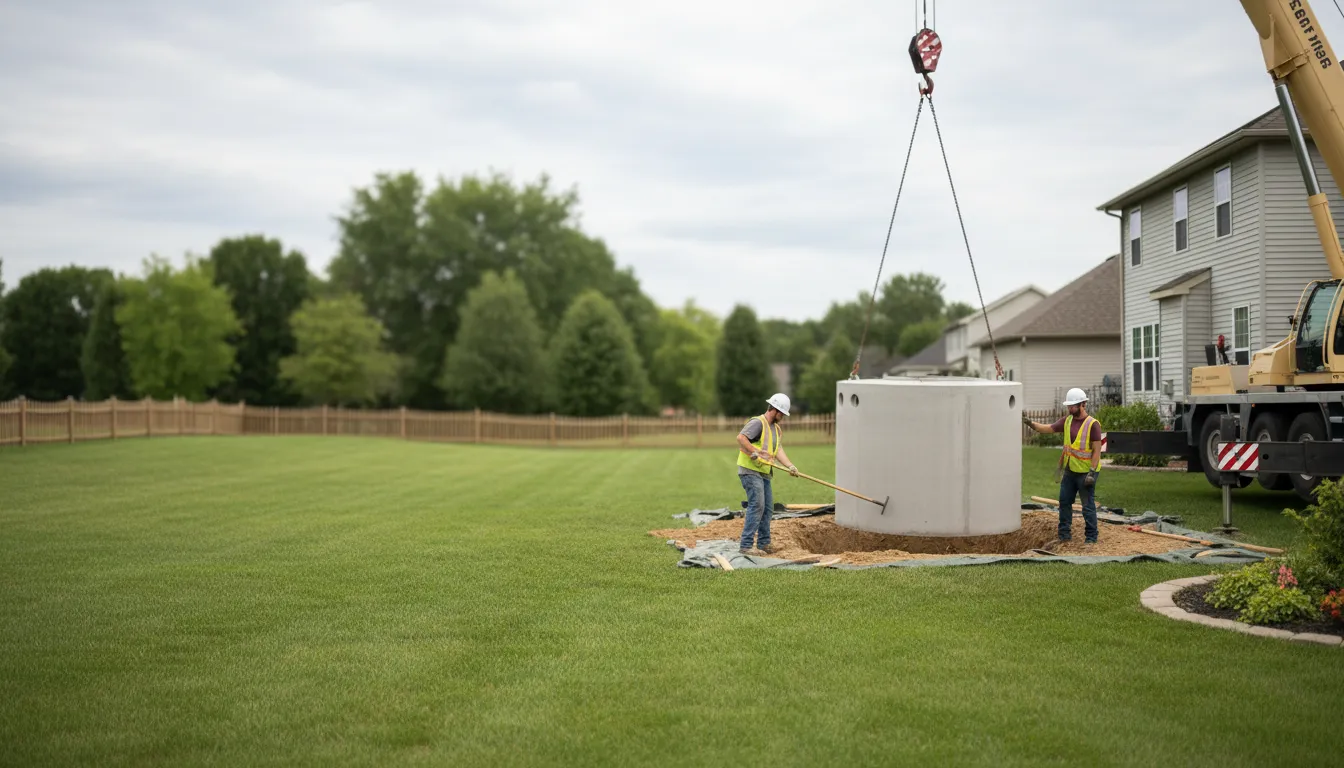
Find the Best Septic Tank Installation & Replacement Contractors for Your Business
No obligation • Fast responses • Nationwide coverage

Why you can trust Septic Spot
Septic Spot is a leading United States resource for understanding and comparing septic services. Our editors review providers using consistent criteria and verify key business details. Listings and scores are independent, and companies cannot pay to influence our content.
Search providers near you
Top Septic Tank Installation & Replacement Contractors in North Little Rock, Arkansas Ranked
Installing or replacing a septic system is a significant investment in your property's long-term functionality and environmental health. For homes in North Little Rock not connected to municipal sewer lines, a properly designed and permitted onsite wastewater system is essential. This guide explains the local process, requirements, and key considerations for septic tank installation and system replacement, helping you understand what to expect and how to connect with qualified local professionals.
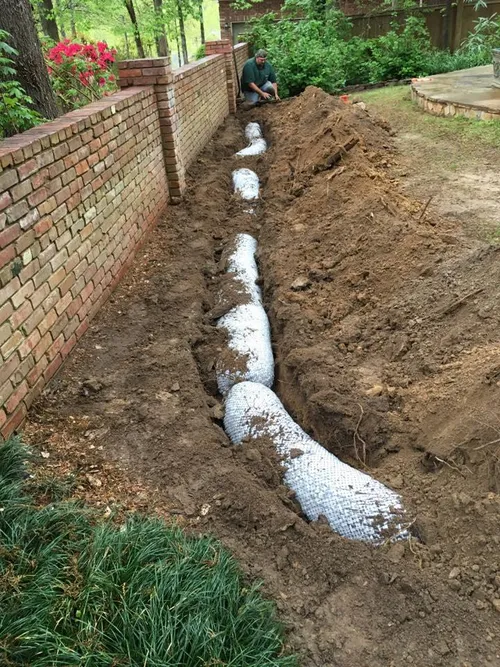
Mandy's Septic Solutions
Little Rock, AR
Mandy's Septic Solutions provides septic system installation, repair, and pumping services in Little Rock, AR, and Cabot. They also offer perc testing to support proper wastewater disposal for homes and businesses. With over six years serving the area and a lead contractor who has more than 20 years of industry experience, Mandy's Septic Solutions is licensed and insured to handle various septic system needs. The company offers 24/7 availability for septic system services.
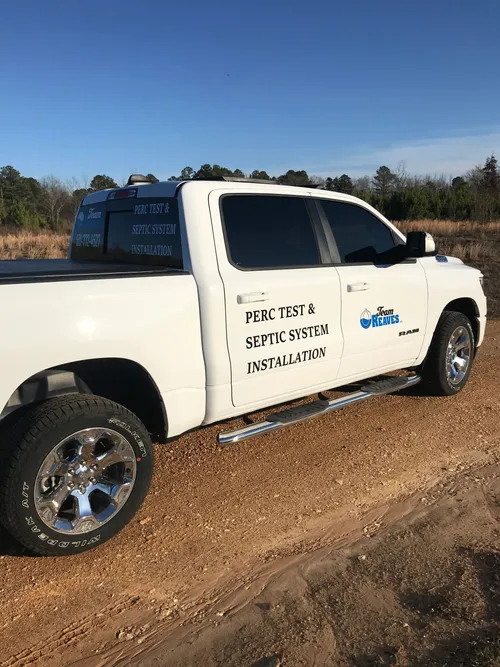
Team Reaves LLC Perc Tests & Septic Systems
5900 Detonti Rd, Bauxite, AR 72011
Team Reaves LLC Perc Tests & Septic Systems is a septic tank installation contractor based in Little Rock, AR. The company specializes in performing percolation tests and installing septic systems, with services tailored to support home construction projects. Licensed by the State of Arkansas, Jason, the lead representative, brings over 30 years of experience in underground utilities to the business. Team Reaves provides septic system installation based on soil absorption rates determined by perc tests, ensuring systems are properly designed for each property. The company focuses on timely work while considering weather conditions.

Clear Flow
Little Rock, AR
Clear Flow is a septic system repair and installation company based in Little Rock, AR. They specialize in percolation testing and septic system services for clients in Little Rock and surrounding Arkansas communities. With over 29 years of experience since 1984, Clear Flow focuses on quality installation and maintenance of septic systems, aiming for long-lasting and efficient solutions. The company serves multiple local areas including Austin, Jacksonville, Cabot, and Conway, among others.
Understanding Septic System Installation in Arkansas
A septic system installation, often referred to as an onsite wastewater system, is more than just burying a tank. It's a multi-stage process governed by state and local health regulations to protect groundwater and public health. In North Little Rock and throughout Pulaski County, the Arkansas Department of Health (ADH) is the primary permitting authority. All new installations and major replacements must follow a strict protocol involving soil evaluation, professional design, licensed installation, and final inspection. Navigating these steps successfully requires working with certified local experts who understand the specific requirements for our region's soil types and lot sizes.
The Permitting Process with the Pulaski County Health Department
Your first official step is engaging with the local permitting authority. For North Little Rock properties, this means contacting the Pulaski County Health Department to speak with an Onsite Environmental Specialist. Arkansas uses a two-part permit system for septic work:
- Permit for Construction: This is your approval to begin building the system. It is based on a reviewed system design and is valid for one year.
- Permit for Operation: This final permit is issued only after the installed system passes a final inspection, confirming it was built according to the approved plans.
Permits are issued based on your property's specific conditions, including soil quality, lot size, and the home's bedroom count (which determines wastewater flow estimates) 1. It's crucial to note that if your property is within North Little Rock city limits, you must also check local zoning ordinances, as connection to municipal sewer may be required if it is available 1 2.
The Critical Role of Soil Testing and System Design
Before any plans are drawn, a mandatory soil percolation (perc) test must be conducted 3. This test determines the soil's absorption rate, which is the single most important factor in designing a functional drain field. The test must be performed by a state-authorized Designated Representative, who evaluates soil conditions and uses the results to determine the appropriate type and size of the wastewater system.
The design created by this professional becomes the blueprint for your permit application and the subsequent installation. This ensures the septic tank and drain field are sized and situated correctly for your property's long-term waste treatment needs.
Working with Licensed Installation Professionals
In Arkansas, only installers licensed by the ADH under Act 402 are legally permitted to install septic systems 4. Hiring a licensed installer is non-negotiable for obtaining your Operation Permit. These professionals:
- Submit the construction permit application with the approved design.
- Schedule and coordinate required inspections during construction.
- Ensure all materials and construction methods meet state code.
- Notify the ADH authorized agent when the system is ready for its final inspection.
The installer is responsible for building the system exactly as designed. Inspections can occur during any phase of construction, with the final inspection verifying compliance before the system is covered.
Cost Considerations for Septic System Installation
The total cost for a new septic system or a full system replacement in North Little Rock varies widely based on system type, soil conditions, and tank capacity. General price ranges for the system itself (excluding permits, design, and excavation) are:
- Single-Tank System: Typically between $2,000 and $3,500.
- Two-Tank or Advanced System: Often ranges from $3,000 to over $5,000.
Permit fees are separate. The ADH charges a base fee (e.g., $30 for alterations/repairs), with higher fees for larger or more complex systems 5 6. Remember, the most cost-effective system is one that is properly designed and installed from the start, avoiding costly failures and repairs down the line.
Find the perfect septic tank installation & replacement contractors for your needs
Get personalized recommendations and expert advice
Inspection and Final Approval
The final hurdle is the inspection process leading to your Permit for Operation. After the licensed installer completes the work and notifies the health department, an ADH-authorized agent will visit your property. This inspector compares the installed components-the tank, distribution box, and drain field-against the approved construction plans 7. Only after this inspection is passed will you receive the final operating permit, legally allowing you to use the new septic system. Keeping clear records of this permit, the as-built design, and inspection reports is vital for future maintenance and if you ever sell your property.
Planning for System Replacement
Replacing a failing septic system follows largely the same process as a new installation. The need for replacement is often triggered by persistent drain field failure, major tank structural damage, or changes in home capacity (like adding bedrooms). The same soil evaluation and permitting steps apply. A key advantage during a replacement is that existing site history is known, though soil conditions may have changed, necessitating a new perc test. Working with a professional who can diagnose the failure cause is essential to ensure the new system design addresses the root problem.
Choosing the Right System Type for Your Property
Not all septic systems are the same. The standard conventional system with a drain field is common, but your property's soil percolation rate may require an alternative:
- Conventional System: Used in soils with good absorption.
- Chamber System: Uses plastic chambers in the drain field, often good for areas with high water tables.
- Aerobic Treatment Unit (ATU): Uses oxygen to break down waste more thoroughly, suitable for poor soils or smaller lots.
- Sand Filter System: A layered filter for treatment before effluent reaches the soil.
Your ADH-authorized Designated Representative will recommend the system type that is both compliant and most effective for your specific land characteristics 8 9.
Maintenance Begins at Installation
A well-installed system is the foundation for easy maintenance. During installation, ensure the installer clearly marks the location of the tank access lids and the distribution box. Request a detailed "as-built" diagram showing the exact layout of all components. This information is invaluable for future pumping, inspections, and any landscaping or construction projects on your property. Establishing a regular pumping schedule (typically every 3-5 years) from the very start is the best way to protect your investment and avoid premature system failure.
Frequently asked questions
Sources
Footnotes
-
Arkansas Septic License & Certification | 2024 Contractor Guide - https://www.servicetitan.com/licensing/septic/arkansas ↩ ↩2
-
Arkansas Department of Health Environmental Health Protection - https://www.adeq.state.ar.us/downloads/webdatabases/permitsonline/npdes/permitinformation/arg550382_plans%20&%20specs_20110608.pdf ↩
-
Property Owner Septic System Permit Information Sheet - https://www.adeq.state.ar.us/downloads/webdatabases/permitsonline/npdes/permitinformation/arg550320c_health%20department%20documents_20091202.pdf ↩
-
Septic Regulations in Arkansas - https://irp.cdn-website.com/90f0e035/files/uploaded/Septic%20Regulations%20in%20Arkansas.pdf ↩
-
How Much Does a Septic System & Septic Tank Cost - NexGen Septics - https://www.nexgenseptics.com/septic-system-cost/ ↩
-
ARKANSAS STATE BOARD OF HEALTH - https://arkleg.state.ar.us/Home/FTPDocument?path=%2FAssembly%2FMeeting+Attachments%2F040%2F5081%2FD.21e+DOH+EHS+Rules+Pertaining+to+Onsite+Wastewater+Systems+and+Relevant+Acts.pdf ↩
-
Rules Pertaining to Onsite Wastewater - Arkansas Secretary of State - https://www.sos.arkansas.gov/uploads/rulesRegs/Arkansas%20Register/2012/July12Reg/007.04.12-002.pdf ↩
-
Arkansas Septic System Requirements - National Tank Outlet - https://www.ntotank.com/blog/arkansas-septic-system-requirements ↩
-
Residential Onsite Wastewater Treatment: Conducting a Soil Percolation Test - https://extensionpubs.unl.edu/publication/g1472/2011/html/view ↩