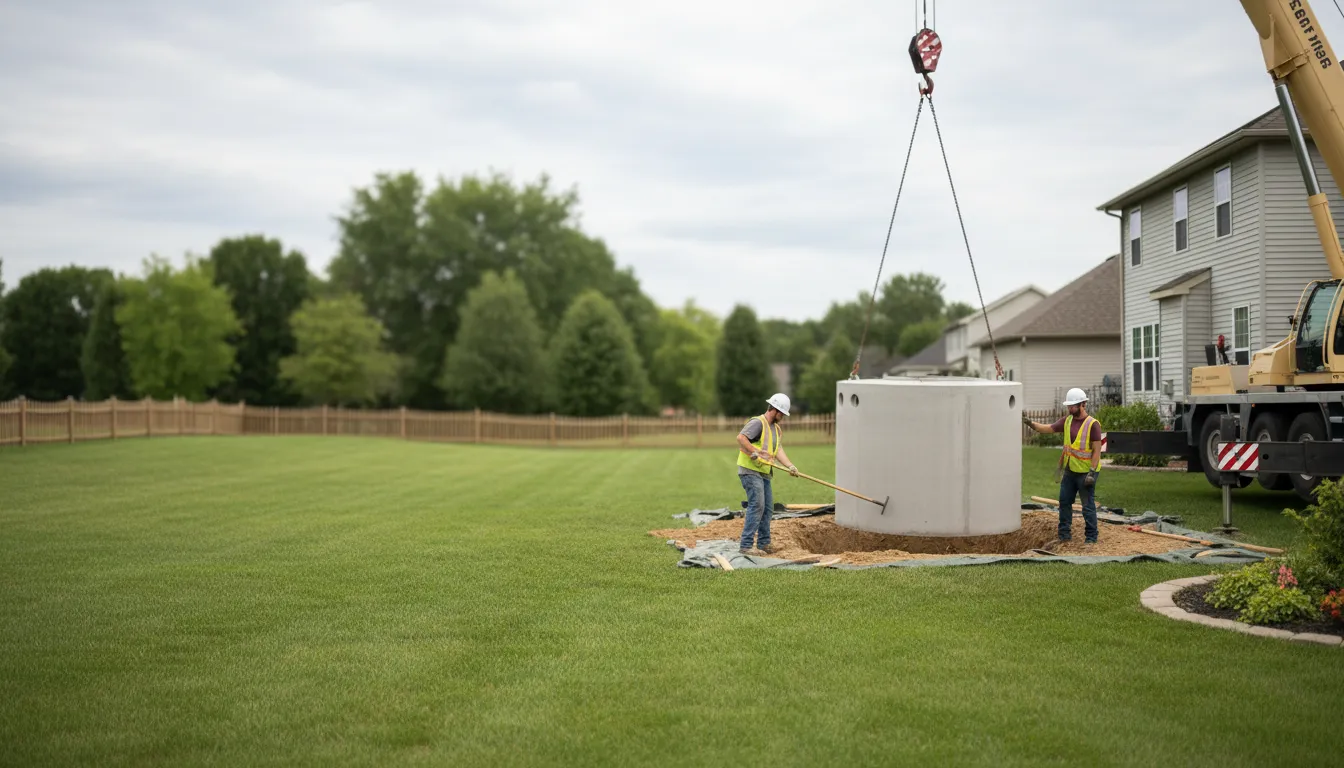
Find the Best Septic Tank Installation & Replacement Contractors for Your Business
No obligation • Fast responses • Nationwide coverage

Why you can trust Septic Spot
Septic Spot is a leading United States resource for understanding and comparing septic services. Our editors review providers using consistent criteria and verify key business details. Listings and scores are independent, and companies cannot pay to influence our content.
Search providers near you
Top Septic Tank Installation & Replacement Contractors in Ankeny, Iowa Ranked
Installing or replacing a septic system is a significant investment in your Ankeny property's long-term functionality and value. This process involves navigating specific local regulations, obtaining permits, and working with certified professionals to ensure your wastewater treatment system is safe, efficient, and compliant. This guide explains the key steps, rules, and considerations for septic system installation and replacement in Ankeny, helping you understand what to expect and how to connect with qualified local specialists for your project.
Septic Services Of Iowa
Cedar Rapids, IA
Septic Services Of Iowa is a septic tank pumping, inspection, repair, and installation company based in Cedar Rapids, IA. They provide services including septic system inspections required by Iowa's Time of Transfer program, excavation work such as septic tank replacement and water line repairs, and regular septic tank pumping to maintain system longevity. The company is certified by the Iowa Onsite Waste Water Association and the National Environmental Health Association, ensuring compliance with state standards. Their services help protect public health and the environment by addressing failing or illegal septic systems.
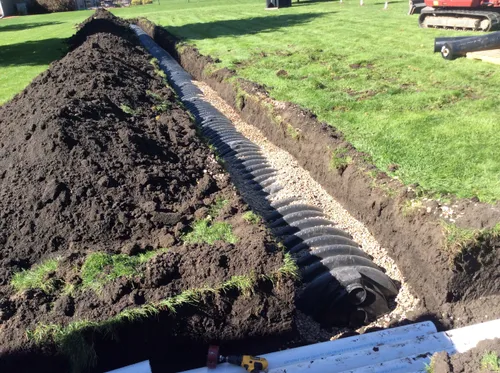
Rogers Septic Maintenance & Repair
6288 NE 14th St, Des Moines, IA 50313
Rogers Septic Maintenance & Repair is a septic system repair and installation company based in Des Moines, IA. They provide services including septic tank installation and system repairs, focusing on clear communication and respectful customer interactions. The company is known for its attention to detail and professional approach to septic system projects.
Forest Septic Environmental Services LLC
Des Moines, IA
Forest Septic Environmental Services LLC is a septic tank installation contractor based in Des Moines, IA. They provide septic system installation services with a focus on clear communication and attention to detail. The company is recognized for its courteous and professional approach during installations, ensuring customer comfort and satisfaction throughout the process.
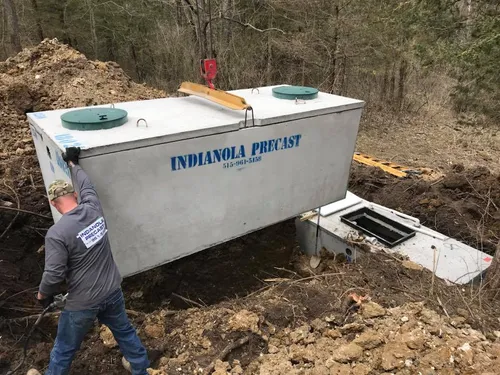
Indianola Precast Concrete
1110 N 14th St, Indianola, IA 50125
Indianola Precast Concrete is a septic tank installation contractor based near Des Moines, IA. The company specializes in providing precast concrete septic tanks and offers delivery services within a 60-mile radius. Their operations focus on manufacturing and delivering septic tanks to support installation projects in the region.
Understanding Local Septic System Regulations
In Ankeny, all private sewage disposal system work is governed by Polk County and the State of Iowa. The primary regulatory framework is the Iowa Administrative Code (IAC) Chapter 69. Before a shovel hits the ground, you must have a permit approved by the Polk County sanitarian. This rule applies to both new installations and the replacement of failing systems. Furthermore, Iowa law mandates that only state-certified installers can perform the actual construction work. This certification ensures the professional has the necessary training on state design standards and proper installation techniques.
A critical regulation for homeowners is the "Time of Transfer" inspection requirement. If you are selling a property with a septic system in Iowa, it must be inspected by a DNR-certified inspector before the sale is finalized 1. This protects both the buyer and seller by confirming the system's condition. For new installations, the design must meet specific capacity standards; for example, a standard three-bedroom home requires a minimum 1,250-gallon septic tank 2.
The Pre-Installation Site Evaluation Process
The first technical step toward a new septic system is a thorough site evaluation conducted by a certified professional. This evaluation is mandatory for permit approval and determines the feasibility and design of your system. The core of this assessment is understanding your property's soil.
A soil percolation test (or "perc test") or an analysis of soil borings is performed to measure the soil's absorption rate-how quickly water drains through it 3. Iowa regulations are specific: if the soil drains too quickly (faster than 1 minute per inch) or too slowly (slower than 60 minutes per inch), a standard conventional drain field may not be suitable 4. In such cases, an alternative or engineered septic system design, which might include pumps, sand filters, or advanced treatment components, will be necessary. This evaluation directly impacts both the system design and the overall project cost.
Septic System Design Standards and Sizing
Your system's design is not one-size-fits-all. It is engineered based on the site evaluation results and your home's specific needs. Iowa's IAC Chapter 69 provides the baseline design standards 5. Sizing is primarily based on the number of bedrooms in a home, which serves as a proxy for daily wastewater flow.
- Tank Capacity: A three-bedroom home requires a minimum 1,250-gallon septic tank. This requirement scales up, with a five-bedroom home needing a 1,750-gallon tank 6.
- Drain Field Sizing: The size of the absorption field (leach field) is calculated using the results from the soil percolation test. Slower-draining soils require a larger drain field area to handle the same amount of effluent.
- Alternative Systems: For sites with high water tables, poor soil, or limited space, alternative systems like mound systems, aerobic treatment units (ATUs), or peat filters may be the only viable, code-compliant solution 7.
Find the perfect septic tank installation & replacement contractors for your needs
Get personalized recommendations and expert advice
The Installation and Inspection Timeline
Once the permit is in hand, the certified installer can begin construction. The installation process itself is subject to multiple mandatory inspections by the county sanitarian to ensure it matches the approved plans and meets code.
- Pre-Construction: The site is staked according to the approved design plans.
- Excavation & Placement: The tank and drain field trenches are excavated. The septic tank (often concrete, plastic, or fiberglass) is set in place and leveled.
- Open Tank/Trench Inspection: This is a critical inspection point. Before the tank or drain field components are covered, the county sanitarian must visit the site to inspect the tank's integrity, the pipe connections, and the gravel bed in the trenches 8.
- Backfilling and Final Grading: After passing the open inspection, the installer can backfill the excavations and grade the land to direct surface water away from the system area.
- Final Inspection: A final inspection is conducted by the administrative authority to grant overall approval for the system to be placed into service 9.
Cost Considerations for Ankeny Homeowners
The cost of a septic system installation or replacement in Ankeny varies widely based on system type, site conditions, and size. It's important to budget for both professional services and permit fees.
- Permit Fees: Permit fees in Iowa counties typically range from $250 to $400 10.
- Installation Costs: A standard conventional septic system for a typical home often falls in the range of $5,000 to $15,000 or more 11 12. This estimate can increase significantly if your site requires an alternative system, a pump to move effluent, extensive excavation, or special handling of rocky or difficult soil.
- Additional Costs: Don't forget to budget for the initial site evaluation and soil testing. Also, if you are selling your home, a Time of Transfer inspection typically costs between $300 and $500 13.
Maintaining Your New Septic System
A properly installed system is the foundation, but long-term care is essential. Regular pumping (typically every 3-5 years), water conservation, and avoiding flushing harmful chemicals or non-biodegradable materials will protect your investment and prevent premature system failure. Keeping detailed records of inspections, pumping, and repairs is also wise, especially for future real estate transactions.
Frequently asked questions
Sources
Footnotes
-
Time of Transfer - Environmental Health - Jackson County, Iowa - https://jacksoncounty.iowa.gov/environmental_health/time_of_transfer/ ↩
-
Private Sewage Disposal Systems - Iowa Waste Reduction Center - https://iwrc.uni.edu/environmental-assistance/regulatory-information/septic-tanks ↩
-
Clarke County, Iowa - https://clarkecounty.iowa.gov/wp-content/uploads/2017/12/Chapter-1-Septic-Rules-and-Regulations.pdf ↩
-
How to Know if You Need a Septic System Permit - Pippin Home Designs - https://www.pippinhomedesigns.com/septic-system-permit/ ↩
-
Private Sewage Disposal and Septage - Iowa DNR - https://www.iowadnr.gov/environmental-protection/water-quality/private-sewage-disposal-and-septage ↩
-
Septic-System-Permitting-In-Warren-County- ... - https://www.warrencountyia.gov/wp-content/uploads/2025/06/Septic-System-Permitting-In-Warren-County-Updated.pdf ↩
-
Septic Installation Tips & Best Practices You Should Know - https://www.rciseptic.com/understanding-septic-installations-key-tips-and-best-practices ↩
-
Iowa Administrative Bulletin Component Document - https://www.legis.iowa.gov/docs/aco/bulletincontent/09-04-2024.Regulatory%20Analysis_1724100640986.pdf ↩
-
A Guide to Septic System Permits and Regulations | Express Septic - https://septicsystempumping.com/a-guide-to-septic-system-permits-and-regulations/ ↩
-
Introduction to Septic Permit - GeoPermits - https://permitting-api.schneidergis.com/home/StartWorkflowApplication?WorkflowId=cefe8216-929f-4f8b-8ef9-f9c364cd00c5 ↩
-
Iowa Septic Tank Requirements | Private Sewage Disposal ... - https://www.ntotank.com/blog/iowa-septic-tank-requirements ↩
-
IAC Chapter 69 Summary.pdf - Grundy County, Iowa - https://grundycountyiowa.gov/images/departments/environmental/pdf/documentation/IAC%20Chapter%2069%20Summary.pdf ↩
-
Septic System - Environmental Health - Iowa County, Iowa - https://iowacounty.iowa.gov/environmental_health/septic_systems/ ↩