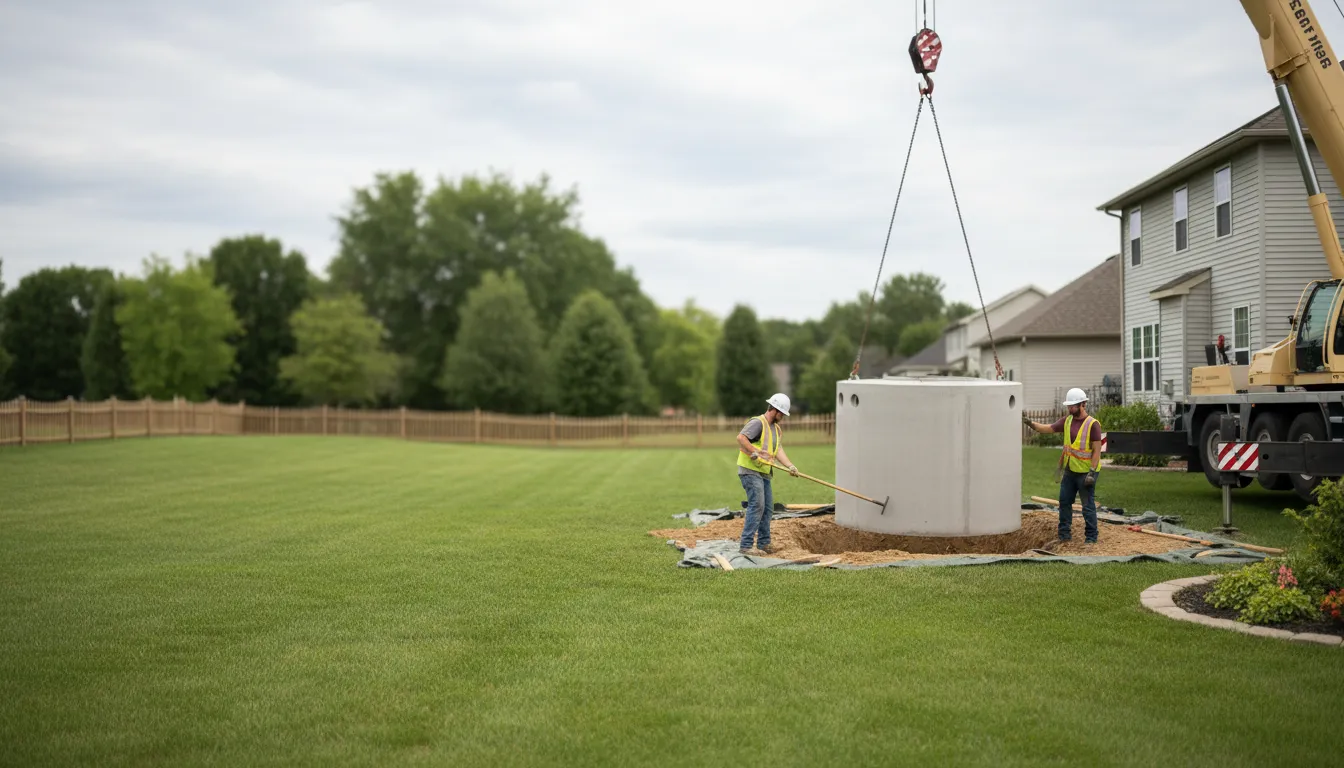
Find the Best Septic Tank Installation & Replacement Contractors for Your Business
No obligation • Fast responses • Nationwide coverage

Why you can trust Septic Spot
Septic Spot is a leading United States resource for understanding and comparing septic services. Our editors review providers using consistent criteria and verify key business details. Listings and scores are independent, and companies cannot pay to influence our content.
Search providers near you
Top Septic Tank Installation & Replacement Contractors in Des Moines, Iowa Ranked
Installing or replacing a septic system is a significant home improvement project that ensures the safe and effective treatment of household wastewater. In Des Moines, this process is governed by specific state and county regulations designed to protect public health and groundwater quality. This guide will help you understand the key steps, requirements, and considerations for a new septic system or a full system replacement in the Polk County area, connecting you with the certified professionals needed to navigate the process successfully.
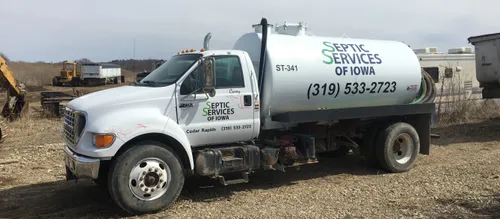
Septic Services Of Iowa
Cedar Rapids, IA
Septic Services Of Iowa is a septic tank pumping, inspection, repair, and installation company based in Cedar Rapids, IA. They provide services including septic system inspections required by Iowa's Time of Transfer program, excavation work such as septic tank replacement and water line repairs, and regular septic tank pumping to maintain system longevity. The company is certified by the Iowa Onsite Waste Water Association and the National Environmental Health Association, ensuring compliance with state standards. Their services help protect public health and the environment by addressing failing or illegal septic systems.
Rogers Septic Maintenance & Repair
6288 NE 14th St, Des Moines, IA 50313
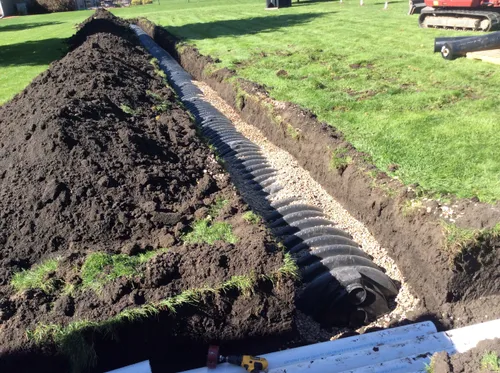
Rogers Septic Maintenance & Repair is a septic system repair and installation company based in Des Moines, IA. They provide services including septic tank installation and system repairs, focusing on clear communication and respectful customer interactions. The company is known for its attention to detail and professional approach to septic system projects.
Forest Septic Environmental Services LLC
Des Moines, IA
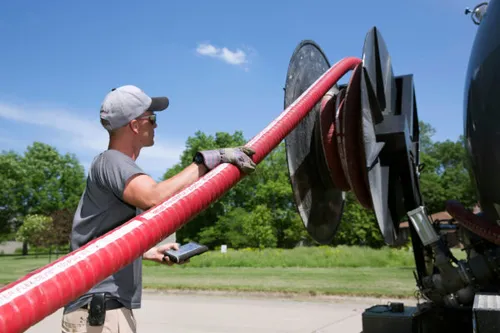
Forest Septic Environmental Services LLC is a septic tank installation contractor based in Des Moines, IA. They provide septic system installation services with a focus on clear communication and attention to detail. The company is recognized for its courteous and professional approach during installations, ensuring customer comfort and satisfaction throughout the process.
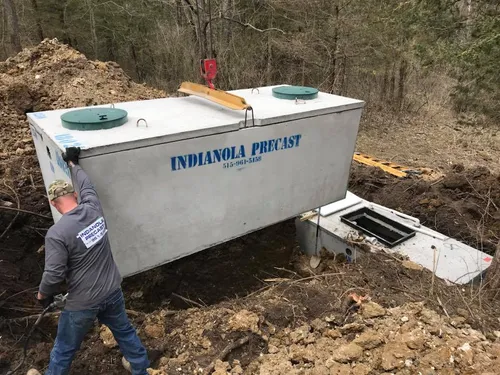
Indianola Precast Concrete
1110 N 14th St, Indianola, IA 50125
Indianola Precast Concrete is a septic tank installation contractor based near Des Moines, IA. The company specializes in providing precast concrete septic tanks and offers delivery services within a 60-mile radius. Their operations focus on manufacturing and delivering septic tanks to support installation projects in the region.
Understanding the Permit Process in Polk County
Before any digging begins, you must secure the proper approvals. In Des Moines and surrounding Polk County, all new installations and major replacements require a permit from the Polk County Public Works Department. This is not a mere formality; it's a mandatory step to ensure your planned system complies with Iowa Department of Natural Resources (DNR) codes.
The permit application initiates a formal review of your property and proposed system. Approved permits are typically valid for one calendar year from issuance, giving you a clear timeline for project completion. Failure to obtain a permit can result in fines and legal complications, especially during a property transfer, as a "time of transfer" inspection is required by Iowa law.
The Critical Role of Soil Evaluation
The most crucial technical step in planning a septic system is the soil evaluation. Iowa regulations require a soil analysis, most commonly a percolation test (or "perc test"), to determine the soil's ability to absorb and treat wastewater 1 2.
During a standard percolation test, holes are dug to the proposed depth of your drainage field. The sides and bottoms of these holes are carefully scratched to expose a natural soil surface, and loose material is removed 3. The rate at which water drains from these holes determines the soil's suitability and directly influences the size and type of system you can install. This test is the foundation of your system design and is a non-negotiable requirement for permit approval.
System Design and Iowa Code Compliance
Your system's design must adhere to Iowa Administrative Code Chapter 69, which outlines strict standards for private sewage disposal 4. These codes mandate specific separation distances from wells, property lines, and surface water to prevent contamination. The type of system you need is largely dictated by your soil evaluation results.
- Conventional Gravity Systems: These are the most common and cost-effective option for properties with suitable, well-draining soil.
- Engineered Systems: If your soil has a high water table, poor percolation, or limited space, a more complex engineered system (like a mound, at-grade, or pressure-dosed system) will be necessary. These systems involve pumps, sand filters, or elevated drain fields.
All septic tanks in Iowa must have access points (manholes or risers) at least 18 inches in dimension, typically located over the inlet and outlet, for future maintenance and pumping 5.
Find the perfect septic tank installation & replacement contractors for your needs
Get personalized recommendations and expert advice
Mandatory Inspections: Before and During Installation
You cannot simply install a system and cover it up. Iowa DNR rules require that all new or replacement systems be inspected by a certified professional before being backfilled 6. This critical inspection verifies that the installation matches the permitted design and meets all code requirements.
Key inspection points include the proper placement and leveling of the septic tank, the watertight integrity of all connecting sewer pipes, and the correct installation of the soil absorption system (drain field) 7. Scheduling this inspection is the responsibility of the homeowner or installer, and it is a mandatory step to receive final approval.
Understanding Costs and Timelines
The total cost for a septic system installation or replacement in Des Moines varies widely. A major factor is the permit fee, which for a standard residential installation can range approximately from $250 to $400 8 9.
The system cost itself is even more variable. A conventional gravity system for a standard home may cost several thousand dollars. However, if poor soil conditions necessitate an engineered system, the price can increase significantly due to the need for additional materials, pumps, and complex construction 10. It's essential to get detailed quotes from multiple licensed installers that include all costs: permitting, soil testing, design, excavation, materials, installation, and the final inspection.
Choosing a Licensed Installation Professional
Selecting the right contractor is paramount. Always choose an Iowa DNR-certified septic system installer. These professionals understand local soil conditions, are up-to-date on Polk County and state regulations, and can manage the permit and inspection process efficiently. They will ensure your system is not only installed correctly but is also legally compliant, protecting your investment and your property value.
Maintaining Your New System
Once your new septic tank and drain field are installed, proper maintenance is key to a long lifespan. This includes regular pumping (typically every 3-5 years), conserving water to avoid overloading the system, and avoiding flushing harmful chemicals or non-biodegradable materials. A well-maintained system can function effectively for decades.
Frequently asked questions
Sources
Footnotes
-
Private Sewage Disposal and Septage | Department of Natural Resources - https://www.iowadnr.gov/environmental-protection/water-quality/private-sewage-disposal-and-septage ↩
-
Private Wastewater Disposal System (Septic) Review & Permitting - https://www.dsm.city/Private_Wastewater_Disposal_System_%28Septic%29_Review_&_Permitting453.php ↩
-
APPENDIX B PERCOLATION TEST PROCEDURE - https://poweshiekcountyiowa.gov/files/sanitarian_zoning/percolation_test_procedure_85301.pdf ↩
-
CHAPTER 69 PRIVATE SEWAGE DISPOSAL SYSTEMS 567-69.1( ... - https://www.kossuthcounty.iowa.gov/wp-content/uploads/2025/01/IAC567-Chapter-69-Final-031809.pdf ↩
-
IAC Ch 69, p.1 567-69.8 (455B) Primary treatment-septic tanks ... - https://www.legis.iowa.gov/docs/iac/rule/07-11-2012.567.69.8.pdf ↩
-
Environmental Health Services - Polk County Iowa - https://www.polkcountyiowa.gov/public-works/planning-development/environmental-health-services/ ↩
-
Polk County Public Works - https://www.polkcountyiowa.gov/media/0d3pi004/2024-septic-system-permit-application.pdf ↩
-
Iowa Septic Tank Requirements | Private Sewage Disposal ... - https://www.ntotank.com/blog/iowa-septic-tank-requirements ↩
-
Introduction to Septic Permit - GeoPermits - https://permitting-api.schneidergis.com/home/StartWorkflowApplication?WorkflowId=cefe8216-929f-4f8b-8ef9-f9c364cd00c5 ↩
-
Septic Tank Installation Cost 2025 | What It Really Costs - https://www.blueribbonseptic.com/blog/septic-savings-how-much-does-a-new-septic-tank-installation-really-cost ↩