Find the Best Septic Tank Installation & Replacement Contractors for Your Business
No obligation • Fast responses • Nationwide coverage

Why you can trust Septic Spot
Septic Spot is a leading United States resource for understanding and comparing septic services. Our editors review providers using consistent criteria and verify key business details. Listings and scores are independent, and companies cannot pay to influence our content.
Search providers near you
Top Septic Tank Installation & Replacement Contractors in Council Bluffs, Iowa Ranked
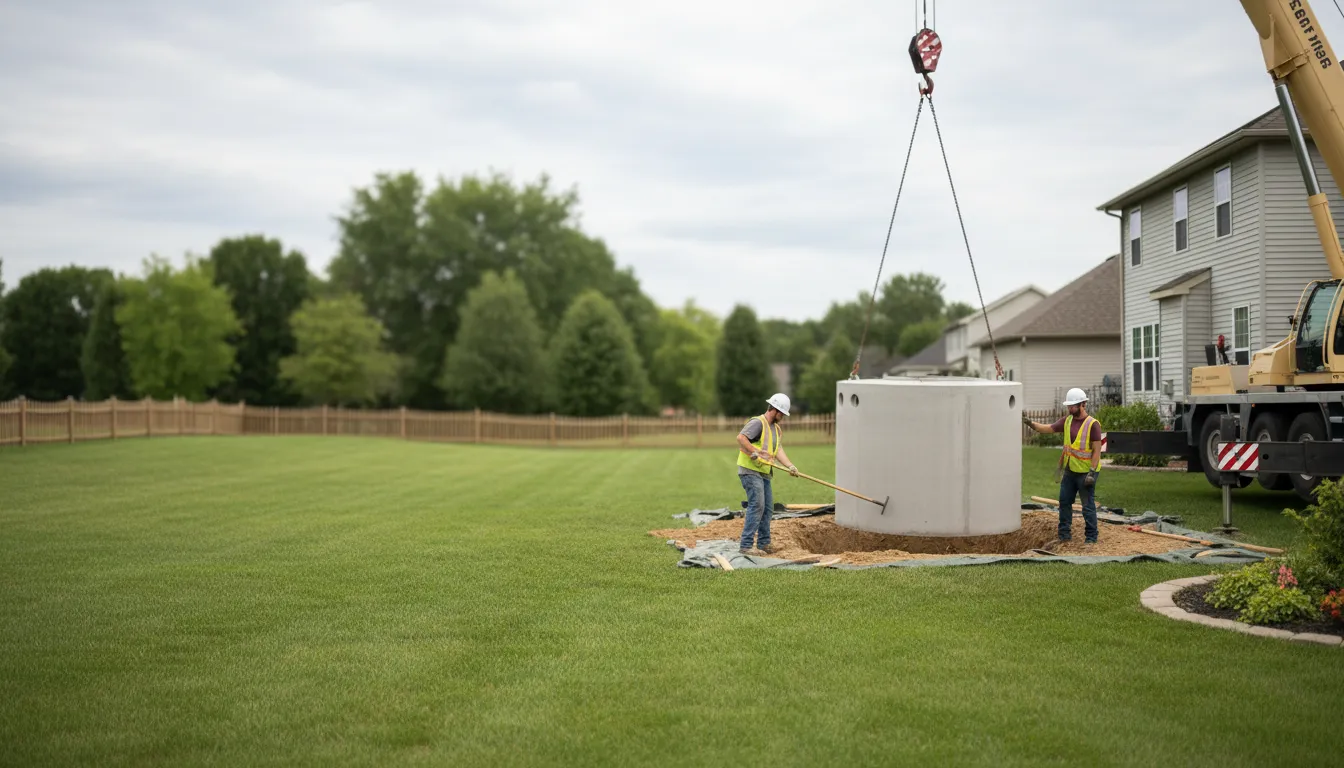
Installing or replacing a septic system is a significant home infrastructure project that ensures the safe and effective treatment of household wastewater. In Council Bluffs, this process is governed by specific county and state regulations designed to protect public health and the local environment. This guide provides a detailed overview of the steps, costs, and local requirements for septic system work, helping you navigate the process and connect with qualified, certified professionals in the area.
Midwest Septic & Excavating LLC
22377 Sumac Rd, Neola, IA 51559
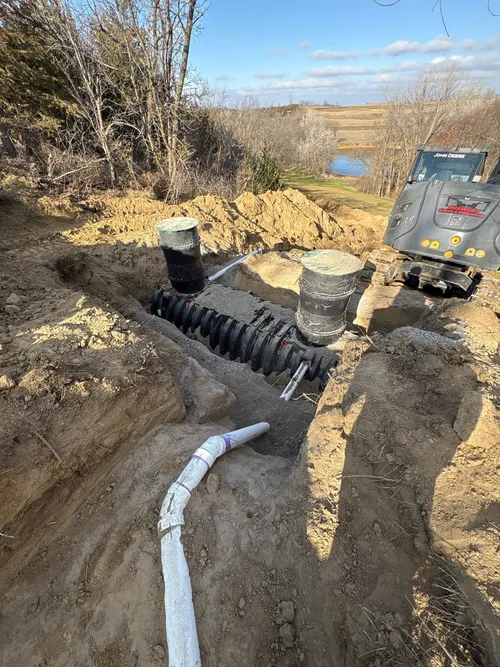
Midwest Septic & Excavating LLC is a septic system repair and installation company serving Omaha, NE, and the surrounding Council Bluffs, IA area. Established in 2021, the company offers septic system installation, including EcoFlo systems, septic repairs, and excavation services such as trenching and site preparation. Their certified experts handle both new and existing home septic projects with a focus on quality workmanship.

Norm's Pumping Service Inc
20418 Husker Ln, Council Bluffs, IA 51503
Norm's Pumping Service Inc provides septic system services including pumping, inspections, repairs, and installations in Omaha, NE. With over 70 years of experience since 1954, they serve both residential and commercial clients. Their capabilities include septic pump repairs and certified septic tank inspections, as well as grease trap maintenance to prevent sewer line clogs. Norm's offers emergency and routine septic pumping to help maintain system performance.
Understanding Local Regulations and Permits
Before any digging begins, the first and most critical step is understanding the regulatory landscape. In Council Bluffs and all of Pottawattamie County, septic system installation and replacement are strictly regulated. All new systems, replacements, and major modifications require a permit issued by the Pottawattamie County Public Health Department. This process ensures that every system is designed and built to meet Iowa Department of Natural Resources (DNR) standards, specifically under Iowa Administrative Code 567-Chapter 691 2.
Failing to obtain the proper permits can result in costly fines, orders to remove a non-compliant system, and complications when you eventually sell your property. Iowa law mandates a septic system inspection during the transfer of property ownership, so having a permitted and certified system is essential for a smooth real estate transaction3.
The Step-by-Step Installation & Replacement Process
A successful septic system project follows a defined sequence. Here is a breakdown of the typical process for Council Bluffs homeowners.
1. Site Evaluation and Soil Testing
You cannot design a system without first understanding the land it will serve. A licensed professional must conduct a comprehensive site evaluation. This often includes a percolation test (or "perc test") and deep soil borings, typically to a depth of at least six feet 4. These tests determine the soil's absorption rate, the depth to bedrock or water table, and the overall suitability of the site for a subsurface wastewater system. The results directly dictate the type and size of the system you can install.
2. System Design and Permit Application
Using the data from the site evaluation, a certified designer or installer will create a detailed system plan. This design must be submitted to Pottawattamie County Public Health for review and approval before a permit is issued. The design will specify the tank size, the type of drainage field (e.g., conventional gravity, pressure distribution, or alternative aerobic system), and all other components.
3. Hiring a Certified Installer
Iowa state law requires that the physical installation of a septic system be performed by a contractor who is CIOWTS-certified (Certified Iowa Onsite Wastewater Treatment System Specialist) and properly bonded. This certification is your assurance that the professional understands the complex state and local codes. Always verify a contractor's certification status before signing a contract.
4. Installation and Critical Inspections
Once the permit is in hand and a certified installer is scheduled, the construction phase begins. The county mandates specific inspections at key stages before work can proceed5 6:
- Open Excavation Inspection: After the tank and drainage field trenches are dug but before any components are buried, a county environmental health specialist must inspect the layout, materials, and construction.
- Final Inspection: After the system is fully installed but still exposed, a final inspection ensures everything matches the approved design and meets all code requirements.
Only after passing the final inspection will the county issue a certificate of completion, and the installer can backfill the excavations.
Find the perfect septic tank installation & replacement contractors for your needs
Get personalized recommendations and expert advice
Cost Factors for Septic Systems in Council Bluffs
The cost of a septic system installation or replacement in Council Bluffs is highly variable. While a simple gravity-fed system for a small home might start around $2,000 to $5,000, more complex situations can drive costs to $15,000 or more 7. Several key factors influence the final price:
- Soil Conditions: Poorly draining soil (clay) or a high water table may require a more expensive alternative system, like a raised sand mound or an aerobic treatment unit (ATU), instead of a standard gravity system.
- System Type and Size: The size of your home (number of bedrooms) determines the required tank and drain field size. Aerobic systems cost more to install and maintain than conventional anaerobic systems.
- Component Costs: The septic tank itself is a major component, with prices typically ranging from $500 to $2,000 or more depending on material (concrete, plastic, fiberglass) and capacity8.
- Labor and Site Work: Extensive excavation, landscaping, and the removal of an old system add significant labor costs. The requirement to use only state-certified installers also supports professional labor pricing.
When is Septic System Replacement Necessary?
Understanding when to replace, rather than repair, your system can prevent environmental hazards and property damage. Consider replacement if you experience:
- Frequent backups or surfacing sewage in the yard, indicating drain field failure.
- Persistent soggy ground or foul odors near the drain field, even after pumping.
- An outdated system made of failing materials (e.g., steel tanks that corrode).
- A failed inspection during a property sale.
- Major home additions that increase the number of bedrooms and exceed your existing system's capacity.
Maintaining Your New Septic System
A properly installed system is a long-term investment that can last decades with proper care. Key maintenance includes:
- Regular Pumping: Have the tank pumped every 3-5 years by a licensed septage hauler.
- Water Conservation: Spread out laundry loads and fix leaks to avoid overwhelming the drain field.
- Mindful Flushing: Only human waste and toilet paper should go down the drain. Avoid chemicals, grease, and non-biodegradable items.
- Protect the Drain Field: Never drive or park vehicles over it, and keep roof drains and sump pumps directed away from the area.
Frequently asked questions
Sources
Footnotes
-
Iowa Code agency 567, tit. IV, ch. 69, app B | State Regulations - LII - https://www.law.cornell.edu/regulations/iowa/Iowa-Code-agency-567-tit-IV-ch-69-app-B ↩
-
Private Sewage Disposal and Septage | Department of Natural Resources - https://www.iowadnr.gov/environmental-protection/water-quality/private-sewage-disposal-and-septage ↩
-
Septic Tank Inspections | Council Bluffs, IA - Sewer - https://www.sewerspecialistllc.com/reliable-septic-tank ↩
-
Septic | Environmental Health - Cedar County, Iowa - https://cedarcounty.iowa.gov/environmental_health/septic/ ↩
-
Septic Systems - Pottawattamie County Public Health - https://www.pottcounty-ia.gov/public_health/septic_systems/ ↩
-
Iowa Septic Tank Requirements | Private Sewage Disposal ... - https://www.ntotank.com/blog/iowa-septic-tank-requirements ↩
-
Septic System - Environmental Health - Iowa County, Iowa - https://iowacounty.iowa.gov/environmental_health/septic_systems/ ↩
-
How Much Does a Septic System & Septic Tank Cost - NexGen Septics - https://www.nexgenseptics.com/septic-system-cost/ ↩