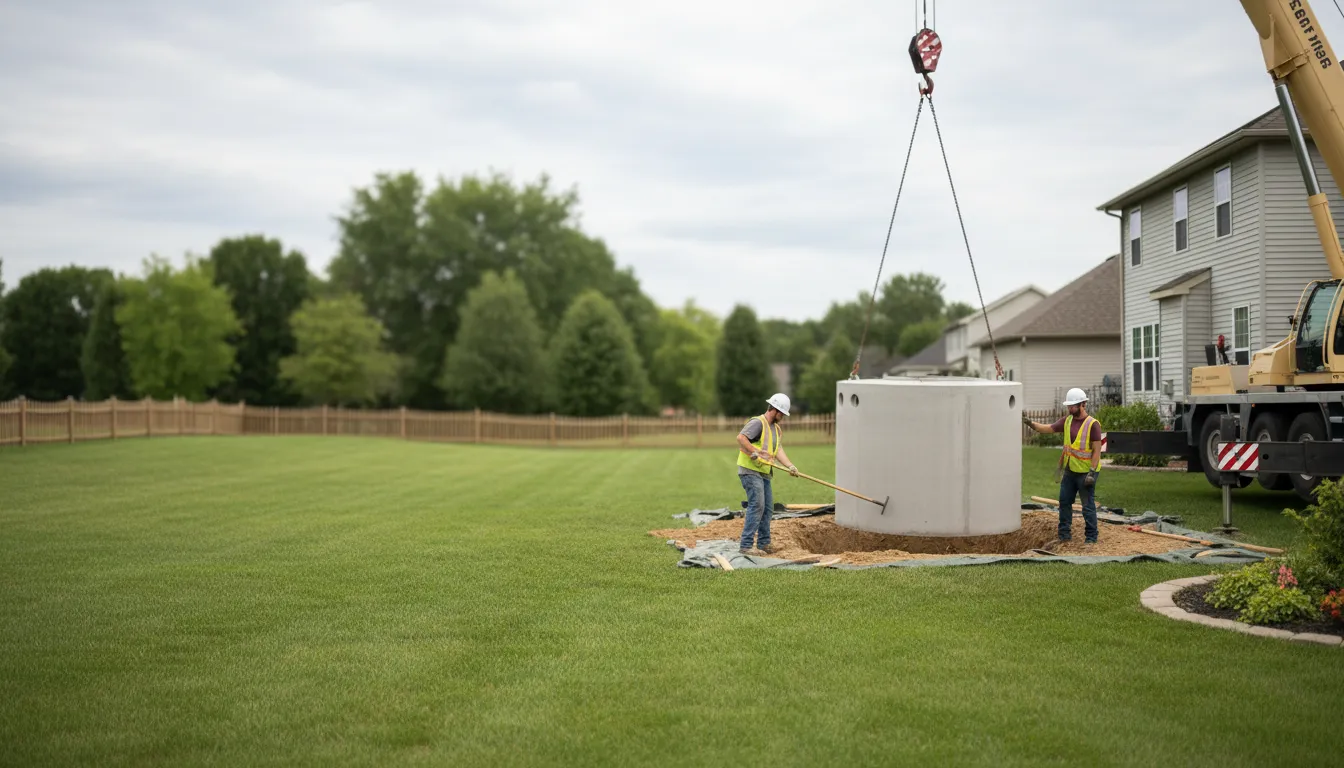
Find the Best Septic Tank Installation & Replacement Contractors for Your Business
No obligation • Fast responses • Nationwide coverage

Why you can trust Septic Spot
Septic Spot is a leading United States resource for understanding and comparing septic services. Our editors review providers using consistent criteria and verify key business details. Listings and scores are independent, and companies cannot pay to influence our content.
Search providers near you
Top Septic Tank Installation & Replacement Contractors in Urbandale, Iowa Ranked
Installing or replacing a septic system is a significant investment in your property's long-term functionality and environmental health. For homes in Urbandale not connected to municipal sewer lines, a properly designed and permitted septic system is essential for safely managing household wastewater. This guide explains the local process, regulations, and key considerations to help you navigate your project with confidence and connect with qualified local professionals.
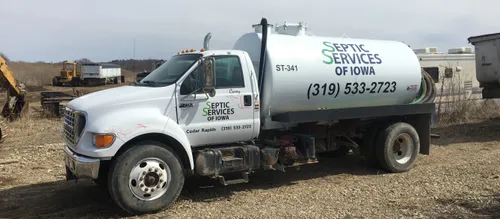
Septic Services Of Iowa
Cedar Rapids, IA
Septic Services Of Iowa is a septic tank pumping, inspection, repair, and installation company based in Cedar Rapids, IA. They provide services including septic system inspections required by Iowa's Time of Transfer program, excavation work such as septic tank replacement and water line repairs, and regular septic tank pumping to maintain system longevity. The company is certified by the Iowa Onsite Waste Water Association and the National Environmental Health Association, ensuring compliance with state standards. Their services help protect public health and the environment by addressing failing or illegal septic systems.
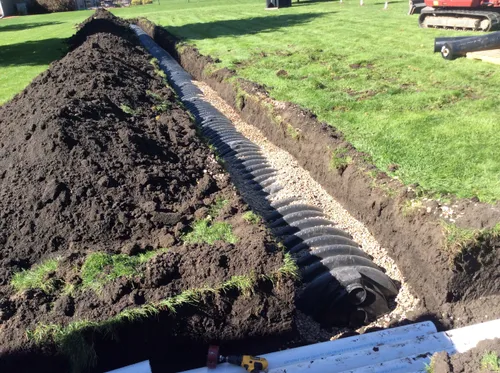
Rogers Septic Maintenance & Repair
6288 NE 14th St, Des Moines, IA 50313
Rogers Septic Maintenance & Repair is a septic system repair and installation company based in Des Moines, IA. They provide services including septic tank installation and system repairs, focusing on clear communication and respectful customer interactions. The company is known for its attention to detail and professional approach to septic system projects.
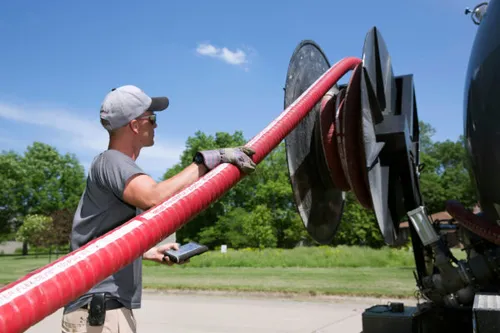
Forest Septic Environmental Services LLC
Des Moines, IA
Forest Septic Environmental Services LLC is a septic tank installation contractor based in Des Moines, IA. They provide septic system installation services with a focus on clear communication and attention to detail. The company is recognized for its courteous and professional approach during installations, ensuring customer comfort and satisfaction throughout the process.
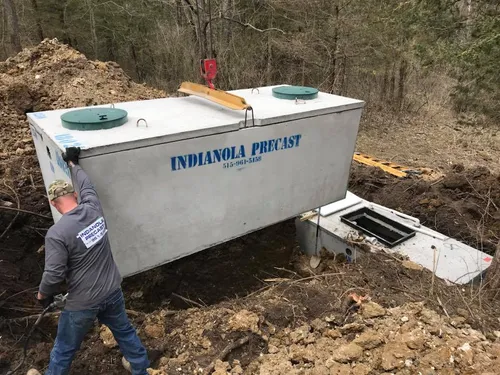
Indianola Precast Concrete
1110 N 14th St, Indianola, IA 50125
Indianola Precast Concrete is a septic tank installation contractor based near Des Moines, IA. The company specializes in providing precast concrete septic tanks and offers delivery services within a 60-mile radius. Their operations focus on manufacturing and delivering septic tanks to support installation projects in the region.
Understanding Septic System Basics in Iowa
A septic system is an on-site wastewater treatment system, typically consisting of a septic tank and a soil absorption field (often called a leach field or drain field). The tank separates solids from liquids, allowing clarified effluent to flow into the drain field, where it is further treated by the soil. In Urbandale and throughout Polk County, these systems are regulated to protect groundwater and public health. The rules governing private sewage disposal are established by the Iowa Department of Natural Resources (DNR) and enforced locally. Whether you're building a new home, replacing a failing system, or upgrading an old one, understanding these regulations is the first critical step.
The Urbandale and Polk County Permit Process
You cannot begin any new septic tank installation or system replacement without first obtaining the proper permits. This process is administered by the Polk County Public Works department in accordance with Iowa DNR guidelines.
Key steps in the permit application include:
- Site Evaluation and Soil Testing: A certified professional must conduct a thorough site assessment. This includes soil percolation (perc) tests to determine the rate at which water drains through your soil and an evaluation of soil type and groundwater depth. These results directly dictate the size and type of system required.
- System Design: Based on the site evaluation, a professional designer or engineer creates a system design that meets all Iowa Code (specifically 567 IAC Chapter 69) requirements. This design ensures the system has adequate capacity and will not fail prematurely.
- Application Submission: You or your contractor must submit the completed design, along with a site plan and the permit application, to Polk County for review and approval before any construction begins.
Failing to secure a permit can result in fines, legal liability, and the requirement to remove an improperly installed system.
Types of Systems and Installation Costs
While conventional gravity-fed systems are common, your property's specific conditions may require an alternative system. The site evaluation will determine the best approach, which could include pressure distribution, mound, or aerobic treatment systems for challenging soils.
Costs for septic system installation and replacement in the Urbandale area vary widely based on system type, soil conditions, and site complexity. Key cost components include:
- Permit Fees: Typically range from $300 to $500, depending on local county fees.
- Soil Testing and Design: Professional site assessment and engineering design usually cost between $500 and $1,000 or more 1.
- Total Installation: For a standard system, total costs generally fall between $10,000 and $25,000+. More complex systems for difficult sites can exceed this range 2 3.
Find the perfect septic tank installation & replacement contractors for your needs
Get personalized recommendations and expert advice
Mandatory Inspections: From Trench to Final Approval
Iowa DNR regulations require multiple inspections during the installation process to ensure compliance with the approved design. These are critical checkpoints that must be scheduled with the local sanitarian or inspector.
- Site Evaluation Inspection: This occurs before the final design is approved to verify the accuracy of the soil and site data.
- Open Trench/Installation Inspection: This is the most crucial on-site inspection. The entire system-tank, pipes, and leach field-must be inspected before it is covered with soil. The inspector verifies proper placement, pipe grade, and construction materials 4 5.
- Final Inspection: Upon successful completion, a final inspection leads to the issuance of a certificate of completion, officially closing the permit 6.
Skipping an inspection or covering the system before it is approved is a serious violation and will require costly re-excavation.
Special Considerations: System Replacement and Home Sales
Replacing a Failing System: If your existing septic system fails or you need to replace an old tank, you are generally required to upgrade the entire system to meet current state codes. This means the new installation must comply with all modern regulations, which often results in a larger or more advanced system than the one being replaced.
Time-of-Transfer Inspection: Iowa law requires a septic system inspection before the sale of any property that uses one. This "time-of-transfer" inspection, governed by the Iowa DNR, assesses the system's condition and functionality 7 8. A failing inspection can delay a home sale and obligate the seller to repair or replace the system. Proactively maintaining your system and having records of pumping and service is invaluable during a real estate transaction.
Choosing a Qualified Installation Professional
Given the technical and regulatory complexity, hiring an experienced, licensed septic contractor is non-negotiable. Look for professionals who are familiar with Polk County and Iowa DNR processes. They should handle the permit application, coordinate inspections, and guarantee their work meets code. Always verify licensing and ask for references from recent projects in the area. A reputable installer will provide a detailed contract outlining costs, timelines, and responsibilities for each phase of the project, from site evaluation to final inspection.
Maintaining Your New Septic System
Once your new wastewater treatment system is installed, proper maintenance is key to its longevity. This includes regular pumping of the septic tank (typically every 3-5 years), conserving water, and avoiding flushing harmful chemicals or non-biodegradable materials. Protecting your drain field from compaction by vehicles or heavy structures is also essential. A well-maintained system can last for decades, protecting your investment and the local environment.
Frequently asked questions
Sources
Footnotes
-
Site Assessments & Design - https://www.sewagesolutions.com/site-assessments-design/ ↩
-
Iowa Septic Tank Requirements | Private Sewage Disposal ... - https://www.ntotank.com/blog/iowa-septic-tank-requirements ↩
-
Installation Services | Wastewater Solutions - https://www.wastewatersolutions.net/blog/posts/efficient-septic-system-installation-your-step-by-step-expert-guide/ ↩
-
Private Sewage Disposal Systems - Iowa Waste Reduction Center - https://iwrc.uni.edu/environmental-assistance/regulatory-information/septic-tanks ↩
-
CHAPTER 65 PRIVATE SEWAGE DISPOSAL SYSTEMS - https://www.storycountyiowa.gov/DocumentCenter/View/11565/Septic-ordinance-for-BOS-final-draft ↩
-
Septic Systems - Pottawattamie County Public Health - https://www.pottcounty-ia.gov/public_health/septic_systems/ ↩
-
Private Sewage Disposal and Septage - Iowa DNR - https://www.iowadnr.gov/environmental-protection/water-quality/private-sewage-disposal-and-septage ↩
-
Time of Transfer | Department of Natural Resources - Iowa DNR - https://www.iowadnr.gov/environmental-protection/water-quality/private-sewage-disposal-and-septage/time-transfer ↩