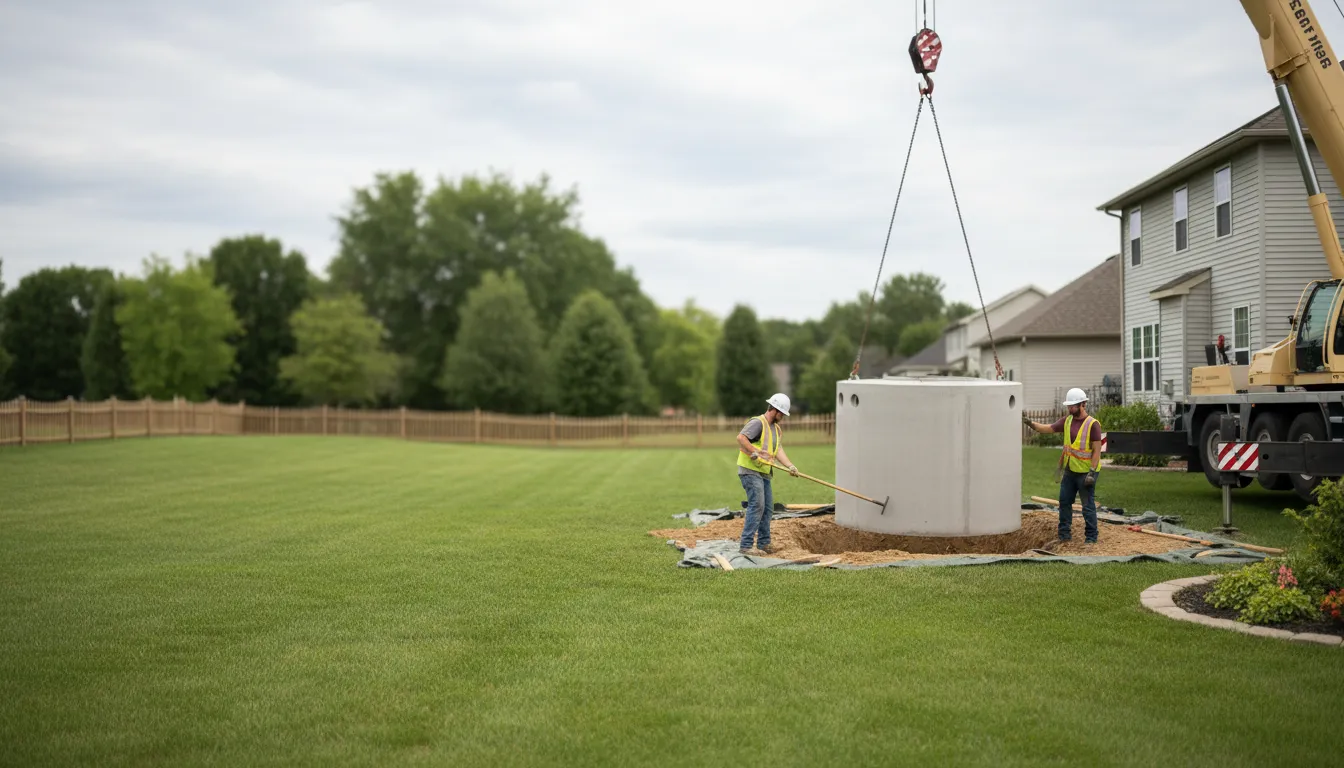
Find the Best Septic Tank Installation & Replacement Contractors for Your Business
No obligation • Fast responses • Nationwide coverage

Why you can trust Septic Spot
Septic Spot is a leading United States resource for understanding and comparing septic services. Our editors review providers using consistent criteria and verify key business details. Listings and scores are independent, and companies cannot pay to influence our content.
Search providers near you
Best Septic Tank Installation & Replacement Contractors in Kansas Ranked
Installing or replacing a septic system is a significant investment in your Kansas property's long-term functionality and value. This process involves navigating local health regulations, site evaluations, and choosing the right system for your soil and household needs. Understanding the steps, costs, and legal requirements can help you plan effectively and connect with qualified local professionals to ensure a compliant and durable installation.
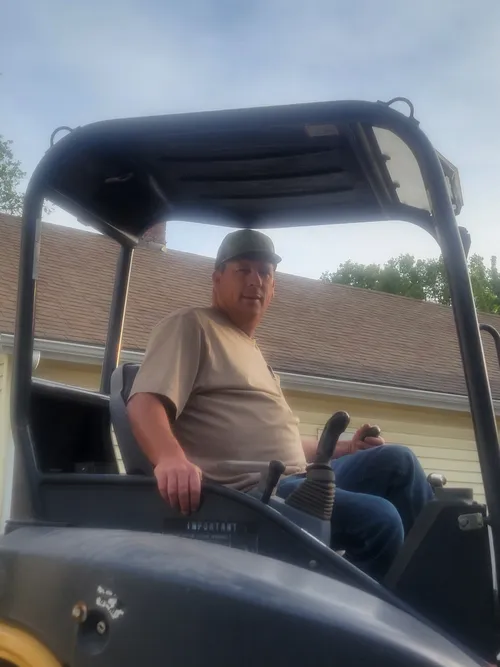
Emergency Sewer Repair
130 N Glenn St, Wichita, KS 67203
Emergency Sewer Repair is a locally owned company based in Wichita, KS, specializing in sewer, drain, septic, and water line services. Led by Ron Bouska, a licensed Master Drain Layer with over 10 years of experience, the company offers sewer line repair and replacement, including trenchless methods to minimize yard disruption. They also provide complete residential septic system installation and water line repairs, handling everything from planning to final hookup. Emergency Sewer Repair serves homeowners within about 30 minutes of Wichita, including nearby communities such as Park City, Valley Center, and Bel Aire.
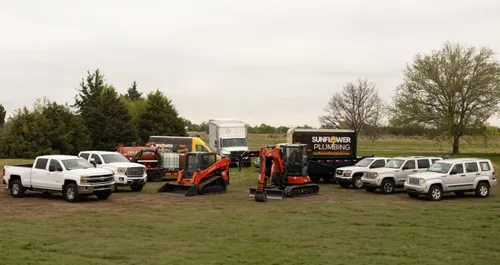
Sunflower Plumbing
3910 W Central Ave, El Dorado, KS 67042
Sunflower Plumbing is a plumbing and septic service provider based in Wichita, KS, serving Butler County and surrounding areas. They offer a range of services including septic tank repair and installation, drain field repair, plumbing repairs, and installations for faucets, drains, water heaters, and gas lines. The company is equipped to handle septic system components such as lagoons and lateral fields. Led by owner Brian Boswell, Sunflower Plumbing emphasizes transparent pricing and professional workmanship. They provide 24/7 availability for plumbing and septic needs.
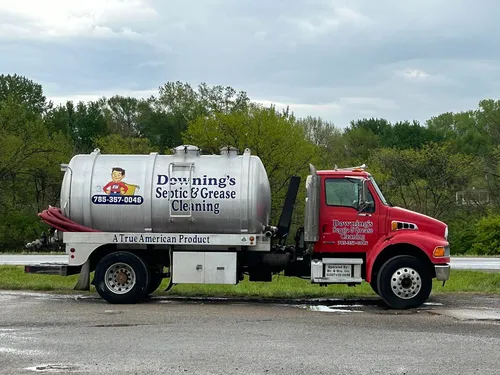
Downing Septic Tank Cleaning
2611 SW 17th St #105, Topeka, KS 66604
Downing Septic Tank Cleaning is a licensed and insured company serving Topeka, KS, and the surrounding northeast Kansas area, including Kansas City and Lawrence. With over 20 years of experience, they provide septic tank installation, pumping, and cleaning services for residential, commercial, and industrial clients. Their expertise includes inspection and repair of lateral fields, grease trap installation and cleaning, and holding tank pumping. The company offers 24/7 service, ensuring support for clients any day of the year.
Hare Excavating Inc.
Topeka, KS
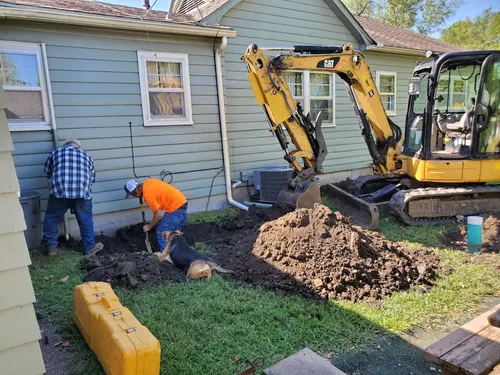
Hare Excavating Inc. is a septic tank and excavating contractor based in Topeka, KS. The company serves Shawnee and surrounding counties, providing septic tank pumping, inspection, repair, and installation services. With over 27 years in business, Hare Excavating Inc. offers expertise in sewage system maintenance and related excavation work, including basement waterlines.
Clutter-Case
1303 West 53rd St N, Wichita, KS 67204
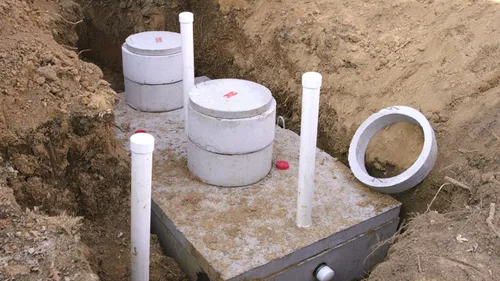
Clutter-Case is a family-owned septic tank company serving Wichita, KS. With 45 years of experience, they provide septic tank pumping, inspections, and installation services. The company also manufactures custom septic tanks and offers comprehensive system cleaning and maintenance to help keep septic systems functioning properly. Their owner has been in the business since 1970, bringing decades of expertise to their services.
Understanding Kansas Septic System Regulations
In Kansas, septic system oversight is delegated to local county health departments or environmental offices. This means state-level guidelines provide a framework, but your specific county will have the final say on permitting, design, and inspection requirements. The cornerstone of the process is obtaining a permit; no installation, replacement, or major repair can legally begin without one from your local authority.
A critical first step is determining if you are required to connect to a public sewer. Many Kansas jurisdictions mandate connection if a public sewer main is within a specified distance of your property, often 150 feet. If a sewer connection is not required or available, you'll proceed with the septic system permitting process.
Key Regulatory Standards
Local codes establish minimum standards to protect public health and groundwater. While variations exist, common requirements across Kansas counties include:
- Tank Capacity: Sizing is typically based on the number of bedrooms in a home to ensure adequate wastewater retention time for proper treatment.
- Setback Distances: Systems must be installed a minimum distance from other features:
- 50 feet from water wells, streams, ponds, or lakes 1.
- 10 feet from building foundations and property lines.
- Systems should not be installed within a 100-year floodplain.
- Soil Absorption Field (Lateral Field): Trenches are usually 2-3 feet wide. There is often a maximum burial depth (e.g., 36 inches) to ensure effective oxygen transfer, with 24 inches being a common target for optimal function 2 3. A minimum setback of 10 feet from property lines is standard for the absorption field.
- Pipe Slope: The pipe running from your home to the septic tank should have a consistent slope, generally between 1/8-inch and 1/4-inch per foot, to ensure proper flow without clogging 4.
The Step-by-Step Installation Process
A successful septic system project in Kansas follows a defined sequence from planning to final approval.
- Site Evaluation and Design: This is the most critical planning phase. A licensed installer or soil evaluator will assess your property. This includes a percolation (perc) test to determine the soil's absorption rate and the creation of a detailed site plan. The system design, based on this evaluation, must be submitted for permit approval.
- Permit Application: Submit your application, site plan, soil analysis, and design to your local county health department. The permit will be issued once your plans meet all local requirements.
- Excavation and Installation: A licensed contractor will excavate and install the septic tank and distribution lines according to the approved plan. Proper placement of gravel, piping, and tank orientation is crucial.
- Pre-Cover Inspection: Before the tank and lateral lines are backfilled with soil, a county inspector must visit the site to verify the installation matches the permitted design and meets construction standards 5 6. This inspection is mandatory and cannot be skipped.
- Final Inspection and Approval: After the system is covered and the installation is complete, a final inspection is typically required. Approval from the local authority is necessary before the system can be put into regular use 7.
Find the perfect septic tank installation & replacement contractors for your needs
Get personalized recommendations and expert advice
Cost Factors for Septic Systems in Kansas
The cost of a new septic system in Kansas varies widely based on system complexity, soil conditions, and property specifics. The average installation cost in the state is around $6,963, but the typical range spans from approximately $3,150 to over $11,300 8 9 10.
Several key factors influence the final price:
- System Type: A conventional gravity-fed system is generally the most affordable. Properties with poor drainage or high water tables may require a more complex (and expensive) system, such as a pressure-dosed mound system or an aerobic treatment unit (ATU).
- Soil Conditions: Ideal, well-draining soil keeps costs down. Challenging soil with a slow percolation rate often requires a larger absorption field or a specialized system, increasing expenses.
- Tank and System Size: Larger tanks and drain fields, required for homes with more bedrooms or bathrooms, cost more in materials and labor.
- Site Accessibility: Easy access for heavy machinery reduces labor time. Difficult sites with slopes, tight spaces, or remote locations can significantly increase installation costs.
- Permit and Inspection Fees: These are set by your local county and are a required part of the project budget.
- Replacement vs. New Installation: Replacing a failed system can sometimes cost more than a new installation if it involves demolishing and removing the old tank and field lines.
Choosing Between Repair and Full Replacement
When facing septic system issues, a professional assessment is essential to determine the most cost-effective solution. Minor problems like a clogged inlet baffle or a damaged outlet tee may be repairable. However, there are clear signs that a full replacement is necessary:
- System Failure: Sewage backing up into the home or surfacing in the yard (often indicated by soggy ground and foul odors over the drain field).
- Age: Most conventional septic systems have a lifespan of 20-40 years. If your system is approaching or exceeding this age and experiencing problems, replacement is often more reliable than repeated repairs.
- Changes in Property Use: Adding bedrooms or significantly increasing water usage may require a larger system to handle the increased load.
- Mandated by County: If a system fails an inspection and is deemed irreparable or a public health hazard, the county will require replacement to meet current codes.
Maintenance for Long-Term Performance
A new septic system is a major investment that can last decades with proper care. Key maintenance habits include:
- Regular Pumping: Have the septic tank pumped every 3-5 years by a licensed professional to remove solids and prevent clogging of the drain field.
- Water Conservation: Spread out water use and fix leaks to avoid overloading the system.
- Mindful Flushing: Only human waste and toilet paper should go down the drain. Avoid flushing wipes, feminine products, grease, chemicals, or medications.
- Protect the Drain Field: Never drive or park vehicles over the absorption field, and avoid planting trees with deep roots nearby.
Disclaimer: Regulations and procedures can vary significantly by county. The information provided here is a general guide. Always consult your local Kansas county health department for the specific requirements and permits applicable to your property before beginning any project 11 12 13.
Frequently asked questions
Sources
Footnotes
-
REQUIREMENTS FOR PERMITTING A SEPTIC SYSTEM - https://www.salinecountyks.gov/media/environmental-health/septic/requirements-for-permitting-a-septic-system-12-8-2014.pdf ↩
-
SEPTIC TANKS - KDHE - https://www.kdhe.ks.gov/DocumentCenter/View/8966/Septic-Tanks-PDF ↩
-
Get to Know Your Septic System | KSRE Bookstore - https://bookstore.ksre.ksu.edu/pubs/get-to-know-your-septic-system_MF2179.pdf ↩
-
Sedgwick County - Construction Standards Standard Septic System - https://www.sedgwickcounty.org/media/25059/septic_construction_standards.pdf ↩
-
Wastewater System Requirements - Ford County, KS - https://fordcounty.net/DocumentCenter/View/18518/Wastewater-System-Requirements ↩
-
Commercial Systems - Johnson County Kansas - https://www.jocogov.org/department/environment/septic-systems/commercial-systems ↩
-
Onsite Wastewater Systems | Franklin County, KS - Official Website - https://www.franklincoks.org/376/Onsite-Wastewater-Systems ↩
-
Cost to Install a Septic System in Kansas City [2026 Data] - Angie's List - https://www.angi.com/articles/what-does-it-cost-install-septic-system/mo/kansas-city ↩
-
Septic System Installation: Essential Steps for a Reliable Setup - https://www.bridgewaterenviro.com/septic-system-installation/ ↩
-
Septic Tank Installation Cost 2025 | What It Really Costs - https://www.blueribbonseptic.com/blog/septic-savings-how-much-does-a-new-septic-tank-installation-really-cost ↩
-
Kansas Septic Tank Requirements | Guide to Installation and ... - https://www.ntotank.com/blog/kansas-septic-tank-requirements ↩
-
Residential Systems | Johnson County Kansas - https://www.jocogov.org/department/environment/septic-systems/residential-systems ↩
-
Permitting & Inspection of On-Site Wastewater Disposal Systems - https://www.wichita.gov/521/Septic-Systems---Permitting-Inspection-o ↩