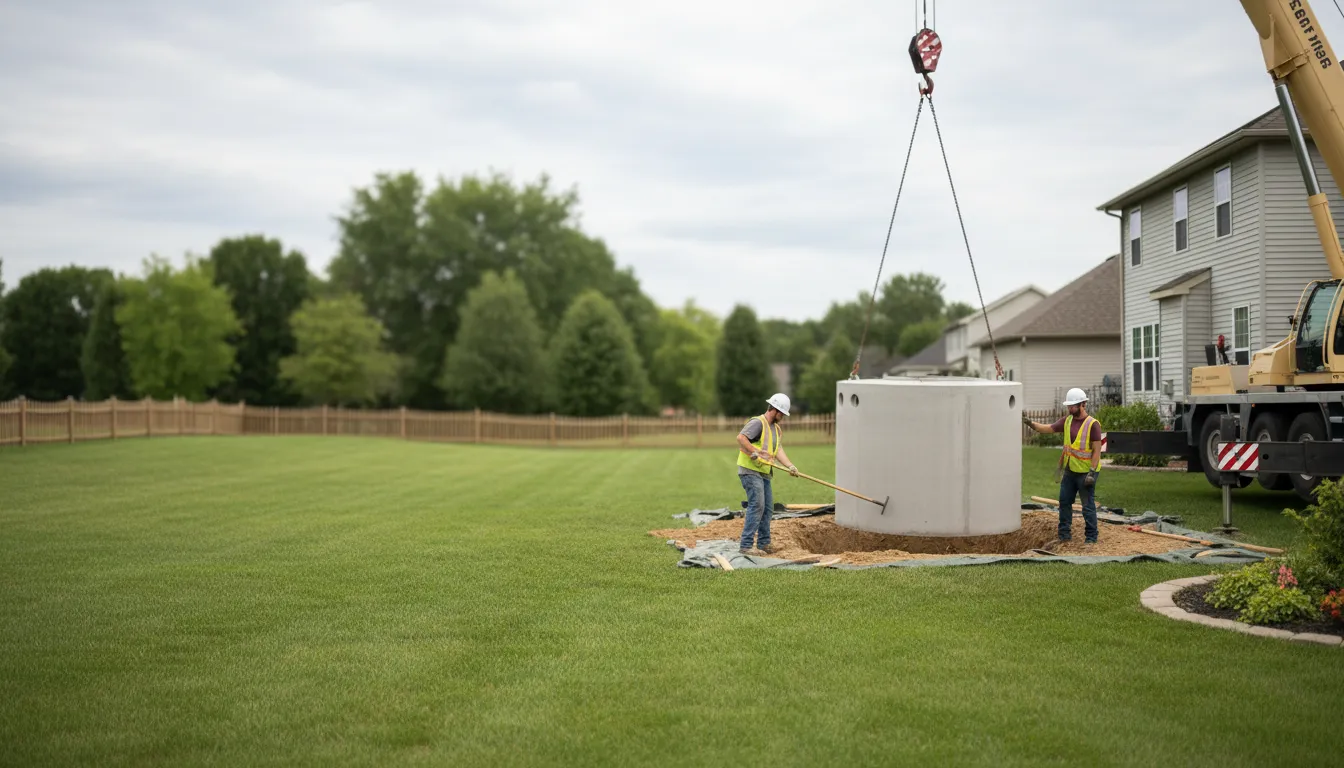
Find the Best Septic Tank Installation & Replacement Contractors for Your Business
No obligation • Fast responses • Nationwide coverage

Why you can trust Septic Spot
Septic Spot is a leading United States resource for understanding and comparing septic services. Our editors review providers using consistent criteria and verify key business details. Listings and scores are independent, and companies cannot pay to influence our content.
Search providers near you
Top Septic Tank Installation & Replacement Contractors in Wichita, Kansas Ranked
Installing or replacing a septic system is a significant investment in your property's long-term functionality and environmental safety. For homes in Wichita and the surrounding Sedgwick County area not connected to the municipal sewer, a properly designed and permitted on-site wastewater system is essential. This process involves navigating specific local regulations, soil evaluations, and professional installation. The following guide details the steps, costs, and requirements to help you understand what's involved in securing a new or replacement septic system for your home.
Emergency Sewer Repair
130 N Glenn St, Wichita, KS 67203
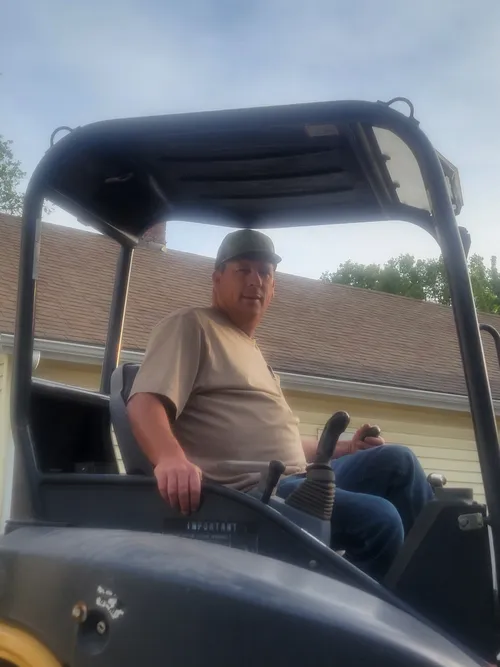
Emergency Sewer Repair is a locally owned company based in Wichita, KS, specializing in sewer, drain, septic, and water line services. Led by Ron Bouska, a licensed Master Drain Layer with over 10 years of experience, the company offers sewer line repair and replacement, including trenchless methods to minimize yard disruption. They also provide complete residential septic system installation and water line repairs, handling everything from planning to final hookup. Emergency Sewer Repair serves homeowners within about 30 minutes of Wichita, including nearby communities such as Park City, Valley Center, and Bel Aire.
Sunflower Plumbing
3910 W Central Ave, El Dorado, KS 67042
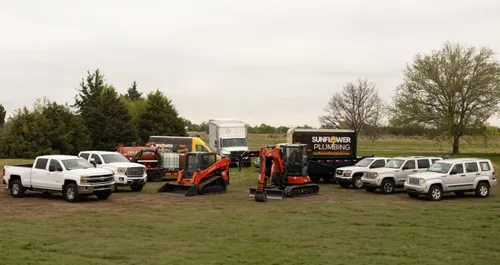
Sunflower Plumbing is a plumbing and septic service provider based in Wichita, KS, serving Butler County and surrounding areas. They offer a range of services including septic tank repair and installation, drain field repair, plumbing repairs, and installations for faucets, drains, water heaters, and gas lines. The company is equipped to handle septic system components such as lagoons and lateral fields. Led by owner Brian Boswell, Sunflower Plumbing emphasizes transparent pricing and professional workmanship. They provide 24/7 availability for plumbing and septic needs.
Clutter-Case
1303 West 53rd St N, Wichita, KS 67204
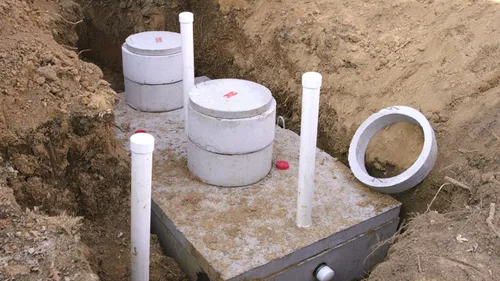
Clutter-Case is a family-owned septic tank company serving Wichita, KS. With 45 years of experience, they provide septic tank pumping, inspections, and installation services. The company also manufactures custom septic tanks and offers comprehensive system cleaning and maintenance to help keep septic systems functioning properly. Their owner has been in the business since 1970, bringing decades of expertise to their services.
Understanding Local Jurisdiction and Mandatory Connection
In Wichita and unincorporated Sedgwick County, all septic system work is regulated by the Metropolitan Area Building and Construction Department (MABCD) Environmental Section. Your first critical step is to determine if you are even allowed to install a septic system. A key county and city rule states that if a public sewer main is available within 150 feet of your property line, you are legally required to connect to it. This mandatory connection rule aims to phase out individual septic systems in areas where centralized sewer service is feasible and promotes broader public health.
If public sewer is not available, you must then assess your property's basic suitability. Local codes set minimum lot size requirements: a minimum of 20,000 square feet is required if public water is available, and 40,000 square feet if you also rely on a private well 1. Furthermore, you must have a dedicated area of at least 10,000 square feet reserved solely for the drain field (also called a lateral field or absorption area) and a designated replacement area for future use. These rules ensure there is adequate space for effective wastewater treatment and a backup location if the primary field ever fails.
The Critical Role of Soil and Site Evaluation
The heart of any septic system design is the soil's ability to absorb and treat effluent. Before any plans are drawn, a licensed site evaluator or professional engineer must conduct a thorough site and soil evaluation 2. This involves digging test pits or boreholes to examine soil layers, texture, and structure, and to measure the depth to groundwater or bedrock.
A central part of this evaluation is the percolation test (often called a "perc test"). This test measures how quickly water drains through the soil. For a standard septic system in Sedgwick County, the soil must have a percolation rate between 0 and 60 minutes per inch 3. Soils that drain too quickly (a very low number) or too slowly (a rate over 60 min/inch) may not be suitable for a conventional system and could require a more advanced, and costly, alternative treatment system. The cost for this comprehensive site and soil evaluation typically ranges from $700 to $2,000.
Navigating Permits and System Design
Once a suitable site is confirmed, the design and permitting phase begins. A licensed septic contractor will use the soil evaluation data to design a system that meets all Kansas Department of Health and Environment (KDHE) and local MABCD standards. The design will specify the tank size, the layout and size of the drain field, and all required setbacks-such as maintaining a minimum of 10 feet from the system to any water well 4.
The contractor then submits the design, along with the construction permit application, to the MABCD. Permit fees are set by the county; for a standard new installation, the fee is generally $100, while permits for alternative or more complex systems can be around $200 5. It is illegal to begin any excavation or installation work before the MABCD has reviewed and approved the plans and issued the official construction permit 6 7.
Find the perfect septic tank installation & replacement contractors for your needs
Get personalized recommendations and expert advice
The Installation Process and Mandatory Inspections
With permit in hand, your licensed contractor can begin installation. The process typically involves excavating the tank hole and drain field trenches, placing the septic tank (which must have a 20-inch diameter manhole and a child-resistant lid), and constructing the network of perforated pipes in the gravel-filled absorption trenches 8.
Inspections are not optional; they are mandatory and critical. The MABCD requires at least two inspections during construction 9:
- Pre-Inspection: After the trenches are excavated but before any pipe or gravel is placed, an inspector will verify the dimensions, depth, and layout.
- Final Inspection: After the tank, lines, and lateral system are fully installed but before they are covered with soil, an inspector must check everything for compliance with the approved design and all safety codes.
Failing to call for these inspections can result in orders to uncover the system for inspection, fines, or the system being declared non-compliant. Only after the final inspection is approved can the system be backfilled and put into service 10 11.
Costs for Septic System Installation in Wichita
The total cost for a new septic system in the Wichita area is highly variable, depending primarily on soil conditions and system type. For a conventional gravity-fed system on a suitable site, homeowners can expect a total cost range of $3,500 to $12,500 or more. This total typically includes the site evaluation, permit fees, all materials (tank, pipe, gravel), excavation labor, and the contractor's oversight.
If your soil fails the percolation test for a standard system, you will need an alternative treatment system. These systems, which include mounds, aerobic treatment units (ATUs), or sand filters, provide advanced wastewater treatment and can be installed in less-than-ideal conditions. However, they come with a significantly higher price tag, often starting at $15,000 and can exceed $30,000 12. They also require more frequent maintenance and operational energy costs.
When Replacement is Necessary
Septic systems don't last forever. A tank may crack, or more commonly, a drain field can become clogged and fail, leading to sewage backups or surfacing effluent. Replacing a failed system follows largely the same process as a new installation. A permit is required for any modification or replacement 13.
It's important to note that replacement systems must meet current codes, not the codes that were in place when the original system was installed decades ago. This means if your existing conventional system fails, but your soil no longer meets today's standards (or if regulations have tightened), you may be required to install a more advanced-and expensive-alternative system to gain approval. This underscores the importance of proper maintenance to extend the life of your current system as long as possible.
Choosing a Licensed Professional
Given the complexity of regulations, the precision required for design, and the critical nature of proper installation, selecting the right contractor is paramount. Always choose a licensed septic system installer who is familiar with Sedgwick County and MABCD requirements. They will be your guide through the permit process, ensure the design is correct, schedule the mandatory inspections, and perform the installation to code. A reputable professional is your best assurance that your new wastewater system will function safely and reliably for decades.
Frequently asked questions
Sources
Footnotes
-
Sedgwick County - Construction Standards Standard Septic System ↩
-
Wastewater - Sedgwick County Only | Sedgwick County, Kansas ↩
-
Kansas Septic Tank Requirements | Guide to Installation and Compliance ↩
-
Complete Septic System Installation: Process, Permits, And ... ↩
-
Permitting & Inspection of On-Site Wastewater Disposal Systems - Wichita, KS ↩