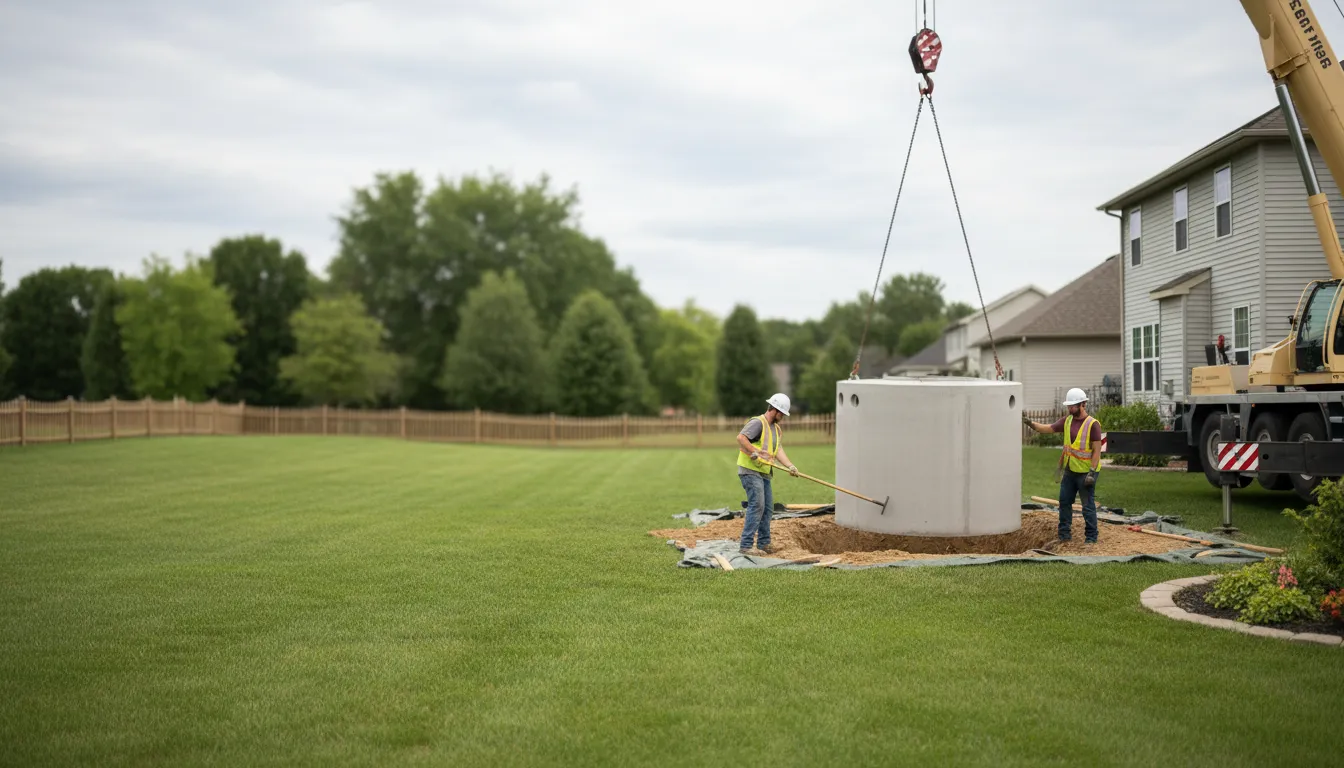
Find the Best Septic Tank Installation & Replacement Contractors for Your Business
No obligation • Fast responses • Nationwide coverage

Why you can trust Septic Spot
Septic Spot is a leading United States resource for understanding and comparing septic services. Our editors review providers using consistent criteria and verify key business details. Listings and scores are independent, and companies cannot pay to influence our content.
Search providers near you
Best Septic Tank Installation & Replacement Contractors in Louisiana Ranked
Installing or replacing a septic system is a significant investment in your property's long-term functionality and environmental health. In Louisiana, this process is strictly regulated by state and local health authorities to protect groundwater and public safety. Understanding the permitting process, system types, and maintenance requirements is essential for a successful project. This guide provides the practical information you need to navigate the rules and find qualified local professionals for your installation or replacement.
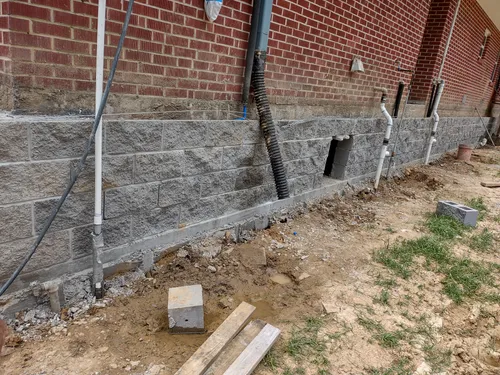
Michelli's Septic Installation & Maintenance
13316 Old Baton Rouge Hwy, Hammond, LA 70403
Michelli's Septic Installation & Maintenance is a construction company based in New Orleans, LA, specializing in septic system repair, installation, and maintenance. They serve a broad area throughout Louisiana, including major cities such as Baton Rouge, Shreveport, and Lafayette. The company handles projects of various sizes, from residential septic systems to large-scale water treatment plants and concrete collection lines. Michelli's offers gravel, dirt, and sand delivery and hauling as part of their services. They emphasize tailored solutions and collaboration to meet client needs across diverse project types.

Black Hawk Septic Service
405 Hamilton Rd, Bossier City, LA 71111
Black Hawk Septic Service provides septic tank pumping, inspections, and installation services in Shreveport, LA, and surrounding areas including Benton and Bossier City. With over 15 years of experience, they handle septic system inspections, real estate inspections, pump-outs, and aerobic septic system installations. The company offers emergency septic services and can manage a wide range of septic system needs.
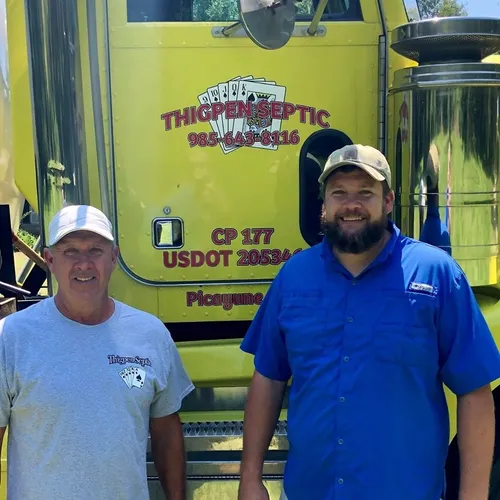
Thigpen Septic Tank Services, LLC
102 Trey Thigpen Rd, Picayune, MS 39466
Thigpen Septic Tank Services, LLC is a family-owned septic company serving New Orleans, LA. Since 1973, they have provided a full range of septic services including tank pumping, system installation, repairs, and drain field replacement. With over 50 years of experience, they handle both residential and commercial septic needs with a focus on quality and attention to detail.

Bordelon Septic Systems Inc
1066 US-171, Stonewall, LA 71078
Bordelon Septic Systems Inc provides septic tank pumping, repair, and installation services in Shreveport, LA. They serve DeSoto, Caddo, and Bossier parishes, along with surrounding areas. Their services include installation of residential and commercial sewer treatment systems, septic tank pumping, and maintenance contracts. The company handles service and repairs for various sewer treatment systems.
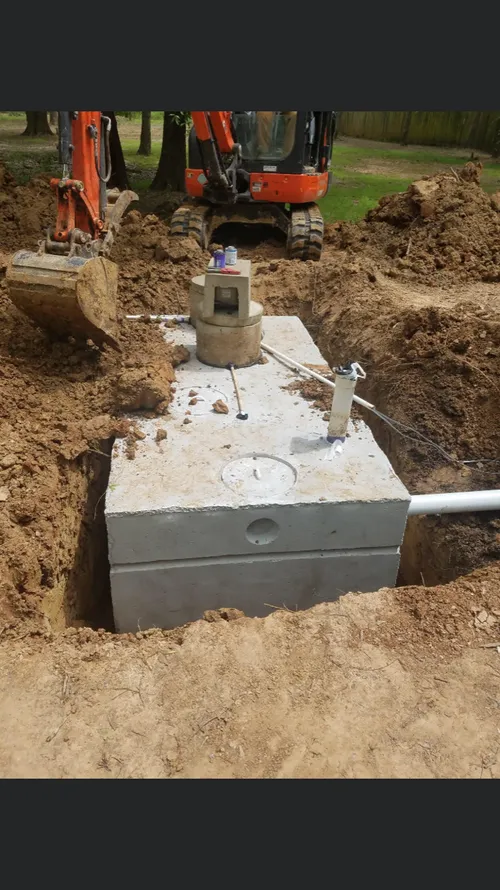
Nattin Septic Service
Shreveport, LA
Nattin Septic Service provides a range of septic system services in Shreveport, LA, and surrounding areas including Bossier City, Benton, Bossier Parish, and Caddo Parish. They handle septic tank pumping, inspections, repairs, and installations, ensuring septic systems operate properly and helping prevent sewage problems. Their capabilities include septic pump repair and replacement, as well as addressing sprinkler, pump, line, or wiring issues related to septic systems. The company offers free estimates for septic system installations and serves both homeowners and property owners in the region.
Understanding Louisiana's Septic System Regulations
All septic system work in Louisiana is governed by the Louisiana Department of Health (LDH) under Title 51, Part XIII of the State Sanitary Code. The primary goal of these regulations is to ensure that onsite wastewater systems are designed, installed, and maintained to prevent contamination of groundwater, which is a critical drinking water source for many residents.
The local Parish Health Unit (PHU) is your direct point of contact for permitting and inspections. You cannot begin any installation, replacement, or major alteration of a system without first obtaining a permit from the PHU. Attempting to install a system without following the proper channels can result in fines, orders to remove the system, and complications when selling your property.
The Step-by-Step Permit & Installation Process
Navigating the official process is the most crucial part of your project. Here is a typical sequence of events for a new installation or full system replacement:
- Initial Application: Contact your local Parish Health Unit to begin the permit application. You will need to provide a stamped property plat (survey), proof of ownership (like a deed), and the property's 911 address.
- Site Evaluation: A parish sanitarian will visit your property to conduct a site evaluation. This inspection determines the soil's absorptive capacity, the water table level, and the appropriate type and size of system for your home. They will also identify the approved location for the tank and drain field, ensuring required setbacks (e.g., at least 50 feet from water wells and 10 feet from property lines) are met.
- System Design & Permit Issuance: Based on the site evaluation, a system is designed. For conventional systems, this may be done by the sanitarian or a licensed installer. For more complex systems like Aerobic Treatment Units (ATUs), engineered plans are often required 1. Once the design is approved, the permit is issued.
- Installation: Installation can proceed once the permit is in hand. A critical rule: the installer must notify the PHU before covering any part of the system. A sanitarian must perform an "open hole" inspection to verify the tank and components are installed correctly before they are buried 2.
- Final Inspection & Tagging: After installation is complete and the system is covered, a final inspection is scheduled. Upon approval, a 6"x6" adhesive identification tag must be permanently affixed to the system, serving as its official record 3.
For system replacements, an additional first step is required: the old tank must be properly abandoned-either pumped out and filled with soil or physically removed-before a permit for a new system will be issued.
System Types, Sizing, and Costs
The type of system you need depends entirely on the results of the site evaluation. Louisiana's often wet, clay-rich soils frequently necessitate more advanced systems.
- Conventional Gravity System: This traditional system consists of a septic tank and a subsurface gravel drain field. It is typically the most affordable option but is only allowed in areas with suitable soil percolation rates.
- Aerobic Treatment Unit (ATU): Often required in areas with poor soil drainage or high water tables, an ATU is a mechanical system that uses oxygen to break down waste more efficiently. It produces a higher quality effluent, which may be dispersed via a spray field. Crucially, LDH requires homeowners with ATUs to maintain a perpetual maintenance contract, typically starting with a mandatory 2-year service agreement upon installation.
Sizing Your Septic Tank: Tank capacity is primarily based on the number of bedrooms in your home, as this estimates daily wastewater flow.
- Minimum: 500 gallons 4.
- Standard Sizing: A 3-bedroom home generally requires a 1,000-gallon tank. For each additional bedroom, add 250-500 gallons (e.g., a 4-bedroom home needs 1,250-1,500 gallons) 5 6.
- Garbage Disposals: If you have or plan to install a garbage disposal, it is recommended to increase the tank size by approximately 50% to handle the additional solids 7 8.
Cost Considerations: Costs are highly variable and depend on system type, soil conditions, tank size, and property accessibility. The following are general estimates:
- Conventional System Installation: $5,000 - $10,000+.
- Aerobic Treatment Unit (ATU) Installation: $8,000 - $15,000+.
- System Replacement: Can range from around $3,000 for replacing just the tank to over $15,000 for a complete system replacement, including a new drain field or ATU 9.
Find the perfect septic tank installation & replacement contractors for your needs
Get personalized recommendations and expert advice
Homeowner Installation vs. Hiring a Professional
Louisiana law allows a homeowner to install a non-mechanical (conventional) septic system on their own primary residence, provided they follow all state and local regulations and pass all required inspections 10 11. This can be a way to reduce costs but comes with significant responsibility and liability.
However, the installation of mechanical systems (ATUs) is generally restricted to licensed wastewater installers 12. Even if a homeowner wishes to self-install an ATU, they must first meet specific educational and licensing requirements set by LDH. For most homeowners, hiring a licensed professional is the safest and most efficient path. A professional installer will:
- Understand local soil and permitting nuances.
- Handle the paperwork and scheduling of inspections.
- Ensure the installation meets all code requirements, preventing costly failures or re-dos.
- Provide expertise on the best system type for your specific property.
Long-Term Maintenance and Responsibilities
A properly installed system is just the beginning. Ongoing maintenance is legally required and critical for the system's lifespan.
- Routine Inspections & Pumping: All septic tanks should be inspected every 3-5 years and pumped as needed (typically every 3-5 years for an average household) 13. Keeping records of this maintenance is important.
- ATU Maintenance Contracts: As noted, owners of Aerobic Treatment Units are required by law to maintain their systems in perpetuity. This includes having a valid service contract with a licensed maintenance provider. The system's alarms and mechanical components must be checked regularly 14 15.
- What Not to Do: Never direct system effluent into a roadside ditch, storm drain, or water body 16. Avoid pouring grease, chemicals, or non-biodegradable items down the drain. Excessive water use can also overload and flood the drain field.
Finding a Qualified Provider in Louisiana
When searching for a septic system professional, look for companies that are licensed by the Louisiana Department of Health for onsite wastewater system installation. They should be familiar with the specific requirements of your parish. Ask for references, proof of insurance, and a detailed written estimate that includes costs for permitting, materials, labor, and any required engineering plans. A reputable provider will be happy to explain the process, pull the necessary permits, and coordinate all inspections with the Parish Health Unit.
Frequently asked questions
Sources
Footnotes
-
Information Packet for Applicants - Louisiana Department of Health - https://ldh.la.gov/assets/oph/center-eh/sanitarian/onsitewastewater/plansreviewpacketformechanicaltreatmentsystems.pdf ↩
-
Septic Inspection Process: What Homeowners Should Know ... - https://www.lunspro.com/vlog/the-septic-system-inspection-process-what-homeowners-should-know ↩
-
Your Septic System - LS WASTEWATER SOLUTIONS - https://lswastewater.com/your-septic-system/ ↩
-
Detailed Explanation of Permitting Requirements - LSU AgCenter - https://www.lsuagcenter.com/topics/family_home/home/design_construction/laws%20licenses%20permits/getting%20a%20permit/detailed-explanation-of-permitting-requirements ↩
-
Onsite Wastewater Program | Louisiana Department of Health - https://ldh.la.gov/bureau-of-sanitarian-services/wastewater ↩
-
Septic Tank Requirements in Louisiana - https://septiccalculator.com/states/la ↩
-
Louisiana Administrative Code - https://ldh.la.gov/assets/oph/Center-EH/sanitarian/onsitewastewater/8145.pdf ↩
-
What Size Septic Tank Do I Need - https://www.ntotank.com/blog/what-size-septic-tank-do-i-need ↩
-
Information Packet for Applicants - (For Septic Tanks with Secondary ... - https://ldh.la.gov/assets/oph/Center-EH/sanitarian/onsitewastewater/ApplicationPacketforSepticTankswithSecondaryTreatment.pdf ↩
-
osww installer workshop - Louisiana Department of Health - https://ldh.la.gov/assets/oph/Center-EH/sanitarian/onsitewastewater/OSWWINSTALLERstudyguide.pdf ↩
-
Detailed Explanation of Permitting Requirements - https://www.lsuagcenter.com/topics/family_home/home/design_construction/laws%20licenses%20permits/getting%20a%20permit/detailed-explanation-of-permitting-requirements ↩
-
Information Packet for Applicants - https://ldh.la.gov/assets/oph/Center-EH/sanitarian/onsitewastewater/PlanReMechTreat.pdf ↩
-
Onsite Sewage Treatment System Maintenance, Health and ... - https://www.deq.louisiana.gov/assets/docs/Enviroschool/EnviroschoolOnsiteSewage-web.pdf ↩
-
Onsite Wastewater Program - Louisiana Department of Health - https://ldh.la.gov/bureau-of-sanitarian-services/wastewater ↩
-
How to Care for Your Mechanical Sewer System - https://www.calcasieu.gov/services/planning-development/sewage-inspection-program/do-s-don-ts ↩
-
Louisiana Administrative Code Title 51 Part XIII. Sewage Disposal ... - https://ldh.la.gov/assets/oph/Center-EH/sanitarian/onsitewastewater/7748.pdf ↩