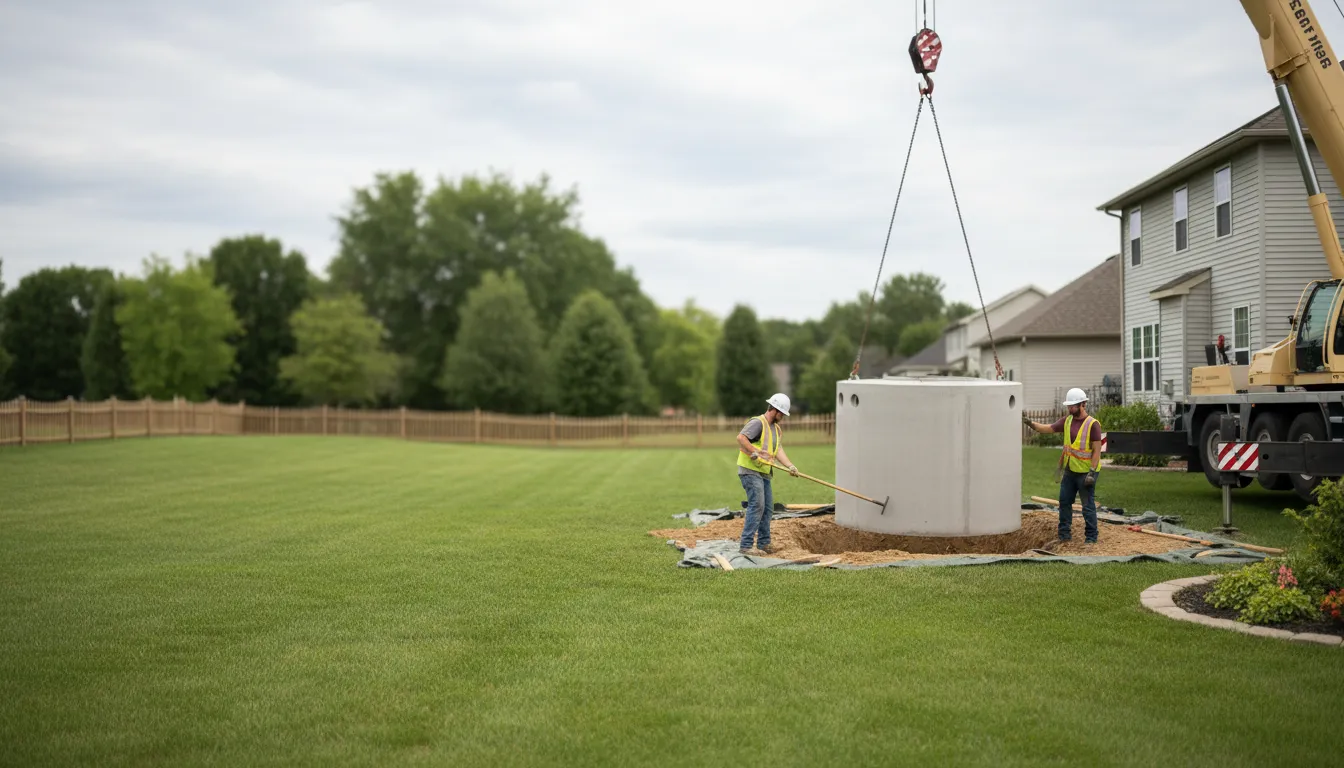
Find the Best Septic Tank Installation & Replacement Contractors for Your Business
No obligation • Fast responses • Nationwide coverage

Why you can trust Septic Spot
Septic Spot is a leading United States resource for understanding and comparing septic services. Our editors review providers using consistent criteria and verify key business details. Listings and scores are independent, and companies cannot pay to influence our content.
Search providers near you
Top Septic Tank Installation & Replacement Contractors in New Orleans, Louisiana Ranked
Installing or replacing a septic system in New Orleans is a significant project governed by specific local regulations due to the area's unique soil conditions and high water table. Proper septic system installation ensures safe wastewater treatment, protects public health, and prevents environmental contamination. This guide helps you understand the process, costs, and key considerations for finding qualified local professionals to handle your onsite wastewater needs.
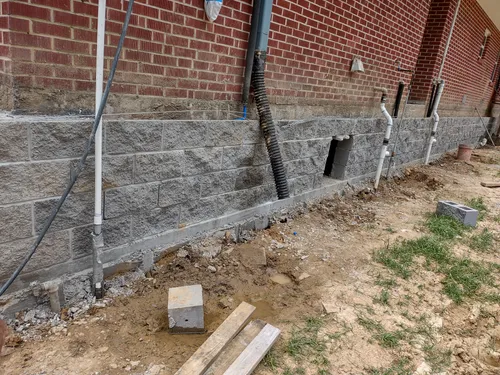
Michelli's Septic Installation & Maintenance
13316 Old Baton Rouge Hwy, Hammond, LA 70403
Michelli's Septic Installation & Maintenance is a construction company based in New Orleans, LA, specializing in septic system repair, installation, and maintenance. They serve a broad area throughout Louisiana, including major cities such as Baton Rouge, Shreveport, and Lafayette. The company handles projects of various sizes, from residential septic systems to large-scale water treatment plants and concrete collection lines. Michelli's offers gravel, dirt, and sand delivery and hauling as part of their services. They emphasize tailored solutions and collaboration to meet client needs across diverse project types.
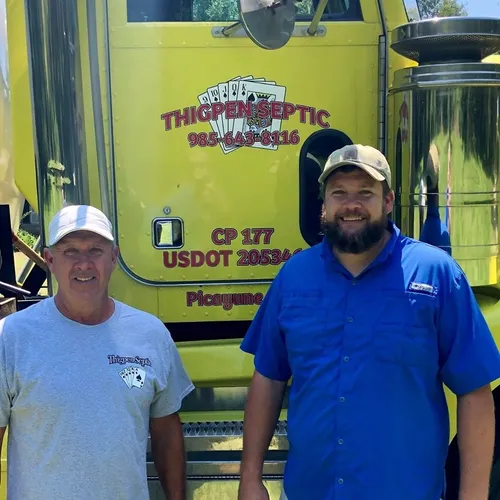
Thigpen Septic Tank Services, LLC
102 Trey Thigpen Rd, Picayune, MS 39466
Thigpen Septic Tank Services, LLC is a family-owned septic company serving New Orleans, LA. Since 1973, they have provided a full range of septic services including tank pumping, system installation, repairs, and drain field replacement. With over 50 years of experience, they handle both residential and commercial septic needs with a focus on quality and attention to detail.
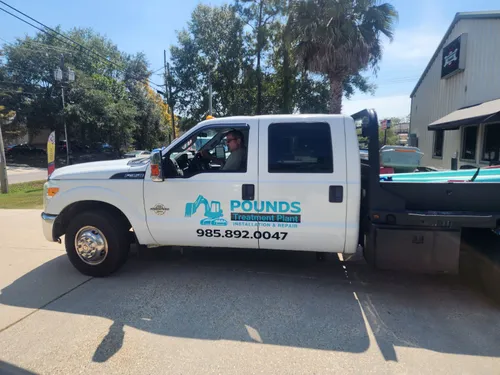
Pounds Sewer Systems
20378 LA-36, Covington, LA 70433
Pounds Sewer Systems is a family-owned business serving New Orleans, LA, and surrounding areas with septic tank installation, sewer treatment plant systems, and septic system repair. The company offers residential and commercial services, including pump replacement, drain line repair, and installation of lift stations and spray irrigation systems. Established in 1997, Pounds Sewer Systems continues a legacy of four generations in the septic and sewer system industry, originally started in the early 1950s. They are licensed and insured in both Louisiana and Mississippi and provide service that includes obtaining necessary permits and site planning.
Nathan's Septic Service
New Orleans, LA
Nathan's Septic Service provides a full range of septic system services in New Orleans, LA, including cleaning, inspections, repairs, and installations. Serving St. Bernard, Jefferson, and St. Tammany Parishes, the locally owned company employs licensed professionals to ensure septic systems function properly. Their expertise includes certified septic tank inspections and customized new tank installations. Nathan's Septic Service has built a reputation for quality and customer satisfaction across the region.
Understanding New Orleans Septic System Regulations
All septic system installations and replacements in Louisiana require a permit from the Louisiana Department of Health (LDH). The local Parish Health Unit enforces these rules, which are particularly strict in the New Orleans area. The primary regulatory factors are your lot size and soil composition, which directly dictate what type of wastewater system you can install.
A licensed installer or a trained homeowner must submit a detailed plot plan to the Parish Health Unit for approval 1. This process is not merely a formality; it's a critical step to ensure the proposed system is suitable for your property's specific conditions and complies with all state and parish health codes.
Key Permit Requirements and Lot Size Rules
The permit application process begins with the property owner applying for a temporary permit through the local parish sanitarian. A certified site plan is a mandatory part of this application.
- Standard Lot Eligibility: For a conventional anaerobic septic system, lots typically need to be at least 22,500 square feet with a minimum of 80 feet of road frontage.
- Rules for Smaller Lots: In denser areas common around New Orleans, lots as small as 12,000 square feet with 60 feet of frontage may be eligible, but they generally require more advanced systems, like Aerobic Treatment Units (ATUs) 2. These rules mean that many properties in and around the city will need an engineered system rather than a simple gravity-fed drain field.
- The Crucial Soil Test: Before any plans are finalized, a soil absorption test (often called a percolation or "perc" test) is required. This test determines the soil's absorption rate, which is essential for sizing the drain field and selecting the appropriate system type. Given New Orleans' high water table and clay-rich soils, this test often dictates the need for alternative systems.
Types of Septic Systems Used in the Region
The challenging soil conditions in Southeast Louisiana mean a one-size-fits-all approach doesn't work. Here are the common types of septic systems you might encounter for installation or replacement.
Conventional Anaerobic Systems: This is the most basic type, consisting of a septic tank and a subsurface soil absorption field (drain field). It relies on anaerobic bacteria to break down waste. As noted, these are usually only an option for larger parcels of land with suitable soil.
Aerobic Treatment Units (ATUs): These are mechanical systems that inject oxygen into the treatment tank, fostering aerobic bacteria that break down waste more efficiently and produce a higher-quality effluent. ATUs are frequently required for smaller lots and properties with poor soil absorption rates in the New Orleans area. They require more maintenance and electricity to run the aerator pump.
Mound and Sand Filter Systems: These are pressurized systems used where the soil is too shallow, has too slow a percolation rate, or the water table is too high. They involve constructing a raised sand-filled mound or a sand filter bed to treat the effluent before it disperses. These are among the most complex and expensive options.
Find the perfect septic tank installation & replacement contractors for your needs
Get personalized recommendations and expert advice
The Step-by-Step Installation & Replacement Process
Whether you're building a new home or replacing a failing system, the process follows a structured path with mandatory inspections.
- Initial Consultation and Site Evaluation: A licensed installer will visit your property to discuss needs and conduct a preliminary assessment. They will coordinate the official soil absorption test with the parish sanitarian.
- System Design and Permit Application: Based on the soil test results and lot characteristics, the installer designs the system and prepares the certified plot plan. The property owner or installer then submits the complete application packet to the Parish Health Unit for permit approval 3.
- Pre-Installation Site Visit: A parish sanitarian will often visit the site to verify the proposed location and design before issuing the construction permit 4.
- Installation: Once the permit is issued, excavation begins. For a full system, this includes installing the septic tank, constructing the drain field (or ATU unit), and connecting all piping. For a replacement, the old tank must be properly abandoned-either pumped out and filled with soil or physically removed 5.
- Inspections and Final Approval: The installation is inspected by the sanitarian before the tank and drain field are covered. After passing inspection and final backfilling, the installer must submit a certification of completion to the LDH within 15 days 6. Only then is the system officially approved for use.
Cost Breakdown for Septic System Installation
The cost of a new septic system in New Orleans varies dramatically based on system type, soil conditions, and property size. Always get multiple detailed quotes from licensed installers.
- Conventional Anaerobic System: For eligible properties, these are the most affordable option, typically ranging from $3,000 to $7,000 for a complete installation.
- Aerobic Treatment Unit (ATU): Due to their mechanical components and complexity, ATU systems are more expensive, generally costing between $7,000 and $15,000.
- Mound/Sand Filter Systems: These engineered systems are the most costly, with prices often ranging from $10,000 to $20,000 or more 7.
- Component Costs: The septic tank itself is a major part of the expense. A standard 1,000-gallon concrete tank can cost between $500 and $900 for the materials alone 8. Remember, this does not include delivery, excavation, installation, or the cost of the drain field.
Choosing a Licensed Installer in New Orleans
This is not a DIY project for the untrained homeowner. Louisiana law requires installers to be licensed by the LDH. There are different license classes:
- Basic License: Allows the installation of conventional septic tanks and drain fields.
- Combination License: Required for installing more complex systems like Aerobic Treatment Units (ATUs) 9 10.
Always verify a contractor's license with the LDH and ask for proof of insurance. A reputable installer will be familiar with the specific requirements of Orleans, Jefferson, St. Bernard, and other surrounding parishes. They should handle the permit application process, coordinate with sanitarians, and provide a clear contract outlining responsibilities, timeline, and total cost.
Frequently asked questions
Sources
Footnotes
-
HOMEOWNER CERTIFICATION INSTRUCTIONS - https://ldh.la.gov/assets/oph/Center-EH/sanitarian/onsitewastewater/HomeownerInstallorMaintenancePacket03-09-10.pdf ↩
-
Information Packet for Applicants - (For Septic Tanks with Secondary ... - https://ldh.la.gov/assets/oph/Center-EH/sanitarian/onsitewastewater/ApplicationPacketforSepticTankswithSecondaryTreatment.pdf ↩
-
Information Packet for Applicants - Louisiana Department of Health - https://ldh.la.gov/assets/oph/Center-EH/sanitarian/onsitewastewater/PlanReMechTreat.pdf ↩
-
Wastewater Installers: Definitions and Permit Specifications - https://www.lsuagcenter.com/articles/page1763050885007 ↩
-
Information Packet for Applicants - Louisiana Department of Health - https://ldh.la.gov/assets/oph/center-eh/sanitarian/onsitewastewater/plansrepackmectreat.pdf ↩
-
Louisiana Administrative Code, Subchapter A, Section XIII-701 - https://regulations.justia.com/states/louisiana/title-51/part-xiii/chapter-7/subchapter-a/section-xiii-701/ ↩
-
How Much Does It Cost To Install Septic Tank - Sewer Solutions - https://www.sewer.com/how-much-does-it-cost-to-install-septic-tank/ ↩
-
Residential Septic Tank Pricing | Homeowner's Guide to Costs - https://www.ntotank.com/blog/residential-septic-tank-pricing ↩
-
osww installer workshop - Louisiana Department of Health - https://ldh.la.gov/assets/oph/Center-EH/sanitarian/onsitewastewater/OSWWINSTALLERstudyguide.pdf ↩
-
Onsite Wastewater Program | Louisiana Department of Health - https://ldh.la.gov/bureau-of-sanitarian-services/wastewater ↩