
Find the Best Septic Tank Installation & Replacement Contractors for Your Business
No obligation • Fast responses • Nationwide coverage

Why you can trust Septic Spot
Septic Spot is a leading United States resource for understanding and comparing septic services. Our editors review providers using consistent criteria and verify key business details. Listings and scores are independent, and companies cannot pay to influence our content.
Search providers near you
Top Septic Tank Installation & Replacement Contractors in Lawrence, Massachusetts Ranked
Installing or replacing a septic system in Massachusetts is a significant undertaking governed by strict state regulations known as Title 5. These rules exist to protect public health, groundwater, and the environment. Whether you're building a new home, replacing a failing system, or upgrading an old one, navigating the process requires professional expertise and careful planning. This guide explains the key steps, costs, and regulations to help you understand what's involved and how to connect with qualified local professionals for your project.
Rooterman
67 Andover Rd, Billerica, MA 01821
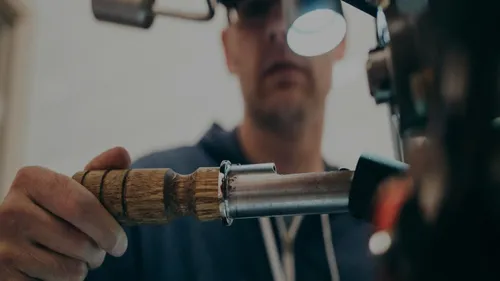
Rooterman is a septic tank pumping, inspection, repair, and installation company serving Boston, MA. With over 50 years of experience since 1970, they provide residential and commercial septic services including certified Title V inspections and sewer and drain maintenance. Their team is licensed and insured, offering same-day service for most non-emergency issues and supporting property owners in maintaining safe and compliant septic systems.
Steve Sarette & Son Excavation
282 Goffstown Back Rd, Goffstown, NH 03045
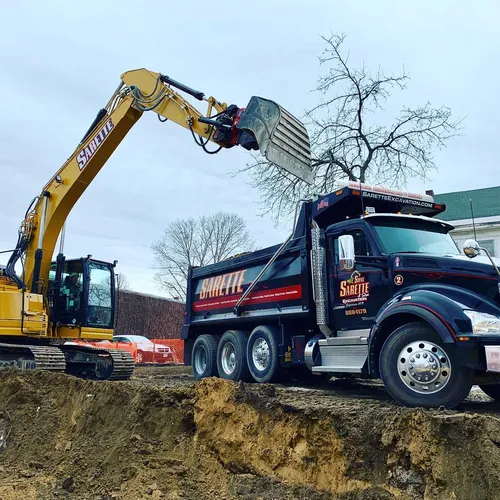
Steve Sarette & Son Excavation is a family-owned excavation company based near Manchester, NH. They provide a wide range of services including septic tank installation, road construction, sewer and water hookups, and light demolition. The company is fully insured, licensed, and bonded, serving residential, commercial, and municipal clients throughout Southern New Hampshire. Their expertise includes septic design and installation as well as commercial snow plowing and removal.
Carl's Septic Systems and Services in New Hampshire
320 Baker Rd, Candia, NH 03034
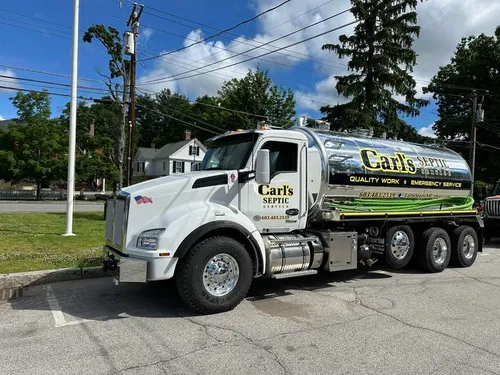
Carl's Septic Systems and Services in New Hampshire provides septic tank pumping, repair, and installation services in Manchester, NH. With over 40 years of experience, they serve both residential and commercial clients across New Hampshire. Their offerings include emergency septic services, routine maintenance, and commercial septic solutions, ensuring systems operate efficiently and meet regulatory standards. The company emphasizes reliable emergency response and comprehensive septic system care.
RCI Septic Service
Manchester, NH
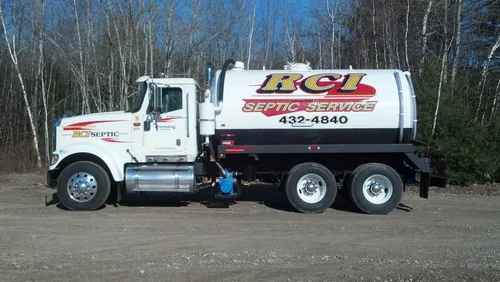
RCI Septic Service is a family-owned septic company serving Manchester, NH, and the surrounding Southern New Hampshire region. They provide septic tank pumping, system repair, replacement, and installation services tailored to residential and commercial properties. With over 25 years of experience and a multi-generational team, they use up-to-date technology and quality materials to ensure efficient and environmentally friendly septic systems. Their capabilities include thorough septic tank pump-outs and full system installations, designed to maintain system health and longevity.
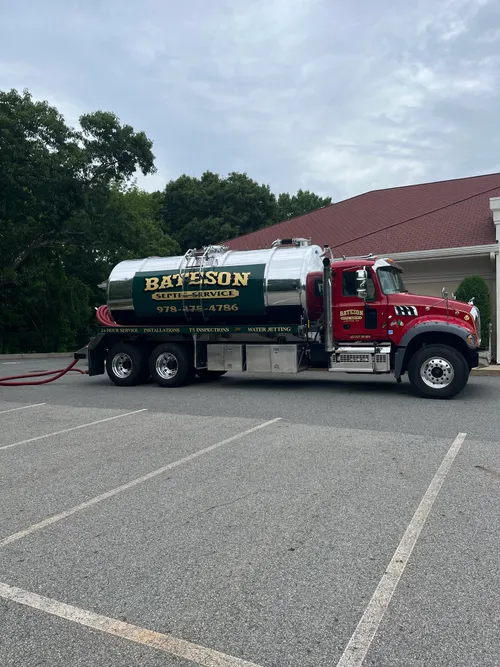
Bateson Enterprises Inc
111 Argilla Rd, Andover, MA 01810
Bateson Enterprises Inc is a septic system company serving Lowell, MA, and the surrounding areas. They provide a range of septic services including tank installation, system repair, pumping, and inspections. The company also offers specialized services such as water jetting, mainline snaking, video inspection, and Title V inspections. With over 30 years of experience, Bateson Enterprises Inc handles all types of septic systems and related repairs. They are equipped to manage both maintenance and emergency needs for residential and commercial septic systems.
Understanding Massachusetts Title 5 Regulations
All septic system work in Massachusetts falls under the state's Environmental Code, Title 5 (310 CMR 15.000) 1. This comprehensive set of rules dictates every aspect of a system, from design and materials to installation and inspection. The primary goal is to prevent wastewater contamination of drinking water supplies and surface water. Compliance is not optional; local Boards of Health are responsible for enforcing these regulations, and any new installation or major repair must receive their approval through a formal permitting process.
A critical first step is understanding that you cannot install a system yourself. State law requires that system designs be prepared by a Professional Engineer (PE) or a Registered Sanitarian (RS). These professionals conduct necessary soil evaluations (like percolation tests) and create plans that meet the specific requirements for your property's soil conditions, slope, and proximity to water sources.
The Step-by-Step Installation & Replacement Process
Replacing a failed system or installing a new one follows a multi-stage process with mandatory checkpoints.
-
Initial Site Evaluation and Design: A licensed professional evaluates your property's soil. A percolation (perc) test determines the soil's absorption rate, which dictates the size and type of drainage field needed. Based on this and other site constraints, the designer creates detailed engineering plans for the entire septic system.
-
Permit Application: The engineered plans, along with a completed application, are submitted to your local Board of Health for a construction permit 2. There is an application fee, which varies by town. The Board reviews the plans for compliance with both state and local regulations.
-
Installation by Licensed Professionals: Once the permit is issued, a licensed installer can begin work. Massachusetts law prohibits installations during the winter months of December, January, and February in most cases, as frozen ground can compromise the system's integrity 3 4. The installer must follow the approved plans exactly.
-
Mandatory Inspections: The system will undergo several inspections by the Board of Health or its agent. Common inspection points include:
- Pre-fill/Bottom Inspection: After the excavation for the leaching field is complete but before stone is placed.
- Component Inspection: After the tank, distribution box, and piping are set but before they are backfilled.
- Final Grade Inspection: After all components are installed and the site is graded.
-
Final Approval: After passing all inspections, the installer or designer submits "as-built" plans showing the system as it was actually installed 5 6. The Board of Health then issues a Certificate of Compliance, which is the legal document approving the system for use. This certificate is crucial for property sales and refinancing.
System Components and Material Requirements
Massachusetts Title 5 sets precise standards for every component of a septic system.
- Septic Tank: Tanks must be watertight and constructed of concrete, fiberglass, or plastic. Metal tanks are prohibited 7 8. The minimum capacity for a residential tank is 1,500 gallons, or 200% of the estimated daily wastewater flow, whichever is greater 7 9. Tanks must also meet specific dimensional requirements (e.g., at least 3 feet wide) 8.
- Distribution Box and Leaching Field: The design of the leaching field (also called a soil absorption system) is based entirely on the soil perc test results. The distribution box must ensure even wastewater distribution across the entire field.
- Prohibited Items: The use of garbage disposals (garbage grinders) is prohibited in systems that use a septic tank. These devices significantly increase the solid waste entering the tank, leading to more frequent pumping and potential system failure.
Find the perfect septic tank installation & replacement contractors for your needs
Get personalized recommendations and expert advice
Costs for Septic System Installation and Replacement
The cost of a new septic system or a full replacement in Massachusetts is substantial, reflecting the engineering, high-quality materials, and labor required to meet strict codes.
- Full System Replacement: A complete system replacement typically ranges from $25,000 to $30,000 or more 10. The final cost depends heavily on the system type (conventional, pressure-dosed, or alternative technology), soil conditions, and the size of the home.
- Tank-Only Material Costs: If you are looking at just the tank component, material prices vary:
- Concrete: $700 - $2,400
- Plastic: $500 - $3,200
- Fiberglass: $1,200 - $4,100
- Permit and Inspection Fees: Towns charge permit application fees, which can be $400 or more for system repairs or replacements, with additional fees for required inspections 11 12.
Some towns offer betterment or loan programs to help homeowners finance the cost of replacing a failing system, as it is considered a public health necessity.
What Happens When a System Fails?
A failed septic system, often identified during a mandatory Title 5 inspection for a property sale, is a serious matter. If a system fails, the homeowner has two years to complete the repair or replacement, unless the local Board of Health determines it poses an imminent public health threat, requiring faster action.
Sometimes, a system can receive a "conditional pass" if the failure is isolated to a single component, such as a damaged distribution box or a clogged pipe. In such cases, repairing that specific component may bring the system into compliance without requiring a full $25,000+ replacement 13 14. A qualified inspector and installer can advise on the best path forward.
Choosing the Right Professional for Your Project
Given the complexity and cost, selecting the right team is essential. You will need to work with:
- A Professional Engineer or Registered Sanitarian to design the system and create the permit drawings.
- A licensed septic system installer to perform the excavation and installation.
- Your local Board of Health, which permits and inspects the work.
Look for professionals with extensive experience in your area of Massachusetts, as local soil conditions and town-specific interpretations of the code can vary. They should be fully familiar with the latest Title 5 regulations and have a proven track record of securing Certificates of Compliance for their clients.
Frequently asked questions
Sources
Footnotes
-
Septic Systems & Title 5 New Construction - Mass.gov - https://www.mass.gov/info-details/septic-systems-title-5-new-construction ↩
-
Guide To Obtaining Septic Permits - Carlisle, MA - https://www.carlislema.gov/DocumentCenter/View/2541 ↩
-
Title V - Septic Systems | Leominster, MA - https://www.leominster-ma.gov/294/Title-V---Septic-Systems ↩
-
Septic System Installation or Removal | Needham, MA - https://www.needhamma.gov/1247/Septic-System-Installation-or-Removal ↩
-
A Homeowner's Guide-for septic system design/replacement - https://www.wayland.ma.us/sites/g/files/vyhlif9231/f/uploads/homeowners_guide_for_septic_system_replacement.pdf ↩
-
Title 5 - Septic Systems | Northbridge MA - https://www.northbridgemass.org/board-of-health/pages/title-5-septic-systems ↩
-
Massachusetts Title 5 Code Addendum | Southborough, MA - https://www.southboroughma.gov/343/Massachusetts-Title-5-Code-Addendum ↩ ↩2
-
310 CMR, § 15.223 - Septic Tanks | State Regulations | US Law - https://www.law.cornell.edu/regulations/massachusetts/310-CMR-15-223 ↩ ↩2
-
Title 5 System Inspector Manual - https://baystatehub.com/wp-content/uploads/2024/05/System-Inspector-Manual.pdf ↩
-
Loan Betterment Program for Septic Systems | Town of Sharon MA - https://www.townofsharon.net/septic-system-information/pages/loan-betterment-program-for-septic-systems ↩
-
Septic Systems / Title 5 - Taunton, MA - https://www.taunton-ma.gov/318/Septic-Systems-Title-5 ↩
-
Cost to Install a Septic System in Boston [2026 Data] - Angie's List - https://www.angi.com/articles/what-does-it-cost-install-septic-system/ma/boston ↩
-
The Complete Guide to Massachusetts Title 5 Inspection - https://allclearseptic.com/the-complete-guide-to-massachusetts-title-5-inspection/ ↩
-
Massachusetts Title 5 Septic Rules - Martha's Vineyard Buyer Agents - https://www.mvbuyeragents.com/title-5-septic-systems-faq ↩