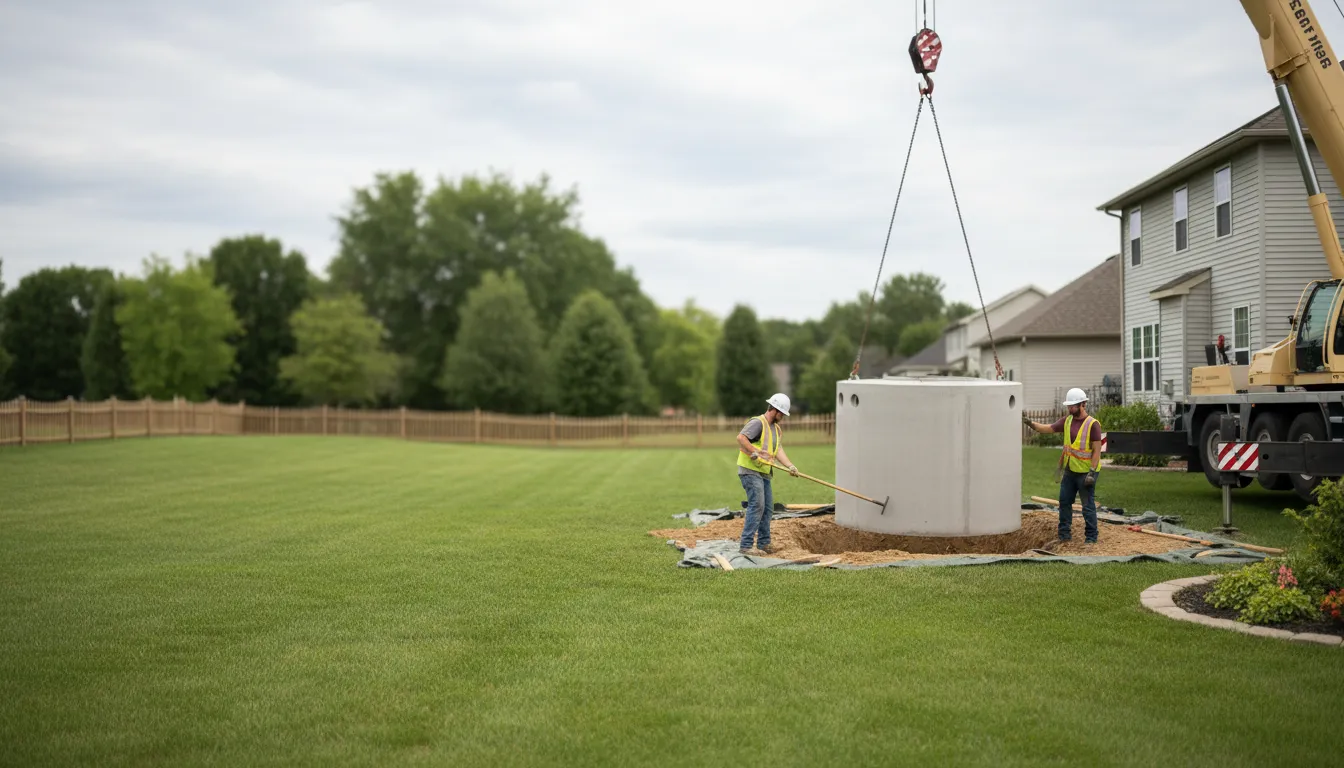
Find the Best Septic Tank Installation & Replacement Contractors for Your Business
No obligation • Fast responses • Nationwide coverage

Why you can trust Septic Spot
Septic Spot is a leading United States resource for understanding and comparing septic services. Our editors review providers using consistent criteria and verify key business details. Listings and scores are independent, and companies cannot pay to influence our content.
Search providers near you
Top Septic Tank Installation & Replacement Contractors in Lowell, Massachusetts Ranked
Installing or replacing a septic system is a significant home improvement project that ensures the safe and effective treatment of household wastewater. In Lowell, this process is governed by strict state and local health regulations designed to protect public health and the environment. This guide explains the key steps, requirements, and considerations for septic system work in Lowell, helping you understand what to expect and how to connect with qualified local professionals for your project.
Rooterman
67 Andover Rd, Billerica, MA 01821
Rooterman is a septic tank pumping, inspection, repair, and installation company serving Boston, MA. With over 50 years of experience since 1970, they provide residential and commercial septic services including certified Title V inspections and sewer and drain maintenance. Their team is licensed and insured, offering same-day service for most non-emergency issues and supporting property owners in maintaining safe and compliant septic systems.
Steve Sarette & Son Excavation
282 Goffstown Back Rd, Goffstown, NH 03045
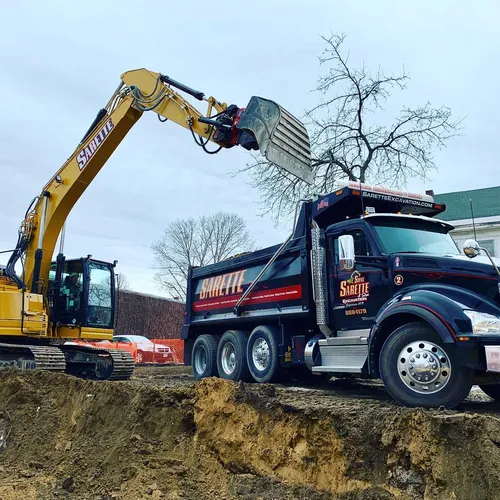
Steve Sarette & Son Excavation is a family-owned excavation company based near Manchester, NH. They provide a wide range of services including septic tank installation, road construction, sewer and water hookups, and light demolition. The company is fully insured, licensed, and bonded, serving residential, commercial, and municipal clients throughout Southern New Hampshire. Their expertise includes septic design and installation as well as commercial snow plowing and removal.
Northboro / Curtis Septic Service
124 Main St, Northborough, MA 01532
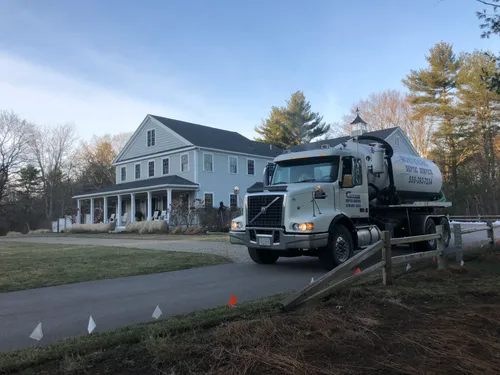
Northboro / Curtis Septic Service is a septic contractor based in Worcester, MA, offering a range of services including septic system installation, repair, pumping, cleaning, and maintenance for both residential and commercial clients. They also provide septic to town sewer conversions and Title 5 inspections across Worcester County and several surrounding counties. The company maintains strong relationships with local Boards of Health to ensure compliance and quality service.
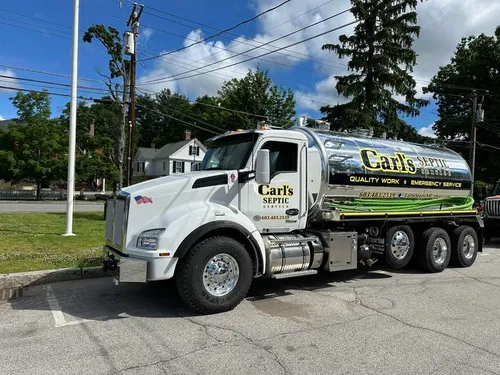
Carl's Septic Systems and Services in New Hampshire
320 Baker Rd, Candia, NH 03034
Carl's Septic Systems and Services in New Hampshire provides septic tank pumping, repair, and installation services in Manchester, NH. With over 40 years of experience, they serve both residential and commercial clients across New Hampshire. Their offerings include emergency septic services, routine maintenance, and commercial septic solutions, ensuring systems operate efficiently and meet regulatory standards. The company emphasizes reliable emergency response and comprehensive septic system care.
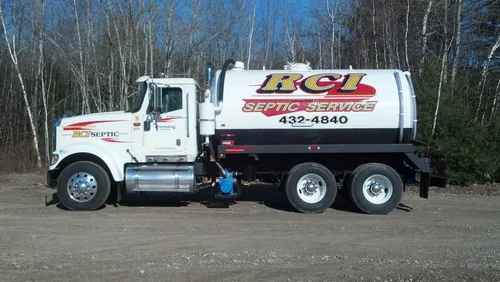
RCI Septic Service
Manchester, NH
RCI Septic Service is a family-owned septic company serving Manchester, NH, and the surrounding Southern New Hampshire region. They provide septic tank pumping, system repair, replacement, and installation services tailored to residential and commercial properties. With over 25 years of experience and a multi-generational team, they use up-to-date technology and quality materials to ensure efficient and environmentally friendly septic systems. Their capabilities include thorough septic tank pump-outs and full system installations, designed to maintain system health and longevity.
Understanding Septic System Basics
A septic system is an on-site wastewater treatment system, typically consisting of a septic tank and a soil absorption area, often called a drainfield or leach field. The tank separates solids from liquids, allowing clarified effluent to flow into the drainfield where it is further treated by the soil. When a system fails or a new home is built beyond municipal sewer lines, a new septic tank installation or a full system replacement becomes necessary. In Massachusetts, these systems must comply with the state's environmental code, commonly known as Title 5.
The Title 5 Regulatory Framework in Massachusetts
All septic system installations and replacements in Lowell must adhere to the Massachusetts Title 5 regulations (310 CMR 15.000). These rules are administered by the Massachusetts Department of Environmental Protection (MassDEP) and enforced locally by the Lowell Board of Health. Title 5 sets the standards for system siting, design, construction, and inspection to prevent groundwater contamination 1.
Key principles of Title 5 include:
- System Sizing: Systems must be sized based on the number of bedrooms in a home, not the number of bathrooms.
- Setback Requirements: Systems must be located specific distances from property lines, wells, water bodies, and buildings.
- Performance Standards: Systems must be designed to treat wastewater to a defined standard before it re-enters the environment.
Step-by-Step: The Installation & Replacement Process
Navigating a septic project involves a multi-stage process with several required approvals. Here's a typical roadmap for Lowell homeowners.
1. Initial Site Evaluation and Soil Testing
The first technical step is a soil evaluation, which includes a percolation (perc) test. This test measures the soil's ability to absorb water and is critical for determining the size and type of drainfield needed 2. A DEP-approved soil evaluator must conduct this test, and it is often witnessed by a local Board of Health agent 3. The results determine if the soil is suitable for a conventional system or if an alternative, more advanced treatment system is required.
2. System Design by a Licensed Professional
Once the soil evaluation is complete, a licensed professional engineer or sanitarian must design the septic system. The design must incorporate the soil data, comply with all Title 5 setbacks, and be appropriate for the property's specific conditions. The engineer prepares detailed plans that specify the tank size, drainfield layout, and all other components.
3. Obtaining Local Board of Health Approval
The engineered design plans are submitted to the Lowell Board of Health for review along with an application fee. The Board has 45 days to review the submission. Upon approval, they will issue a Disposal System Construction Permit (DSCP), which is required before any excavation can begin 4.
4. The Installation Phase
With permits in hand, a licensed septic installer can begin construction. The installation involves excavating for the septic tank and drainfield, placing the tank (which must be watertight and have specific access manholes 5), constructing the distribution box and leaching trenches, and connecting all piping from the house.
5. Required Inspections and Final Approval
The installation is subject to multiple inspections:
- Pre-cover Inspection: Before the tank and trenches are backfilled, a Board of Health agent or approved inspector must verify that the installation matches the approved plans 6.
- Final Inspection: After installation is complete and the system is operational, a final inspection is conducted. If it passes, the Board of Health issues a Certificate of Compliance (COC), which is the official document stating the system meets Title 5 standards. This certificate is crucial for property sales.
Find the perfect septic tank installation & replacement contractors for your needs
Get personalized recommendations and expert advice
Cost Considerations for Septic Work in Lowell
The cost of a new septic system installation or a full system replacement is substantial and can vary widely. It's important to budget for both professional services and physical construction.
- Design and Testing: The initial phase of soil evaluation and system design by a licensed engineer typically ranges from $2,000 to over $5,000.
- Installation: The total cost for the physical installation of a standard residential system in Lowell often starts around $20,000 and can easily exceed $40,0007 8. Several factors influence this cost:
- Soil Conditions: Poor soil (e.g., high clay content or high groundwater) may require a more expensive alternative system.
- System Type: Conventional trench systems are generally less costly than mound systems or advanced treatment units.
- Site Constraints: Difficult access, rocky terrain, or the need for extensive landscaping can increase labor and equipment costs.
- Tank Material: Concrete tanks are common, but plastic or fiberglass options may have different price points.
Choosing the Right Professional Team
Given the complexity and regulation of septic work, selecting the right team is critical. You will need to engage at least two key professionals:
- A licensed soil evaluator and system designer (typically a professional engineer).
- A licensed septic system installer certified by the state.
When evaluating providers, ask for references, verify their licenses with the state, and ensure they have extensive experience with the Lowell Board of Health's specific processes. A good professional will guide you through the permit process and communicate clearly about timelines and potential challenges.
Special Considerations for System Replacements
If you are replacing a failed system, the process is largely the same as a new installation. However, the Board of Health will require the old tank to be properly emptied and either removed or collapsed in place and filled with sand or gravel. The replacement system must be designed for the current use of the home and may need to be located in a different area of your yard than the original, depending on updated setback rules and soil conditions 9.
Maintaining Your New Investment
After a significant investment in a new septic system, proper maintenance is key to its longevity. This includes having the tank pumped regularly (typically every 3-5 years), conserving water, and avoiding flushing harmful chemicals or non-biodegradable materials. Protect your drainfield by never parking vehicles on it or planting trees with deep roots nearby.
Frequently asked questions
Sources
Footnotes
-
Summary: MassDEP Title 5 Amendments and Watershed Permit Regulations - https://www.chatham-ma.gov/DocumentCenter/View/5855/Summary-of-T5-Amendments-PDF ↩
-
Massachusetts Septic System Regulations, Title 5 (Title V), DEP, Perc - https://www.buyersbrokersonly.com/article-septic ↩
-
Soil Evaluations in Massachusetts - Berl Engineering - https://berlengineering.com/soil-evaluations ↩
-
The Septic System Design and Installation Process - https://frcog.org/wp-content/uploads/2022/09/The-Septic-System-Design-and-Installation-Process-for-Property-Owners.pdf ↩
-
Title 5 System Inspector Manual - https://baystatehub.com/wp-content/uploads/2024/05/System-Inspector-Manual.pdf ↩
-
Septic System Installation Checklist - Mass.gov - https://www.mass.gov/doc/septic-system-installation-checklist-0/download ↩
-
Massachusetts Title 5 Septic Rules | Martha's Vineyard Buyer ... - https://www.mvbuyeragents.com/title-5-septic-systems-faq ↩
-
Massachusetts Title 5 Septic Regulations Explained - https://primeengineering.org/massachusetts-title-5-septic-regulations-explained/ ↩
-
Massachusetts Title 5 Septic Rules - https://www.mvbuyeragents.com/title-5-septic-systems-faq ↩