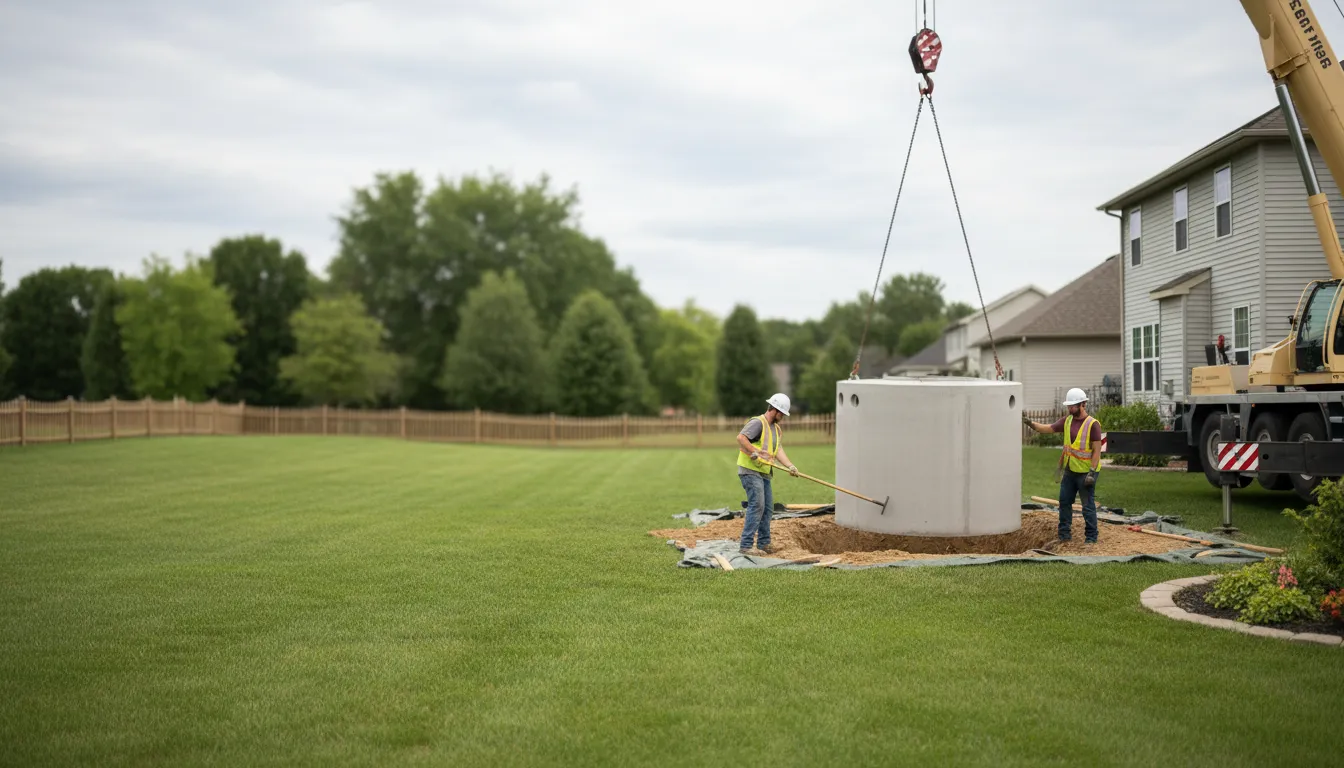
Find the Best Septic Tank Installation & Replacement Contractors for Your Business
No obligation • Fast responses • Nationwide coverage

Why you can trust Septic Spot
Septic Spot is a leading United States resource for understanding and comparing septic services. Our editors review providers using consistent criteria and verify key business details. Listings and scores are independent, and companies cannot pay to influence our content.
Search providers near you
Top Septic Tank Installation & Replacement Contractors in Malden, Massachusetts Ranked
Installing or replacing a septic system is a significant home improvement project that ensures the safe and sanitary treatment of household wastewater. In Malden, this process is governed by strict state and local health regulations, making it essential to work with knowledgeable professionals. This guide explains the key steps, costs, and regulations for septic system work in Malden, helping you understand what to expect and how to connect with qualified local installers.
Rooterman
67 Andover Rd, Billerica, MA 01821
Rooterman is a septic tank pumping, inspection, repair, and installation company serving Boston, MA. With over 50 years of experience since 1970, they provide residential and commercial septic services including certified Title V inspections and sewer and drain maintenance. Their team is licensed and insured, offering same-day service for most non-emergency issues and supporting property owners in maintaining safe and compliant septic systems.
Rosano Davis Sanitary Pumping Inc
9 Rocky Ln, Cohasset, MA 02025
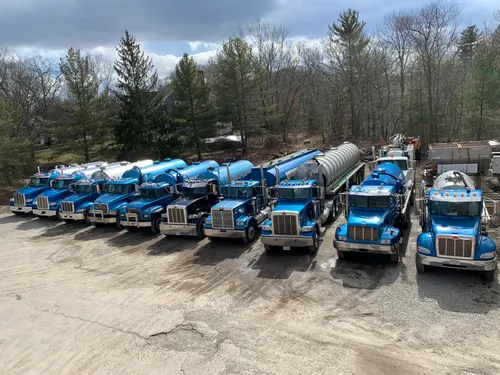
Rosano Davis Sanitary Pumping Inc is a family-owned septic system company serving Boston, MA. They provide a full range of services including septic system pumping, inspection, repair, and new system installation. Their capabilities include electronic locating of septic tanks and covers to minimize property disruption, as well as color video pipe inspection and high-pressure washing of leaching lines. The company manages all aspects of septic system installation, from excavation to landscaping, using their own equipment to ensure a complete service.
Northboro / Curtis Septic Service
124 Main St, Northborough, MA 01532
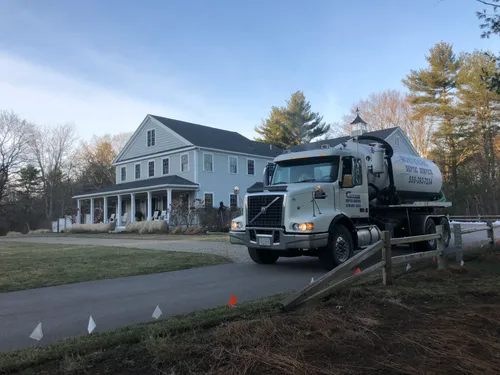
Northboro / Curtis Septic Service is a septic contractor based in Worcester, MA, offering a range of services including septic system installation, repair, pumping, cleaning, and maintenance for both residential and commercial clients. They also provide septic to town sewer conversions and Title 5 inspections across Worcester County and several surrounding counties. The company maintains strong relationships with local Boards of Health to ensure compliance and quality service.
Jones Contracting, Inc.
735 Washington St, Walpole, MA 02081
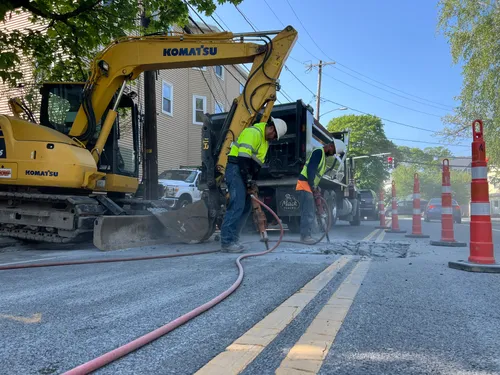
Jones Contracting, Inc. is a family-owned excavation and underground utility contractor based in Boston, MA. Serving homeowners, builders, and property managers throughout Greater Boston, they specialize in residential sewer, water, drainage, and septic tank installation work. Their services range from quick repairs to complex utility installations, including sitework packages and infrastructure projects on city streets and state highways. Founded in 2004, the company brings over 40 years of combined experience to their projects, offering practical insight and reliable guidance across residential, commercial, and municipal sectors.
Bateson Enterprises Inc
111 Argilla Rd, Andover, MA 01810
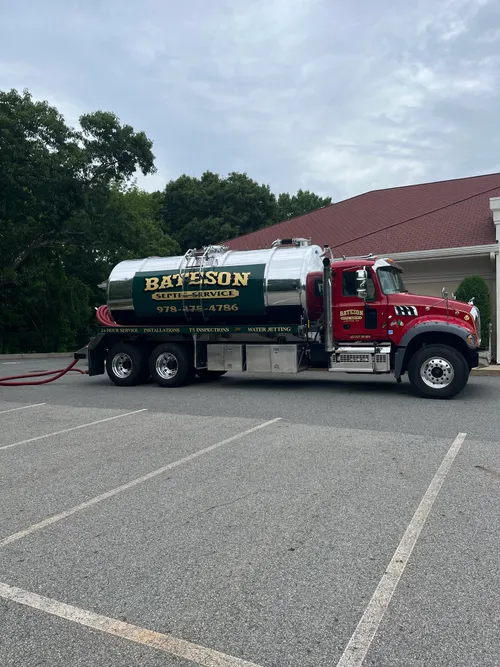
Bateson Enterprises Inc is a septic system company serving Lowell, MA, and the surrounding areas. They provide a range of septic services including tank installation, system repair, pumping, and inspections. The company also offers specialized services such as water jetting, mainline snaking, video inspection, and Title V inspections. With over 30 years of experience, Bateson Enterprises Inc handles all types of septic systems and related repairs. They are equipped to manage both maintenance and emergency needs for residential and commercial septic systems.
Understanding Septic System Regulations in Massachusetts
All septic system installations and replacements in Malden must comply with the Massachusetts State Environmental Code, Title 5 (310 CMR 15.000). This comprehensive set of rules is designed to protect public health and groundwater quality. The local Malden Board of Health (BOH) enforces these regulations and has the authority to approve plans and issue permits. Before any digging begins, you must obtain a "Permit to Construct" from the BOH, which requires submitting engineered plans for review. The Board has 45 days to review submitted plans, though revisions or complex sites can extend this timeline.
A variance may be necessary if your property cannot meet all standard Title 5 design requirements, such as minimum setback distances. Obtaining a variance requires approval from both the local Board of Health and potentially the Massachusetts Department of Environmental Protection (MassDEP), adding another layer of review to the project 1 2.
The Critical First Step: Site Evaluation and Soil Testing
A proper site evaluation is the foundation of any successful septic system project. This process determines what type of system your property can support and how large it needs to be.
- Percolation Test (Perc Test): This test measures how quickly water drains through the soil in the proposed leaching area. The results directly determine the size of the absorption field required.
- Deep Hole Test: This involves excavating a deep pit to examine soil profiles and, most importantly, to determine the seasonal high groundwater table. The bottom of the leaching field must be at least a specified distance above this level.
- Witnessing: A crucial regulatory step is that a representative from the Malden Board of Health must be present to witness both the deep hole and percolation tests to validate the findings 3.
Designing Your Septic System
Once soil data is collected, a licensed Massachusetts septic system engineer or designer creates the official system plan. The design is based on:
- The number of bedrooms in the home (a proxy for daily wastewater flow).
- The soil characteristics and percolation rate.
- The property's topography and available space.
- Local Board of Health requirements.
The design will specify all components, including the septic tank size, distribution box, and the layout and construction of the leaching field. This engineered plan is what you submit to the Board of Health for the Permit to Construct 4 5.
The Installation Process and Required Inspections
With permit in hand, installation can begin. This phase is heavily inspected to ensure compliance with the approved plans.
- Site Plan Review: An initial inspection may verify the staking and layout of the proposed system on your property.
- Open Hole Inspection: After excavation for the septic tank and leaching field, but before any components are placed, the BOH inspector will examine the excavations for depth, soil conditions, and groundwater.
- Installation Inspection: This is the final and most critical inspection. The inspector checks the installed tank, pipes, and leaching field before they are backfilled. They verify proper placement, connections, and ensure that the septic tank has adequate access ports-typically at least three, 20-inch diameter manholes for maintenance and pumping 6 7.
Only after the system passes this final inspection can it be covered with soil. The installer then provides the homeowner and the BOH with an "as-built" plan showing the exact location of all components for future reference.
Find the perfect septic tank installation & replacement contractors for your needs
Get personalized recommendations and expert advice
Cost Factors for Septic System Projects in Malden
The cost for a new septic system installation or full septic tank replacement in Malden typically ranges from $25,000 to $50,000 or more 8 9. Several variables influence the final price:
- System Design & Engineering: Fees for the site evaluation, soil testing, and creation of engineered plans.
- Permitting & Inspections: Fees paid to the Malden Board of Health for plan review, permits, and inspection services.
- Excavation & Labor: Costs for heavy equipment and labor to excavate and install the system.
- Materials: The septic tank itself (concrete is common), distribution boxes, piping, and leaching field materials (like stone and gravel or proprietary chambers).
- Site Challenges: Difficult access, rocky soil, high groundwater, or a small lot can significantly increase costs by requiring more complex engineering or alternative technologies.
For homeowners facing a necessary replacement, Massachusetts offers a Home Septic Loan Program to help finance the cost of replacing a failed system.
Choosing Between Repair, Replacement, or New Installation
Understanding your options is key:
- New Installation: Required for new construction on land without an existing system. Follows the full Title 5 process from soil testing to final inspection.
- System Replacement: Necessary when an existing system has irreparably failed (e.g., persistent surfacing effluent, contamination). It often involves a completely new leaching field in a new location on the property.
- Component Repair: If only one part is damaged (like a cracked tank inlet), repair may be possible. However, any repair still requires a permit from the Board of Health and must bring the system into compliance with current codes where feasible.
Maintaining Your New Septic System
After the significant investment of installation, proper maintenance is non-negotiable. A well-maintained system can last for decades. Key maintenance includes:
- Regular pumping of the septic tank (typically every 3-5 years).
- Avoiding flushing harmful chemicals or non-biodegradable materials.
- Preventing vehicle traffic and planting deep-rooted trees over the leaching field.
- Conserving water to avoid hydraulically overloading the system.
Protecting your investment starts with a flawless installation by a certified professional.
Frequently asked questions
Sources
Footnotes
-
Septic System Regulations in Massachusetts - https://www.mecindustries.com/morse-engineering-and-construction-industries/septic-system-regulations-in-massachusetts ↩
-
Title 5 septic system regulations : facts for consumers - https://archives.lib.state.ma.us/server/api/core/bitstreams/1a084553-08d1-43c2-a060-9daa614dbace/content ↩
-
chapter 7 - sanitary sewage disposal - https://www.mahb.org/wp-content/uploads/2016/01/gbook07.pdf ↩
-
Septic Systems & Title 5 New Construction - Mass.gov - https://www.mass.gov/info-details/septic-systems-title-5-new-construction ↩
-
How to Know if You Need a Septic System Permit - Pippin Home Designs - https://www.pippinhomedesigns.com/septic-system-permit/ ↩
-
Complete Septic System Installation: Process, Permits, And ... - https://www.theseptictankman.com/blog/complete-septic-system-installation-process-permits-and-pitfalls ↩
-
Title 5 System Inspector Manual - https://baystatehub.com/wp-content/uploads/2024/05/System-Inspector-Manual.pdf ↩
-
Massachusetts Title 5 Septic Rules | Martha's Vineyard Buyer ... - https://www.mvbuyeragents.com/title-5-septic-systems-faq ↩
-
Massachusetts septic system law - http://massrealestatelawblog.com/tag/massachusetts-septic-system-law/ ↩