
Find the Best Septic Tank Installation & Replacement Contractors for Your Business
No obligation • Fast responses • Nationwide coverage

Why you can trust Septic Spot
Septic Spot is a leading United States resource for understanding and comparing septic services. Our editors review providers using consistent criteria and verify key business details. Listings and scores are independent, and companies cannot pay to influence our content.
Search providers near you
Top Septic Tank Installation & Replacement Contractors in Peabody, Massachusetts Ranked
Installing or replacing a septic system is a significant home infrastructure project that ensures safe wastewater treatment for your property. In Peabody, this process is governed by strict state and local health regulations designed to protect public health and the environment. Understanding the steps, requirements, and local resources can help you navigate this complex process confidently, ensuring your new system is compliant, efficient, and built to last.
Rooterman
67 Andover Rd, Billerica, MA 01821
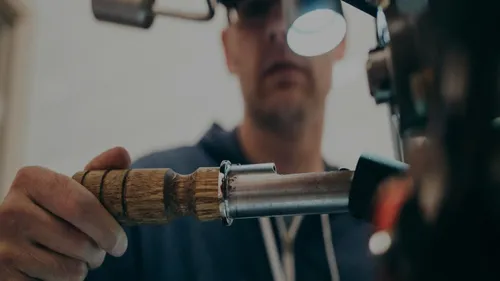
Rooterman is a septic tank pumping, inspection, repair, and installation company serving Boston, MA. With over 50 years of experience since 1970, they provide residential and commercial septic services including certified Title V inspections and sewer and drain maintenance. Their team is licensed and insured, offering same-day service for most non-emergency issues and supporting property owners in maintaining safe and compliant septic systems.
Rosano Davis Sanitary Pumping Inc
9 Rocky Ln, Cohasset, MA 02025
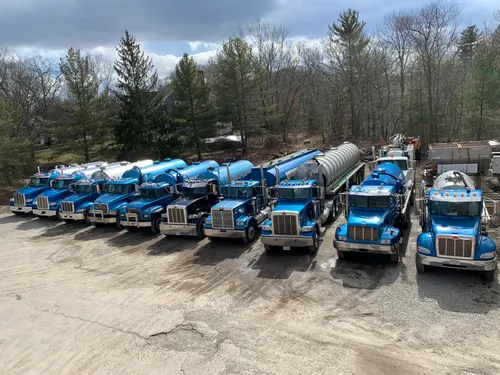
Rosano Davis Sanitary Pumping Inc is a family-owned septic system company serving Boston, MA. They provide a full range of services including septic system pumping, inspection, repair, and new system installation. Their capabilities include electronic locating of septic tanks and covers to minimize property disruption, as well as color video pipe inspection and high-pressure washing of leaching lines. The company manages all aspects of septic system installation, from excavation to landscaping, using their own equipment to ensure a complete service.
Bateson Enterprises Inc
111 Argilla Rd, Andover, MA 01810
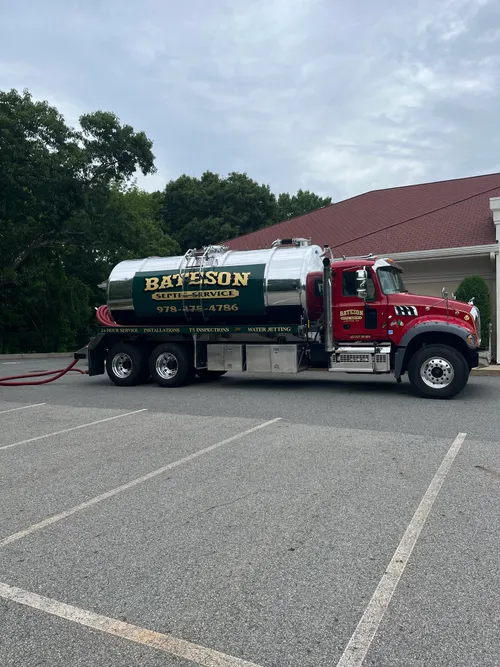
Bateson Enterprises Inc is a septic system company serving Lowell, MA, and the surrounding areas. They provide a range of septic services including tank installation, system repair, pumping, and inspections. The company also offers specialized services such as water jetting, mainline snaking, video inspection, and Title V inspections. With over 30 years of experience, Bateson Enterprises Inc handles all types of septic systems and related repairs. They are equipped to manage both maintenance and emergency needs for residential and commercial septic systems.

Titan Excavating, Inc
624 Commonwealth Ave, Newton, MA 02459
Titan Excavating, Inc is an excavation and septic services contractor located near Boston, MA. The company offers a range of sitework and septic solutions including septic tank installation, drain field installation, and drainage system services. Their capabilities include heavy-duty excavation, septic tank removal or reuse, contaminated soil removal, and installation of new drain fields. Titan Excavating, Inc is fully licensed and insured to handle excavation, trucking, hauling, and sewer services.
E.L. Margetts & Sons Inc.
97 Old Ward St, Hingham, MA 02043
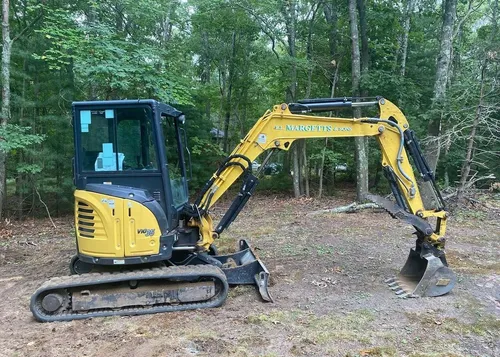
E.L. Margetts & Sons Inc. is a septic tank pumping, inspection, repair, and installation company serving Boston, MA. The business handles both residential and commercial septic systems, including Title 5 inspections. With over 100 years of service and four generations of family ownership, they bring extensive experience to their work. Emergency contact services are available through their office.
Understanding Massachusetts Title 5 Regulations
Any septic system installation or replacement in Peabody begins with the Massachusetts State Environmental Code, Title 5. These are the comprehensive regulations that set the standards for all subsurface sewage disposal systems in the state. The rules cover everything from system design and construction to inspection and maintenance. The local Board of Health is the primary authority responsible for enforcing Title 5 within Peabody, meaning all plans, permits, and inspections must go through their office 1.
Compliance isn't just a formality; it's a critical safeguard. A properly designed and permitted system prevents groundwater contamination, protects nearby water bodies, and ensures the long-term functionality of your wastewater treatment. Non-compliance can lead to system failure, costly fines, and legal liabilities. The process is designed to be thorough, involving professional site evaluation, engineered design, licensed installation, and multiple inspections 2.
The Step-by-Step Installation Process
Navigating a new septic system installation involves a series of defined stages. From initial evaluation to final sign-off, each step requires specific expertise and approvals.
1. Site Evaluation and Soil Testing
Before any design work can begin, a professional must assess your property's suitability for a septic system. The cornerstone of this evaluation is the soil percolation (perc) test. This test measures how quickly water drains through the soil on your lot, which directly determines the size and type of drainage field (or leach field) needed. A representative from the Peabody Board of Health typically must witness this test. The results, along with factors like soil composition, depth to groundwater, and site topography, form the basis for the entire system design.
2. System Design and Engineering
With the soil data in hand, a qualified professional-often a licensed civil or sanitary engineer-creates the septic system design. This plan specifies the exact location, size, and components of the system, including the septic tank, distribution box, and leach field. For standard sites, a certified Soil Evaluator may prepare the design. However, for properties with challenging conditions like small lots, high groundwater, or poor soil, a Professional Engineer (PE) is usually required. The design must demonstrate strict compliance with all Title 5 setbacks from wells, property lines, and buildings.
3. Permit Acquisition
The engineered design is submitted as part of a formal application to the Peabody Board of Health for a septic system construction permit. This application package often includes the soil evaluation report, the detailed design plans, and the applicable fees. The Board reviews the proposal to ensure it meets all local and state requirements. Gaining permit approval is a mandatory step before any excavation or installation work can legally begin 3.
4. Professional Installation
Once permits are secured, the physical installation can commence. In Massachusetts, only a state-licensed Disposal System Installer is authorized to perform the excavation and installation of the septic system components 4. This licensing ensures the contractor has the necessary knowledge of Title 5 standards and proper construction techniques. The installer will follow the approved plans, setting the tank, constructing the leach field with specific materials like gravel and piping, and ensuring all components are level and properly connected.
Find the perfect septic tank installation & replacement contractors for your needs
Get personalized recommendations and expert advice
5. Inspections and Final Approval
The installation is closely monitored through required inspections. A construction inspection occurs during installation, where a local health agent checks that the tank, pipes, and leach field are being built according to the permitted plans before they are covered 5. After installation is complete but before the system is backfilled, a final inspection is conducted. Passing this inspection is crucial, as it provides the official approval that the system is installed to code 6. Only after receiving this final sign-off should the installer backfill the trenches. The entire process, from initial permitting to final inspection, can typically take 3 to 4 months, depending on the complexity of the site and scheduling with local officials 7.
Key Considerations for System Replacement
Replacing a failed or outdated system follows a similar path to a new installation but comes with its own considerations. If you're selling your home, a passing Title 5 inspection is often required by law. If the inspection fails, the local Board of Health will issue a conditional approval for sale, mandating that a new system be designed and installed within a specified timeframe.
For replacement projects, a new soil evaluation and perc test are almost always required, as soil conditions can change over decades 8. Furthermore, the new system must be designed to meet current, more stringent Title 5 standards, which may require a larger footprint or more advanced technology than the original system. This can be a particular challenge on older, smaller lots in established Peabody neighborhoods.
Cost Factors for Septic Systems in Peabody
The cost for a new residential septic system installation in the Peabody area is a significant investment, generally ranging from $25,000 to $50,000 or more 9. Several key factors influence the final price:
- System Design & Technology: A conventional gravity-fed system is typically the most cost-effective. Properties with poor soil or high groundwater may require an advanced, engineered system (like a sand filter or aerobic treatment unit), which can substantially increase costs.
- Property Characteristics: The results of the soil perc test are a major cost driver. Poorly draining soil requires a much larger leach field. Lot slope, rock content, and the need for extensive clearing or excavation also add expense.
- System Size: The required capacity, based on the number of bedrooms in the home, determines the size of the tank and drainage field.
- Professional Services: Fees for the soil evaluator or engineer, the permit from the Board of Health, and the licensed installer all contribute to the total.
- Title 5 Inspection Costs: If you are replacing a system due to a sale, the inspection itself typically costs between $300 and $500 10.
Maintaining Your New Septic System
After your new system is installed and approved, proper maintenance is essential for its longevity and to avoid premature failure. This includes regular pumping of the septic tank (typically every 3-5 years, depending on usage), conserving water to avoid overloading the system, and avoiding flushing harmful chemicals or non-biodegradable materials. Keeping detailed records of all maintenance, inspections, and the original "as-built" system design is highly recommended for future reference or home sale.
Frequently asked questions
Sources
Footnotes
-
Septic System Regulations in Massachusetts - https://www.mecindustries.com/morse-engineering-and-construction-industries/septic-system-regulations-in-massachusetts ↩
-
How to Know if You Need a Septic System Permit - Pippin Home Designs - https://www.pippinhomedesigns.com/septic-system-permit/ ↩
-
Consumer Protection Tips: Septic System Inspections and Repairs - https://www.mass.gov/guides/consumer-protection-tips-septic-system-inspections-and-repairs ↩
-
Title 5 Septic Installer Policy | FRCOG - https://frcog.org/wp-content/uploads/2018/07/Title-5-Septic-Installer-Policy.pdf ↩
-
Septic Systems & Title 5 New Construction - Mass.gov - https://www.mass.gov/info-details/septic-systems-title-5-new-construction ↩
-
Title 5 System Inspector Manual - https://baystatehub.com/wp-content/uploads/2024/05/System-Inspector-Manual.pdf ↩
-
Massachusetts Title 5 Septic Regulations Explained - https://primeengineering.org/massachusetts-title-5-septic-regulations-explained/ ↩
-
Percolation Testing | Monson, Massachusetts - Excavation Plus - https://excavationplus.net/services/percolation-testing/ ↩
-
Massachusetts Title 5 Septic Rules | Martha's Vineyard Buyer ... - https://www.mvbuyeragents.com/title-5-septic-systems-faq ↩
-
Title 5 septic system regulations - State Library of Massachusetts - https://archives.lib.state.ma.us/server/api/core/bitstreams/1a084553-08d1-43c2-a060-9daa614dbace/content ↩