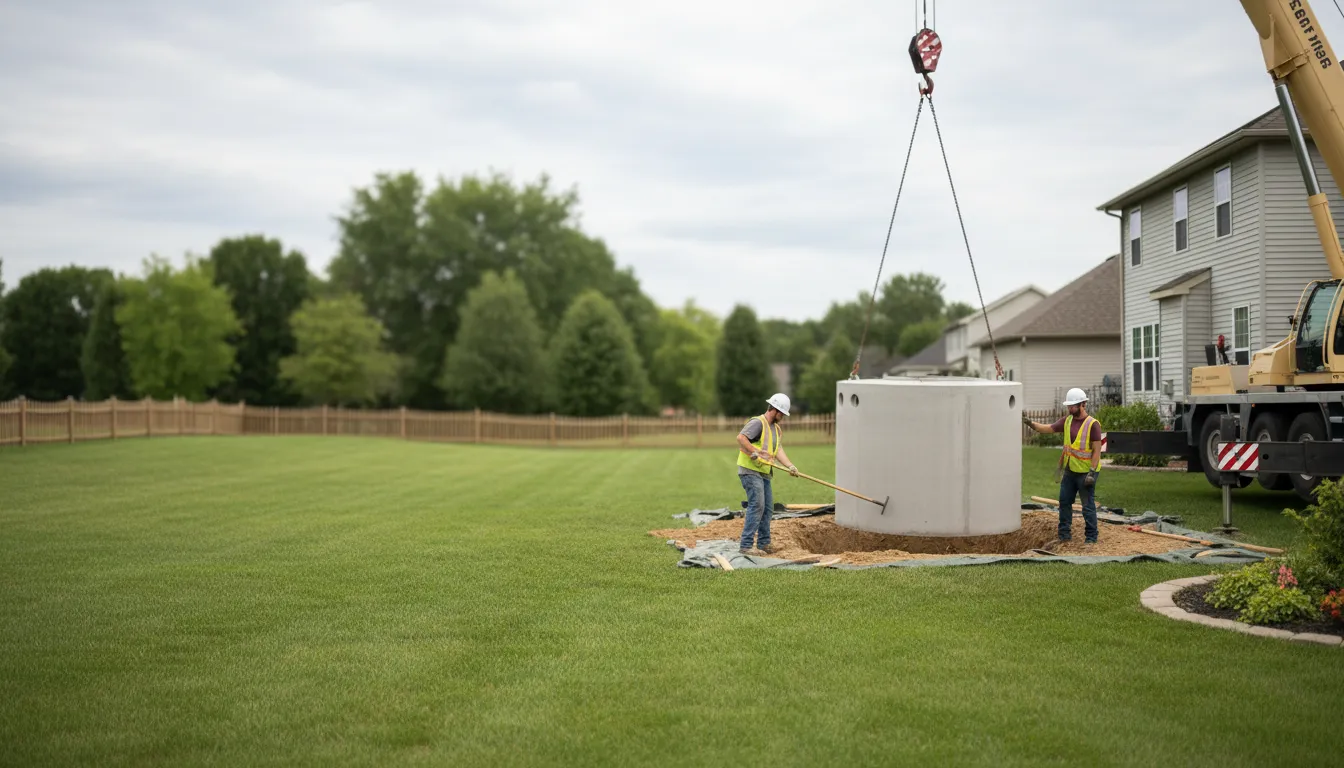
Find the Best Septic Tank Installation & Replacement Contractors for Your Business
No obligation • Fast responses • Nationwide coverage

Why you can trust Septic Spot
Septic Spot is a leading United States resource for understanding and comparing septic services. Our editors review providers using consistent criteria and verify key business details. Listings and scores are independent, and companies cannot pay to influence our content.
Search providers near you
Top Septic Tank Installation & Replacement Contractors in Revere, Massachusetts Ranked
Installing or replacing a septic system is a significant home improvement project that ensures safe and effective wastewater treatment for properties not connected to a municipal sewer line. In Revere, this process is governed by strict state and local health regulations designed to protect public health and the environment. This guide explains the key steps, regulations, and considerations for septic system work in Revere, helping you understand the process and connect with qualified local professionals for your project.
Rooterman
67 Andover Rd, Billerica, MA 01821
Rooterman is a septic tank pumping, inspection, repair, and installation company serving Boston, MA. With over 50 years of experience since 1970, they provide residential and commercial septic services including certified Title V inspections and sewer and drain maintenance. Their team is licensed and insured, offering same-day service for most non-emergency issues and supporting property owners in maintaining safe and compliant septic systems.
Rosano Davis Sanitary Pumping Inc
9 Rocky Ln, Cohasset, MA 02025
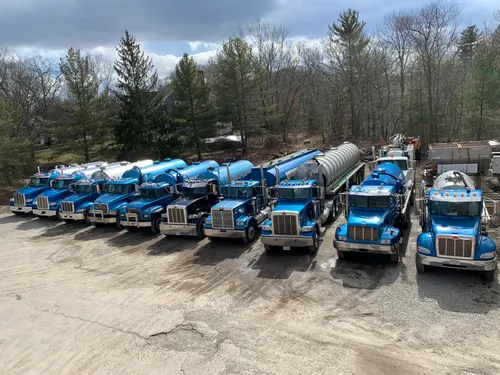
Rosano Davis Sanitary Pumping Inc is a family-owned septic system company serving Boston, MA. They provide a full range of services including septic system pumping, inspection, repair, and new system installation. Their capabilities include electronic locating of septic tanks and covers to minimize property disruption, as well as color video pipe inspection and high-pressure washing of leaching lines. The company manages all aspects of septic system installation, from excavation to landscaping, using their own equipment to ensure a complete service.
Jones Contracting, Inc.
735 Washington St, Walpole, MA 02081
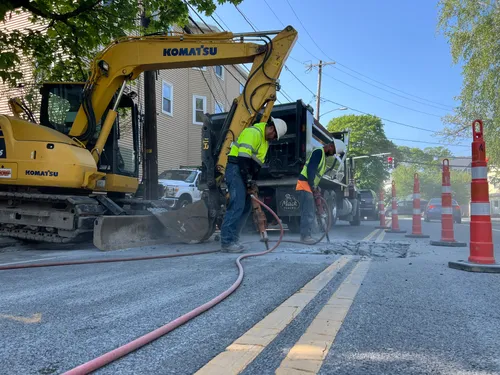
Jones Contracting, Inc. is a family-owned excavation and underground utility contractor based in Boston, MA. Serving homeowners, builders, and property managers throughout Greater Boston, they specialize in residential sewer, water, drainage, and septic tank installation work. Their services range from quick repairs to complex utility installations, including sitework packages and infrastructure projects on city streets and state highways. Founded in 2004, the company brings over 40 years of combined experience to their projects, offering practical insight and reliable guidance across residential, commercial, and municipal sectors.
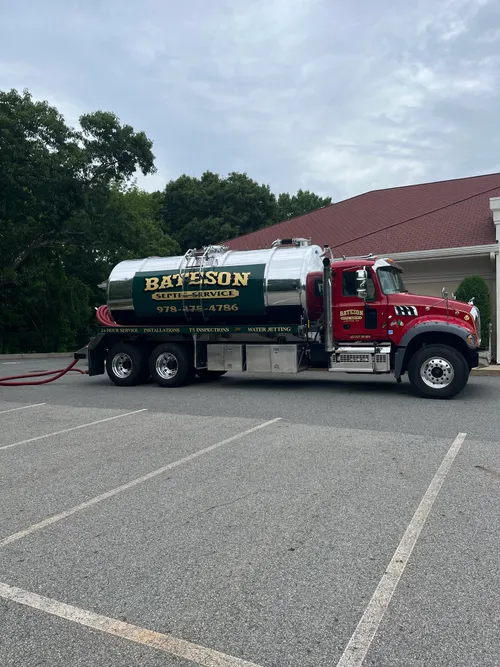
Bateson Enterprises Inc
111 Argilla Rd, Andover, MA 01810
Bateson Enterprises Inc is a septic system company serving Lowell, MA, and the surrounding areas. They provide a range of septic services including tank installation, system repair, pumping, and inspections. The company also offers specialized services such as water jetting, mainline snaking, video inspection, and Title V inspections. With over 30 years of experience, Bateson Enterprises Inc handles all types of septic systems and related repairs. They are equipped to manage both maintenance and emergency needs for residential and commercial septic systems.
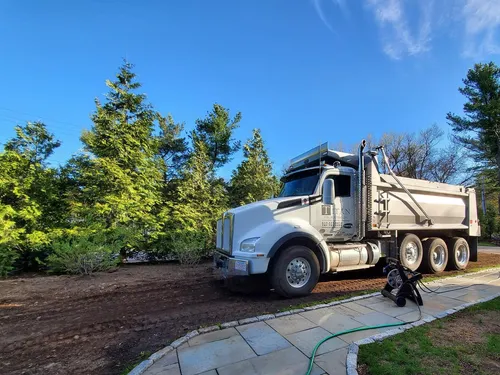
Titan Excavating, Inc
624 Commonwealth Ave, Newton, MA 02459
Titan Excavating, Inc is an excavation and septic services contractor located near Boston, MA. The company offers a range of sitework and septic solutions including septic tank installation, drain field installation, and drainage system services. Their capabilities include heavy-duty excavation, septic tank removal or reuse, contaminated soil removal, and installation of new drain fields. Titan Excavating, Inc is fully licensed and insured to handle excavation, trucking, hauling, and sewer services.
Understanding Massachusetts Title 5 Regulations
All septic system installations and replacements in Revere must comply with the Massachusetts Title 5 code (310 CMR 15.000) 1. This comprehensive set of state regulations sets the standard for the design, construction, inspection, and maintenance of on-site sewage disposal systems. The local enforcing authority is typically the Revere Board of Health, which reviews plans, issues permits, and conducts mandatory inspections. Adherence to Title 5 is not optional; it's a legal requirement for obtaining a certificate of compliance, which is essential for property sales, new construction, and major renovations.
The core purpose of these rules is to prevent groundwater contamination and public health hazards. They dictate everything from the minimum distance a leaching field must be from wells and property lines to the specific engineering standards for tanks and distribution boxes. Because Revere is in a coastal region, it may also fall under newer regulations for nitrogen-sensitive areas, which could require advanced treatment technology beyond a conventional system. Working with professionals familiar with both state code and local Revere requirements is crucial for a successful project.
The Step-by-Step Installation Process
Replacing an old septic tank or installing a new one involves a multi-stage process with several key players, including a soil evaluator, a professional engineer, the Board of Health, and a licensed installer.
-
Initial Site Assessment and Soil Evaluation: The first technical step is a soil evaluation, often called a "perc test" (percolation test). A certified soil evaluator excavates test pits and measures how quickly water drains through the soil 2 3. This test determines the soil's absorption rate and is critical for designing the size and type of leaching field. The test must often be witnessed by a local Board of Health agent 2.
-
System Design by a Professional Engineer: Using the data from the soil evaluation, a licensed professional engineer designs the septic system. This design includes specifications for the tank, distribution box, piping, and the soil absorption system (leach field). The engineer's plans must demonstrate full compliance with Title 5 4 5.
-
Permit Application and Approval: The engineered design, along with a completed application, is submitted to the Revere Board of Health for a septic system permit 6 7. The board reviews the plans for compliance. No excavation or installation work can legally begin until this permit is issued.
-
Installation by a Licensed Contractor: Once the permit is secured, a licensed septic system installer can begin construction. They will follow the approved plans exactly, installing the tank, distribution box, and leaching field according to code.
Find the perfect septic tank installation & replacement contractors for your needs
Get personalized recommendations and expert advice
Mandatory Inspections During Installation
Title 5 requires specific inspections at critical points during the installation process. These are typically performed by a certified Title 5 inspector or a Revere Board of Health agent 8 9. Failing an inspection can halt construction and require costly corrections.
- Deep Hole/Perc Test Inspection: An agent may inspect the test pits dug during the soil evaluation to verify soil conditions.
- Component Inspection: Before components are buried, the inspector will examine the septic tank, distribution box, and piping for proper construction and placement.
- Final "As-Built" Inspection: Upon completion of the entire system, a final inspection is mandatory. The installer must provide "as-built" plans showing the system's exact location. Passing this final inspection is necessary to receive the certificate of compliance.
If an existing system is being replaced and some components are still functional, an inspector may issue a "conditional pass," allowing salvageable parts like tanks or pipes to remain if they meet specific criteria 10.
Cost and Timeline Considerations
A full septic system installation or replacement is a substantial investment. For a residential property in Revere, total project costs typically range from $25,000 to over $50,000 11 12. Several factors influence the final price:
- System Design and Technology: A standard gravity-fed system is generally less expensive than a pressure-dosed system or an advanced treatment system, which may be required in environmentally sensitive areas near the coast 13.
- Soil and Site Conditions: Poor soil percolation requires a larger leaching field, increasing cost. Difficult site access, rocky terrain, or high groundwater tables can also add significant expense.
- System Size: The size of the home (number of bedrooms) dictates the required capacity of the tank and leaching field.
The timeline from initial soil test to a fully operational system is often 3 to 4 months. This period encompasses the evaluation, design, permit approval, installation, and inspections. Delays can occur based on the availability of Board of Health agents for inspections or if redesigns are required.
Choosing the Right System for Your Property
Not all septic systems are the same. The right type for your Revere property depends primarily on the results of the soil evaluation and your location.
- Conventional Gravity Systems: These are the most common type where wastewater flows by gravity from the home to the tank and then out to a subsurface leaching field. They are suitable for properties with adequate soil depth and permeability.
- Pressure-Dosed Systems: In these systems, effluent is pumped from the tank to the leaching field in controlled doses. This is often used when the leaching field is uphill from the tank or to improve distribution across the field.
- Advanced Treatment Systems (ATS): Also known as nitrogen-reducing systems, these are increasingly required in nitrogen-sensitive areas, including many coastal communities in Massachusetts. They use additional technology to treat wastewater to a higher standard before it reaches the groundwater 14 15 16.
Your design engineer will recommend the most appropriate and code-compliant system type based on your specific site constraints and local regulations.
Planning for a Successful Project
A successful septic installation requires careful planning and coordination. Start by consulting with local septic professionals who have a proven track record with the Revere Board of Health. Ensure all contractors-the soil evaluator, engineer, and installer-are properly licensed and insured in Massachusetts. Be prepared for the financial outlay and the timeline, and understand that the process is highly regulated for good reason. A properly designed and installed system is a long-term asset that protects your property value and the local environment.
Frequently asked questions
Sources
Footnotes
-
Consumer Protection Tips: Septic System Inspections and Repairs - https://www.mass.gov/guides/consumer-protection-tips-septic-system-inspections-and-repairs ↩
-
Soil Evaluations in Massachusetts - Berl Engineering - https://berlengineering.com/soil-evaluations ↩ ↩2
-
Percolation Testing | Monson, Massachusetts - Excavation Plus - https://excavationplus.net/services/percolation-testing/ ↩
-
Getting a New Septic System Designed by an Engineer in ... - https://pmpconsultinginc.com/demystifying-the-process-getting-a-new-septic-system-designed-by-an-engineer-in-massachusetts/ ↩
-
Massachusetts Title 5 Septic Regulations Explained - https://primeengineering.org/massachusetts-title-5-septic-regulations-explained/ ↩
-
Septic Systems & Title 5 New Construction - Mass.gov - https://www.mass.gov/info-details/septic-systems-title-5-new-construction ↩
-
How to Know if You Need a Septic System Permit - Pippin Home Designs - https://www.pippinhomedesigns.com/septic-system-permit/ ↩
-
Buying or Selling Property with a Septic System - Mass.gov - https://www.mass.gov/guides/buying-or-selling-property-with-a-septic-system ↩
-
RE22RC25: Title 5 - Mass.gov - https://www.mass.gov/info-details/re22rc25-title-5 ↩
-
Guidance for the Inspection of On-site Sewage Disposal ... - https://www.mass.gov/guides/guidance-for-the-inspection-of-on-site-sewage-disposal-systems ↩
-
Massachusetts Title 5 Septic Rules | Martha's Vineyard Buyer ... - https://www.mvbuyeragents.com/title-5-septic-systems-faq ↩
-
Massachusetts Septic System Regulations, Title 5 (Title V), DEP, Perc - https://www.buyersbrokersonly.com/article-septic ↩
-
Perc Test Cost | Septic Perc Test Cost - https://www.fixr.com/costs/perc-test ↩
-
Massachusetts law about Title 5 and septic systems - Mass.gov - https://www.mass.gov/info-details/massachusetts-law-about-title-5-and-septic-systems ↩
-
Introduction to MA Regulation Changes: Septic Systems and Watershed Permits - https://www.falmouthma.gov/DocumentCenter/View/15095/WQMC-Presentation-07-31-2023-Title-5-and-Watershed-Permit-Regulations ↩
-
Septic Systems - https://www.falmouthma.gov/697/Septic-Systems ↩