
Find the Best Septic Tank Installation & Replacement Contractors for Your Business
No obligation • Fast responses • Nationwide coverage

Why you can trust Septic Spot
Septic Spot is a leading United States resource for understanding and comparing septic services. Our editors review providers using consistent criteria and verify key business details. Listings and scores are independent, and companies cannot pay to influence our content.
Search providers near you
Top Septic Tank Installation & Replacement Contractors in Blaine, Minnesota Ranked
Installing or replacing a septic system is a significant home infrastructure project that requires careful planning, professional expertise, and strict adherence to local regulations. In Blaine, this process is governed by specific city codes that go beyond Minnesota state standards to protect public health and the local environment. This guide explains the critical steps, local requirements, and key considerations for septic system installation and replacement, helping you understand how to navigate the process and connect with qualified local professionals for your project.
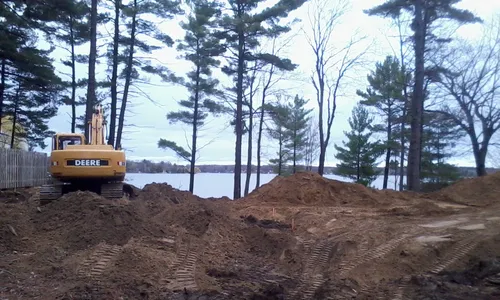
Understanding Blaine's Septic System Regulations
Before breaking ground on any new septic tank installation or system replacement, understanding Blaine's unique regulatory landscape is essential. The City of Blaine enforces rules that supplement the Minnesota Pollution Control Agency (MPCA) guidelines, creating a framework designed for local soil and water conditions.
A cornerstone of Blaine's approach is tank sizing. The city often requires septic tanks to be sized 50% larger than the minimum capacity outlined in Minnesota Rules 7080 or 7081 1. This extra capacity provides a greater margin of safety, allowing for more effective separation of solids and extending the life of the drainfield. Furthermore, all design and installation work must be completed by an MPCA-licensed installer or maintainer, ensuring the system meets both state and local performance standards.
Proper placement, or setbacks, is another critical regulation. In Blaine, a septic tank must be at least 10 feet from any occupied building and 20 feet from the drainfield. The entire system must also maintain a minimum 10-foot separation from property lines and roads. These distances are designed to prevent contamination and allow for future maintenance or repairs.
The Permit Process: From Application to Approval
Securing a permit is a non-negotiable first step for any new or replacement septic system in Blaine. The process is designed to ensure your project plan is sound and compliant before any work begins.
Step 1: Review and Prepare. This initial phase involves gathering all necessary documents. You will typically work with your licensed installer to prepare detailed design documents, a site plan showing the proposed system location and setbacks, and the crucial soil analysis data 2.
Step 2: Apply. Applications are generally submitted online through the city's iMS account system, often by the licensed installer on the homeowner's behalf. Required documents usually include the sewer design, a management and operational plan for long-term care, and the official soil analysis report 3.
Step 3: Review & Fees. Once submitted, the city reviews the plans for compliance. This stage involves paying the associated permit fees. It's important to account for this review time in your project schedule and not begin excavation until you have received formal plan approval from the city.
Step 4: Schedule Inspections. The permit will outline required inspections. It's advised to schedule these with the city at least 3-4 business days in advance to avoid project delays. Key inspections occur at the pre-installation, rough-in, and final stages before the system is covered.
Critical First Step: Soil Testing and System Design
The type and size of the septic system your property can support are dictated almost entirely by the soil. A proper soil evaluation is the most important technical factor in designing a functional and long-lasting system.
In Blaine, a minimum of three soil test pits (or borings) are required to evaluate the soil's structure, texture, and seasonal saturation level 4. A qualified soil evaluator examines these pits to determine the soil's permeability (how quickly water drains) and to verify the depth to a limiting condition, such as bedrock or a high water table 5 6.
The results of this analysis directly determine the system design. For instance, soil with good permeability may allow for a standard trench drainfield. If the soil drains poorly or the water table is high, the design may require a more complex (and costly) system like a raised mound or at-grade system to ensure proper treatment 7. This data is foundational for creating the MPCA-compliant design required for your permit application.
Installation Steps and Key Inspections
Once permits are secured and the design is finalized, the physical installation can begin. This process follows a sequence of steps, each punctuated by a mandatory city inspection.
- Site Preparation & Pre-Installation Inspection: The installation area is excavated according to the approved plans. The city inspector will visit the site to examine the excavated area and confirm the soil conditions match the evaluation report before any system components are placed.
- System Rough-In Inspection: The septic tank and drainfield piping are set in place but left uncovered. The inspector checks that all components are correctly positioned, properly connected, and meet the specifications of the approved design.
- Final Inspection: This is the most critical inspection. After the tank and pipes are installed, but before they are backfilled (covered with soil), the city conducts a final review. The inspector verifies the entire installation, including the operation of any required test pumps and alarms. Only after passing this inspection can the system be buried. The installer must also provide "as-built" drawings showing the system's exact installed location.
Find the perfect septic tank installation & replacement contractors for your needs
Get personalized recommendations and expert advice
Understanding Costs and Long-Term Responsibilities
The cost of a septic system installation or replacement in Blaine varies widely based on system type, soil conditions, and property specifics. Labor for excavation and installation alone can range from $2,000 to over $4,000, excluding materials like the tank and piping 8 9. For a complete new standard system in Minnesota, homeowners can expect a total cost ranging from $5,000 to over $20,000 8 10. Mound systems, often required for challenging soil, are generally at the higher end of this spectrum due to the additional materials and labor involved 11.
Your responsibility doesn't end once the system is buried. To ensure long-term functionality and environmental protection, Blaine requires homeowners to submit a maintenance report every three years 12. This report, typically completed by an MPCA-licensed maintainer, documents that the tank has been pumped and the system inspected. Proactive maintenance is far less expensive than emergency repairs or a full system failure.
Choosing the Right Professional for Your Project
Given the complexity of regulations and the technical nature of the work, selecting the right licensed professional is paramount. Look for an installer or designer who holds a current MPCA license and has extensive experience with Blaine's specific city codes, including the 50% tank sizing rule. They should be willing to guide you through the entire process-from initial soil testing and permit application to coordinating inspections and providing as-built documentation. A reputable professional will view the permit process as a collaborative step with the city to ensure a safe, compliant, and durable system for your home.
Frequently asked questions
Sources
Footnotes
-
City of Blaine Anoka County, Minnesota - https://mcclibraryfunctions-stage.azurewebsites.us/api/ordinanceDownload/19960/694077/pdf ↩
-
§ 51.63 REQUIRED SEPTIC TANK SIZING AND TANK ... - https://codelibrary.amlegal.com/codes/applevalley/latest/applevalley_mn/0-0-0-1497 ↩
-
Indiana Septic Tank Requirements | On-Site Sewage Systems - https://www.ntotank.com/blog/indiana-septic-tank-requirements ↩
-
INSTALLING, REPLACING, OR REPAIRING A SEPTIC SYSTEM - https://maplewoodmn.gov/DocumentCenter/View/8786 ↩
-
The Builder's Guide to Septic Permit Services - https://landperc.com/septic-permit-services-builders/ ↩
-
Unfiltered Guide to Understanding Septic Systems - https://smalljobsplumbinginc.com/an-unfiltered-guide-to-understanding-septic-systems/ ↩
-
What are the different types of onsite septic systems? - https://www.wieserseptic.com/different-types-of-onsite-septic-systems ↩
-
Septic Information | Blaine, MN - https://www.blainemn.gov/994/Septic-Information ↩ ↩2
-
Cost to Install a Septic System in Minneapolis [2026 Data] - Angie's List - https://www.angi.com/articles/what-does-it-cost-install-septic-system/mn/minneapolis ↩
-
SSTS installation | Minnesota Pollution Control Agency - https://www.pca.state.mn.us/business-with-us/ssts-installation ↩
-
Septic System Installation Costs: Budgeting Tips for Home - https://smartsepticpros.com/blog/septic-system-installation/ ↩
-
Septic System Maintenance Reporting - Blaine, MN - https://www.blainemn.gov/CivicAlerts.asp?AID=3399 ↩