
Find the Best Septic Tank Installation & Replacement Contractors for Your Business
No obligation • Fast responses • Nationwide coverage

Why you can trust Septic Spot
Septic Spot is a leading United States resource for understanding and comparing septic services. Our editors review providers using consistent criteria and verify key business details. Listings and scores are independent, and companies cannot pay to influence our content.
Search providers near you
Top Septic Tank Installation & Replacement Contractors in Rochester, Minnesota Ranked
Installing or replacing a septic system is a significant home improvement project that requires careful planning and adherence to strict state and local regulations. In Minnesota, these systems, officially known as Subsurface Sewage Treatment Systems (SSTS), are governed by rules designed to protect public health and the state's abundant water resources. This guide explains the regulatory process, costs, and key considerations for homeowners, helping you navigate the steps to find qualified local professionals for your project.
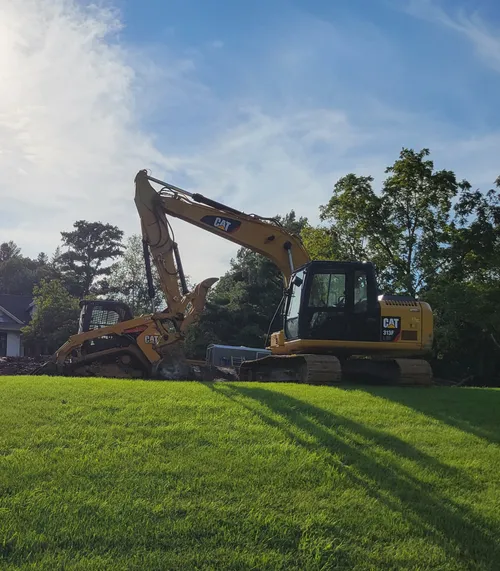
Gopher Septic Services Inc
Rochester, MN
Gopher Septic Services Inc is a family-owned business serving Rochester, MN, and the surrounding area with over 40 years of experience. They offer a full range of septic services including pumping, inspections, installations of various system types, and pump or switch replacements. The company is licensed to perform compliance inspections and service systems under state or local permits. They provide line jetting and thawing to address clogged or frozen lines. Gopher Septic also offers same day and after-hours emergency service.
Hebl Septic LLC
11846 Oak Ave SW, Stewartville, MN 55976
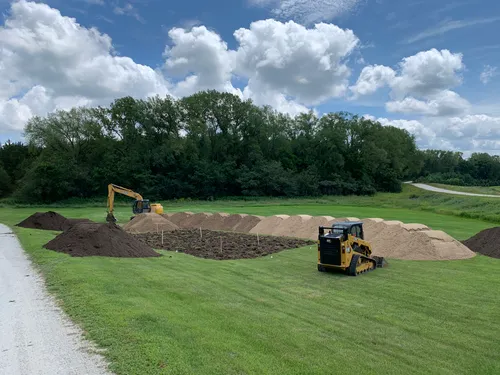
Hebl Septic LLC is a locally owned and operated septic tank installation contractor serving Rochester, MN. The company offers comprehensive septic installation services from start to finish, ensuring attention to detail and quality throughout the process. Fully licensed and insured, Hebl Septic LLC focuses on providing a thorough septic design process and customer support during the project.

Gopher Septic Services
9124 County Rd 105 NW, Pine Island, MN 55963
Gopher Septic Services is a family-owned septic company serving Rochester, MN, and surrounding areas. With over 40 years of experience and four generations in the business, they provide a full range of septic services including pumping, inspections, repairs, and installations of various system types such as mounds, at-grades, gravity systems, and holding tanks. They also offer line jetting and thawing to clear clogs and frozen lines, along with pump and switch replacements. Licensed to perform compliance inspections and service systems under state or local permits, Gopher Septic Services offers same day and after-hours emergency service.
Understanding Minnesota's Septic System Regulations
All septic system work in Minnesota is regulated under Minnesota Rules Chapters 7080-7083, which are enforced by the Minnesota Pollution Control Agency (MPCA) and local government units. The primary goal of these rules is to prevent groundwater and surface water contamination by ensuring systems are properly sited, designed, and installed. A core requirement is that only state-licensed professionals can legally design, install, and inspect SSTS. This licensing ensures that individuals working on your system have the necessary training to comply with complex technical standards.
Before any shovel hits the ground, you must obtain a permit from your local county, city, or township planning and zoning department 1. The permit process is your local authority's method of reviewing and approving the proposed system design for your specific property. It's also important to note that many Minnesota counties require a compliance inspection by a licensed inspector before a property can be sold or transferred, making a well-maintained and permitted system crucial for real estate transactions 2.
The Critical Role of Soil Evaluation and Site Planning
The most important factor determining the type and design of your septic system is your property's soil. State law requires a detailed soil evaluation, conducted by a licensed designer, to create a soil observation log. This evaluation determines the soil type, depth to bedrock, and seasonal high-water table level. These conditions dictate the system's "vertical separation"-the required distance (at least 3 feet) of unsaturated soil between the bottom of the drainfield and limiting conditions like groundwater or rock.
System sizing in Minnesota is generally based on the number of bedrooms in a home, which serves as a proxy for potential daily sewage flow 3. Local ordinances also enforce mandatory setbacks, which are minimum distances the system must be placed from structures and property lines. For example, septic tanks typically must be at least 10 feet from a building, and drainfields must be 20 feet from buildings and 10 feet from property lines 4 5. Your licensed designer will factor all these elements into the official plot plan submitted for your permit.
Step-by-Step: The Installation and Replacement Process
Navigating a septic project involves a series of defined steps. Understanding this workflow can help you manage the project smoothly.
- Site Evaluation & Design: A licensed designer visits your property to perform the mandatory soil evaluation and assess the site. They then create a custom system design and plot plan that meets all state and local requirements for your specific conditions 6.
- Permit Application: You or your contractor submit the designer's plan, along with the permit application and fee, to your local government unit (county, city, or township) for review and approval 7 8.
- Installation: Once the permit is issued, a licensed installer can begin construction. This involves excavating, placing the tank and piping, and constructing the drainfield according to the exact specifications of the approved design.
- Final Inspection (Pre-Backfill): This is a critical, legally required step. Before the installer covers the tank and drainfield with soil, a local inspector must visit the site to verify that the installation matches the permitted design. Do not allow backfilling before this inspection occurs.
- Certificate of Compliance: After passing the final inspection, the installer submits an "as-built" record drawing to the local authority. Once this is received, the county will issue a Certificate of Compliance, which is your official record that the system was installed properly 9 10.
Find the perfect septic tank installation & replacement contractors for your needs
Get personalized recommendations and expert advice
Types of Systems and Associated Costs
The cost of a septic system in Minnesota varies dramatically based on the system type required by your soil conditions. Always obtain multiple detailed bids from licensed installers for an accurate estimate for your property.
- Standard Trench or Bed System: This is a conventional, gravity-fed system suitable for properties with deep, permeable soils and a deep water table. It is generally the most affordable option, with installation costs typically ranging from $5,000 to $10,000 for a standard residential installation.
- Mound or Alternative Treatment Systems: If your soil is shallow, dense, or has a high water table, a standard system won't work. In these cases, a mound system (which builds an elevated drainfield above ground level) or another alternative technology (like a pressurized drip or aerobic treatment unit) is required. These systems are more complex and expensive, often costing between $10,000 and $20,000 or more 11 12 13.
- System Repair vs. Full Replacement: Not all problems require a completely new system. Repairs like replacing tank baffles, adding inspection risers, or repairing a small section of drainfield pipe are less costly. However, a full drainfield failure typically necessitates a replacement, which involves the full cost of a new system, including design and permitting 14.
Maintaining Your New System and Planning for the Future
After investing in a new septic system, proper maintenance is key to protecting your investment and ensuring longevity. Have the tank pumped regularly by a licensed maintenance professional-typically every 3 to 5 years, depending on usage. Keep detailed records of all pumping, inspections, and repairs. Avoid pouring harsh chemicals, grease, or non-biodegradable materials down the drain, and never drive or build over any part of the drainfield.
If you are considering a home addition that adds bedrooms, consult with a licensed designer first, as this may require upsizing your existing system and obtaining a new permit. For homeowners with older systems, a voluntary inspection can identify potential issues before they become emergencies or complicate a future property sale.
Frequently asked questions
Sources
Footnotes
-
Septic Permits - Pine County - https://www.pinecountymn.gov/departments/planning_and_zoning/apply_for_a_septic_permit.php ↩
-
Septic Systems (SSTS) | Maplewood, MN - https://maplewoodmn.gov/947/Septic-Systems-SSTS ↩
-
Septic | Chisago County, MN - Official Website - https://www.chisagocountymn.gov/373/Septic ↩
-
All about septics | Onsite Sewage Treatment Program - https://septic.umn.edu/all-about-septics ↩
-
7083 - MN Rules Chapter - https://www.revisor.mn.gov/rules/7083/full ↩
-
Septic Systems | Scott County, MN - https://www.scottcountymn.gov/604/Septic-Systems ↩
-
Septic Permit Applications - Otter Tail County, MN - https://ottertailcounty.gov/licenses-permits-records-and-inspections/property-development/septic-permit-applications/ ↩
-
Septic Systems | Stevens County, MN - Official Website - https://www.co.stevens.mn.us/910/Septic-Systems ↩
-
On-site Septic Systems | Clay County, MN - Official Website - https://claycountymn.gov/316/On-site-Septic-Systems ↩
-
Septic Systems - Dakota County - http://www.co.dakota.mn.us/Environment/WaterResources/SepticSystem/Pages/construction-replacement.aspx ↩
-
Septic systems | Minnesota Pollution Control Agency - https://www.pca.state.mn.us/business-with-us/septic-systems ↩
-
Septic Systems - Dakota County - http://www.co.dakota.mn.us/Environment/WaterResources/SepticSystem/Pages/default.aspx ↩
-
Septic System Installation Cost | New Septic System Cost - https://www.fixr.com/costs/install-septic-tank-system ↩
-
Understanding the Costs: Septic Inspection and Repair in Bloomington, MN - https://mikesseptic.com/2025/07/understanding-the-costs-septic-inspection-and-repair-in-bloomington-mn/ ↩