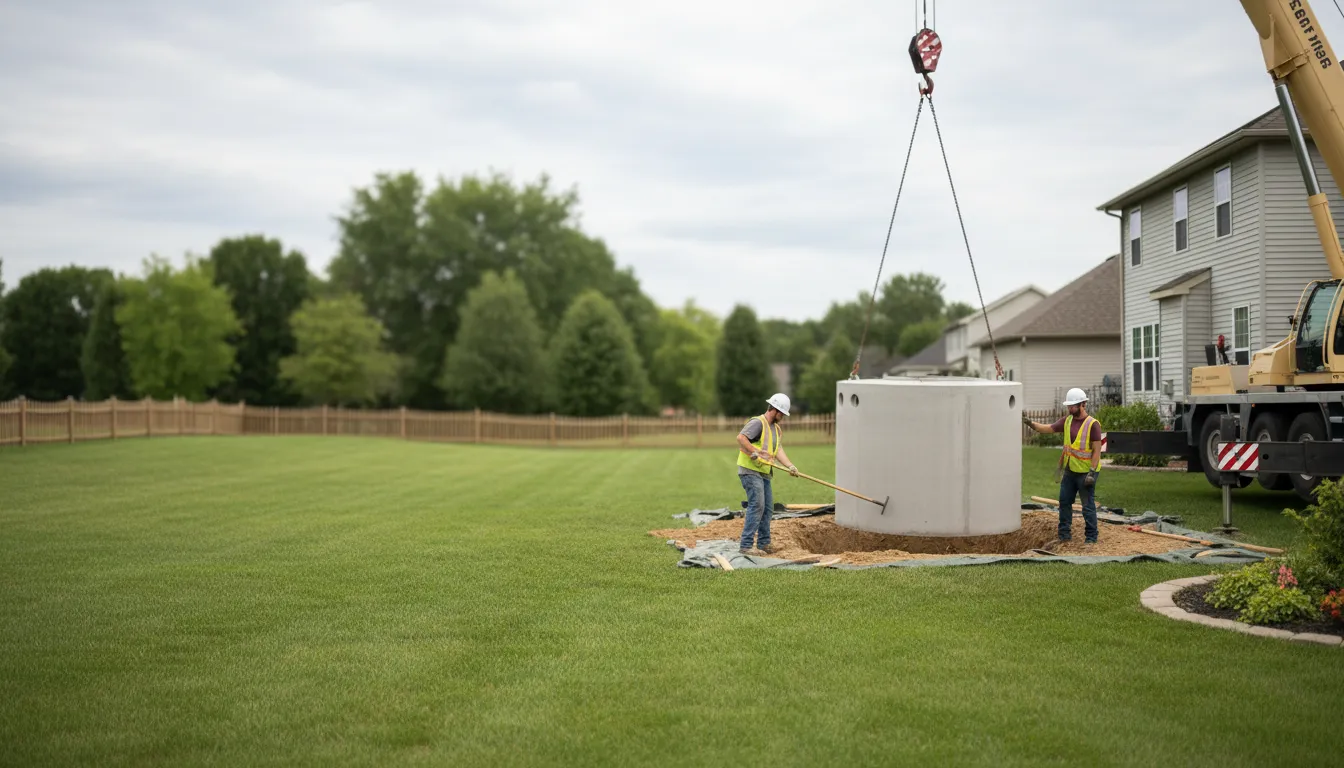
Find the Best Septic Tank Installation & Replacement Contractors for Your Business
No obligation • Fast responses • Nationwide coverage

Why you can trust Septic Spot
Septic Spot is a leading United States resource for understanding and comparing septic services. Our editors review providers using consistent criteria and verify key business details. Listings and scores are independent, and companies cannot pay to influence our content.
Search providers near you
Top Septic Tank Installation & Replacement Contractors in Burnsville, Minnesota Ranked
Installing or replacing a septic system is a significant home infrastructure project that ensures the safe and effective treatment of household wastewater. In Burnsville, this process is strictly regulated to protect public health and the local environment, including nearby wetlands and water resources. This guide explains the key steps, local rules, and what to expect when you need a new septic tank or a full system replacement, helping you connect with qualified local professionals for the job.
Understanding Septic System Regulations in Burnsville
All septic system work in Burnsville falls under the jurisdiction of both the Minnesota Pollution Control Agency (MPCA) and Dakota County Environmental Resources Department. These agencies enforce the Minnesota Rules Chapter 7080 for Subsurface Sewage Treatment Systems (SSTS). A core requirement is that any design, installation, inspection, or maintenance must be performed by an MPCA-licensed septic professional. This licensing ensures that contractors have the necessary training to comply with complex state and county codes.
Before any digging begins, a permit from Dakota County is mandatory for both new installations and system replacements. The permitting process is designed to verify that your property is suitable for a septic system and that the proposed design meets all safety and environmental standards. Key regulations include specific setback distances. For instance, septic systems in Burnsville must typically be at least 75 feet from wetlands1. Additional setbacks from property lines, wells, and buildings (often 10-20 feet) also apply and are strictly enforced during the site evaluation and design phase1 2.
The Step-by-Step Installation Process
1. Site Evaluation and Soil Testing
The first technical step is a thorough site evaluation conducted by a licensed professional. The most critical component is a soil permeability test, commonly called a perc test. This test determines how quickly water drains through your soil, which directly dictates the size and type of drainfield needed. In Minnesota, a manual perc test can cost between $150 and $300, but more complex sites may require an excavator-assisted test, which can range from $550 to over $3,000 for extensive soil morphology studies 3.
2. System Design and Permit Application
Using the soil test results, a licensed designer creates a detailed septic system plan. This design specifies the tank size, drainfield layout, and any special technologies required for your soil conditions. You or your contractor then submits this design, along with the permit application and required fees, to the Dakota County Environmental Resources Department for review 4. The county will check for compliance with all setback rules and design standards before issuing the construction permit.
3. Installation and Construction
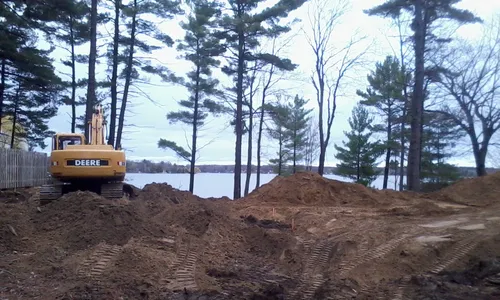
Once the permit is secured, installation can begin. Excavation for the septic tank and drainfield is a major part of the labor, typically costing between $2,000 and $4,0005. For homeowners replacing a failing drainfield while keeping an existing tank, costs often range from $5,000 to $12,0006. The total cost for a complete new system replacement is highly variable, depending on soil conditions and system type, but often falls within the $10,000 to $25,000+ range5 7.
4. Inspections and Final Approval
Dakota County requires inspections at critical stages. A pre-construction inspection may be requested to verify staking and layout8. Most importantly, a final inspection by a certified inspector is mandatory before the system is covered. Following a passed inspection, the installer must submit "as-built" drawings to the county. These documents provide an accurate record of the system's final installed location and specifications, which is crucial for future maintenance and property records8 9.
Find the perfect septic tank installation & replacement contractors for your needs
Get personalized recommendations and expert advice
Maintaining Your New Septic System
After a successful septic tank installation or replacement, proper maintenance is essential for longevity and to avoid costly failures. Minnesota state law requires that all septic systems be inspected by a licensed professional at least once every three years10. Regular pumping is also necessary; the frequency depends on household size and tank capacity, but typically ranges from every 3 to 5 years. Neglecting these service requirements can lead to drainfield failure, environmental contamination, and expensive emergency repairs.
Choosing the Right Professional in Burnsville
Given the regulatory complexity, selecting the right contractor is paramount. Always verify that any professional you contact holds current MPCA certification for the specific work you need (e.g., installer, maintainer, or inspector)11. A reputable local septic service provider will be familiar with Dakota County's specific permit application procedures and common soil conditions in the Burnsville area. They should willingly provide references and guide you clearly through the entire process from soil testing to final county approval.
Long-Term Considerations for System Replacement
If you are replacing an old system, it's an opportunity to upgrade to more modern, efficient technology. Alternative systems like mounds, pressure distribution, or aerobic treatment units (ATUs) can be installed on sites with poor soil or high water tables. While these systems may have a higher upfront cost, they are engineered solutions for challenging lots and are designed and permitted under the same state and county framework12. Planning for replacement before a total failure occurs can prevent emergencies and give you more time to evaluate financing and design options.
Frequently asked questions
Sources
Footnotes
-
Burnsville, MN Zoning Ordinance | Zoneomics - https://www.zoneomics.com/code/burnsville-MN/chapter_8 ↩ ↩2
-
Septic | Chisago County, MN - Official Website - https://www.chisagocountymn.gov/373/Septic ↩
-
How Much Does a Perc Test Cost? [2026 Data] | Angi - https://www.angi.com/articles/perc-test-cost.htm ↩
-
Cass County Environmental Services Residential and Commercial ... - https://www.casscountymn.gov/DocumentCenter/View/128/SSTS-Permit-Application---Residential-and-Commercial-PDF ↩
-
Cost to Install a Septic System in Minneapolis [2026 Data] - Angie's List - https://www.angi.com/articles/what-does-it-cost-install-septic-system/mn/minneapolis ↩ ↩2
-
How Much Does a Septic Inspection Cost? [2026 Data] - Angie's List - https://www.angi.com/articles/septic-inspection-cost.htm ↩
-
Septic Installation Process Maryland: Step-by-Step Guide for Homeowners (2025) - https://www.coxenterprisesllc.com/septic-installation-process-maryland/ ↩
-
Septic permit application and construction procedures - Dakota County - http://www.co.dakota.mn.us/Environment/WaterResources/SepticSystem/Pages/construction-replacement.aspx ↩ ↩2
-
Septic Systems | Dakota County - http://www.co.dakota.mn.us/Environment/WaterResources/SepticSystem/Pages/default.aspx ↩
-
SSTS service and maintenance - Minnesota Pollution Control Agency - https://www.pca.state.mn.us/business-with-us/ssts-service-and-maintenance ↩
-
SSTS individual certification - Minnesota Pollution Control Agency - https://www.pca.state.mn.us/business-with-us/ssts-individual-certification ↩
-
Local septic system programs | Minnesota Pollution Control Agency - https://www.pca.state.mn.us/business-with-us/local-septic-system-programs ↩