Find the Best Septic Tank Installation & Replacement Contractors for Your Business
No obligation • Fast responses • Nationwide coverage

Why you can trust Septic Spot
Septic Spot is a leading United States resource for understanding and comparing septic services. Our editors review providers using consistent criteria and verify key business details. Listings and scores are independent, and companies cannot pay to influence our content.
Search providers near you
Top Septic Tank Installation & Replacement Contractors in Coon Rapids, Minnesota Ranked
Installing or replacing a septic system is a significant home infrastructure project that ensures the safe and efficient treatment of household wastewater. For Coon Rapids homeowners, this process is governed by specific local and state regulations designed to protect public health and the environment. This guide provides a detailed overview of the steps, costs, and requirements for septic system installation and replacement in Coon Rapids, helping you understand what to expect and how to connect with qualified local professionals.
Understanding Local Regulations and Permits
Before any work begins on a new septic system or a replacement, obtaining the proper permit is the first and most critical step. In Coon Rapids, a permit must be secured from the City's Engineering Department for any new, repaired, or replaced Subsurface Sewage Treatment System (SSTS). This requirement is strictly enforced to ensure all systems meet the standards set by the Minnesota Pollution Control Agency (MPCA).
The permit application process itself requires a management plan for the proposed system. It's important to note that only state-licensed septic professionals are authorized to perform the necessary site evaluations, design the system, and conduct the installation. Attempting a DIY installation is not only illegal but also poses serious risks to your property and groundwater. For permit inquiries, you can contact Coon Rapids Building Inspections at 763-767-6476 1.
The Critical Role of Site Evaluation and Soil Testing
A professional site evaluation is not a suggestion-it's a mandatory part of the process. This evaluation determines the suitability of your property's soil to absorb and treat wastewater. For a standard evaluation in Coon Rapids, a licensed professional will conduct at least three soil borings and two percolation tests 2.
- Soil Borings: These tests analyze the soil's composition, texture, and depth to groundwater or bedrock.
- Percolation Tests: Often called "perc tests," these measure how quickly water drains through the soil.
The results of these tests are foundational. They directly inform the system's design, including the type of system required (conventional trench, mound, etc.), its size, and its placement on your lot 3 4. A proper design based on accurate soil data is essential for a functioning, long-lasting wastewater treatment system.
Step-by-Step Installation and Inspection Process
Once the site evaluation is complete and the system design is approved, the physical installation can proceed. This is a multi-stage process that involves close coordination with city inspectors.
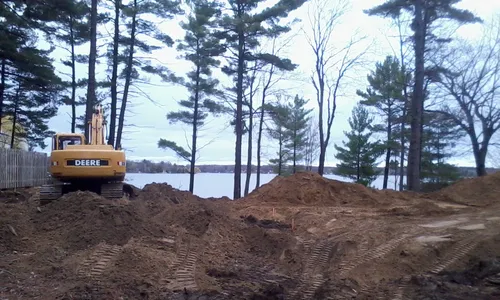
- Pre-Installation & Excavation: The approved design plan is staked out on the property. Excavation begins for the septic tank and the drain field (leach field).
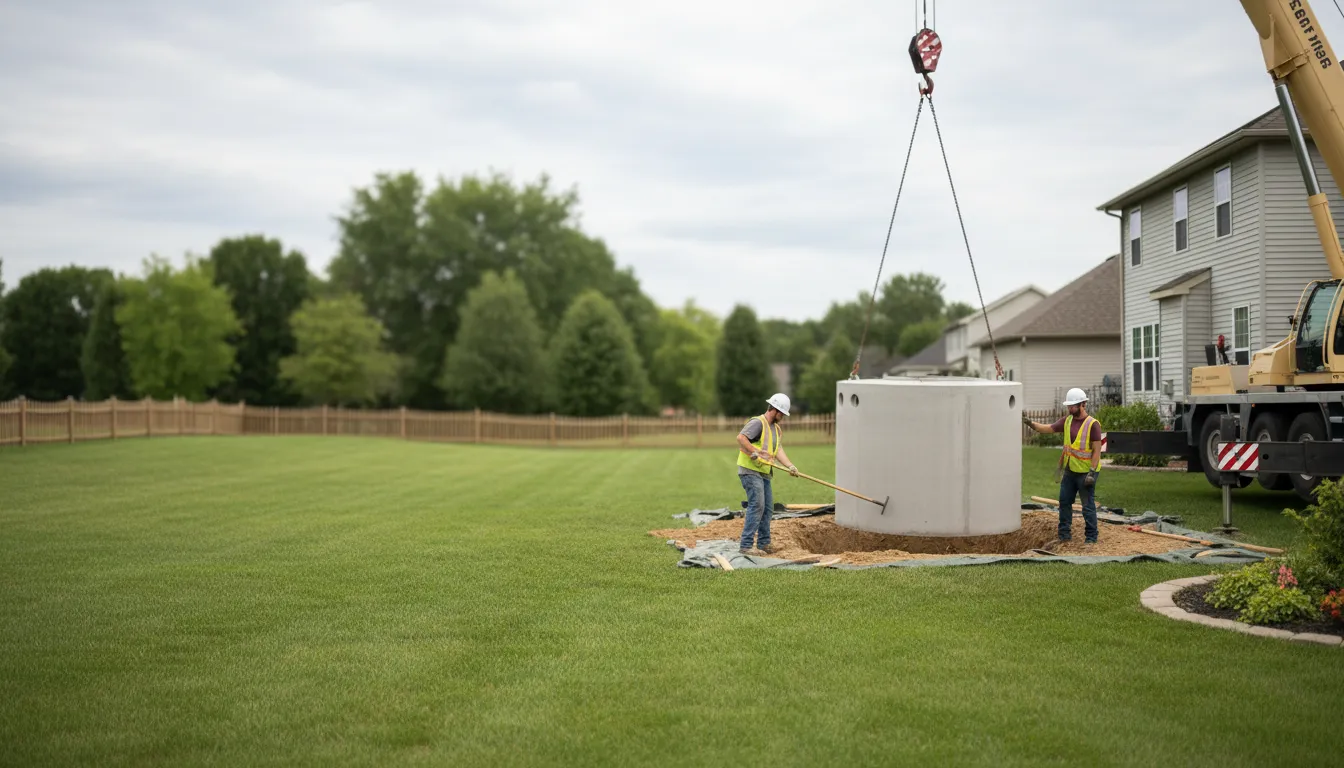
- Tank Placement: The septic tank, typically concrete, fiberglass, or plastic, is carefully set into the excavated hole. Proper leveling and connection to the home's main sewer line are crucial.
- Drain Field Construction: Trenches or beds are dug according to the design. They are lined with gravel and perforated pipes that will distribute the effluent from the tank.
- Critical Inspection: Before the system is backfilled, a city inspector will visit the site to verify that the installation matches the approved design 5. They check the tank placement, pipe layout, materials, and overall construction integrity. This inspection is vital for receiving your certificate of compliance.
- Backfilling and Finalization: After passing inspection, the tank and drain field are backfilled with soil. The inspector may return for a final check before issuing the official certificate of compliance, which documents that your system is installed correctly and legally 6 7.
Find the perfect septic tank installation & replacement contractors for your needs
Get personalized recommendations and expert advice
Cost Breakdown for Septic Systems in Coon Rapids
Understanding the financial investment for a septic system installation helps in planning. Costs can vary widely based on system type, soil conditions, and property size.
- Permit Fees: The City of Coon Rapids charges a fee for septic work. For underground or aboveground tank installation or replacement, the fee is approximately $206 per tank, plus a $1 state surcharge 8.
- Tank Costs: The septic tank itself is a major component. A standard 1,000-gallon concrete tank generally costs between $500 and $900 9. Larger capacities will increase the price, typically by $50 to $150 per additional 100 gallons 9.
- Full System Installation: The total cost for a complete new septic system installation, including tank, drain field, labor, and design, typically ranges from $3,615 to $12,408 or more 10. Complex systems for difficult soils (like mound systems) or larger homes can exceed this range.
Choosing Between Repair and Full System Replacement
Sometimes, a failing system can be repaired, but other times, a full replacement is necessary. A licensed professional can diagnose issues through an inspection. Common signs you may need service include slow drains, sewage backups, foul odors near the tank or drain field, or unusually lush grass over the drain field area.
- Repair: This might involve fixing a damaged pipe, unclogging an inlet/outlet baffle, or addressing minor drain field issues. Repairs are always preferable when possible due to lower cost.
- Replacement: If the tank is structurally compromised, the drain field has completely failed, or the system is too old and undersized for your home, a full replacement is required. The process follows the same permit, design, and installation steps as a new installation.
Maintaining Your New Septic System
After your new system is installed, proper maintenance is key to its longevity. This includes regular pumping (typically every 3-5 years), conserving water to avoid overloading the system, and avoiding flushing harmful chemicals or non-biodegradable materials. A well-maintained septic system can last for decades, protecting your investment and the local environment.
Frequently asked questions
Sources
Footnotes
-
Building Permits - Residential | Coon Rapids, MN - https://www.coonrapidsmn.gov/695/Building-Permits---Residential ↩
-
ordinance no. 2343 - Coon Rapids - https://www.coonrapidsmn.gov/DocumentCenter/View/19274/Ordinance-2343 ↩
-
How to Know if You Need a Septic System Permit - Pippin Home Designs - https://www.pippinhomedesigns.com/septic-system-permit/ ↩
-
Building on Your Land: Septic Design and Testing - https://www.berkshomes.com/blog/building-on-your-land-septic-design-and-testing ↩
-
Septic Design Caledon | Full Permit & Cost Guide for 2025 - https://www.elmid.ca/septic-design-caledon-permit-cost-guide/ ↩
-
Step-by-Step Guide to Septic Tank Installation - https://www.septicblueraleigh.com/understanding-the-septic-tank-installation-process-step-by-step-html ↩
-
Septic System Installation 101: A Beginner's Guide - https://www.townesseptic.com/blog/septic-system-installation-beginners-guide ↩
-
1 ORDINANCE NO. 2257 AN ORDINANCE ... - Coon Rapids - https://www.coonrapidsmn.gov/DocumentCenter/View/12485/Ordinance-2257-Permit-and-Inspection-Fees ↩
-
Residential Septic Tank Pricing | Homeowner's Guide to Costs - https://www.ntotank.com/blog/residential-septic-tank-pricing ↩ ↩2
-
How Much Does a Septic Tank Cost? - NerdWallet - https://www.nerdwallet.com/home-ownership/home-improvement/learn/septic-tank-cost ↩