
Find the Best Septic Tank Installation & Replacement Contractors for Your Business
No obligation • Fast responses • Nationwide coverage

Why you can trust Septic Spot
Septic Spot is a leading United States resource for understanding and comparing septic services. Our editors review providers using consistent criteria and verify key business details. Listings and scores are independent, and companies cannot pay to influence our content.
Search providers near you
Top Septic Tank Installation & Replacement Contractors in Eagan, Minnesota Ranked
Installing or replacing a septic system is a significant investment in your property's long-term health and value. In Eagan, this process is governed by strict state and local regulations designed to protect groundwater and ensure public safety. This guide explains the essential steps, rules, and considerations for septic system installation and replacement in Eagan, helping you understand what to expect and how to connect with qualified local professionals for your project.
Understanding Septic System Regulations in Eagan
All septic system work in Eagan falls under the jurisdiction of the Minnesota Pollution Control Agency (MPCA) and is enforced locally by Dakota County and the City of Eagan Engineering Department. A core rule is that every phase-design, installation, and inspection-must be performed by an MPCA-licensed professional. You cannot legally install your own system. These regulations, detailed in Minnesota Rules, Chapter 7080, ensure systems are built to safely treat wastewater and prevent contamination.
Key regulatory requirements include:
- Site Evaluation: A mandatory first step where a certified evaluator conducts soil borings and percolation tests to determine how quickly water drains through your soil.
- Setbacks: Systems must be placed specific distances from structures and property lines. For example, septic tanks typically need to be at least 10 feet from buildings and property lines, while drainfields often require a 20-foot setback 1.
- Vertical Separation: New systems must have a minimum of 3 feet of suitable soil between the bottom of the drainfield and the seasonal high-water table or bedrock 2 3.
The Step-by-Step Installation Process
1. Site Evaluation and Design
The process begins with a licensed site evaluator assessing your property. They perform soil tests to determine the absorption rate, which dictates the size and type of drainfield needed-whether a standard trench system, bed, or a raised mound system for challenging soils. Based on these findings, a licensed designer creates a detailed site plan and system design. This design is the blueprint for your entire project and is required for the next step.
2. Permitting
With a completed design in hand, you or your contractor must apply for a permit through the local authority. In most of Eagan, this is Dakota County's Septic System program, though it's wise to confirm with the City of Eagan Engineering Department 4. The permit application includes the design plans and site evaluation report. Permit fees generally range from a few hundred dollars. No construction can legally begin until this permit is issued.
3. Excavation and Installation
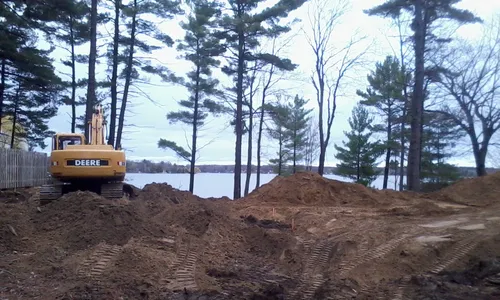
Once permitted, licensed installers will excavate the area for the septic tank and drainfield. The tank, typically made of concrete, fiberglass, or polyethylene, is set in place and connected to the home's main waste pipe. The drainfield (or leach field) is constructed according to the approved design, involving the laying of perforated pipes in gravel-filled trenches.
4. Critical Inspections
Inspections are non-negotiable checkpoints:
- Pre-Cover Inspection: Before any soil is backfilled over the tank and drainfield, a local inspector must examine the work to verify it matches the approved design exactly 5.
- Final Inspection: After installation is complete and the system is covered, a final inspection leads to the issuance of a Certificate of Compliance. This document is crucial for your property records and is often needed for real estate transactions 6.
Find the perfect septic tank installation & replacement contractors for your needs
Get personalized recommendations and expert advice
Types of Systems and Cost Considerations
The type of system installed depends entirely on your site's soil conditions. A standard gravity-fed trench system is common for suitable soils. If the soil drains too slowly or the water table is high, an engineered mound system may be required, which involves building an elevated drainfield of sand 7. Mound systems are more complex and therefore more expensive.
Costs for a new septic system installation or full system replacement in Eagan can vary widely based on system type, soil conditions, and property size. The process involves several cost components:
- Design & Engineering: $500 - $1,500+
- Permit Fees: Several hundred dollars
- Installation: For a standard gravity system, total installation costs typically range from $3,600 to over $12,000 8. A more complex mound system will be at the higher end of this range or exceed it 9 10.
When is Replacement Necessary?
Understanding when to replace your septic system can prevent emergencies and environmental hazards. Consider replacement if you experience:
- Frequent backups or slow drains despite pumping.
- Soggy ground or standing water over the drainfield, especially with sewage odors.
- Failed inspections during a property sale.
- The system is approaching or has exceeded its typical lifespan (20-40 years for tanks, 15-25 years for drainfields).
- You're planning a major home addition that increases wastewater volume beyond the system's design capacity.
Replacement follows the same rigorous permitting and installation process as a new installation. A licensed professional must assess the old system, which will need to be properly abandoned (often filled with sand or gravel) before the new one is installed nearby 11.
Choosing a Licensed Professional in Eagan
Your choice of contractor is critical. Always verify that any designer or installer you contact holds a current MPCA license. You can ask for their license number and confirm it with the MPCA. Look for established local companies with experience navigating Dakota County and City of Eagan regulations. They should be willing to guide you through the permit process, handle necessary inspections, and provide a detailed written estimate that breaks down design, permit, installation, and inspection costs. A reputable professional will prioritize a proper site evaluation over giving a quick quote, as the soil conditions ultimately dictate the project's scope and cost.
Frequently asked questions
Sources
Footnotes
-
Septic | Chisago County, MN - Official Website - https://www.chisagocountymn.gov/373/Septic ↩
-
Septic systems | Minnesota Pollution Control Agency - https://www.pca.state.mn.us/business-with-us/septic-systems ↩
-
All about septics | Onsite Sewage Treatment Program - https://septic.umn.edu/all-about-septics ↩
-
Septic Systems - City of Eagan - https://cityofeagan.com/septicsystems ↩
-
Septic Systems | Dakota County - http://www.co.dakota.mn.us/Environment/WaterResources/SepticSystem/Pages/default.aspx ↩
-
Septic Tank Installation Process: A Step-by-Step Guide - https://tidytanksepticservice.com/blog/understanding-the-septic-tank-installation-process/ ↩
-
Septic System Install Timeline | RCI Septic Service - https://www.rciseptic.com/complete-step-by-step-timeline-septic-system-installation-from-permit-to-finish ↩
-
How Much Does a Septic Tank Cost? - NerdWallet - https://www.nerdwallet.com/home-ownership/home-improvement/learn/septic-tank-cost ↩
-
Septic Tank Installation Cost: 2026 Guide for Homewners - Modernize - https://modernize.com/plumbing/systems/drainage/septic-tank-installation ↩
-
How Much Does It Cost to Replace a Septic Tank and Drain Field? - https://www.bobvila.com/articles/cost-to-replace-septic-tank-and-drainfield/ ↩
-
Septic permit application and construction procedures - Dakota County - http://www.co.dakota.mn.us/Environment/WaterResources/SepticSystem/Pages/construction-replacement.aspx ↩