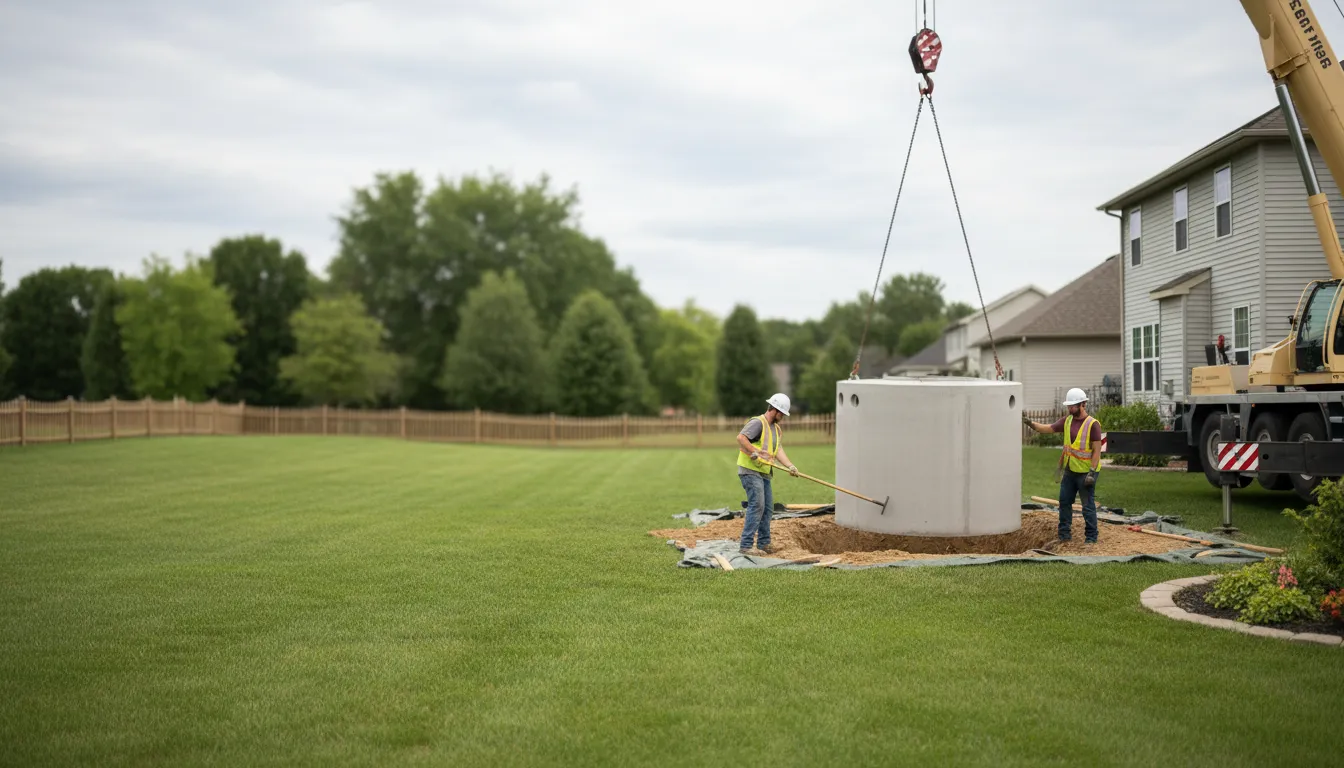
Find the Best Septic Tank Installation & Replacement Contractors for Your Business
No obligation • Fast responses • Nationwide coverage

Why you can trust Septic Spot
Septic Spot is a leading United States resource for understanding and comparing septic services. Our editors review providers using consistent criteria and verify key business details. Listings and scores are independent, and companies cannot pay to influence our content.
Search providers near you
Top Septic Tank Installation & Replacement Contractors in Minneapolis, Minnesota Ranked
Installing or replacing a septic system is a significant investment in your property's infrastructure and environmental health. In Minneapolis and the surrounding Twin Cities area, this process is strictly regulated to protect groundwater and public safety. A properly designed and permitted onsite sewage treatment system (SSTS) ensures wastewater from your home is safely treated and returned to the environment. This guide explains the local requirements, process, and key considerations for finding qualified professionals to handle your septic tank installation or system replacement project.
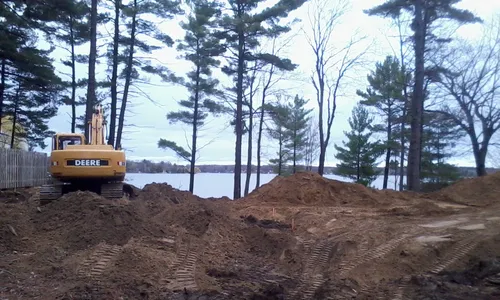
Understanding Minnesota's Septic System Regulations
All subsurface sewage treatment system work in Minnesota is governed by the Minnesota Pollution Control Agency (MPCA) under state rules (Chapters 7080-7083) 1. However, permitting and enforcement are typically handled at the county or city level. This means that while the MPCA sets the technical standards, you will work directly with your local government office-such as Minneapolis Development Review or the relevant county environmental health department-to obtain the necessary permits 1 2.
A core regulation is that only state-certified and licensed SSTS professionals are legally allowed to design and install septic systems. This certification ensures the individual or business has the required training to assess your property, design a compliant system, and oversee its proper installation. A permit is mandatory for any new installation, full system replacement, or major alteration to an existing system 3. Furthermore, compliance inspections are often required during property transfers or when adding a bedroom to a home 4.
The Critical Role of Soil Evaluation
Before any design can be finalized, a licensed professional must conduct a thorough site evaluation, with a soil percolation test being a cornerstone of this process. This test determines the soil's absorption rate, which directly dictates the size and type of drainfield needed.
- The Process: A professional digs test holes (typically 4-12 inches in diameter) to the proposed depth of the drainfield. These holes are filled with water, and the rate at which the water level drops is measured to calculate the soil's percolation rate.
- Site Conditions: The test must be conducted when the soil is not frozen, and the bottom of the test hole must be at least 3 feet above the seasonally high water table or bedrock 5 6.
- Impact on Design: Poorly draining soils (like heavy clay common in parts of Minnesota) may require a larger drainfield or a more advanced system type, such as a mound or at-grade system, which can significantly impact the project's complexity and cost.
Step-by-Step: From Permit to Final Inspection
Navigating the installation process involves several defined stages, each with its own inspection checkpoint.
- Site Evaluation & Design: A licensed designer assesses your property's soil, topography, water table, and proximity to wells or water bodies. They then create a system design that meets all MPCA and local requirements 7.
- Permit Application: The licensed installer submits the design, along with the permit application and fees, to the local permitting authority (e.g., county environmental health).
- Pre-Construction Meeting & Open Hole Inspection: Once the permit is issued and before excavation for the tank or drainfield begins, a pre-construction meeting with the inspector may be required. The first major inspection is the "open hole" inspection, where the inspector verifies the soil conditions in the excavated areas match the design report 8.
- Component Installation & Inspection: After the open hole is approved, the tank is set, piping is connected, and the drainfield is constructed. The inspector will return to check these components-ensuring the tank is level, pipes have proper slope, and drainfield media is correct-before they are backfilled 9.
- Final Inspection and Approval: Once the system is fully installed and the site is restored, a final inspection is conducted. Approval from the inspector is required before the system can be put into use 10.
Cost Considerations for Septic System Installation
The total cost for a new septic system or a full replacement varies widely based on system type, soil conditions, and property specifics. It's important to budget for the entire project, not just the tank.
- Tank Costs: The septic tank itself is one component. A standard 1,000-gallon concrete tank may cost between $500 and $900. Larger tanks or those made of alternative materials like plastic or fiberglass will cost more, often increasing by $50 to $150 per additional 100 gallons of capacity 11.
- Total System Cost: The complete project cost includes the site evaluation/design, permits, excavation, tank, drainfield construction (gravel, piping, chambers), and all inspections. A conventional gravity-fed trench system for a standard home is a baseline, but many sites in the region require more complex (and costly) systems like mounds, which involve importing sand and constructing an elevated drainfield 12.
- Ongoing Maintenance: Factor in long-term costs. Regular pumping every 3-5 years (costing $300-$500 per service) and periodic inspections are essential for the system's longevity and are often required by local ordinance 13 14.
Find the perfect septic tank installation & replacement contractors for your needs
Get personalized recommendations and expert advice
Choosing the Right System Type for Your Property
Not all septic systems are created equal. The type installed on your Minneapolis-area property will be determined by the site evaluation.
- Conventional Gravity Systems: These are the most common where soil and site conditions are ideal. Wastewater flows by gravity from the home to the tank and then out to a network of perforated pipes in a gravel-filled trench.
- Mound Systems: Frequently used in Minnesota where soil depth is shallow, permeability is slow, or the water table is high. A mound system involves constructing a sand-filled bed above the natural soil surface, with a network of pipes distributing effluent throughout the mound for treatment.
- At-Grade Systems: Similar to a mound but built at the natural soil surface, requiring suitable native soil at that level.
- Pressure Distribution Systems: These use a pump to evenly distribute effluent across the drainfield, which is crucial for ensuring all areas of the soil absorption field are used effectively, especially in less-than-ideal soils.
Your licensed designer will recommend the most appropriate and cost-effective system type that meets regulatory standards for your specific lot.
The Importance of Working with Licensed Professionals
Given the regulatory complexity and long-term consequences of a failed system, selecting the right contractor is paramount. Always verify that any business you contact holds current MPCA certification for the work you need-Design, Installation, Inspection, or Maintenance 15. Licensed professionals understand the local permit process, can accurately perform soil evaluations, and will ensure every phase of the installation passes inspection. They also provide the necessary documentation for your property records, which is critical for future real estate transactions.
A properly installed septic system is a long-term asset. By understanding the process, regulations, and costs involved, you can make informed decisions and partner with a qualified expert to ensure your new or replacement system provides reliable, environmentally sound wastewater treatment for years to come.
Frequently asked questions
Sources
Footnotes
-
Septic systems | Minnesota Pollution Control Agency - https://www.pca.state.mn.us/business-with-us/septic-systems ↩ ↩2
-
Local septic system programs | Minnesota Pollution Control Agency - https://www.pca.state.mn.us/business-with-us/local-septic-system-programs ↩
-
Septic System Compliance & Permitting | Mille Lacs County, MN - https://www.millelacs.mn.gov/2737/Septic-System-Compliance-Permitting ↩
-
Compliance inspections for subsurface sewage treatment systems - https://www.pca.state.mn.us/sites/default/files/wq-wwists4-39.pdf ↩
-
Soils and septics | Onsite Sewage Treatment Program - https://septic.umn.edu/soils ↩
-
Recommended Standards for Individual Sewage Systems ... - https://www.health.state.mn.us/communities/environment/water/docs/tenstates/sewagesystems.pdf ↩
-
Septic System Regulations and Permits: What You Need to Know - https://tidytanksepticservice.com/blog/septic-system-regulations-and-permits-what-you-need-to-know/ ↩
-
CITY OF MAPLEWOOD - https://maplewoodmn.gov/DocumentCenter/View/10885/SSTS-Permit-Application-PDF?bidId= ↩
-
Septic Systems - Dakota County - http://www.co.dakota.mn.us/Environment/WaterResources/SepticSystem/Pages/construction-replacement.aspx ↩
-
Understanding Your Septic System Design and Installation Timeline: A Comprehensive Guide - https://www.mapengineering.net/understanding-your-septic-system-design-and-installation-timeline/ ↩
-
Residential Septic Tank Pricing | Homeowner's Guide to Costs - https://www.ntotank.com/blog/residential-septic-tank-pricing ↩
-
Septic System Installation: Essential Steps for a Reliable Setup - https://www.bridgewaterenviro.com/septic-system-installation/ ↩
-
Septic Inspection and Repair in Bloomington, MN - https://mikesseptic.com/2025/07/understanding-the-costs-septic-inspection-and-repair-in-bloomington-mn/ ↩
-
SSTS service and maintenance - Minnesota Pollution Control Agency - https://www.pca.state.mn.us/business-with-us/ssts-service-and-maintenance ↩
-
SSTS individual certification - Minnesota Pollution Control Agency - https://www.pca.state.mn.us/business-with-us/ssts-individual-certification ↩