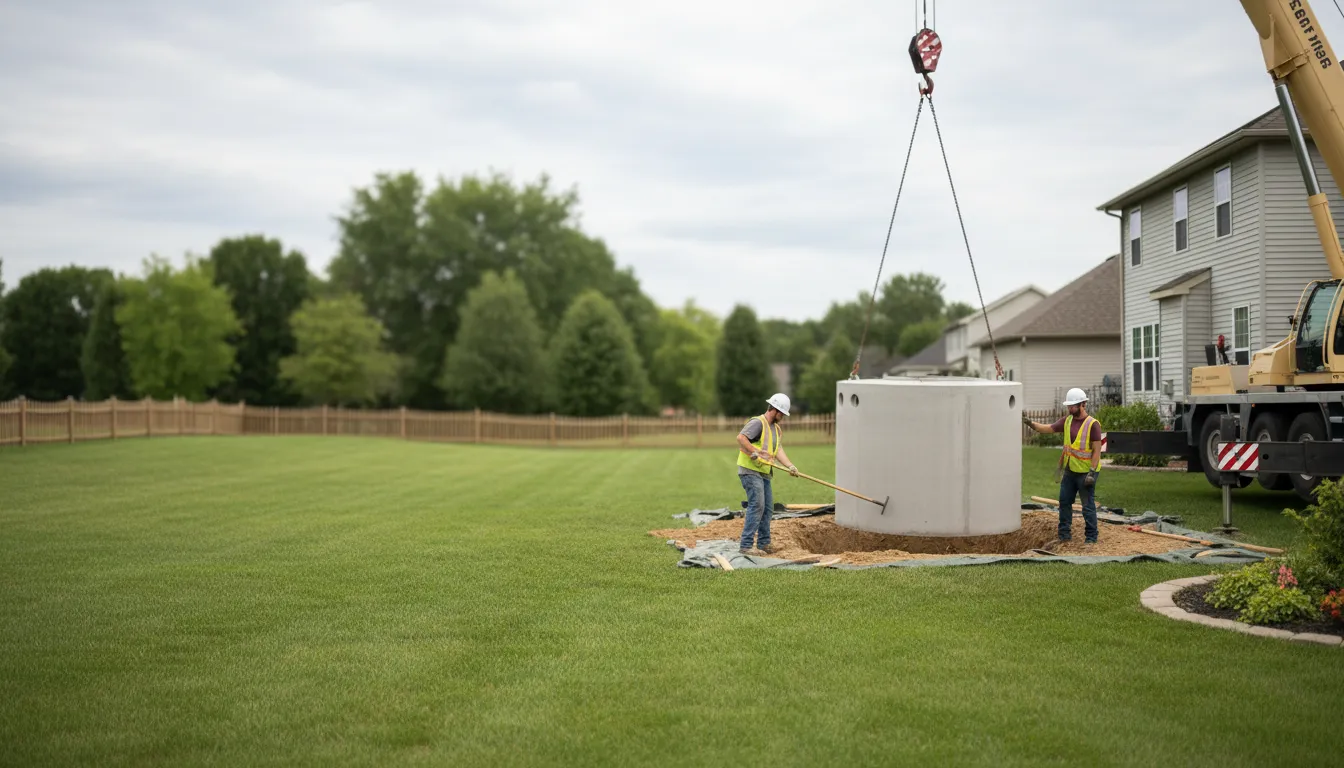
Find the Best Septic Tank Installation & Replacement Contractors for Your Business
No obligation • Fast responses • Nationwide coverage

Why you can trust Septic Spot
Septic Spot is a leading United States resource for understanding and comparing septic services. Our editors review providers using consistent criteria and verify key business details. Listings and scores are independent, and companies cannot pay to influence our content.
Search providers near you
Top Septic Tank Installation & Replacement Contractors in Shakopee, Minnesota Ranked
Installing or replacing a septic system is a significant investment in your property's long-term functionality and environmental health. In Shakopee, this process is governed by a detailed set of state and county regulations designed to protect local groundwater and ensure system reliability. This guide explains the key steps, rules, and considerations for septic system installation and replacement in Scott County, helping you understand what to expect and how to connect with qualified local professionals for your project.
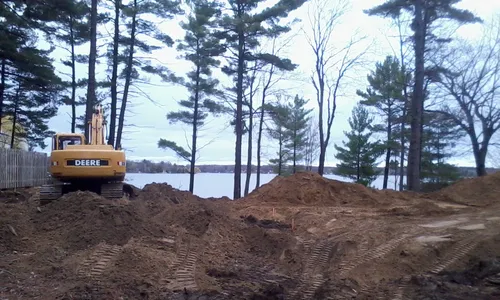
Understanding Septic System Regulations in Scott County
All subsurface sewage treatment system (SSTS) work in Shakopee must comply with Minnesota state rules (Chapters 7080-7083) and local Scott County ordinances. These regulations are not mere suggestions; they are legally enforceable standards meant to prevent groundwater contamination and public health hazards. The Minnesota Pollution Control Agency (MPCA) sets the statewide framework, while Scott County Environmental Services administers and enforces the rules locally, including permit issuance and inspections.
Key regulatory pillars include:
- Certified Professionals: System designs must be created by MPCA-certified designers, and the physical installation must be performed by licensed installers 1.
- Permit Requirement: A permit from Scott County is mandatory for any new installation or replacement of a septic system. Starting work without a permit can result in fines and legal orders.
- System Sizing: Septic tank capacity is determined based on the home's bedroom count, with a minimum of 1000 gallons being common for residential properties 2.
- Critical Setbacks: Systems must be placed specific distances from structures and property lines. Generally, tanks must be at least 10 feet from buildings, and soil treatment areas (drain fields) must be 20 feet from buildings and 10 feet from property lines 3 4. Always verify the exact setbacks for your parcel with the Scott County Planning and Zoning Department, as local ordinances can be more restrictive 5.
The Step-by-Step Installation & Replacement Process
Navigating a septic project successfully means understanding the sequence of events. It's a collaborative process between you, your chosen designer and installer, and the county inspectors.
1. Site Evaluation and Soil Testing
This is the foundational step. A licensed designer will visit your property to conduct a preliminary site evaluation. This includes digging at least two soil pits to analyze soil texture, structure, and depth to bedrock or seasonally saturated soil (water table) 6 7. This soils verification is crucial, as the soil's absorption capacity directly determines the type and size of system your property can support. The county inspector may visit to verify these soil tests 6.
2. System Design and Permit Application
Using the soil data, the designer creates a detailed system design plan. This plan, along with the soil analysis, a site plan, and the completed permit application, is submitted to Scott County Environmental Services for review and approval. The design must show compliance with all sizing and setback rules.
3. Installation and Inspections
Once the permit is issued, the licensed installer can begin construction. A critical milestone is the installation inspection. Before the system is covered with soil, the installer must notify the county for an inspection. A county inspector will check the tank, piping, and soil treatment area to ensure everything is built according to the approved design 8 9. This inspection is mandatory; covering the system before it is approved can lead to costly re-excavation.
4. Final Approval and Compliance
After the installation passes inspection and is properly covered, the installer submits an "as-built" diagram to the county. Following a final review, Scott County will issue a Certificate of Compliance for the new system, which is typically valid for five years 10. This certificate is an important document for your property records.
Find the perfect septic tank installation & replacement contractors for your needs
Get personalized recommendations and expert advice
Cost Considerations for Septic Work in Shakopee
The cost of a standard conventional septic system installation in the Shakopee area typically averages between $18,000 and $25,000 or more 11. It's important to view this as a ballpark figure, as several factors can significantly influence the final price:
- Soil and Site Conditions: This is the largest variable. Properties with poor soil percolation, high water tables, or limited suitable space will require more complex-and expensive-alternative systems, such as mound or at-grade systems.
- System Type and Size: A larger home requiring a larger tank and drain field will cost more. The technology level also affects price; a basic gravity-fed system is less costly than a pressure-dosed or aerobic treatment unit.
- Replacement vs. New Install: Replacing a failed system can sometimes be more complex and costly than a new installation, especially if the existing drain field area is compromised and a new location must be developed.
- Professional Fees: Includes costs for the soil test, system design, permit fees, and the installation labor.
Remember, this investment includes long-term maintenance. To protect your system and ensure its longevity, tanks should be pumped and inspected every 2-3 years 12.
Choosing Between Repair and Full Replacement
Not all system failures require a complete overhaul. A qualified inspector can diagnose the issue.
- Repairs might address problems like clogged inlet/outlet baffles, damaged tank lids, or minor pipe issues.
- Full Replacement is necessary when the soil treatment area (drain field) has failed, the tank is structurally compromised, or the system is so outdated it cannot be brought into compliance with current codes.
The county's inspection and compliance process applies to both major repairs and full replacements. If your system is failing, your first call should be to a licensed inspector to understand your options.
Maintaining Your New Septic Investment
A properly installed system is designed to last for decades with proper care. Beyond regular pumping, good maintenance means being mindful of what goes down your drains, avoiding driving or building over the drain field, and diverting rainwater runoff away from the system area. Keeping detailed records of inspections, pumping, and repairs (and that all-important Certificate of Compliance) is essential for both your own reference and for future property sales.
Frequently asked questions
Sources
Footnotes
-
SSTS individual certification | Minnesota Pollution Control ... - https://www.pca.state.mn.us/business-with-us/ssts-individual-certification ↩
-
Subsurface Sewage Treatment Systems (SSTS) - https://www.co.ym.mn.gov/index.asp?SEC=654CAAB6-1A68-4F27-9852-B7E178D83F8E&DE=BA16BFAA-D146-4BEF-9209-D32E3BBA3146 ↩
-
Septic | Chisago County, MN - Official Website - https://www.chisagocountymn.gov/373/Septic ↩
-
Septic systems | Minnesota Pollution Control Agency - https://www.pca.state.mn.us/business-with-us/septic-systems ↩
-
Local septic system programs - https://www.pca.state.mn.us/business-with-us/local-septic-system-programs ↩
-
Dakota County Septic Ordinance 113 Standards more restrictive ... - https://www.co.dakota.mn.us/Environment/WaterResources/SepticSystem/Documents/CountySepticSystemStandards.pdf ↩ ↩2
-
Septic System Regulations and Permits: What You Need to Know - https://tidytanksepticservice.com/blog/septic-system-regulations-and-permits-what-you-need-to-know/ ↩
-
Septic permit application and construction procedures - Dakota County - http://www.co.dakota.mn.us/Environment/WaterResources/SepticSystem/Pages/construction-replacement.aspx ↩
-
Septic Systems | Scott County, MN - https://www.scottcountymn.gov/604/Septic-Systems ↩
-
7083 - MN Rules Chapter - https://www.revisor.mn.gov/rules/7083/full ↩
-
Cedar Septic and Sewer | Get your tank pumped. - https://www.cedarsepticandsewer.com/ ↩
-
How Much Does a Septic Soil Test Cost in 2026? - https://landperc.com/septic-soil-test-cost/ ↩