Find the Best Septic Tank Installation & Replacement Contractors for Your Business
No obligation • Fast responses • Nationwide coverage

Why you can trust Septic Spot
Septic Spot is a leading United States resource for understanding and comparing septic services. Our editors review providers using consistent criteria and verify key business details. Listings and scores are independent, and companies cannot pay to influence our content.
Search providers near you
Best Septic Tank Installation & Replacement Contractors in Missouri Ranked
Installing or replacing a septic system is a significant investment in your Missouri property's long-term functionality and value. This process involves navigating state and local regulations, securing permits, and hiring certified professionals to ensure the system is designed and built correctly for your specific soil and site conditions. This guide explains the key steps, costs, and regulatory requirements for septic system work in Missouri, helping you make informed decisions and connect with qualified local installers.
SunShine Septic
Springfield, MO
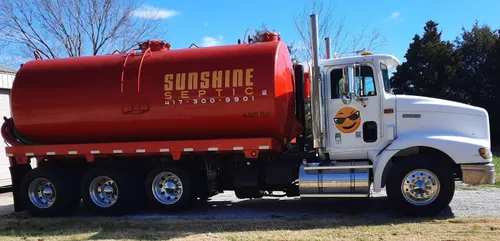
SunShine Septic is a family-owned septic and excavation company serving Springfield, MO, and surrounding areas including Ozark and Christian County. They specialize in septic system installation, pumping, and excavation services for residential and commercial properties. Their capabilities include site evaluation, system design, excavation, and septic tank installation compliant with local health regulations. With roots in excavation dating back to 2015, they bring extensive experience in soil conditions and site preparation to their work. SunShine Septic also offers emergency septic services to address urgent issues like backups and system failures.
Missouri Septic Services
Springfield, MO
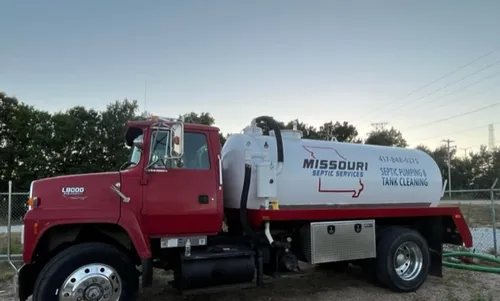
Missouri Septic Services is a family-owned and operated company based in Springfield, MO. They provide environmentally friendly septic tank pumping, septic system repairs, and septic tank installations. The company focuses on non-hazardous wastewater disposal and offers a range of septic services delivered by skilled professionals. Missouri Septic Services is recognized as a trusted name in septic services throughout southwest Missouri.
Barnes Plumbing and Septic
3861 N Grindstone Cir, Lathrop, MO 64465
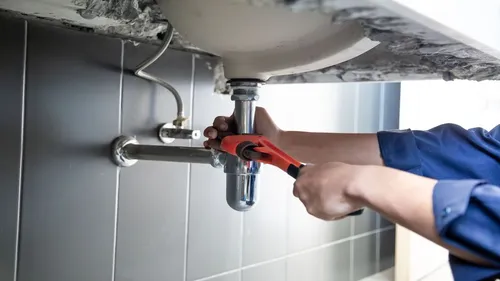
Barnes Plumbing and Septic provides plumbing and septic services for residential and commercial properties in Kansas City, MO, as well as Saint Joseph and Lathrop. Their offerings include septic tank inspections, repairs, and installations, along with a wide range of plumbing solutions such as water heaters, faucets, and water filtration systems. The company uses industry-standard techniques and quality materials to ensure reliable system performance. They are fully licensed and insured, serving the community with a focus on tailored, long-lasting solutions.
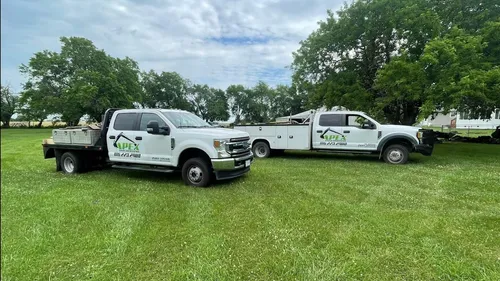
Apex Underground - Sewer & Septic
1006 W Foxwood Dr, Raymore, MO 64083
Apex Underground - Sewer & Septic is a septic system repair and installation company serving Kansas City, MO, and surrounding areas. With over 25 years of experience, they provide commercial and residential septic, sewer, and underground utility services including soil morphology, engineered septic system designs, repairs, and tank replacements. Their licensed team handles complex installations and emergency repairs to maintain the reliability and structural integrity of septic and sewer systems.
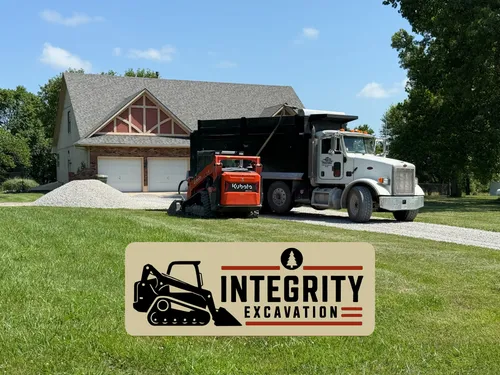
Integrity Excavation
28008 E 239th St, Harrisonville, MO 64701
Integrity Excavation is a septic system repair and installation company based near Kansas City, MO. They provide licensed septic services including installation, repairs, maintenance, and soil test coordination. The company also offers professional excavation services such as driveway and trench excavation, site preparation, grading, and land leveling for construction projects. Integrity Excavation serves Harrisonville and surrounding communities, focusing on earthwork and septic solutions with an emphasis on precision and client communication.
Understanding Missouri's Septic System Regulations
In Missouri, the installation and replacement of onsite wastewater treatment systems (OWTS) are governed by state regulations enforced by local county health departments under the authority of the Missouri Department of Health and Senior Services (DHSS). The primary rule is 19 CSR 20-3.060, which outlines the minimum construction standards. A fundamental requirement is that all work must be performed by a registered and certified installer 1. This certification ensures the professional understands the technical and legal requirements, protecting homeowners from faulty installations that could lead to system failure, environmental contamination, or property damage.
When is a Permit Required?
A permit is mandatory for nearly all new septic system installations and for substantial repairs or replacements of existing systems2. This is especially true for properties on lots smaller than three acres3. The permitting process is managed by your local county health department, which will review your site evaluation and system plans. Even for larger parcels (10 acres or more) that may qualify for an exemption, you often still need to obtain official approval for that exemption from the local authority3. It's critical to check with your local health department before any work begins, as requirements can vary slightly by county. For instance, properties bordering the Lake of the Ozarks are subject to specialized requirements regardless of lot size3.
The Step-by-Step Installation Process
A proper septic system installation in Missouri follows a defined sequence to ensure compliance and long-term performance.
- Site Evaluation and Soil Testing: This is the first and most critical step. A qualified evaluator or installer will conduct soil tests (perc tests) to determine the soil's absorption rate (percolation). This data determines the size and type of drainage field needed.
- System Design and Permit Application: Based on the soil evaluation and your home's size (number of bedrooms), a system is designed. The design, along with the permit application, is submitted to the local health department for review and approval 4.
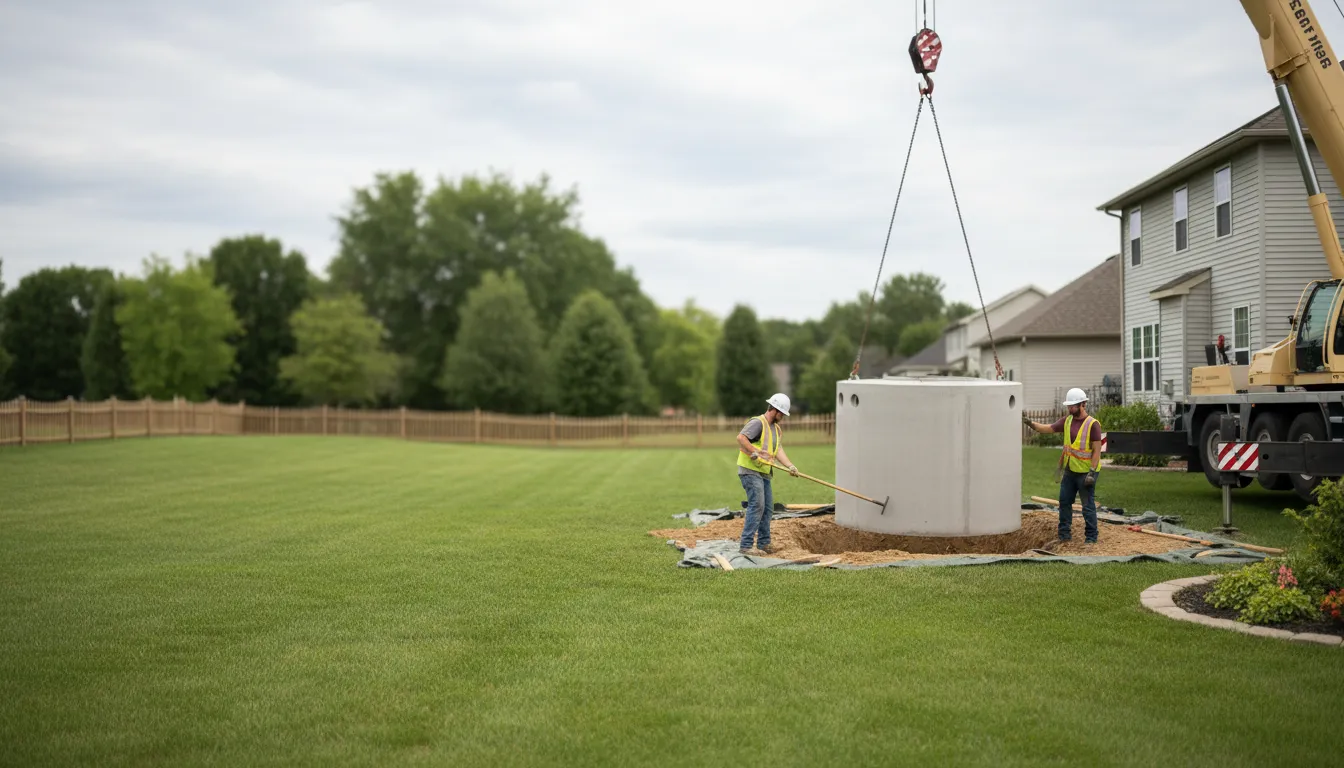
- Installation by Certified Professional: Once the permit is issued, a certified installer can begin construction. They will install the septic tank and absorption field according to the approved plans and state construction standards.
- Final Inspection: Before the system is covered, the installer must notify the local health department (at least 4 hours in advance) so an inspector can examine the installation5 6. The system must remain exposed for this inspection. Passing inspection is required before backfilling and putting the system into use.
Sizing Your Septic System
Missouri regulations specify how to size both the septic tank and the drainage field based on your home's capacity.
- Tank Capacity: Minimum tank sizes are based on the number of bedrooms:
- 1-3 bedrooms: 1,000 gallons
- 4 bedrooms: 1,250 gallons
- 5 bedrooms: 1,500 gallons
- Drainage Field Sizing: The system is designed for a wastewater flow of 120 gallons per day per bedroom7. The results of the soil percolation test then determine the total square footage of absorption area required.
- Critical Setbacks: The system must be located a safe distance from water sources 8:
- 300 feet from public water supply wells.
- 50 to 100 feet from private wells, springs, or other water bodies.
Proper construction also includes access manholes (at least 24 inches in diameter) over each compartment and the inlet/outlet tees for future inspection and pumping9.
Cost Factors for Installation and Replacement
The total cost for a new septic system or a major replacement in Missouri can vary widely, typically ranging from $5,000 to over $15,00010 11. Several key factors influence the final price:
- System Type: A conventional gravity-fed system is generally the most affordable option. If your soil conditions are poor (too dense or too permeable), you may need an engineered system, such as a pressurized drain field, aerobic treatment unit (ATU), or lagoon system, which can significantly increase costs 12.
- Soil and Site Conditions: Challenging terrain, high groundwater tables, or rocky soil require more labor and specialized equipment for excavation.
- Tank Material: Concrete tanks are common and durable, while plastic or fiberglass tanks may have different cost points.
- Size of the System: Larger homes requiring larger tanks and drainage fields will cost more.
- Local Permit Fees: Fees vary by county.
- Cost of Replacement: Replacing a failed system often involves additional costs for excavating and disposing of the old system, and may require an entirely new design if regulations have changed since the original installation.
Find the perfect septic tank installation & replacement contractors for your needs
Get personalized recommendations and expert advice
Choosing the Right System for Your Property
Not all properties can support a standard septic system. The soil evaluation will determine which type of system is suitable.
- Conventional Gravity System: The most common type, suitable for soils with good percolation. Wastewater flows by gravity from the tank to a series of perforated pipes in a gravel-filled trench.
- Pressure-Dosed System: Used when the absorption field is uphill from the tank or in soils with slower percolation. A pump chamber and pump are used to distribute effluent evenly across the field.
- Aerobic Treatment System (ATS): These systems use oxygen to break down waste more thoroughly, producing a higher quality effluent. They are often required for poor soils or smaller lots and require more maintenance and electricity.
- Lagoon System: A constructed pond used to treat wastewater, typically used in rural areas with sufficient land. They are regulated by the Missouri Department of Natural Resources (MDNR).
Your certified installer will recommend the most practical and compliant system for your specific site.
Maintaining Your New Septic System
After a proper installation, ongoing maintenance is essential for longevity. This includes regular pumping of the tank (typically every 3-5 years), conserving water to avoid overloading the system, and avoiding flushing harmful chemicals or non-biodegradable materials. Protect the drainage field by never driving or parking heavy vehicles over it and planting only grass over the area.
Frequently asked questions
Sources
Footnotes
-
Septic System Permits | City of Independence, MO - https://www.independencemo.gov/government/city-departments/municipal-services/permits-public-infrastructure-improvements/septic-system-permits ↩
-
Do You Need a Permit to Install a Septic Tank? - https://superiorsewersolutions.com/septic/do-you-need-a-permit-to-install-a-septic-tank-guide/ ↩
-
Waste Water | Camden County Missouri - https://camdencountymo.gov/departments/waste-water/ ↩ ↩2 ↩3
-
OWTS Construction Permit Application Process - https://health.mo.gov/living/environment/onsite/permitprocess.html ↩
-
Septic System Requirements - Columbia, MO - https://www.como.gov/wp-content/uploads/2021/03/Septic-System-Requirements-2020-fees-pdf.pdf ↩
-
Resources | Onsite Wastewater Treatment | Health & Senior Services - https://health.mo.gov/living/environment/onsite/resources.php ↩
-
Septic Tank/Absorption Field Systems: A Homeowner's Guide to ... - https://extension.missouri.edu/publications/eq401 ↩
-
ARTICLE VI: Construction Standards For On-Site Sewage ... - https://ecode360.com/27892055 ↩
-
19 CSR 20-3.060 - Minimum Construction Standards for On-Site ... - https://www.law.cornell.edu/regulations/missouri/19-CSR-20-3-060 ↩
-
New Septic System Regulations in Kansas/Missouri - Honey Wagon - https://www.honey-wagonkc.com/blog/posts/new-septic-system-regulations.html ↩
-
Onsite Wastewater Treatment System Requirements - http://millercountyhealth.com/wastewater-system-requirements ↩
-
Septic System Cost Estimate: A Complete Breakdown - Land Perc - https://landperc.com/septic-system-cost-estimate/ ↩