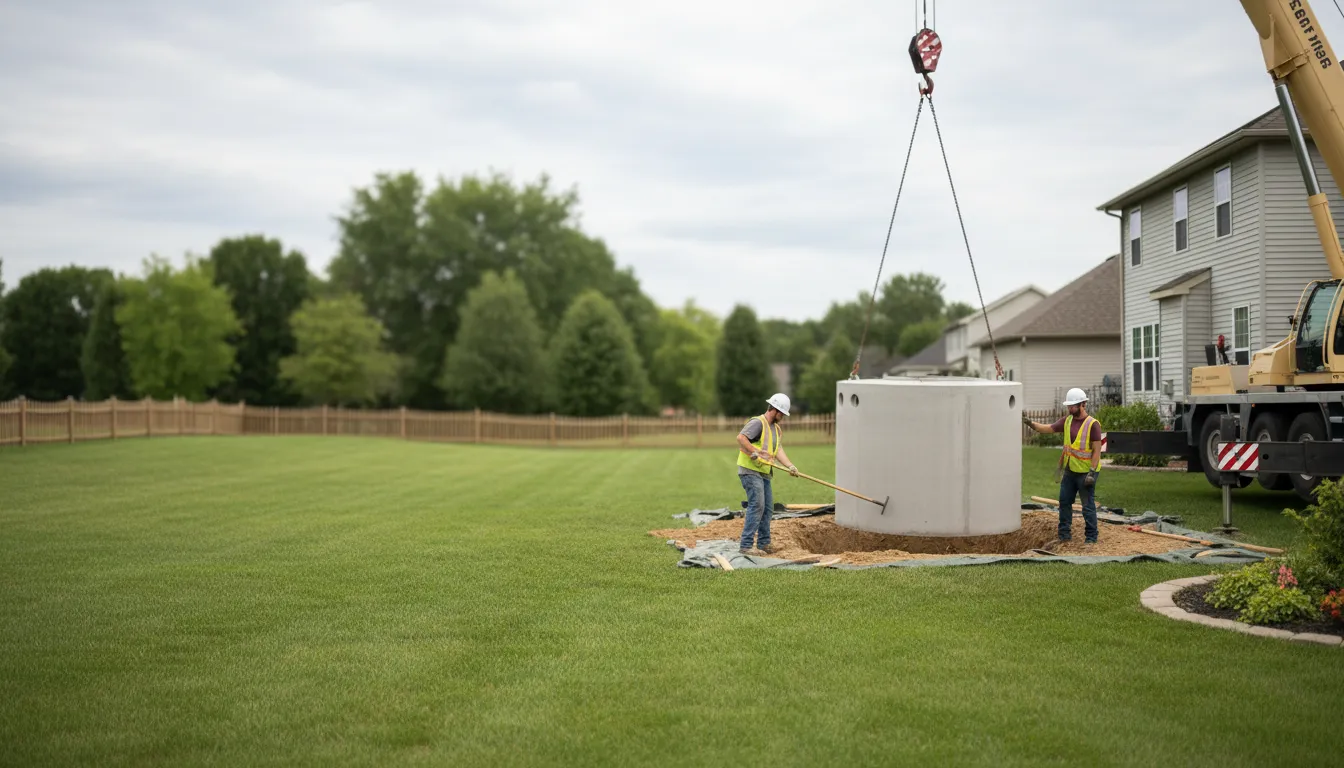
Find the Best Septic Tank Installation & Replacement Contractors for Your Business
No obligation • Fast responses • Nationwide coverage

Why you can trust Septic Spot
Septic Spot is a leading United States resource for understanding and comparing septic services. Our editors review providers using consistent criteria and verify key business details. Listings and scores are independent, and companies cannot pay to influence our content.
Search providers near you
Top Septic Tank Installation & Replacement Contractors in St Louis, Missouri Ranked
Installing or replacing a septic system is a significant investment in your property's long-term health and value. A properly designed and installed onsite wastewater treatment system (OWTS) protects your family, your land, and the local environment by safely processing household waste. For St. Louis homeowners, this process involves navigating specific state and local regulations, securing permits, and working with certified professionals. This guide will help you understand the key steps, requirements, and considerations for a successful septic tank installation or replacement project in the St. Louis area.
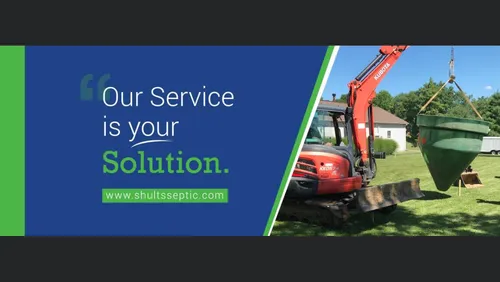
Shults Septic Service, LLC
5656 Saxtown Rd, Millstadt, IL 62260
Shults Septic Service, LLC is a locally owned company based near St Louis, MO, specializing in septic system design, installation, inspection, and repair. They provide customized solutions tailored to each customer's specific septic needs and offer service and maintenance agreements to help keep systems functioning properly. Their team focuses on identifying problems accurately and delivering appropriate services to address them.
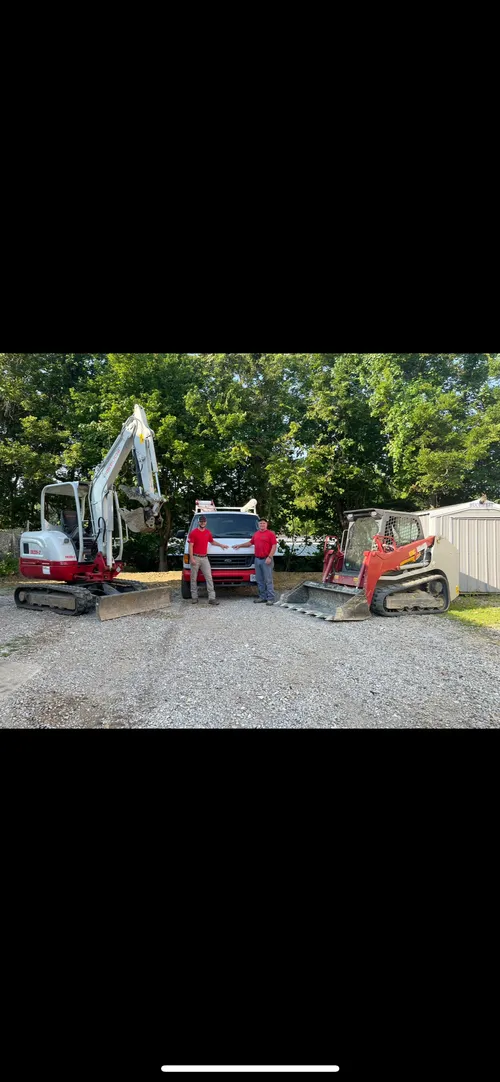
Bob Mahoney Plumbing and Excavating
699 Biltmore Dr, Fenton, MO 63026
Bob Mahoney Plumbing and Excavating is a licensed plumbing and excavation company based in St Louis, MO. They offer a range of services including septic system design, installation, inspections, and maintenance, as well as sewer drain cleaning and general plumbing repairs. The company serves several Missouri communities including Arnold, Festus, Desoto, Barnhart, Fenton, Imperial, and Hillsboro. Their excavation services support new construction and septic installations with professional-grade equipment and experienced operators. Bob Mahoney Plumbing and Excavating emphasizes comprehensive solutions and community-focused service.
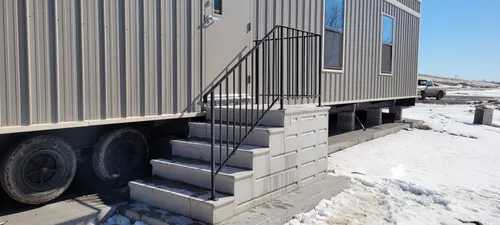
Jet Precast Inc
570 W 3rd St, O'Fallon, IL 62269
Jet Precast Inc is a precast concrete manufacturer and installer based near St Louis, MO. They provide a variety of precast concrete products including septic tank systems, concrete steps, basement entrances, storm shelters, and more. Serving Central and Southern Illinois, Jet Precast specializes in residential wastewater treatment systems and custom concrete solutions designed for durability and long-term use.
Understanding the Regulatory Landscape
In Missouri, the installation and replacement of septic systems are governed by the Missouri Department of Health and Senior Services (DHSS). The state delegates administrative authority to local health departments or building districts, which act as the direct permitting authority for most residential properties under three acres 1 2. This means your first point of contact should be your local county health department or municipal building office to determine who oversees onsite wastewater systems in your specific area.
A construction permit is mandatory before any work begins on a new system or a major replacement 3 4. Operating without a permit can result in significant fines and the requirement to remove non-compliant work. The permitting process is designed to ensure that every system is appropriately sized for the home, suitable for the local soil conditions, and installed to state code, thereby safeguarding public health and groundwater quality.
The Permit Application Process
Navigating the permit application is a critical first step. The process typically involves several key stages:
- Authority Identification: Confirm whether your local permitting authority is the DHSS, the St. Louis County Department of Public Health, or another local sewer district. This information is usually available on county government websites.
- Submission Requirements: You or your chosen contractor will need to submit a completed DHSS construction permit application form, along with supporting documentation 5. This almost always includes a professional soil evaluation report (discussed below) and may require engineered design plans for complex systems or properties with challenging landscapes.
- Professional Requirements: In Missouri, anyone installing a new OWTS or performing major modifications must be a registered installer with the DHSS 6. This registration ensures the individual has the necessary training and knowledge of state regulations.
Can a Homeowner Install Their Own System?
In some jurisdictions, like St. Louis County, homeowners are permitted to install their own septic systems under specific conditions 7. These typically include obtaining an approved permit, attending a basic installation course provided by the local authority, and having a licensed professional (such as the system designer or a registered installer) provide oversight and final certification of the work 7. This route requires a significant time investment and a willingness to manage the project, but it can offer cost savings.
The Critical Role of Soil Testing
The most important factor in designing a functional septic system is the soil's ability to absorb and treat wastewater. Missouri law requires a professional soil evaluation before a permit can be issued. There are two primary methods used:
- Soil Morphology Evaluation: This is now the standard and required method in many Missouri counties, having largely replaced traditional perc tests for new installations 8 9. A certified soil scientist uses an excavator to dig deep inspection pits (typically 5 feet or more). They examine the soil horizons, texture, structure, and identify any limiting factors like seasonal high groundwater, bedrock, or dense clay layers. This detailed analysis provides the data needed to design a system that matches the specific soil conditions on your property.
- Percolation (Perc) Test: This traditional method may still be used in some contexts or for evaluating existing drainfields. It involves digging a series of holes, pre-soaking them, and measuring the rate at which water drains 10 11. Design rates are generally accepted if the water level drops between 10 and 60 minutes per inch 12. In Missouri, perc tests must be conducted by registered engineers, geologists, soil scientists, or other DHSS-certified individuals 13.
A reputable soil evaluator will provide a report that dictates the system type, size, and placement-information essential for both the permit application and the installation blueprint.
Types of Septic Systems for St. Louis Properties
The soil evaluation will determine which type of wastewater system is viable for your land. Common systems in the region include:
- Conventional Gravity Systems: These are the most basic type, consisting of a septic tank and a subsurface drainfield (leach field). They rely on gravity to move effluent from the tank to a series of perforated pipes buried in trenches. They are only suitable for properties with suitable soil depth and permeability.
- Pressure-Dosed Systems: Used when the drainfield is at a higher elevation than the tank or when more even distribution is needed. A pump tank and pump are added after the septic tank to periodically dose the drainfield with effluent.
- Advanced Treatment Systems: For properties with poor soil, high groundwater, or limited space, advanced systems (like aerobic treatment units or sand filters) provide a higher level of treatment before the effluent is dispersed. These systems are more complex and require more maintenance but enable development on otherwise unsuitable lots.
Find the perfect septic tank installation & replacement contractors for your needs
Get personalized recommendations and expert advice
Installation Oversight and Inspections
Quality installation is just as important as good design. Inspections are required at various stages to ensure compliance with the approved plans 14 15.
- Pre-Construction Inspection: Before any digging begins, a pre-construction inspection must typically be scheduled with the local permitting authority. The inspector will verify the proposed location against the approved plan.
- Installation Oversight: During installation, a licensed inspector or the system designer may be required to witness critical steps, such as tank placement, pipe bedding, and drainfield construction. They often provide a written affidavit confirming the work was done to code 16.
- Final Inspection: Once installation is complete, a final inspection is conducted before the system is covered. Passing this inspection is necessary to receive a certificate of compliance, which is crucial for closing permits and, often, for securing a certificate of occupancy for a new home.
Costs of Installation and Replacement
The total cost for a new septic system or a full replacement in St. Louis varies widely based on system type, tank size, soil conditions, and property layout. It's a significant investment, but understanding the components can help with budgeting.
- Tank Costs: The septic tank itself is a major cost component. A standard 1,000-gallon concrete tank, suitable for a typical 1-3 bedroom home, typically costs between $900 and $2,100 for the tank alone 17. For larger homes (6+ bedrooms), a 2,000-gallon tank can range from $2,500 to $5,000 17.
- Professional Fees: These include the soil evaluation ($500-$1,500+), permit fees (set by the local authority), design/engineering fees (especially for complex systems), and the installation labor. The installer's registration or licensing fees are part of their business overhead 18.
- Additional Costs: Don't forget to budget for site preparation (excavation, tree removal), the drainfield materials (gravel, pipe, geotextile fabric), electrical work for pumps (if needed), and landscaping restoration after installation.
- Inspection Fees: Some local jurisdictions charge fees for required inspections. For example, the City of Arnold charges a standard fee for residential property maintenance inspections that can include sanitation systems 19.
Routine maintenance inspections after installation are also a wise investment to extend the life of your system and avoid catastrophic failures 20 21.
Maintaining Your New System
Once your new onsite wastewater system is installed, proper maintenance is non-negotiable. A well-maintained conventional system can last 25-30 years or more. Key maintenance tasks include:
- Having the tank pumped every 3-5 years by a licensed pumper, depending on household size and usage.
- Conserving water and avoiding flushing harmful chemicals, grease, or non-biodegradable items.
- Protecting the drainfield area from vehicle traffic, construction, and deep-rooted plants.
- Keeping detailed records of inspections, pumping, and any repairs.
Frequently asked questions
Sources
Footnotes
-
Resources | Onsite Wastewater Treatment | Health & Senior Services - https://health.mo.gov/living/environment/onsite/resources.php ↩
-
Frequently Asked Questions | Onsite Wastewater Treatment - https://health.mo.gov/living/environment/onsite/faqs.php ↩
-
OWTS Construction Permit Application Process - https://health.mo.gov/living/environment/onsite/permitprocess.html ↩
-
Onsite Wastewater Treatment | Health & Senior Services - https://health.mo.gov/living/environment/onsite/ ↩
-
DHSS OWTS Construction Permit Application Forms - https://health.mo.gov/living/environment/onsite/permitappforms.php ↩
-
Onsite Wastewater Treatment | Health & Senior Services - https://health.mo.gov/living/environment/onsite/ ↩
-
Homeowner Installation - St. Louis County - https://www.stlouiscountymn.gov/departments-a-z/planning-development/on-site-wastewater/contractor-information/homeowner-installation ↩ ↩2
-
St. Louis Septic Soil Testing - https://www.showmesoils.com/septic-soil-testing ↩
-
Missouri Code of State Regulations, Chapter 3, Section 19 CSR 20- ... - https://regulations.justia.com/states/missouri/title-19/division-20/chapter-3/section-19-csr-20-3-060/ ↩
-
Septic Tank/Absorption Field Systems - MU Extension - https://extension.missouri.edu/sites/default/files/legacy_media/wysiwyg/Extensiondata/Pub/pdf/envqual/eq0401.pdf ↩
-
Perc Test for Septic System: A Complete Guide - https://landperc.com/perc-test-for-septic-system/ ↩
-
Septic Tank/Absorption Field Systems: A Homeowner's Guide ... - https://extension.missouri.edu/publications/eq401 ↩
-
St. Louis Septic Soil Testing - https://www.showmesoils.com/septic-soil-testing ↩
-
Septic System Inspections In St. Charles County - https://npiweb.com/gould/services/septic-inspections/ ↩
-
Buying/Selling Property - St. Louis County - https://www.stlouiscountymn.gov/departments-a-z/planning-zoning/onsite-wastewater/buying-selling-property ↩
-
Training Manual for Private Inspection/Evaluation Assessments - https://health.mo.gov/living/environment/onsite/pdf/TrnMnlPrivInspEval.pdf ↩
-
How Much Does It Cost To Install a Septic System in St. Louis, MO? | Angi - https://www.angi.com/articles/what-does-it-cost-install-septic-system/mo/st-louis ↩ ↩2
-
Missouri Septic License & Certification | 2025 Contractor Guide - https://www.servicetitan.com/licensing/septic/missouri ↩
-
St. Louis Regional Occupany Inspection Requirements Directory - https://stlashi.net/ ↩
-
Septic Inspection Service in St. Louis, Maryland Heights and ... - https://wini.com/chesterfield/services/septic-inspection/ ↩
-
Septic System Inspections - InterNACHI - https://www.nachi.org/inspecting-septic-systems.htm ↩