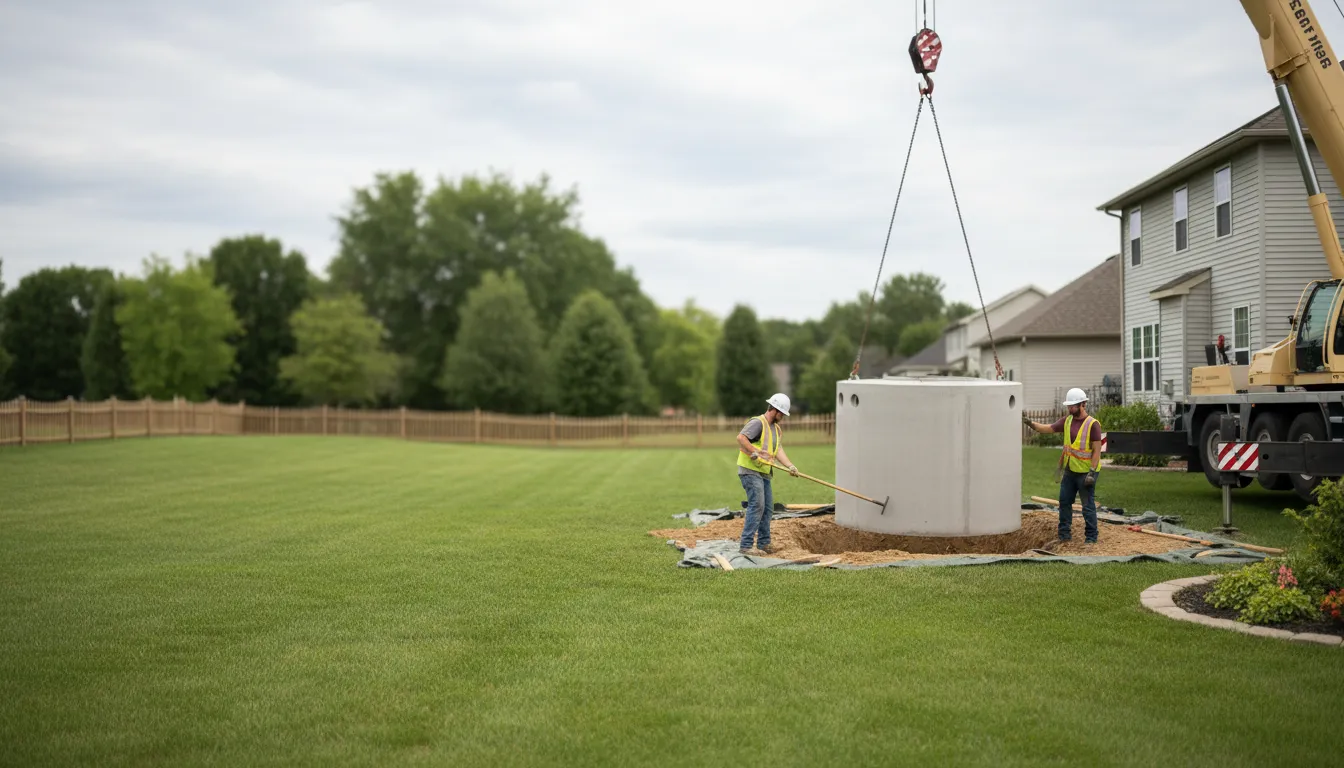
Find the Best Septic Tank Installation & Replacement Contractors for Your Business
No obligation • Fast responses • Nationwide coverage

Why you can trust Septic Spot
Septic Spot is a leading United States resource for understanding and comparing septic services. Our editors review providers using consistent criteria and verify key business details. Listings and scores are independent, and companies cannot pay to influence our content.
Search providers near you
Top Septic Tank Installation & Replacement Contractors in Nashua, New Hampshire Ranked
Installing or replacing a septic system is a significant investment in your property's long-term health and value. In Nashua, this process is governed by a combination of state and local regulations designed to protect groundwater and public health. Understanding the steps, costs, and requirements for septic system installation or replacement is crucial for homeowners planning a new construction, a major renovation, or addressing a failing system. This guide provides a clear overview of the process, helping you navigate the necessary approvals, inspections, and work with qualified local professionals.
Rooterman
67 Andover Rd, Billerica, MA 01821
Rooterman is a septic tank pumping, inspection, repair, and installation company serving Boston, MA. With over 50 years of experience since 1970, they provide residential and commercial septic services including certified Title V inspections and sewer and drain maintenance. Their team is licensed and insured, offering same-day service for most non-emergency issues and supporting property owners in maintaining safe and compliant septic systems.
Steve Sarette & Son Excavation
282 Goffstown Back Rd, Goffstown, NH 03045
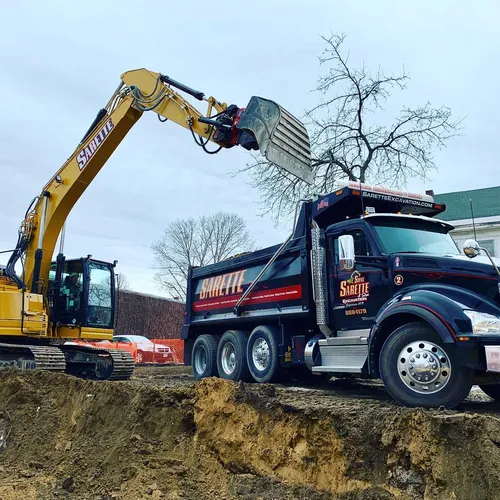
Steve Sarette & Son Excavation is a family-owned excavation company based near Manchester, NH. They provide a wide range of services including septic tank installation, road construction, sewer and water hookups, and light demolition. The company is fully insured, licensed, and bonded, serving residential, commercial, and municipal clients throughout Southern New Hampshire. Their expertise includes septic design and installation as well as commercial snow plowing and removal.
Carl's Septic Systems and Services in New Hampshire
320 Baker Rd, Candia, NH 03034
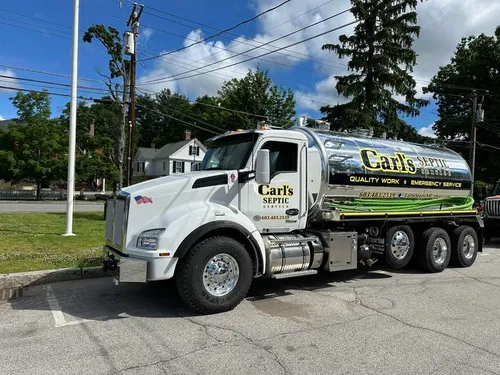
Carl's Septic Systems and Services in New Hampshire provides septic tank pumping, repair, and installation services in Manchester, NH. With over 40 years of experience, they serve both residential and commercial clients across New Hampshire. Their offerings include emergency septic services, routine maintenance, and commercial septic solutions, ensuring systems operate efficiently and meet regulatory standards. The company emphasizes reliable emergency response and comprehensive septic system care.
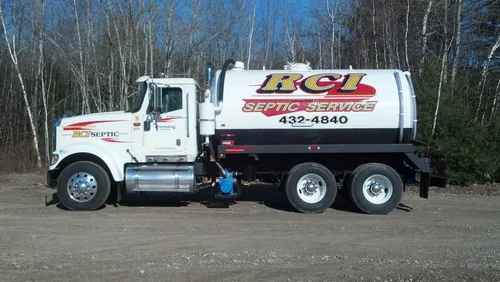
RCI Septic Service
Manchester, NH
RCI Septic Service is a family-owned septic company serving Manchester, NH, and the surrounding Southern New Hampshire region. They provide septic tank pumping, system repair, replacement, and installation services tailored to residential and commercial properties. With over 25 years of experience and a multi-generational team, they use up-to-date technology and quality materials to ensure efficient and environmentally friendly septic systems. Their capabilities include thorough septic tank pump-outs and full system installations, designed to maintain system health and longevity.
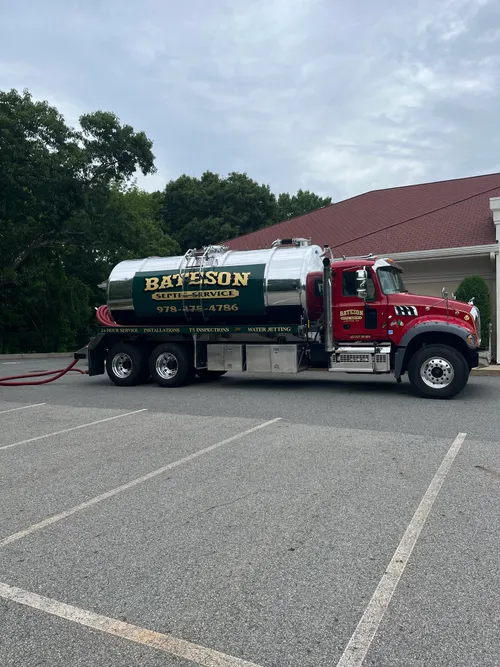
Bateson Enterprises Inc
111 Argilla Rd, Andover, MA 01810
Bateson Enterprises Inc is a septic system company serving Lowell, MA, and the surrounding areas. They provide a range of septic services including tank installation, system repair, pumping, and inspections. The company also offers specialized services such as water jetting, mainline snaking, video inspection, and Title V inspections. With over 30 years of experience, Bateson Enterprises Inc handles all types of septic systems and related repairs. They are equipped to manage both maintenance and emergency needs for residential and commercial septic systems.
Understanding the Regulatory Framework in Nashua
In New Hampshire, all new septic system installations and most replacements require approval from the New Hampshire Department of Environmental Services (NHDES). Nashua adds an additional layer of local oversight through the Nashua Health Department, which enforces city ordinances and conducts mandatory inspections during construction. The goal of these regulations is to ensure systems are properly sited and built to prevent contamination of Nashua's groundwater, which is the source of drinking water for many residents.
Key governing documents include the NHDES Subdivision and Individual Sewage Disposal System Design rules and Nashua Ordinance Chapter 1901. These rules establish critical setback requirements, such as maintaining a minimum distance of 75 to 100 feet from private wells2. One of the most important site-specific factors is the seasonal high water table (SHWT), as systems must maintain a specified vertical separation from it to function properly.
The Step-by-Step Process for System Installation
Navigating a new septic system project involves a series of defined steps, from initial assessment to final approval.
1. Site Evaluation and Soil Testing
The process begins with a thorough site assessment conducted by a licensed septic system designer. This evaluation determines the suitability of your property for a conventional onsite wastewater treatment system. The designer will dig test pits to examine soil composition, structure, and depth to bedrock or groundwater.
A percolation test (or "perc test") is performed to measure the rate at which water drains through the soil 3. The results of these tests are critical; they determine whether your site can support a standard gravity-fed leach field or if a more complex, engineered system like a mound system or sand filter is required 4.
2. System Design and Plan Submission
Using the data from the site evaluation, the designer creates a detailed septic system design plan. This plan must comply with all NHDES and Nashua regulations, including the crucial requirement for a 4-foot vertical separation between the bottom of the proposed leach field and the seasonal high water table for new systems 5. For replacement systems without expansion, a minimum of 3 feet of separation may be acceptable.
The completed design plans are then submitted to both NHDES and the Nashua Health Department for review. The NHDES issues the formal "Approval for Septic System Construction," which is required before any excavation can begin.
3. Permitting, Inspections, and Installation
Once state approval is secured, you must schedule and pay for local inspections with the Nashua Health Department. The city charges fees for these services, which typically include approximately $50 per test pit observation and $25 for a bed bottom inspection.
The installation itself is a major excavation project. A qualified septic system installer will first excavate for the septic tank and drainfield. After the bed bottom is prepared and inspected by the city, they will place sand, piping, and gravel according to the approved design. A final inspection by the Health Department is required to receive approval for the system to be put into operation6.
Find the perfect septic tank installation & replacement contractors for your needs
Get personalized recommendations and expert advice
Costs and Factors Influencing Your Project
The total cost of a septic system installation in the Nashua area can vary widely based on several key factors.
- System Type: A conventional gravity system is typically the most affordable option, with estimated costs ranging from $10,000 to $15,0007 8. If poor soil conditions require an alternative septic system like a mound, sand filter, or aerobic treatment unit (ATU), costs can jump significantly to $20,000 to $30,000 or more7 9 8.
- Site Conditions: Difficult soil, high groundwater, rocky terrain, or limited space all increase complexity and cost. The need for extensive site preparation, such as importing fill or clearing trees, adds to the budget.
- Property Access: Easy access for heavy equipment like backhoes and dump trucks helps control costs. Tight or obstructed access can make the installation more labor-intensive and expensive.
- Local Fees: Remember to factor in the costs for design, permitting, and the required Nashua Health Department inspection fees.
Special Considerations for System Replacement
Homeowners facing a failing septic tank or drainfield have different considerations than those building new.
- In-Kind Replacement: New Hampshire law provides an important exemption for certain repairs. If you are replacing a septic tank with one of equal or greater capacity in the exact same location, it may be considered an "in-kind" replacement10. This type of work may not require a new NHDES approval or local permit, though it's always essential to verify this with the Nashua Health Department first.
- Full System Replacement: If the entire soil absorption system (leach field) needs replacement, or if you are expanding the system's capacity, you will generally need to go through the full NHDES and local approval process as outlined for a new installation. This includes a new site evaluation and design to meet current regulations, which are often more stringent than when the original system was installed.
Choosing the Right Professional for the Job
Given the technical and regulatory complexity, selecting experienced, licensed professionals is non-negotiable.
- Licensed Septic Designer: You must hire a designer licensed by NHDES to create your system plans11 12. They are experts in interpreting soil data and designing a system that meets code.
- Experienced Installer: Choose a septic contractor with a strong track record in Nashua and Hillsborough County. They should be familiar with local inspectors and common soil challenges in the area. Verify they carry proper insurance and licensing.
- The Health Department as a Resource: The Nashua Health Department is not just an enforcement body; they can be a valuable resource for answering preliminary questions about the process on your specific property.
Planning is everything. For new construction, engage a septic designer early in the building process to avoid delays. For suspected system failures, act promptly to assess the issue, as a complete failure can lead to property damage and environmental health hazards.
Frequently asked questions
Sources
Footnotes
-
ORDINANCE - Nashua, NH - https://www.nashuanh.gov/DocumentCenter/View/31767 ↩
-
Septic & Well Inspections in NH: What Buyers Need to Know - https://nhrealestate.com/blog/septic-well-inspections-nh ↩
-
Nh Septic Installers Manual - https://vaccination.gov.ng/scholarship/jRKDL2/7S9128/nh__septic-installers__manual.pdf ↩
-
Septic System Installation for Small Properties in NH - https://www.townesseptic.com/blog/septic-system-installation-for-small-properties-in-nh ↩
-
SEPTIC SYSTEMS - https://www.dhhs.nh.gov/sites/g/files/ehbemt476/files/documents/2021-11/holu-septic-systems.pdf ↩
-
New Hampshire Department of Environmental Services Granite State Onsite Wastewater Association David Aiton Presentation - https://www.des.nh.gov/sites/g/files/ehbemt341/files/documents/2025-04-16-gsowa.pdf ↩
-
Sewage & Septic Systems | Nashua, NH - https://nashuanh.gov/1659/Sewage-Septic-Systems ↩ ↩2
-
Septic System Installation in NH: Everything You Need to Know - https://www.rciseptic.com/septic-system-installation-in-new-hampshire-everything-homeowners-need-to-know ↩ ↩2
-
Navigating New Hampshire Septic System Laws: A Homeowner's Guide - https://www.ajfoss.com/regulations-and-compliance/new-hampshire-septic-system-laws/ ↩
-
N.H. Admin. Code § Env-Wq 1010.14 - Replacement of Septic Tanks - https://www.law.cornell.edu/regulations/new-hampshire/N-H-Admin-Code-SS-Env-Wq-1010.14 ↩
-
Septic Systems | NH Department of Environmental Services - https://www.des.nh.gov/land/septic-systems ↩
-
NH's Septic Design Process - Wright Choice Septics - https://www.wrightchoiceseptics.com/nhs-septic-design-process ↩