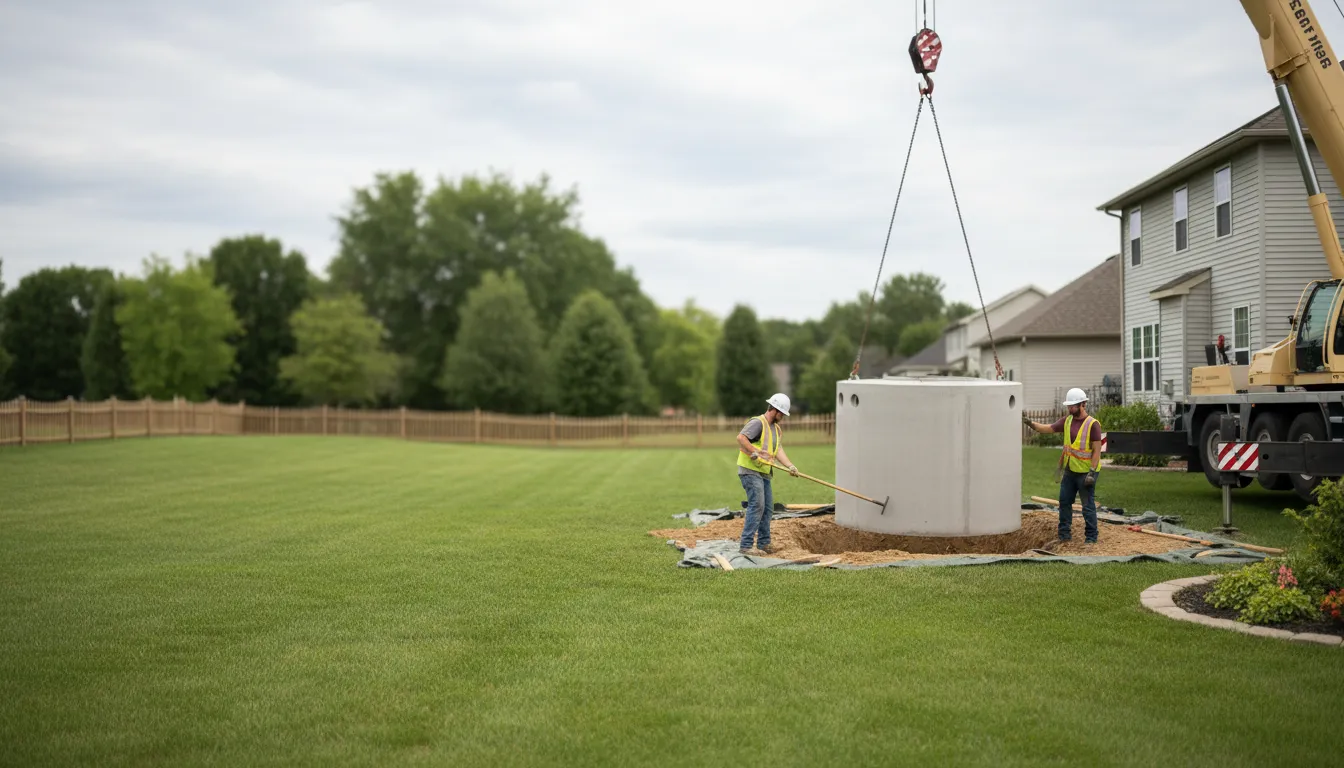
Find the Best Septic Tank Installation & Replacement Contractors for Your Business
No obligation • Fast responses • Nationwide coverage

Why you can trust Septic Spot
Septic Spot is a leading United States resource for understanding and comparing septic services. Our editors review providers using consistent criteria and verify key business details. Listings and scores are independent, and companies cannot pay to influence our content.
Search providers near you
Top Septic Tank Installation & Replacement Contractors in Cranston, Rhode Island Ranked
Installing or replacing a septic system is a significant home improvement project that ensures the safe and effective treatment of household wastewater. In Cranston, this process is governed by strict state and local regulations designed to protect public health and the environment. Understanding the steps, costs, and requirements for a new septic tank or full system replacement is crucial for a successful project. This guide provides a clear overview of the process, helping you navigate local rules and connect with qualified professionals for your property's needs.
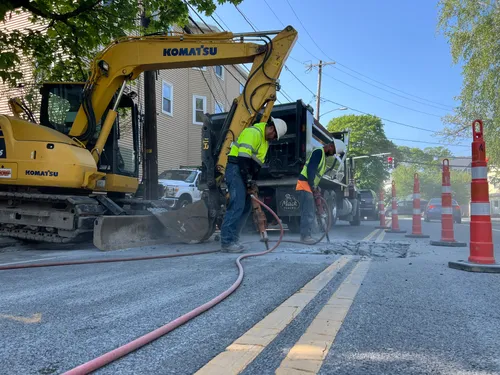
Jones Contracting, Inc.
735 Washington St, Walpole, MA 02081
Jones Contracting, Inc. is a family-owned excavation and underground utility contractor based in Boston, MA. Serving homeowners, builders, and property managers throughout Greater Boston, they specialize in residential sewer, water, drainage, and septic tank installation work. Their services range from quick repairs to complex utility installations, including sitework packages and infrastructure projects on city streets and state highways. Founded in 2004, the company brings over 40 years of combined experience to their projects, offering practical insight and reliable guidance across residential, commercial, and municipal sectors.

Green Wastewater Solutions
80 Kilvert St, Warwick, RI 02886
Green Wastewater Solutions is a septic tank installation contractor based in Providence, RI. They specialize in the sales, installation, operation, and maintenance of Orenco AdvanTex Innovative/Alternative Treatment Systems for both residential and commercial septic systems. Established in 1998, the company has grown from a small family operation focused on septic system maintenance to an authorized dealer and installer of advanced septic treatment systems. Green Wastewater Solutions also offers engineered septic system designs and maintenance plans.
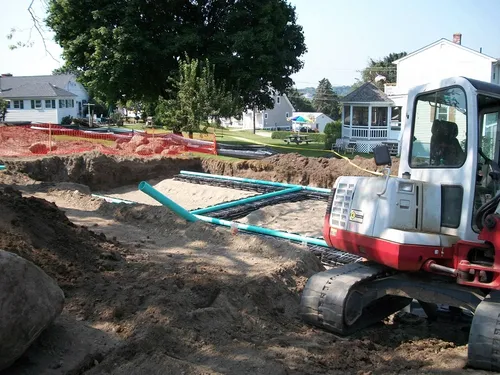
Michael Perri & Sons Septic Service, Inc.
Providence, RI
Michael Perri & Sons Septic Service, Inc. is a family-owned and operated septic company serving Providence, RI, and the entire state of Rhode Island. They provide a full range of septic services including routine pumping, cleaning, inspections, repairs, and new system installations. Their skilled team also offers hydro-jetting, backhoe services, enzyme bacteria treatments, and drainage installation to maintain and protect septic systems. With over 50 years of experience and licenses for underground utility work, they handle both residential and commercial septic needs across multiple Rhode Island communities.
Understanding Rhode Island's Septic System Regulations
All work related to septic system installation or onsite wastewater treatment system (OWTS) replacement in Cranston falls under the authority of the Rhode Island Department of Environmental Management (RIDEM). The state's On-Site Wastewater Treatment Systems (OWTS) rules are designed to ensure systems are properly sized, sited, and constructed to prevent contamination of groundwater and surface water. Compliance is not optional; it's a legal requirement enforced through a detailed permitting and inspection process. The City of Cranston's Building Inspection department also plays a key role in the local review and oversight of these projects.
A core principle of these regulations is that every property is unique. The type and size of the system you can install depend entirely on your site's specific conditions. This regulatory framework means you cannot simply hire any contractor to dig a hole and place a tank. The process must begin with a professional site evaluation and a system design approved by the state.
The Step-by-Step Process for Installation or Replacement
Navigating a septic system project involves a defined sequence of steps. Skipping or rushing any phase can lead to permit denials, costly corrections, or system failure.
1. Initial Site Evaluation and Soil Testing
Before any design work begins, a licensed soil evaluator or professional engineer must conduct a thorough site assessment. This involves digging test pits to determine:
- Soil Absorption Capacity (Percolation Rate): How quickly water drains through the soil dictates the size of the necessary leach field.
- Seasonal High Groundwater Level: State law requires a minimum separation between the bottom of the leach field and the groundwater table. A high water table may necessitate a more advanced, raised system.
- Soil Type and Topography: The soil composition and slope of the land influence the system design.
This evaluation is the most critical factor in determining what kind of system you can install and, consequently, the overall project cost.
2. System Design and Permitting
With the soil data in hand, a licensed OWTS designer creates detailed construction plans. In Rhode Island, there are two main permit pathways:
- New System Installation: Required for new construction or a property without an existing system.
- System Repair/Replacement: Used when an existing system has failed or is being upgraded.
The permitting process follows a specific sequence:
- Submit the completed design plans and application to the Cranston Building Official for local review 1.
- Once locally reviewed, the application is submitted to RIDEM for final approval.
- RIDEM reviews the design for compliance with all technical regulations.
- Upon approval, RIDEM issues the Construction Permit. This permit must be in hand before any excavation begins. The entire review process can take several weeks, so planning ahead is essential 2.
3. Installation and Required Inspections
All construction must be performed by a Rhode Island-licensed septic installer. The installation is subject to multiple mandatory inspections to ensure it matches the approved plans:
- Pre-Construction/Excavation Inspection: Verifies the site layout.
- During Construction Inspections: RIDEM or municipal inspectors may check key stages, such as the placement of the septic tank and the construction of the leach field.
- Final Inspection: This occurs after the system is fully installed but before the trenches and components are backfilled. Passing this inspection is mandatory 3.
Find the perfect septic tank installation & replacement contractors for your needs
Get personalized recommendations and expert advice
4. Final Certification and System Closure
After the final inspection is passed, the licensed designer must submit a certification to RIDEM stating the system was installed according to the approved design. Only then can the system be covered and put into operation 4 5. Keeping a copy of the "as-built" plans is vital for future maintenance and property sales.
Types of Septic Systems Used in Cranston
The results of your soil evaluation will determine which type of system is suitable for your property. Common systems include:
- Conventional Gravity Systems: The most basic type, used in soils with good permeability and adequate depth to groundwater. Wastewater flows by gravity from the tank to a distribution box and out into a network of perforated pipes in a gravel-filled trench.
- Pressure-Dosed Systems: Used when the site has slight elevation issues or to improve distribution. A pump chamber and pump are used to evenly distribute effluent to the leach field.
- Advanced Treatment Systems (Mounds, Sand Filters, etc.): Required for sites with poor soil, high groundwater, or limited space. These systems provide additional treatment before the effluent reaches the soil. A mound system, for instance, is an above-ground, engineered leach field filled with sand, which can be a necessary and costly solution for challenging sites in Cranston 6.
Cost Factors for Septic System Replacement
Replacing a failed septic system or an old cesspool is a major financial consideration for Cranston homeowners. Average costs for a full septic system replacement typically range from $15,000 to $35,000 or more, with many homeowners paying around $22,000. Several key factors drive this cost:
- Soil and Site Conditions: This is the largest variable. Sites requiring an advanced treatment system like a mound due to poor drainage or high groundwater can see costs at the very top of the range or beyond 7.
- System Size and Type: The size of the home (number of bedrooms) determines the required tank and leach field size. A conventional system is less expensive than an advanced alternative treatment unit.
- Permit and Design Fees: Professional design and state/municipal permit fees can add $100 to over $500 to the project cost 8 9.
- Excavation and Access: Difficult site access or the need for extensive rock removal can increase labor and equipment costs.
- Cesspool Replacement Mandate: Rhode Island law requires that any existing cesspool be replaced upon the sale of a property or when it fails 10 11. This is a common trigger for replacement projects in older Cranston neighborhoods.
Maintenance: Protecting Your Investment
A new septic system is a long-term investment. Proper maintenance is required by law and is essential to prevent premature-and very expensive-failure 12. Key maintenance steps include:
- Regular Pumping: Have the septic tank pumped every 3-5 years by a licensed pumper to remove solids.
- Water Conservation: Reducing excessive water flow helps the system operate efficiently.
- Mindful Flushing: Only human waste and toilet paper should go into the system. Avoid chemicals, grease, and non-biodegradable items.
- Protect the Drainfield: Never drive or park vehicles on the leach field, and keep rainwater drainage systems directed away from it.
Frequently asked questions
Sources
Footnotes
-
Considering a New Septic System in RI? What to Expect - Rockhouse Construction ↩
-
Onsite Wastewater Treatment System Application for Repair - RI DEM ↩
-
Failed Septic on RI Home Inspection - Replacement - Rockhouse Construction ↩
-
Rhode Island Septic System Regulations for Homeowners - Rockhouse Construction ↩
-
Cost of Replacing a Septic System in Rhode Island - Rockhouse Construction ↩
-
SepticSmart Homeowners | Rhode Island Department of Environmental Management ↩
-
Rhode Island Septic Inspection Requirements: What to Know - Rockhouse Construction ↩