
Find the Best Septic Tank Installation & Replacement Contractors for Your Business
No obligation • Fast responses • Nationwide coverage

Why you can trust Septic Spot
Septic Spot is a leading United States resource for understanding and comparing septic services. Our editors review providers using consistent criteria and verify key business details. Listings and scores are independent, and companies cannot pay to influence our content.
Search providers near you
Top Septic Tank Installation & Replacement Contractors in Draper, Utah Ranked
Installing or replacing a septic system is a significant investment in your property's long-term functionality and value. In Draper, this process is regulated by the Salt Lake County Health Department to protect public health and the local environment. This guide explains the key steps, regulations, and costs for septic system installation and replacement, helping you navigate the process and connect with qualified local professionals.
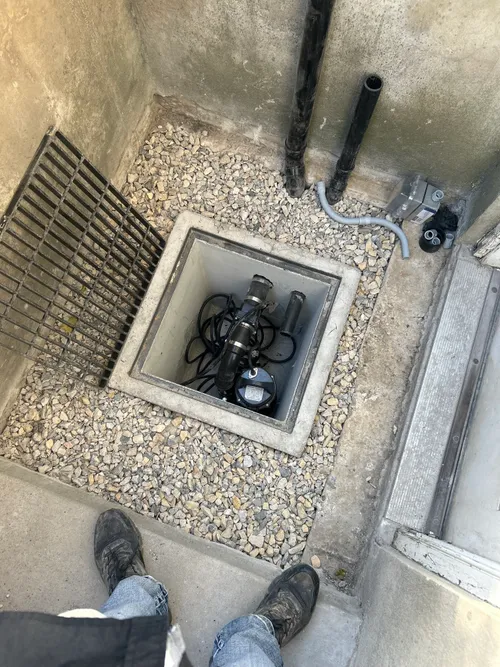
Understanding the Draper Septic System Permit Process
Before any excavation begins, you must secure the proper permits. The Salt Lake County Health Department enforces Utah state regulations, primarily Utah Administrative Rule R317-4, for all onsite wastewater systems. You cannot legally start construction without a construction permit in hand 1.
The permitting process is designed to ensure your property can safely support a septic system. It starts with a formal application, which must include a site-specific design prepared by a certified professional. The timeline for permit approval can vary, often taking from 10 business days to several weeks, depending on the complexity of the project and the completeness of your application 2.
The Critical First Step: Site Evaluation and Soil Testing
A successful septic system installation hinges on the property's soil conditions. The county requires a certified site evaluation before issuing a permit. This involves two key tests conducted by an individual certified by the Utah Division of Water Quality:
- Soil Profile Test: A deep soil exploration, typically to a depth of 10 feet or until "practical refusal" (like bedrock), to examine soil layers and texture.
- Percolation ("Perc") Test: This measures how quickly water drains through the soil in a prepared hole, determining the soil's absorption rate.
These tests must be done correctly. They should not be performed on frozen or recently disturbed soil, and if the planned drainfield (or absorption system) will be deeper than 6 feet, soil tests must extend at least 4 feet below its proposed bottom 3 4. The results directly inform the system's design and size.
Designing Your Septic System
With soil test results in hand, a certified designer or professional engineer creates the system plans. These engineered designs must be drawn to a standard scale and clearly show the layout of the tank, distribution box, and drainfield 5 6. The design must comply with all state and county regulations, including the requirement that septic tanks have a minimum capacity of 1,000 gallons 7.
For most properties in Draper with suitable soil, a conventional anaerobic septic system will be designed. However, if the soil conditions are poor (e.g., too dense, too shallow to groundwater, or too rocky), an alternative or advanced treatment system may be necessary. These engineered systems use additional technology to treat wastewater to a higher standard before dispersal, but they come with a significantly higher price tag.
Navigating Installation and Required Inspections
Once you have your permit and design, installation can begin. This is a multi-stage process with mandatory inspections at critical points to ensure compliance with the approved plans 8. Skipping an inspection can lead to failed approval and costly rework.
The typical inspection sequence includes:
- Pre-construction/Site Evaluation: Verification of the test hole locations and conditions.
- Tank Setting Inspection: After the septic tank is placed in the ground but before it is backfilled.
- Drainfield Inspection: After the gravel bed and distribution pipes are laid in the trenches, but before they are covered.
- Final Inspection: A complete review of the entire installed system before it is approved for use 9.
Find the perfect septic tank installation & replacement contractors for your needs
Get personalized recommendations and expert advice
Cost Breakdown for Septic System Projects in Draper
The total cost of a septic system project is more than just the physical installation. It's essential to budget for all phases. Permit fees from the health department generally range from $150 to $500.
For a standard conventional system on a property with good soil, the installation cost itself typically falls between $3,000 and $8,000. When you add in the costs for soil testing, engineered design, permits, and other fees, the total project cost usually ranges from $5,000 to $15,000 10.
If your property requires an alternative or advanced treatment system due to challenging soil or site conditions, you should expect to add $8,000 to $10,000 or more to the total project cost 11 12. The entire project, from initial design to final inspection, typically takes between 6 weeks and 3 months to complete 13.
When is Septic System Replacement Necessary?
Understanding when to replace an existing system is crucial for avoiding emergencies and environmental hazards. Common signs that your drainfield or entire system may be failing include:
- Sewage backups in household drains.
- Damp, soggy areas or standing water over the drainfield.
- Unpleasant odors around the tank or drainfield.
- Unusually green, lush grass over the drainfield.
- Slow-draining toilets and fixtures throughout the home.
Replacement follows the same permit and installation process as a new installation. The old tank must be properly pumped and either removed or collapsed in place and filled with soil or gravel. The health department will require a new site evaluation and design for the replacement system.
Choosing a Qualified Installation Professional
Given the technical and regulatory complexity, selecting the right contractor is vital. Look for a licensed septic system installer with extensive experience in Draper and Salt Lake County. They should be familiar with local inspectors and the specific nuances of Utah Rule R317-4. Always verify that they carry adequate insurance and ask for references from recent projects. A reputable professional will handle the permit application, coordinate soil testing and design, schedule all required inspections, and ensure the final system meets all codes.
Maintaining Your New Septic System
After your new system is installed and approved, proper maintenance is key to its longevity. This includes regular pumping of the tank (typically every 3-5 years), conserving water to avoid overloading the system, and never flushing harmful chemicals or non-biodegradable materials. Protecting your drainfield from compaction by vehicles and diverting rainwater runoff away from it are also essential practices.
Frequently asked questions
Sources
Footnotes
-
How to Know if You Need a Septic System Permit - Pippin Home Designs - https://www.pippinhomedesigns.com/septic-system-permit/ ↩
-
Septic Systems - Southwest Utah Public Health Department - https://swuhealth.gov/septic-systems/ ↩
-
SEPTIC SYSTEM APPLICATION CHECKLIST - https://swuhealth.org/wp-content/uploads/2022/02/SEPTIC-SYSTEM-APPLICATION-CHECKLIST-v012022.pdf ↩
-
Perc Testing and Soil Testing - What You Need to Know - https://buildingadvisor.com/buying-land/septic-systems/soil-and-perc-testing/ ↩
-
R317-4, Onsite Wastewater Systems - Utah Administrative Rules - https://rules.utah.gov/publicat/code/r317/r317-004.htm ↩
-
Engineered Septic System Design: A Complete Guide - https://landperc.com/engineered-septic-system-design/ ↩
-
DAR File No. 39821 - Utah Administrative Rules - https://rules.utah.gov/publicat/bulletin/2015/20151101/39821.htm ↩
-
2026 Septic Inspection Costs | Tank, System, & Title 5 - https://homeguide.com/costs/septic-tank-inspection-cost ↩
-
Septic System Approval: Percolation Test & Expert Guidance - https://smartsepticpros.com/blog/how-to-do-a-percolation-test/ ↩
-
DAR File No. 37575 - Utah Administrative Rules - https://rules.utah.gov/publicat/bulletin/2013/20130515/37575.htm ↩
-
Understanding Septic Tank Permits and Regulations - https://westcoastsanitationinc.com/understanding-septic-tank-permits-and-regulations/ ↩
-
Septic System Installation Checklist - https://www.mecindustries.com/morse-engineering-and-construction-industries/septic-system-installation-checklist ↩
-
Septic System Install Timeline | RCI Septic Service - https://www.rciseptic.com/complete-step-by-step-timeline-septic-system-installation-from-permit-to-finish ↩