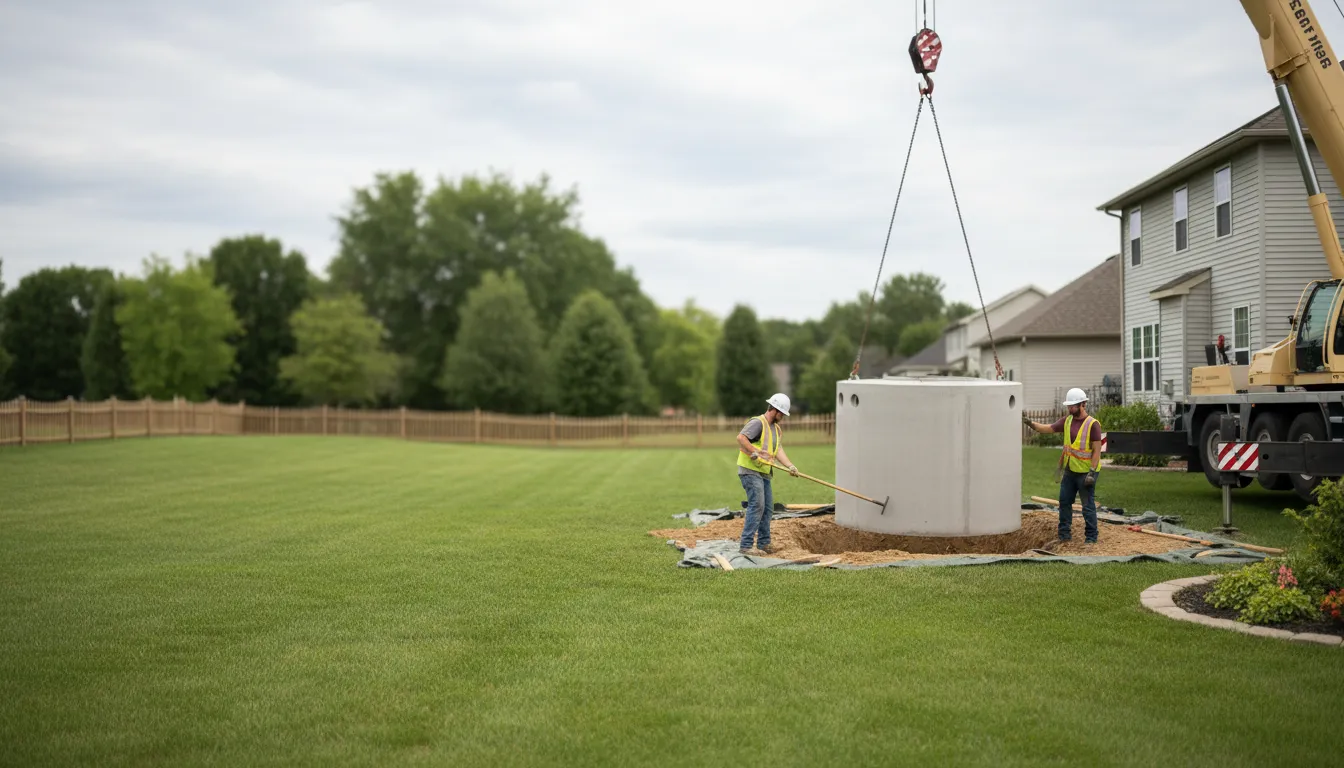
Find the Best Septic Tank Installation & Replacement Contractors for Your Business
No obligation • Fast responses • Nationwide coverage

Why you can trust Septic Spot
Septic Spot is a leading United States resource for understanding and comparing septic services. Our editors review providers using consistent criteria and verify key business details. Listings and scores are independent, and companies cannot pay to influence our content.
Search providers near you
Top Septic Tank Installation & Replacement Contractors in Layton, Utah Ranked
Installing or replacing a septic system is a significant investment in your property's long-term functionality and environmental health. In Layton, this process is governed by specific local regulations and soil conditions that require careful planning and professional expertise. This guide explains the key steps, costs, and regulatory requirements for septic system work in Davis County, helping you navigate the process to find qualified local professionals for your project.
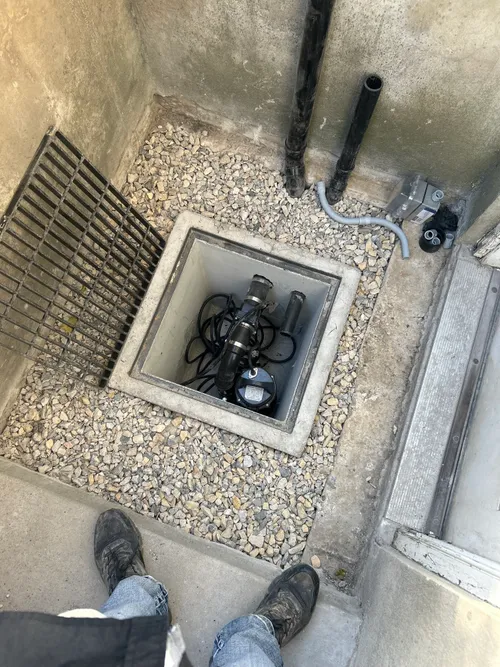
Understanding the Layton Septic System Process
A septic system installation or replacement in Layton is not a simple excavation project. It is a regulated process managed by the Davis County Health Department to protect public health and groundwater quality. The journey begins with understanding that you cannot start any digging before obtaining the proper permits. The core of the process involves proving your property can safely handle an on-site wastewater system through a series of evaluations conducted by state-certified professionals. This ensures the system is designed for your specific lot's size, soil type, and topography.
Step 1: The Critical Site Evaluation & Soil Testing
Before any design work can begin, a certified professional must conduct a thorough site evaluation. This is the foundation of your entire septic project.
- Soil Exploration Pit: A backhoe is used to dig a deep pit to analyze soil composition, depth to bedrock, and the seasonal high groundwater level. This pit must be inspected and approved by the health department.
- Percolation Test ("Perc Test"): This test measures how quickly water drains through your soil. The results directly determine the size and type of drain field (or leach field) required for your home.
- Groundwater Monitoring: In areas with high water tables, the county may require the installation of a permanent, accessible groundwater observation well for future monitoring.
These tests answer the essential question: Can my property support a conventional septic system? The findings will dictate the system design and are non-negotiable parts of your permit application.
Step 2: System Design and Permit Application
With favorable soil test results, the next phase is designing the system and submitting for approval. All design work must be completed by or under the supervision of a professional certified by the state of Utah.
Your application to the Davis County Health Department will include:
- The completed Onsite Wastewater System Application.
- A detailed plot plan showing your home, property lines, wells, waterways, and the proposed system location with all required setbacks.
- The official report from the site and soil evaluation.
- The engineered system design specifications.
The permit fee for this construction permit is approximately $500. It is crucial to wait for permit issuance before any construction begins, as starting work without a permit can result in significant penalties, often exceeding $600.
Find the perfect septic tank installation & replacement contractors for your needs
Get personalized recommendations and expert advice
Step 3: Installation and Mandatory Inspections
Once you have your permit in hand, installation by a licensed contractor can begin. Davis County mandates a series of inspections that must be scheduled with the Health Department. You cannot skip these.
- Construction Inspection: This occurs after the tank and drain field are excavated and piped, but before they are backfilled with soil. The inspector verifies the materials and layout match the approved design.
- Final Inspection: After the system is fully installed and covered, a final inspection verifies that all components are operational and the installation is complete. Passing this inspection is necessary to receive your operating permit 1.
Failing to call for these inspections can result in fines and may require you to excavate the system for verification, leading to costly rework.
Cost Considerations for Layton Homeowners
The total cost for a new septic system or a full system replacement in Layton varies widely based on lot conditions, system size, and type. However, homeowners can expect the following general cost structure:
- Permit & County Fees: ~$500 2.
- Professional Design & Testing Fees: Paid separately to the certified engineer or soil evaluator for the site plan, perc test, and system design.
- Installation/Replacement Cost: A standard conventional system installation typically ranges from $5,000 to $15,000 3. Complex systems for difficult soils or larger homes can cost significantly more. This price generally includes the septic tank, drain field, piping, and labor.
- Contractor Costs: Always get detailed, written estimates from multiple licensed septic contractors. The estimate should break down labor, materials, and any costs associated with county inspections.
Choosing a Certified Professional in Davis County
Your entire project hinges on working with the right professionals. Utah law requires that soil evaluations, percolation tests, system designs, and inspections be performed by individuals certified by the state 4. When searching for a septic contractor or engineer:
- Verify their Utah certification is current.
- Ask for references from recent projects in Davis County.
- Ensure they are familiar with the specific forms and processes of the Davis County Health Department.
- Choose a provider who handles both the design/permit process and the installation, or who coordinates closely with an installation partner.
A qualified professional will guide you through the entire process, from the initial feasibility assessment to the final inspection, ensuring compliance and saving you time and potential headaches.
Why Local Regulations Matter
Layton's regulations, guided by the Davis County Board of Health Onsite Wastewater Regulation 5, exist for vital reasons. Properly sited and installed systems:
- Protect Drinking Water: Prevent contamination of groundwater, which is a source for local wells.
- Ensure Public Health: Safely treat wastewater to prevent the spread of disease.
- Preserve Property Value: A failing or unpermitted system can render a property unusable and difficult to sell.
- Protect the Environment: Prevent nutrient pollution from reaching the Great Salt Lake watershed.
Understanding and following these rules is not just a legal obligation-it's an investment in your community's health and your property's value.
Frequently asked questions
Sources
Footnotes
-
Onsite Wastewater Systems - Davis County - https://www.daviscountyutah.gov/health/environmental-health-division/permits/onsite-wastewater-systems-new ↩
-
SEPTIC SYSTEM APPLICATION CHECKLIST - https://swuhealth.org/wp-content/uploads/2022/02/SEPTIC-SYSTEM-APPLICATION-CHECKLIST-v012022.pdf ↩
-
Understanding Septic Tank Permits and Regulations - https://westcoastsanitationinc.com/understanding-septic-tank-permits-and-regulations/ ↩
-
Wastewater Certification Permit Guide - https://deq.utah.gov/permits/permit-guide/wastewater-certification-permit-guide ↩
-
davis county board of health - onsite wastewater regulation - https://www.daviscountyutah.gov/docs/librariesprovider5/administration-documents/board-of-health-regulations/onsite-wastewater-regulation.pdf?sfvrsn=8feee953_5/.pdf ↩