
Find the Best Septic Tank Installation & Replacement Contractors for Your Business
No obligation • Fast responses • Nationwide coverage

Why you can trust Septic Spot
Septic Spot is a leading United States resource for understanding and comparing septic services. Our editors review providers using consistent criteria and verify key business details. Listings and scores are independent, and companies cannot pay to influence our content.
Search providers near you
Top Septic Tank Installation & Replacement Contractors in Lehi, Utah Ranked
Installing or replacing a septic system is a significant undertaking for any Lehi homeowner, requiring careful planning, adherence to strict regulations, and professional expertise. A properly designed and installed onsite wastewater system is crucial for protecting your property value, your family's health, and the local environment, including the groundwater that feeds into Utah Lake. This guide provides a detailed overview of the process, costs, and local requirements for septic tank installation and replacement in Lehi, helping you understand what to expect and how to connect with qualified local professionals.
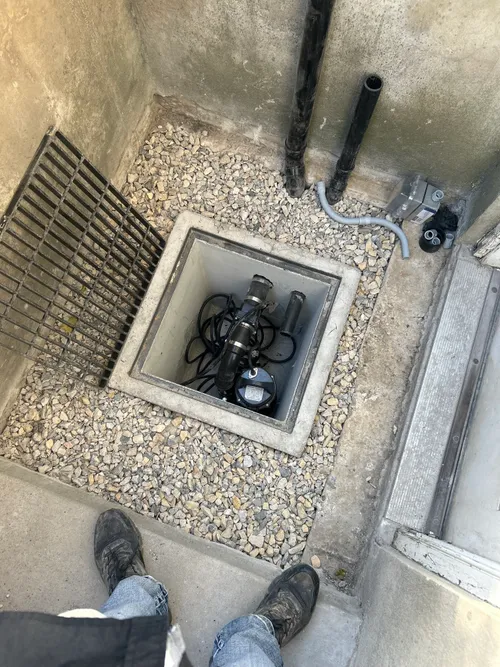
Understanding the Septic System Installation Process in Utah County
The journey to a new septic system in Lehi is governed by state and county regulations designed to ensure public and environmental safety. The process is multi-stage and always begins with obtaining the proper permits. You cannot legally begin any construction on a septic system without approval from the Utah County Health Department, which enforces the Utah Administrative Rules R317-4. This process ensures your system is designed for your specific property's conditions and will function correctly for years to come.
The core steps for a new septic system installation or a full system replacement are:
- Site Evaluation & Soil Testing: A licensed professional must conduct a certified soil evaluation, including a percolation ("perc") test. This test determines the soil's absorption rate, which dictates the size and type of drain field needed 1.
- System Design: Based on the soil test results and your home's size (number of bedrooms), a licensed designer or engineer creates a detailed system plan. This design must meet all state rules for tank capacity, drain field layout, and setback distances from wells, property lines, and waterways.
- Permit Application: The completed design is submitted with an application to the Utah County Health Department for review and approval 2.
- Installation: Once permitted, a licensed installer can excavate and install the tank, distribution box, and drain field according to the approved plans.
- Inspections: Critical inspections occur at multiple points. A pre-construction site inspection verifies setbacks. During installation, inspectors from the county or Utah Department of Environmental Quality will check the work before the system is covered. A final inspection grants the Operating Permit, allowing the system to be put into use 3 4.
The Critical Role of Soil and Site Evaluation
The feasibility and design of your entire septic system hinge on the condition of your soil. The perc test is not just a formality; it's a scientific assessment of how quickly water drains through your property's soil layers. A professional evaluator will assess soil depth, texture, structure, and seasonal high groundwater levels 5.
It's important to note that a perc test result has a limited validity period, generally between 2 to 5 years 6 7. If your property has undergone significant changes since a test was performed-such as grading, construction runoff, or changes in local water tables-a new test will likely be required. Furthermore, if state regulations are updated, older test data may no longer be acceptable for a new permit application 8.
Costs for Septic System Installation in Lehi
Investing in a new septic system is a major home infrastructure project. Costs can vary widely based on soil conditions, system type, tank material, and property accessibility. Based on regional data, homeowners in the Lehi area can expect the following cost ranges:
- Full System Installation: The total cost for a complete septic system, including tank, drain field, design, permits, and installation, typically ranges from $3,615 to over $12,400. Difficult sites with poor soil or rocky conditions will be at the higher end of this range.
- Design and Permitting: The engineering design and permit fees alone can cost between $2,000 to $6,000, depending on the complexity of the site and system 9.
- Tank-Only Replacement: If you are only replacing an existing tank, the cost for a standard 1,000-1,200 gallon concrete tank typically ranges from $900 to $2,500 for the tank itself, plus excavation and installation labor 10 11.
Find the perfect septic tank installation & replacement contractors for your needs
Get personalized recommendations and expert advice
Key Regulations and Requirements for Lehi Homeowners
Utah's administrative rules provide specific guidelines that directly impact your system's design. Understanding a few key points can help you communicate more effectively with your designer and installer:
- Tank Sizing: For a standard residential home, the minimum septic tank capacity is 1,000 gallons. The required size is based on the number of bedrooms in the home, not the number of bathrooms.
- Multiple Tanks: If a design calls for multiple tanks in series (often used for larger systems), the first tank in the sequence must hold at least two-thirds of the total required liquid volume 12.
- Professional Requirement: Homeowners in Utah are not permitted to install their own septic systems. All soil evaluations, designs, and installations must be performed by state-licensed professionals 13. This law ensures systems are built to code and function safely.
- System Lifespan: With proper maintenance, a well-installed concrete septic tank can have a service life of 20 to 40 years 14. The drain field's lifespan is heavily dependent on proper usage and maintenance.
When is a Full System Replacement Needed?
Knowing when to repair versus replace your septic system can save you significant money and hassle. While a licensed professional's assessment is essential, here are common signs that a full replacement, not just a repair, may be necessary:
- Drain Field Failure: Persistent soggy areas or sewage odors in the yard, even after pumping the tank, often indicate a failed drain field that cannot be repaired.
- Major Structural Damage: If the septic tank has severe cracks, collapse, or deterioration (often found in older steel tanks), replacement is usually the only option.
- Changes in Home Use: Adding bedrooms, installing a garbage disposal, or significantly increasing water usage can overload an existing system, requiring a larger replacement system to handle the new load.
- System is Beyond Its Lifespan: If your concrete tank is approaching or has exceeded 40 years old, proactive replacement is often more cost-effective than emergency repairs after a failure.
Choosing the Right Professional for Your Project
Given the regulatory complexity and long-term importance of a septic system, selecting the right team is critical. Look for professionals who are not only licensed by the state of Utah but also have extensive local experience in Utah County and Lehi. They will be familiar with the specific inspectors, common soil types in the area, and any local municipal requirements that may apply 15. Always request references, verify insurance, and ensure they provide a detailed, written contract outlining the scope of work, the approved design plan they will follow, the total cost, and the project timeline.
Frequently asked questions
Sources
Footnotes
-
Septic Systems - Southwest Utah Public Health Department - https://swuhealth.gov/septic-systems/ ↩
-
Onsite Wastewater Treatment Systems Regulation - Utah.gov - https://site.utah.gov/webermorgan/wp-content/uploads/sites/60/2023/05/Onsite-Wastewater-Treatment-Systems-Regulation.pdf ↩
-
Wastewater Certification Permit Guide - https://deq.utah.gov/permits/permit-guide/wastewater-certification-permit-guide ↩
-
Septic System Installation 101: A Beginner's Guide - https://www.townesseptic.com/blog/septic-system-installation-beginners-guide ↩
-
Onsite Wastewater Program - https://deq.utah.gov/water-quality/onsite-wastewater-program ↩
-
How Long Is A Perc Test Good For? (Guide) - https://soils-inc.com/how-long-is-a-perc-test-good-for/ ↩
-
Texas Septic System Regulations - https://dillonseptic.com/texas-septic-system-regulations/ ↩
-
How to Know if You Need a Septic System Permit - Pippin Home Designs - https://www.pippinhomedesigns.com/septic-system-permit/ ↩
-
Breaking down expenses: How much does a septic system cost? - Point - https://point.com/blog/how-much-does-a-septic-system-cost ↩
-
How Much Does a Septic Tank Cost? - NerdWallet - https://www.nerdwallet.com/home-ownership/home-improvement/learn/septic-tank-cost ↩
-
Anderson Engineering: Septic Tank Design Services in Utah - https://www.andersoneng.com/septic-tank-system-and-onsite-wastewater-treatment-design-utah/ ↩
-
DAR File No. 39821 - Utah Administrative Rules - https://rules.utah.gov/publicat/bulletin/2015/20151101/39821.htm ↩
-
Can You Dig a Septic System Yourself in Utah? | MWRanches - https://www.mwranches.com/blog/can-you-dig-a-septic-system-yourself-in-utah ↩
-
How Long Do Septic Tanks Last? - Jensen Precast - https://www.jensenprecast.com/resource-hub/product-resources/septic-tanks/how-long-do-septic-tanks-last/ ↩
-
Chapter 13.35 SEPTIC AND WASTEWATER DISPOSAL SYSTEMS - https://www.codepublishing.com/UT/EagleMountain/html/EagleMountain13/EagleMountain1335.html ↩