
Find the Best Septic Tank Installation & Replacement Contractors for Your Business
No obligation • Fast responses • Nationwide coverage

Why you can trust Septic Spot
Septic Spot is a leading United States resource for understanding and comparing septic services. Our editors review providers using consistent criteria and verify key business details. Listings and scores are independent, and companies cannot pay to influence our content.
Search providers near you
Top Septic Tank Installation & Replacement Contractors in Millcreek, Utah Ranked
Installing or replacing a septic system is a significant home improvement project that ensures the safe and effective treatment of your household wastewater. In Millcreek, this process is governed by specific state and county health regulations to protect public health and the local environment. This guide will help you understand the key steps, requirements, and considerations for septic system work, connecting you with the certified professionals needed to navigate the permitting, design, and installation process successfully.
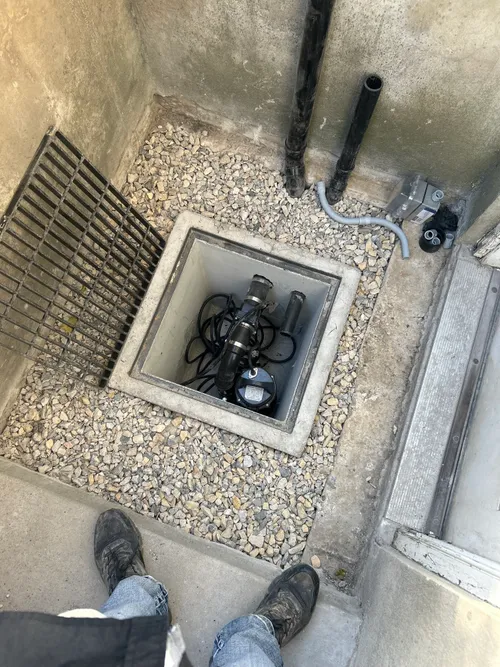
Understanding Septic System Basics
A septic system, or onsite wastewater treatment system, is a self-contained, underground system that treats and disposes of household sewage. It typically consists of a septic tank, which separates solids from liquids, and a drain field (or leach field), where the treated liquid effluent is dispersed into the soil for final purification. Proper installation is critical for long-term functionality, preventing system failures that can lead to costly repairs, environmental contamination, and health hazards.
The Millcreek and Salt Lake County Regulatory Landscape
All septic system installations and replacements in Millcreek must comply with Utah Administrative Code, specifically Rules R317-4 and R317-5 for design and construction. The local permitting authority is the Salt Lake County Health Department's Wastewater Section. You cannot begin any construction without first obtaining the proper permits from this department. Failure to follow code can result in fines, orders to cease work, or a system that fails inspection and cannot be used.
The Permit Application Process
The journey to a new septic system begins with a permit application. This is not a simple formality; it requires detailed documentation to prove your site and proposed system meet all health standards 1.
Required documentation typically includes:
- Soil Test Results: A report from a certified professional detailing the soil composition and percolation rate.
- System Design Plans: Engineered drawings showing the layout, dimensions, and specifications of the entire septic system.
- House/Building Plans: Floor plans indicating plumbing fixture locations and counts.
- Water Availability Letter: Proof of a legal water source for the property.
Permit review times can vary significantly, from a minimum of 10 business days to several months for more complex applications, so planning ahead is essential 2. Permit fees themselves generally range from $150 to $500.
The Critical Role of Soil Testing and Site Evaluation
Before any system can be designed, a certified onsite wastewater professional or engineer must conduct a thorough site evaluation 3. This is arguably the most important step, as the soil's ability to absorb and treat effluent dictates the entire system's design and viability.
The evaluation includes percolation (perc) tests to measure how quickly water drains through the soil and an assessment of site conditions like slope, depth to bedrock, and seasonal high water table. This data ensures the system is sized and designed correctly for your specific property. A poor or incomplete site evaluation is a leading cause of premature system failure.
Designing Your Septic System
With soil test results in hand, a system can be designed. For many standard residential properties in Millcreek, a conventional gravity-fed system may be suitable. However, challenging sites with poor soil, high groundwater, or limited space may require an engineered or alternative system, such as a mound system, aerobic treatment unit (ATU), or drip irrigation field 4 5. These advanced systems provide enhanced treatment but come with higher installation and maintenance costs. Your design professional will create plans that adhere to the strict design requirements outlined in state code.
Navigating Inspections During Installation
The installation process is closely monitored through mandatory inspections conducted by the Salt Lake County Health Department. These are not mere check-ins; they are legal requirements to ensure the work matches the approved plans 6.
- Initial/Pre-construction Inspection: An inspector may review the staked-out site before digging begins.
- Intermediate Inspections: Key components, like the excavated tank and drain field area, are inspected before they are covered.
- Final Inspection: This is the most critical. The completed system is inspected before any backfill is placed over the drain field. The inspector verifies everything is built to code and the approved design. The system cannot be used until it passes final inspection and receives approval 7 8.
Contractors must typically schedule these inspections online or by phone by a cutoff time (often 4:00 PM) the business day before they are needed 9.
Find the perfect septic tank installation & replacement contractors for your needs
Get personalized recommendations and expert advice
Understanding the Costs Involved
The total cost for a new septic system installation or full replacement in Millcreek is highly variable. For a standard conventional system on a favorable site, homeowners can generally expect costs to range from $5,000 to over $15,000 10 11. This wide range accounts for system size, tank material (concrete, plastic), and local labor rates.
Several factors can push costs toward the higher end or beyond:
- Engineered Systems: Required for difficult sites, these can be significantly more expensive.
- Site Challenges: Steep slopes, rocky soil, or the need for extensive excavation add to labor and equipment costs.
- System Replacement: Demolition and disposal of an old failing system add to the project expense.
- Permits and Design Fees: Remember to factor in the cost of soil testing, engineering design, and permit fees 12.
Choosing a Certified Installation Professional
While Utah law allows homeowners to install their own septic system, it is strongly discouraged due to the technical and regulatory complexity 13. Hiring a licensed and certified septic system installer or contractor is invaluable. They will:
- Understand local and state code intricacies.
- Have established relationships with the health department inspectors.
- Ensure proper soil testing and system design.
- Guarantee the installation meets all standards, protecting your investment.
Always verify a contractor's certification with the Utah Department of Environmental Quality and check references for similar projects in the area.
Maintenance Starts with Proper Installation
A correctly installed system is the foundation for easy long-term care. Once operational, routine maintenance-primarily regular tank pumping every 3-5 years-is essential to prevent solids from clogging the drain field. Protect your drain field by avoiding parking vehicles on it, planting only grass over it, and diverting roof and surface water away from the area. A well-installed and maintained septic system can serve a home for decades.
Frequently asked questions
Sources
Footnotes
-
Septic & Onsite Wastewater Systems - Waste | Salt Lake County - https://www.saltlakecounty.gov/health/waste/septic/ ↩
-
Utah Admin. Code R317-4-6 - Design Requirements - https://www.law.cornell.edu/regulations/utah/Utah-Admin-Code-R317-4-6 ↩
-
Wastewater Certification Permit Guide - https://deq.utah.gov/permits/permit-guide/wastewater-certification-permit-guide ↩
-
Onsite Wastewater Program - https://deq.utah.gov/water-quality/onsite-wastewater-program ↩
-
Septic Systems - Southwest Utah Public Health Department - https://swuhealth.gov/septic-systems/ ↩
-
Septic Inspections Made Easy: What Every Contractor Needs to Know Before Breaking Ground (2025) - https://flengineeringllc.com/septic-inspections-guide-contractors-2025/ ↩
-
Onsite Wastewater Systems - Davis County - https://www.daviscountyutah.gov/health/environmental-health-division/permits/onsite-wastewater-systems-new ↩
-
Septic System Permit Application Instructions - https://brhd.org/wp-content/uploads/2019/05/Septic-permit-instructions-for-the-web.pdf ↩
-
Building Department | Millcreek, UT - https://www.millcreekut.gov/165/Building-Department ↩
-
Understanding Septic Tank Permits and Regulations - https://westcoastsanitationinc.com/understanding-septic-tank-permits-and-regulations/ ↩
-
How Much Does a Septic System Cost? - https://www.fastexpert.com/blog/septic-system-cost/ ↩
-
Soil Surveys and Septic Designs (Perc Testing) - https://www.millcreekenvironmental.com/soil-survey-septic-design/ ↩
-
Can You Dig a Septic System Yourself in Utah? - https://www.mwranches.com/blog/can-you-dig-a-septic-system-yourself-in-utah ↩