Find the Best Septic Tank Installation & Replacement Contractors for Your Business
No obligation • Fast responses • Nationwide coverage

Why you can trust Septic Spot
Septic Spot is a leading United States resource for understanding and comparing septic services. Our editors review providers using consistent criteria and verify key business details. Listings and scores are independent, and companies cannot pay to influence our content.
Search providers near you
Top Septic Tank Installation & Replacement Contractors in Murray, Utah Ranked
Installing or replacing a septic system is a significant investment in your property's long-term functionality and environmental health. For homeowners in Murray, this process is regulated by local and state authorities to ensure public safety and protect groundwater. This guide explains the key steps, regulations, and considerations for septic system installation and replacement in Murray, helping you understand what to expect and how to find qualified local professionals for your project.
Understanding Septic System Basics
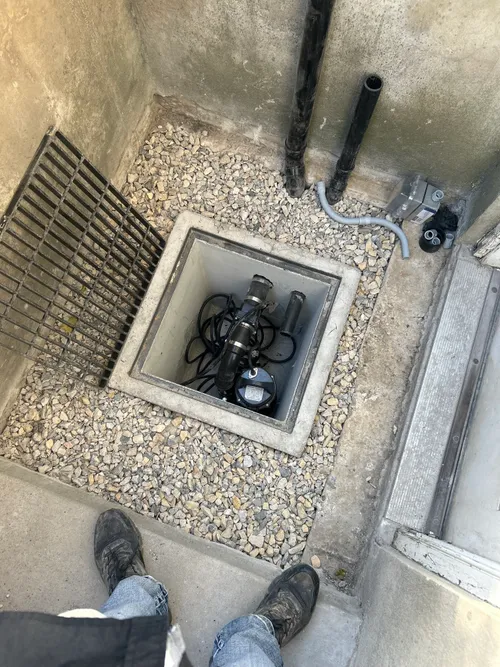
A septic system, or onsite wastewater treatment system, is a self-contained method for treating household sewage on your property. When you flush a toilet, run a dishwasher, or take a shower, the wastewater flows into an underground septic tank. Here, solids settle and begin to decompose, while the liquid effluent moves out to a drain field, where it is filtered through the soil. Proper installation is critical, as a failing system can lead to costly repairs, property damage, and health hazards.
The Murray and Salt Lake County Regulatory Landscape
All septic system installations and replacements in Murray fall under the jurisdiction of the Salt Lake County Health Department for systems designed to handle less than 5,000 gallons per day. You cannot legally begin construction without obtaining the proper permits. The regulatory framework is designed to ensure systems are appropriately sized, correctly located, and installed to code, protecting both your investment and the community's water quality.
The first official step is submitting a Septic System Application to the health department 1. This application must be accompanied by a detailed site plan of your property showing boundaries, structures, wells, and other water sources. Crucially, the application cannot be approved without certified soil evaluation results 2.
The Critical First Step: Soil Evaluation and Percolation Testing
Before any design work can begin, a state-certified professional must conduct a thorough evaluation of your property's soil. This is arguably the most important factor in determining the feasibility, type, and size of your septic system.
- Deep Soil Exploration: A professional will typically excavate or bore test pits to a depth of at least 10 feet to examine the soil profile, texture, and structure 3.
- Percolation ("Perc") Test: This test measures how quickly water drains through the soil in a prepared hole. The rate of absorption determines the size of the drain field required.
- Certification and Validity: These tests must be performed by a state-certified soil evaluator 4. The results are not valid indefinitely; they typically expire after 2 to 5 years, so timing your project after testing is important 5.
System Design and Permit Approval
Once the soil evaluation is complete, a certified designer uses the data to create a system design that complies with the Utah Administrative Code R317-4 6. This design specifies the tank size, drain field layout, and any special technology needed (like pumps or advanced treatment units) based on your household size and soil conditions.
You or your contractor will submit the final design along with the completed application to the Salt Lake County Health Department for review and permit issuance. Be prepared for permit fees, which generally range from $150 to $500.
Find the perfect septic tank installation & replacement contractors for your needs
Get personalized recommendations and expert advice
The Installation Process and Inspection
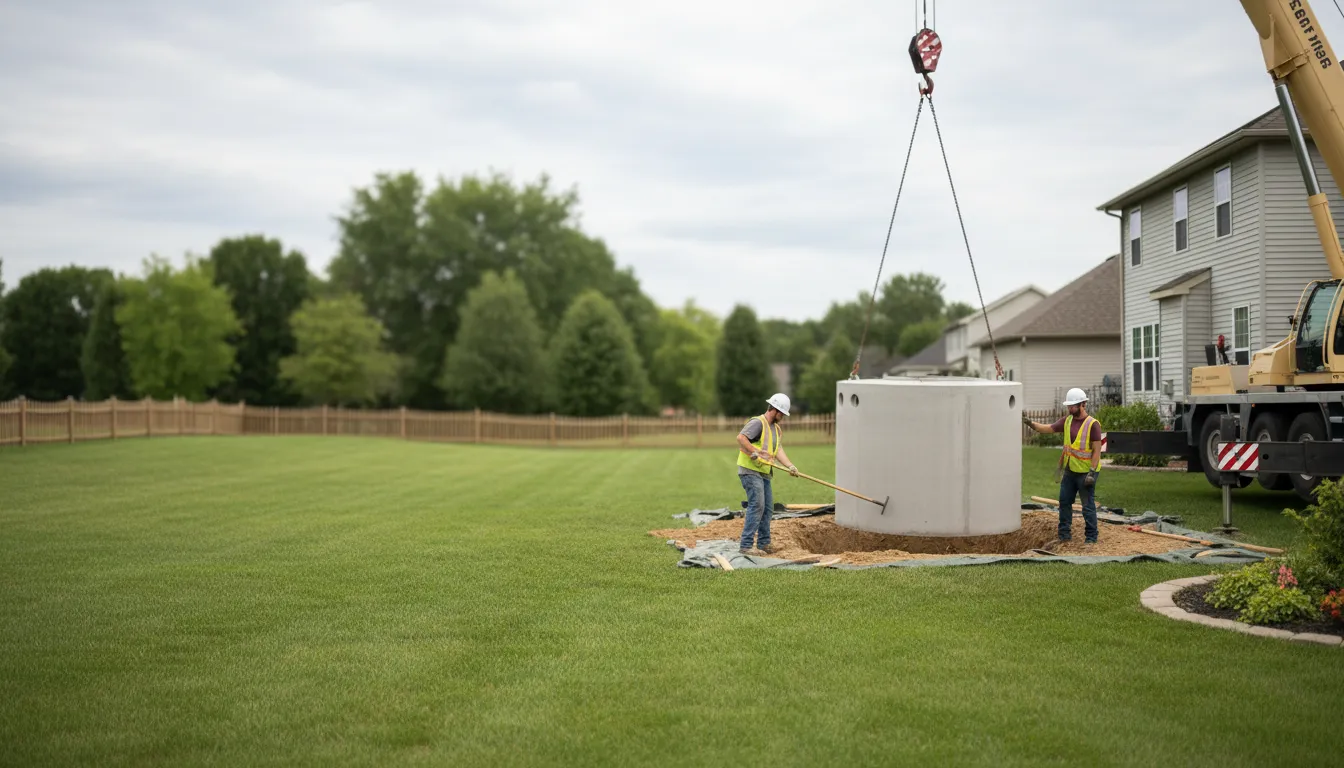
With permit in hand, installation can begin. It's highly recommended to hire a licensed and experienced septic contractor. The process involves excavation, placing the septic tank, constructing the distribution box and drain field lines, and connecting all plumbing from the house.
A critical milestone is the pre-cover inspection. Before the tank and drain field trenches are backfilled with soil, the local health department inspector must visit the site to verify the installation matches the approved design and meets all code requirements 7 8. Do not backfill before this inspection. Passing this inspection is necessary for final approval of your system.
Cost Considerations for Installation and Replacement
The total cost for a new septic system in Murray can vary widely based on system type, soil conditions, property layout, and tank size. For a standard conventional residential system, homeowners can expect total costs, including permits, design, and installation, to typically range from $5,000 to over $15,000 9. More complex systems for challenging sites (like those requiring pumps, mounds, or advanced treatment) will be at the higher end of this range or exceed it. Replacing an existing system often involves additional costs for excavating and disposing of the old components.
When is Replacement Necessary?
Knowing when to repair versus replace your septic system can save you money and prevent emergencies. Consider replacement if you experience:
- Frequent backups or surfacing sewage in the yard.
- Persistent foul odors around the tank or drain field.
- Soggy, spongy ground or lush green grass over the drain field even in dry weather.
- An old system (many systems last 20-40 years) that is requiring constant pumping or repair.
- You are planning a major home addition that increases the number of bedrooms and therefore the required system capacity.
Choosing a Professional in Murray
Given the technical and regulatory complexity, selecting the right contractor is essential. Look for a licensed professional with extensive experience in Salt Lake County. They should handle the entire process-from pulling permits and coordinating soil tests to managing inspections. Always verify their state certification and ask for references from recent projects in the area. A reputable installer will provide a detailed written estimate and timeline for the project 10.
Long-Term Care After Installation
A new system is a long-term asset that requires proper care. After installation, you must maintain it through regular pumping (typically every 3-5 years), water conservation, and avoiding flushing harmful chemicals or non-biodegradable materials. Protect your drain field by never driving or parking heavy vehicles over it and planting only grass or shallow-rooted plants above it.
Frequently asked questions
Sources
Footnotes
-
Septic & Onsite Wastewater Systems - Waste - Salt Lake County - https://www.saltlakecounty.gov/health/waste/septic/ ↩
-
Septic Systems - Southwest Utah Public Health Department - https://swuhealth.gov/septic-systems/ ↩
-
SEPTIC SYSTEM APPLICATION CHECKLIST - https://swuhealth.org/wp-content/uploads/2022/02/SEPTIC-SYSTEM-APPLICATION-CHECKLIST-v012022.pdf ↩
-
Wastewater Certification Permit Guide - https://deq.utah.gov/permits/permit-guide/wastewater-certification-permit-guide ↩
-
How Long Is A Perc Test Good For? (Guide) - https://soils-inc.com/how-long-is-a-perc-test-good-for/ ↩
-
Can You Dig a Septic System Yourself in Utah? - https://www.mwranches.com/blog/can-you-dig-a-septic-system-yourself-in-utah ↩
-
Onsite Wastewater Treatment Systems Regulation - Utah.gov - https://site.utah.gov/webermorgan/wp-content/uploads/sites/60/2023/05/Onsite-Wastewater-Treatment-Systems-Regulation.pdf ↩
-
How to Know if You Need a Septic System Permit - Pippin Home Designs - https://www.pippinhomedesigns.com/septic-system-permit/ ↩
-
Understanding Septic Tank Permits and Regulations - https://westcoastsanitationinc.com/understanding-septic-tank-permits-and-regulations/ ↩
-
Septic System Install Timeline - https://www.rciseptic.com/complete-step-by-step-timeline-septic-system-installation-from-permit-to-finish ↩