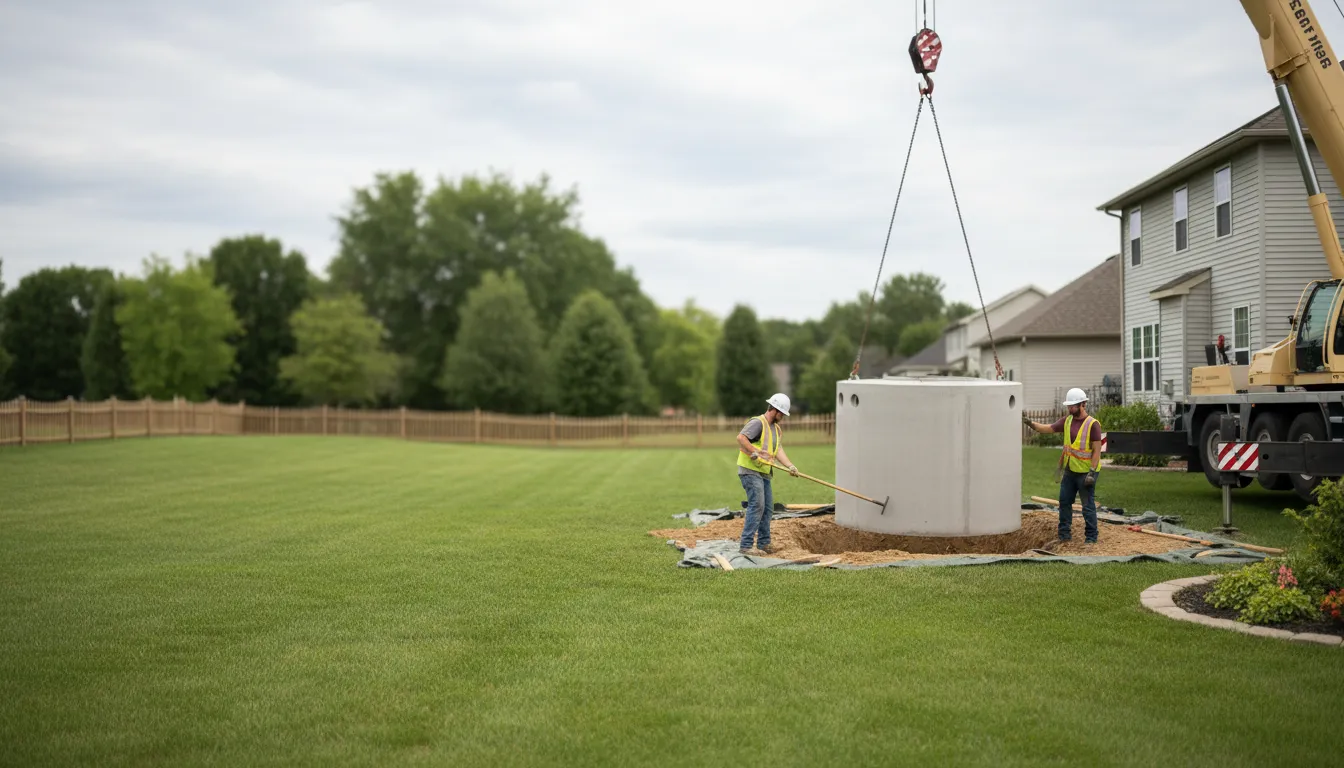
Find the Best Septic Tank Installation & Replacement Contractors for Your Business
No obligation • Fast responses • Nationwide coverage

Why you can trust Septic Spot
Septic Spot is a leading United States resource for understanding and comparing septic services. Our editors review providers using consistent criteria and verify key business details. Listings and scores are independent, and companies cannot pay to influence our content.
Search providers near you
Top Septic Tank Installation & Replacement Contractors in Riverton, Utah Ranked
Installing or replacing a septic system is a significant investment in your property's long-term functionality and environmental health. In Riverton, this process is strictly regulated by local and state authorities to protect groundwater and public safety. This guide explains the essential steps, regulations, and considerations for septic system installation and replacement in Riverton, helping you navigate the process with confidence and connect with qualified local professionals.
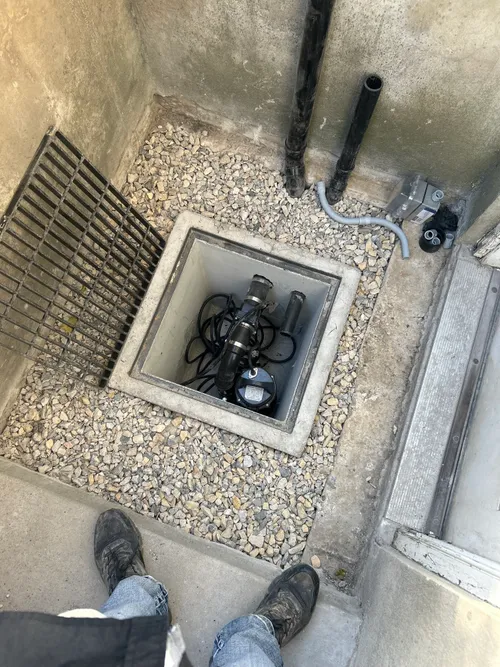
Understanding Septic System Basics
A septic system is an on-site wastewater treatment system for properties not connected to a municipal sewer line. It typically consists of a septic tank, where solids settle and begin to decompose, and a drain field (or leach field), where the treated liquid effluent is dispersed into the soil for final purification. In Riverton, the type of system you can install-whether a conventional gravity system or a more complex engineered alternative-depends entirely on the results of a professional site evaluation.
Riverton's Regulatory Landscape
All septic system work in Riverton falls under the jurisdiction of the Salt Lake County Health Department's Environmental Health division and must comply with Utah state law, specifically Rule R317-4. The city itself has a crucial ordinance: if a municipal sewer line is available at your property line, you are legally required to connect to it and cannot install a new septic system 1. Your first step should always be to verify sewer availability with the City of Riverton.
For properties where sewer is not available, a construction permit is mandatory for any new installation or replacement of an existing system. The replacement of a failing system requires the same rigorous permit process as a new installation and often involves upgrading the entire system to meet current code standards 2.
The Step-by-Step Installation Process
1. Professional Site Evaluation and Soil Testing
You cannot proceed without a certified septic system designer. This professional will conduct a thorough site evaluation, which includes digging at least one test pit to a depth of 10 feet (or until bedrock or groundwater is encountered) to assess soil composition and structure 3 4. A key requirement is verifying at least four feet of suitable soil depth beneath the proposed drain field location 4. The designer will also perform percolation tests to determine the soil's ability to absorb water, which directly dictates the size and type of system needed.
2. System Design and Permit Application
Using the soil data, your certified designer will create a detailed system design plan. You or your contractor will then submit this plan, along with a completed Septic System Permit Application Checklist, to the Salt Lake County Health Department for review and approval 5. This pre-construction approval is a non-negotiable step before any digging begins.
3. Installation and Critical Inspection
Once the permit is issued, licensed excavation and installation contractors can begin work. It is vital to understand that the installed system must be inspected by the Health Department before the tank and drain field are backfilled with soil 6. This final inspection ensures the installation matches the approved design. Failing to schedule this inspection can result in fines, orders to excavate the system for inspection, or a denial of the final approval.
Find the perfect septic tank installation & replacement contractors for your needs
Get personalized recommendations and expert advice
Cost Factors for Septic Systems in Riverton
The total cost for a septic system in Riverton is highly variable, but homeowners should be prepared for a significant investment. A standard gravity-fed system typically starts between $10,000 and $20,000 or more for the complete installation 7 8. Several factors influence the final price:
- Site & Soil Conditions: Difficult terrain, rocky soil, or a high water table can dramatically increase excavation costs. Poor percolation results may require a larger drain field or a more expensive alternative system.
- System Type: Conventional systems are generally the most affordable. Alternative or engineered systems (like mound systems, aerobic treatment units, or sand filters), which are needed for challenging sites, can cost significantly more.
- Professional Fees: Budget approximately $500 to $1,500 for the essential soil testing and system design work by a certified designer 9.
- Permit Fees: These are paid to Salt Lake County and vary based on the project.
- Tank Material and Size: Concrete tanks are common and durable; plastic tanks may be an option. Larger tanks for bigger homes cost more.
When Replacement is Necessary
How do you know if you need a septic system replacement? Common signs include:
- Sewage backups in household drains.
- Slow-draining fixtures throughout the home.
- Foul odors around the tank or drain field.
- Lush, soggy grass or standing water over the drain field area.
- Failing a mandatory inspection during a property transfer.
Replacing a system follows the same permit and inspection process as a new installation. It often involves a complete "rip and replace" of both the tank and the drain field. This is also an opportunity to upgrade the system to handle increased household capacity or to incorporate newer, more efficient technology.
Choosing a Qualified Professional
Given the technical and regulatory complexity, selecting the right team is critical. You will need:
- A State-Certified Septic System Designer to perform the evaluation and create the design.
- A Licensed Excavation/Installation Contractor with extensive experience installing septic systems in Salt Lake County.
- Ensure all professionals are fully insured and can provide references from recent local projects.
Always obtain multiple detailed quotes that break down costs for design, permits, excavation, tank, materials, and labor. The lowest bid is not always the best if it cuts corners on materials or fails to account for potential site challenges.
Long-Term Responsibility and Maintenance
After installation, the long-term health of your system depends on you. Regular pumping of the tank (typically every 3-5 years), water conservation, and careful disposal of waste (no fats, oils, grease, or non-biodegradables) are essential. Protect your drain field by never driving or parking heavy vehicles over it and planting only grass over the area. Proper maintenance protects your investment, prevents costly failures, and safeguards the local environment.
Frequently asked questions
Sources
Footnotes
-
Chapter 13.15: SEWERS - City of Riverton, UT - eCode360 - https://ecode360.com/47625565 ↩
-
Septic & Onsite Wastewater Systems - Waste - https://www.saltlakecounty.gov/health/waste/septic/ ↩
-
Septic & Onsite Wastewater Systems - Waste - Salt Lake County - https://www.saltlakecounty.gov/health/waste/septic/ ↩
-
SEPTIC SYSTEM APPLICATION CHECKLIST - https://swuhealth.org/wp-content/uploads/2022/02/SEPTIC-SYSTEM-APPLICATION-CHECKLIST-v012022.pdf ↩ ↩2
-
SEPTIC SYSTEM APPLICATION CHECKLIST v03-2023 - https://swuhealth.org/wp-content/uploads/2023/03/SEPTIC-SYSTEM-APPLICATION-CHECKLIST_2023-03.pdf ↩
-
Septic System Permit Application Instructions - https://brhd.org/wp-content/uploads/2019/05/Septic-permit-instructions-for-the-web.pdf ↩
-
Can You Dig a Septic System Yourself in Utah? - https://www.mwranches.com/blog/can-you-dig-a-septic-system-yourself-in-utah ↩
-
Septic System Cost Guide: Prices, Factors & Savings - https://landperc.com/septic-system-cost-estimate/ ↩
-
Breaking Down the Bill: What Really Determines Your Septic Installation Costs - https://www.lanikseptic.com/septic-installation-costs/ ↩