Find the Best Septic Tank Installation & Replacement Contractors for Your Business
No obligation • Fast responses • Nationwide coverage

Why you can trust Septic Spot
Septic Spot is a leading United States resource for understanding and comparing septic services. Our editors review providers using consistent criteria and verify key business details. Listings and scores are independent, and companies cannot pay to influence our content.
Search providers near you
Top Septic Tank Installation & Replacement Contractors in Taylorsville, Utah Ranked
Installing or replacing a septic system is a significant investment in your property's long-term functionality and environmental health. In Taylorsville, this process is governed by specific state and county regulations to ensure safety and proper wastewater treatment. This guide explains the key steps, requirements, and considerations for septic system installation and replacement, helping you understand what to expect and how to connect with qualified local professionals for your project.
Understanding Septic System Basics in Utah
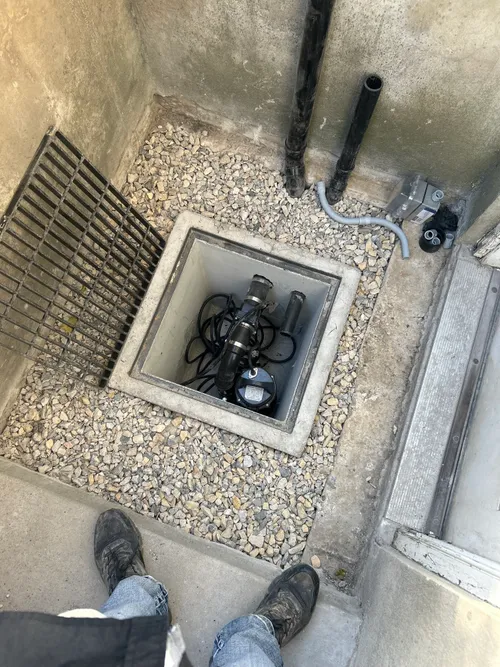
A septic system, or onsite wastewater treatment system, is a self-contained method for treating household sewage when a connection to a municipal sewer line is not available or practical. In Taylorsville, properties outside of public sewer service areas rely on these systems. The core components typically include a septic tank, where solids settle and begin to decompose, and a drain field (or leach field), where treated liquid effluent is dispersed into the soil for final purification. Proper installation is critical, as a failing system can lead to costly repairs, property damage, and public health hazards.
The Regulatory Landscape: Salt Lake County Health Department
All septic system installations and replacements in Taylorsville require oversight from the Salt Lake County Health Department. The process is designed to ensure systems are built to code, protecting groundwater and public health. You cannot legally begin excavation or installation without first obtaining the proper permits. The department enforces Utah Administrative Rule R317-4, which sets the standards for the design, construction, and operation of onsite wastewater systems. Navigating these regulations is a primary reason to work with certified septic system professionals familiar with local protocols.
Step 1: The Permit Application Process
Your journey begins with submitting an Onsite Wastewater Construction Permit application to the health department. This is not a simple formality; it requires several pieces of documentation for approval.
- System Design Plans: These detailed engineering plans, usually prepared by a licensed designer or installer, specify the tank size, drain field layout, and all components.
- Plot Plan: A scaled drawing of your property showing the location of the proposed system, your home, property lines, wells, water bodies, and any easements 1.
- Water Availability Letter: Proof from your water provider that sufficient water is available for the household 2.
- Site Evaluation Report: This critical document is based on the required soil testing (detailed next).
Approval times can vary, but you should anticipate a potential one-week processing period once a complete application is submitted.
Step 2: Mandatory Site Evaluation and Soil Testing
Before any design can be finalized, a certified professional must conduct a thorough site evaluation. The most crucial part of this is the soil percolation test, often called a "perc test".
- Purpose: This test measures the soil's absorption rate-how quickly water drains through it. This determines the size and type of drain field needed.
- Certification Required: The test must be performed by a professional certified by the state of Utah. DIY tests are not acceptable for permit applications 3.
- Validity: A perc test result is typically valid for 2 to 5 years, but it's essential to confirm the current acceptance period with the Salt Lake County Health Department, as policies can change 4.
Key Components and Installation Requirements
Choosing a Septic Tank
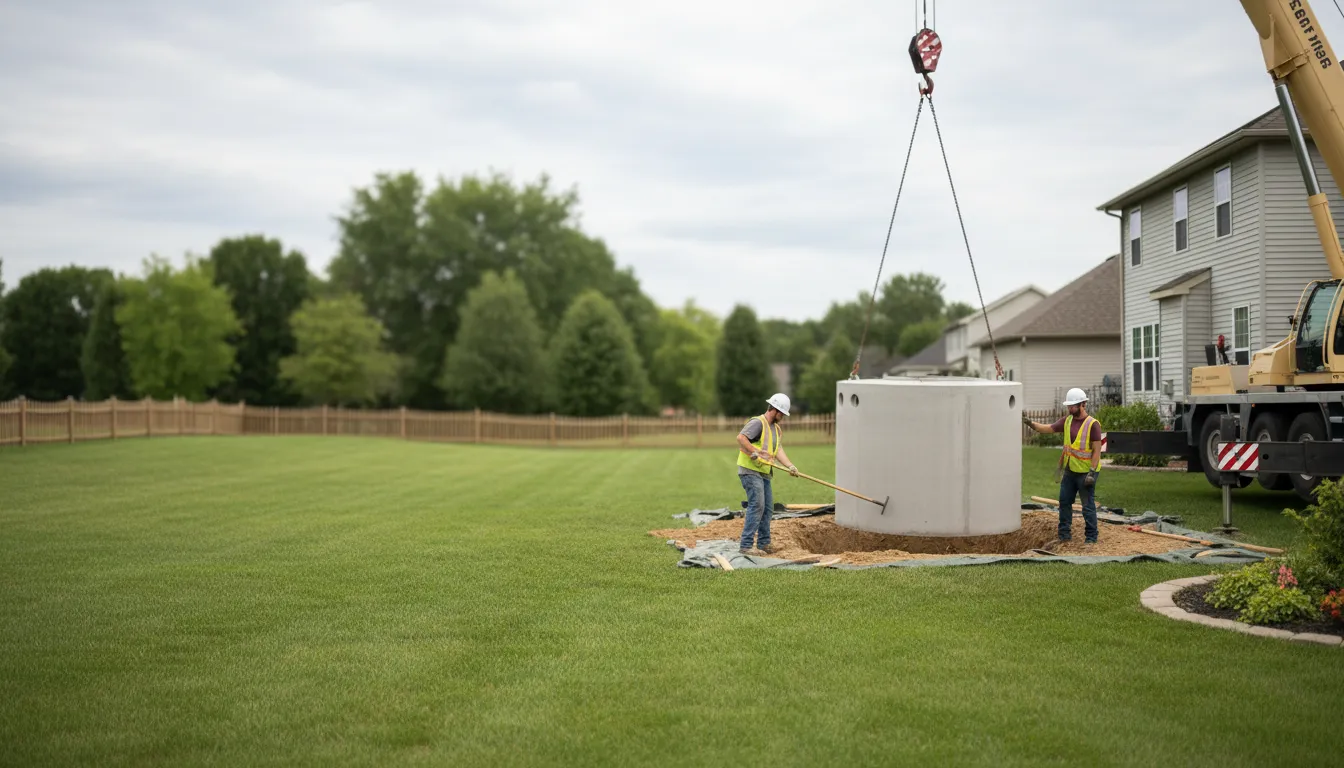
The tank is the primary holding and treatment vessel. For a standard residential installation in Taylorsville, a 1,000-gallon concrete tank is common. The material cost for a tank of this size typically ranges from $500 to $900 5 6. If your household size or water usage requires a larger capacity, expect to add approximately $50 to $150 per additional 100 gallons 6. Other materials like plastic or fiberglass may be options, but concrete is widely used for its durability and weight.
The Installation and Inspection Phases
Once permits are secured and materials are ready, installation can begin. This process is closely monitored.
- Pre-Installation ("Open Pit") Inspection: Before the tank is set and the drain field trenches are backfilled, a health department inspector will visit the site to verify the excavation matches the approved plans, the soil conditions are as expected, and the components are correct 7.
- Final Inspection: After the tank is placed, piping is connected, and the drain field is constructed but before it is covered with soil, a final inspection is mandatory. The inspector checks that everything is built to the exact specifications of the approved design 8.
- Cover-Up: Only after passing the final inspection can the system be backfilled and the landscaping be restored.
Find the perfect septic tank installation & replacement contractors for your needs
Get personalized recommendations and expert advice
Cost Considerations for Installation and Replacement
While tank material costs are a factor, the total price for a new septic system installation or full system replacement in Taylorsville is influenced by many variables and often runs into the several thousand dollar range. Key cost drivers include:
- Site Conditions: Rocky soil, high groundwater, or limited space can significantly increase excavation and engineering costs.
- System Type: A standard conventional system is usually the most affordable. Alternative systems like mound systems or aerobic treatment units (ATUs) are required for challenging sites and are more expensive.
- Labor and Equipment: Excavation, hauling, and installation labor constitute a major portion of the cost.
- Permit and Design Fees: Fees for the health department permit, soil testing, and system design by an engineer or designer add to the upfront cost.
Septic System vs. Public Sewer Connection
An important first question for any property in Taylorsville is whether a septic system is even allowed. If your property is within a specified distance of an existing public sewer line, the Salt Lake County Health Department may require you to connect to the city sewer system instead. As part of the permit process, you may need to obtain a "service letter" from the local sewer authority to confirm the availability or non-availability of public sewer service 9.
Ongoing Responsibilities: The Operating Permit
Your relationship with the health department doesn't end after installation. In Utah, owners of septic systems are typically required to obtain an operating permit for the ongoing maintenance and monitoring of the system 10 11. This underscores that a septic system is a long-term asset that requires regular care, including periodic pumping of the tank (generally every 3-5 years) and mindful water usage, to function properly for decades.
Frequently asked questions
Sources
Footnotes
-
SEPTIC SYSTEM APPLICATION CHECKLIST - https://swuhealth.org/wp-content/uploads/2022/02/SEPTIC-SYSTEM-APPLICATION-CHECKLIST-v012022.pdf ↩
-
Septic System Permit Application Instructions - https://brhd.org/wp-content/uploads/2019/05/Septic-permit-instructions-for-the-web.pdf ↩
-
Wastewater Certification Permit Guide - https://deq.utah.gov/permits/permit-guide/wastewater-certification-permit-guide ↩
-
How Long Is A Perc Test Good For? (Guide) - https://soils-inc.com/how-long-is-a-perc-test-good-for/ ↩
-
Residential Septic Tank Pricing | Homeowner's Guide to Costs - https://www.ntotank.com/blog/residential-septic-tank-pricing ↩
-
Septic System Cost Estimate: A Complete Breakdown - Land Perc - https://landperc.com/septic-system-cost-estimate/ ↩ ↩2
-
How to Know if You Need a Septic System Permit - Pippin Home Designs - https://www.pippinhomedesigns.com/septic-system-permit/ ↩
-
Can You Dig a Septic System Yourself in Utah? - https://www.mwranches.com/blog/can-you-dig-a-septic-system-yourself-in-utah ↩
-
Septic & Onsite Wastewater Systems - Waste | Salt Lake County - https://www.saltlakecounty.gov/health/waste/septic/ ↩
-
Onsite Wastewater Treatment Systems Regulation - Utah.gov - https://site.utah.gov/webermorgan/wp-content/uploads/sites/60/2023/05/Onsite-Wastewater-Treatment-Systems-Regulation.pdf ↩
-
APPLICATION FOR WASTEWATER PERMIT | Tooele County Health ... - http://tooelehealth.org/wp-content/uploads/2016/01/Updated-Application-for-Septic-Wastewater-Permit.pdf ↩