
Find the Best Septic Tank Installation & Replacement Contractors for Your Business
No obligation • Fast responses • Nationwide coverage

Why you can trust Septic Spot
Septic Spot is a leading United States resource for understanding and comparing septic services. Our editors review providers using consistent criteria and verify key business details. Listings and scores are independent, and companies cannot pay to influence our content.
Search providers near you
Top Septic Tank Installation & Replacement Contractors in West Valley City, Utah Ranked
Installing or replacing a septic system is a significant investment in your property's long-term functionality and environmental health. A properly designed and permitted onsite wastewater system safely treats household effluent, protecting your family and the local groundwater. For homeowners in West Valley City, this process is governed by specific county and state regulations, making it essential to work with certified professionals. This guide outlines the key steps, costs, and regulatory requirements to help you navigate planning a new septic installation or a full system replacement.
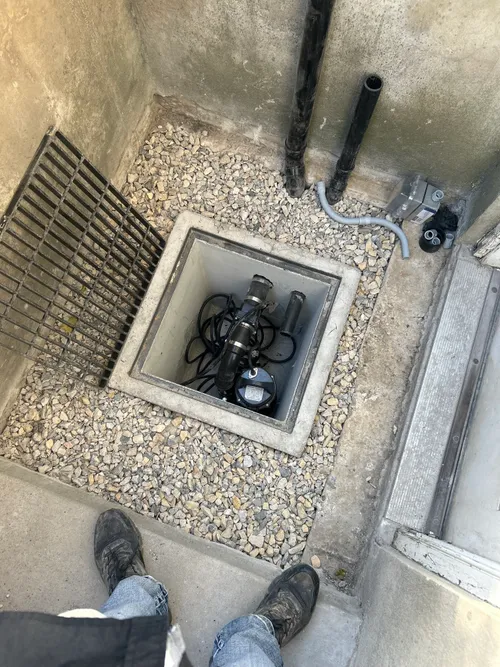
Understanding the Septic System Installation Process
A septic system installation or replacement is a multi-stage project that begins long before any digging starts. It involves careful planning, soil evaluation, design, permitting, and multiple inspections. The goal is to create a system that matches your household's wastewater output to the specific conditions of your property's soil. In West Valley City, all work must comply with Utah Administrative Code R317-4 and be overseen by the Salt Lake County Health Department's Waste Management Bureau.
Step 1: Initial Site Evaluation and Soil Testing
The first critical step is a professional site evaluation, which includes mandatory soil percolation (perc) tests. A certified professional must conduct these tests to determine how quickly water drains through your soil. The investigation typically involves exploring soil conditions down to at least 10 feet to identify soil types and check for limiting factors like bedrock or a high water table 1.
The resulting percolation rate is the most important factor in designing your drain field. Stable, validated test data dictates the size and type of absorption system needed. Poor drainage may require a larger drain field or an alternative system design, which can significantly impact the overall project cost and feasibility.
Step 2: System Design and Permit Acquisition
With soil test results in hand, a certified septic system designer creates detailed plans for your entire onsite wastewater system. This design must include a tank with a minimum capacity of 1,000 gallons, as per Utah code, along with the proposed drain field layout and specifications for all piping and components 2.
You or your contractor must then submit a permit application to the Salt Lake County Health Department. The application packet includes the design plans, soil test reports, and a letter confirming water availability for the property. The design and permitting phase alone can cost between $2,000 and $6,000, depending on the complexity of the system required 3 4.
Key Regulations and Required Inspections
Adhering to local regulations is non-negotiable. The Salt Lake County Health Department is the approval agency for all septic work, and their inspectors play a crucial role in ensuring the system is built to code.
Pre-Construction Inspection: A county inspector may review the open excavation before installation begins to verify soil conditions match the approved design documents.
Critical Final Inspection: This is the most important checkpoint. The entire system must be inspected while the excavation is open and before any component is backfilled. The inspector will check that the tank, pipes, and drain field materials are installed exactly according to the permitted plans. No backfilling can occur until this inspection is passed 5.
All installation work must be performed by certified professionals. Utah maintains certification programs for designers, installers, and pumpers to ensure competence and regulatory compliance 6.
Find the perfect septic tank installation & replacement contractors for your needs
Get personalized recommendations and expert advice
Cost Factors for Septic System Projects
The total cost of a septic system installation or replacement in West Valley City varies widely. While design and permitting are a fixed initial cost, the bulk of the expense comes from materials and labor.
- Tank Costs: The septic tank itself is a major component. A 1,000-gallon tank unit typically costs between $500 and $900. However, this is just for the tank; delivery, placement, and connection add to the expense 7.
- Drain Field Construction: This is often the most variable cost. The size and construction method of the drain field (e.g., gravel trench, chamber system) depend entirely on the soil percolation rates. Poorer drainage requires a larger field, increasing material and excavation costs significantly.
- Labor and Excavation: Extensive site work, including digging the tank hole, trenching for the drain field, and moving soil, constitutes a large portion of the labor cost.
- System Complexity: A standard gravity-fed system is the most economical. If your site requires a pumped system, sand filter, or other advanced treatment technology, the price will increase accordingly.
Given these variables, it's essential to get detailed, site-specific quotes from multiple certified installers. Always verify that the quoted price includes all necessary permits, design work, and county inspection fees.
Planning for a System Replacement
Replacing an old or failing septic system follows the same rigorous process as a new installation. If you're experiencing signs of failure-such as soggy ground over the drain field, sewage backups, or unpleasant odors-contact a certified professional for an assessment. A replacement project will require new soil testing (as conditions can change), a new design, and a new permit from the Salt Lake County Health Department.
Replacement often involves removing the old tank and may require a completely new drain field location on your property. Planning and budgeting for a replacement should begin at the first sign of trouble to avoid a public health nuisance or emergency.
Maintaining Your New Septic System
Once your new system is installed and approved, proper maintenance is key to a long service life. This includes regular pumping of the tank (typically every 3-5 years), conserving water to avoid overloading the system, and avoiding flushing harmful chemicals or non-biodegradable materials. The Southwest Utah Public Health Department offers resources and guidelines for responsible septic system ownership and maintenance 8.
Disclaimer: Regulations and procedures are subject to change. Always confirm current requirements with the Salt Lake County Health Department before commencing any septic system project 9.
Frequently asked questions
Sources
Footnotes
-
1777 N Meadowlark Drive Apple Valley, Utah 84737 Phone - https://media.rainpos.com/285/building_permit_application_2018_20180220121850.pdf ↩
-
DAR File No. 39821 - Utah Administrative Rules - https://rules.utah.gov/publicat/bulletin/2015/20151101/39821.htm ↩
-
Septic & Onsite Wastewater Systems - Waste | Salt Lake County - https://www.saltlakecounty.gov/health/waste/septic/ ↩
-
Septic Tank System Design - Utah - Anderson Engineering - https://www.andersoneng.com/septic-tank-system-and-onsite-wastewater-treatment-design-utah/ ↩
-
SEPTIC SYSTEM APPLICATION CHECKLIST - https://swuhealth.org/wp-content/uploads/2022/02/SEPTIC-SYSTEM-APPLICATION-CHECKLIST-v012022.pdf ↩
-
Wastewater Certification Permit Guide - https://deq.utah.gov/permits/permit-guide/wastewater-certification-permit-guide ↩
-
Residential Septic Tank Pricing | Homeowner's Guide to Costs - https://www.ntotank.com/blog/residential-septic-tank-pricing ↩
-
Septic Systems - Southwest Utah Public Health Department - https://swuhealth.gov/septic-systems/ ↩
-
Septic & Onsite Wastewater Systems - Waste - https://www.saltlakecounty.gov/health/waste/septic/ ↩