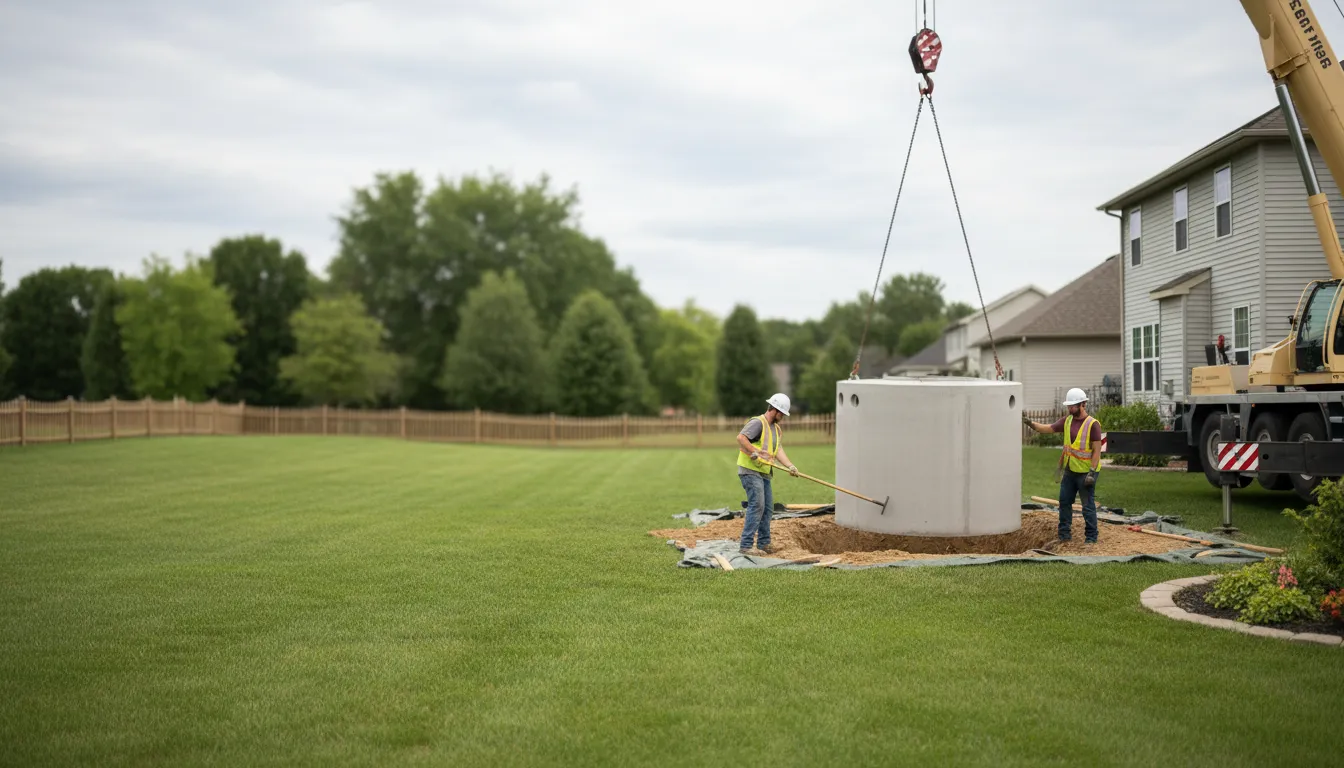
Find the Best Septic Tank Installation & Replacement Contractors for Your Business
No obligation • Fast responses • Nationwide coverage

Why you can trust Septic Spot
Septic Spot is a leading United States resource for understanding and comparing septic services. Our editors review providers using consistent criteria and verify key business details. Listings and scores are independent, and companies cannot pay to influence our content.
Search providers near you
Best Septic Tank Installation & Replacement Contractors in Wisconsin Ranked
Installing or replacing a septic system, known in Wisconsin as a Private Onsite Wastewater Treatment System (POWTS), is a significant project governed by strict state and county regulations. A properly designed and permitted system protects your property value, your family's health, and Wisconsin's groundwater. This guide outlines the essential steps, costs, and regulatory requirements for septic work in Wisconsin, helping you understand the process and connect with the licensed professionals you'll need.
Country Water Well and Septic LLC
Madison, WI
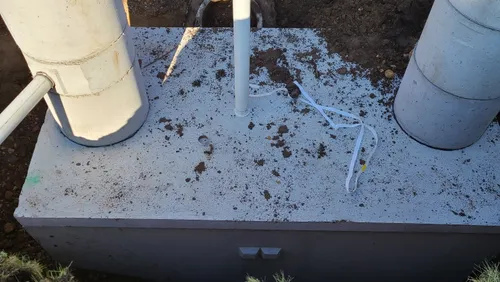
Country Water Well and Septic LLC is a family-owned company based in Madison, WI, providing septic tank installation and inspection services. They serve both residential and commercial properties across Southern and Central Wisconsin. With over three years of experience, the team handles installations, thorough inspections of septic systems and water wells, and emergency services when needed.
Eckmayer dba Fort Septic
N8458 County Rd O, Waterloo, WI 53594
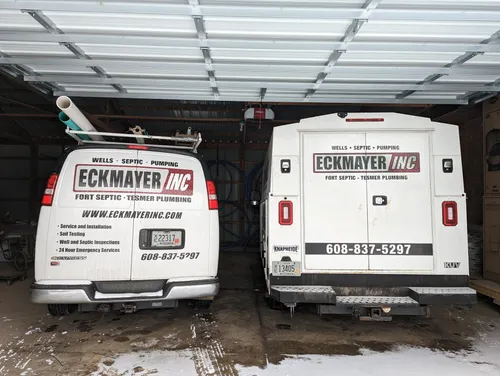
Eckmayer dba Fort Septic is a septic tank pumping, repair, and installation company serving Madison, WI, and surrounding South Central Wisconsin communities. With over 30 years of experience, they provide septic system maintenance, well installation, and pump repair services. Their capabilities include septic and holding tank pumping as well as well system design and abandonment. Eckmayer dba Fort Septic has been serving the area since 1987, offering licensed and insured services that comply with local regulations.
Understanding Wisconsin's Septic System Regulations (SPS 383)
All septic system installations and replacements in Wisconsin must comply with Chapter SPS 383 of the state administrative code. These standards, enforced by your local county zoning or environmental health department, ensure systems are designed to treat wastewater effectively based on local soil and site conditions. The term "POWTS" encompasses conventional septic systems, mound systems, holding tanks, and other approved technologies. The specific type of system allowed on your property is not a choice but a determination made from a certified soil test.
The cornerstone of the process is the state sanitary permit. A permit is required for any new installation, modification, or replacement of a private sewage system 1. It is illegal to begin construction without one. This permit is typically valid for two years and is renewable, providing a reasonable timeframe to complete the project 2.
The Step-by-Step Installation & Replacement Process
Navigating a septic project involves a sequence of critical steps with required professionals at each stage.
1. Initial Site Evaluation and Soil Test
Before any plans are drawn, a certified soil tester must evaluate your property. This professional conducts soil borings and percolation tests to determine the soil type, depth to bedrock, and seasonal groundwater elevation. The results of this test dictate the type and size of system the property can support. For example, properties with suitable soil depth and permeability may be approved for a conventional drain field, while sites with high groundwater or shallow bedrock will require a mound system or a holding tank.
2. System Design and Permit Application
A licensed plumber or master plumber must prepare the system design and submit the sanitary permit application to your county's zoning department. The application package includes the soil test report, detailed plans of the proposed system, and the required fees. The plumber acts as the permit applicant and will be the licensed professional overseeing the installation.
System Sizing: The septic tank is sized based on the number of bedrooms in the home. Wisconsin standards typically require a minimum 1,000-gallon tank for a one-to-three bedroom home, with additional capacity for larger homes 3. The drain field or mound size is calculated based on the soil's absorption capacity and the estimated daily wastewater flow.
Plan Review: Depending on the system's complexity, plans may be reviewed and approved locally or require additional approval from the Wisconsin Department of Safety and Professional Services (DSPS). Conventional systems often receive local approval, while engineered systems like mounds or in-ground pressure distribution systems must be sent to the state for review.
3. Installation of the Septic System
Once the permit is issued, the licensed plumber can proceed with installation. Key installation standards include:
- Tank Specifications: Tanks must be watertight, constructed of approved materials (concrete, fiberglass, or polyethylene), and installed on a stable base.
- Baffle Requirements: Critical internal components called baffles or sanitary tees must be installed correctly. The inlet tee must extend down one-third of the liquid depth, and the outlet tee must extend down two-thirds to prevent scum and solids from exiting the tank.
- Drain Field/Mound Construction: The absorption area must be built precisely to plan, using specific materials like clean stone and approved distribution piping.
4. Mandatory Inspections Before Covering
This is a non-negotiable step. Before the tank or drain field is backfilled with soil, the installing plumber must notify the county for an inspection. A county sanitarian or a certified third-party inspector will visit the site to verify:
- The tank is properly set and level.
- All plumbing connections are correct.
- The drain field or mound is constructed according to the approved plans.
- The required baffles and effluent filters are in place.
The system cannot be covered until it passes this inspection. Once approved, the inspector will provide a report, and you can proceed with backfilling 4 5.
5. Final Steps and Maintenance
For most systems, the process is complete after the inspection. For holding tanks, the county may require a maintenance agreement or pumping report to be filed 6. All new homeowners should receive a copy of the "Homeowner's Guide to Septic Systems" and understand their ongoing maintenance responsibilities, like regular pumping every 3-5 years, to protect their investment 7.
Find the perfect septic tank installation & replacement contractors for your needs
Get personalized recommendations and expert advice
Types of Septic Systems Used in Wisconsin
The right system for your property is determined by the site constraints revealed in the soil test.
- Conventional Septic System: The most common type where soil conditions are ideal. It consists of a septic tank and a subsurface soil absorption field (drain field).
- Mound System: An above-ground drain field built with sand and gravel used when soil depth is shallow, permeability is slow, or the water table is high. This is a common engineered system in Wisconsin.
- Holding Tank: A sealed tank that simply stores wastewater with no drain field. It requires frequent, professional pumping. This is often a last-resort option where no soil treatment is possible.
- Pressure Distribution Systems: These systems use a pump to evenly distribute effluent across the drain field, improving efficiency and are often part of mound or other alternative system designs 8.
Cost Breakdown for Installation and Replacement
Septic system costs in Wisconsin vary widely based on system type, soil conditions, and property characteristics. A full system replacement (both tank and drain field) typically ranges from $3,000 to over $10,000 9 10. More complex systems like large mounds can exceed this range.
Cost Factors:
- System Type: A conventional system is generally the least expensive. Mound systems cost more due to the added materials (sand, gravel) and construction labor. Holding tanks have a lower initial installation cost but a high, ongoing pumping expense.
- Tank Material & Size: A standard 1,000-gallon concrete tank itself may cost between $500 and $900, with fiberglass and plastic tanks in a similar range. Labor for excavation and installation adds significantly to this base price 11 12.
- Site Conditions: Difficult access, rocky soil, high groundwater requiring additional drainage, or steep slopes that need grading can all increase excavation and construction costs substantially 13.
- Permits and Design: Fees for soil testing, permit applications, and design work by the licensed plumber are additional upfront costs.
Common Reasons for System Replacement
Understanding why a system fails can help prevent future issues. Common reasons for replacement in Wisconsin include:
- Age: Most traditional systems have a lifespan of 20-40 years.
- System Failure: Persistent surfacing of wastewater, backups into the home, or nitrate contamination of wells are clear signs of failure.
- Property Expansion: Adding bedrooms or a major appliance increases wastewater flow and may require a larger system.
- Regulatory Requirements: If an existing non-compliant system is discovered during a property transfer or it fails, it must be replaced with a system that meets current SPS 383 standards 14.
Choosing a Licensed Professional in Wisconsin
This is not a DIY project. Wisconsin law requires a licensed plumber or master plumber to design the system and obtain the permit 15 16. They will often work with or subcontract a certified soil tester and an excavation company. When selecting a professional:
- Verify their Wisconsin plumbing license is current.
- Ask for references from recent septic installations in your county.
- Ensure they are familiar with your county's specific zoning and sanitary department procedures.
- Get detailed, written estimates that break down design, permit, material, and labor costs.
Always start by contacting your local County Zoning or Environmental Health Department. They can provide the specific application forms, fee schedules, and a list of certified soil testers and licensed plumbers active in your area 17.
Frequently asked questions
Sources
Footnotes
-
Wisconsin Legislature: 146,68 - https://docs.legis.wisconsin.gov/document/acts/2011/146,%20s.%2068 ↩
-
Frequently Asked Questions - CivicPlus.CMS.FAQ - Ozaukee County - https://www.ozaukeecounty.gov/faq.aspx?TID=26 ↩
-
SPS 382.34(5)(c)3.c. - Wisconsin Legislative Documents - https://docs.legis.wisconsin.gov/document/administrativecode/SPS%20382.34%285%29%28c%293.c. ↩
-
Navigating Septic System Regulations: Expert Guidance for New Jersey Property Owners - https://www.mapengineering.net/navigating-septic-system-regulations/ ↩
-
Building a New Home in Riverside County? Septic System Installation Guide - https://www.lanikseptic.com/septic-system-installation-guide/ ↩
-
Septic Systems (POWTS) | Marathon County, WI - https://www.marathoncounty.gov/services/zoning/septic-systems-powts ↩
-
Homeowner's Guide to Septic Systems - https://www.co.richland.wi.us/departments/zoning/sanitation/homeowner_guide_long.pdf ↩
-
Chapter SPS 383 Appendix - Wisconsin Legislature - https://docs.legis.wisconsin.gov/code/admin_code/sps/safety_and_buildings_and_environment/380_387/383_/_2?up=1 ↩
-
Sanitary Program | St. Croix County, WI - https://www.sccwi.gov/328/Sanitary-Program ↩
-
How Much Does It Cost to Replace a Septic System? - https://alphaenvironmental.net/blog/how-much-cost-replace-septic-system/ ↩
-
Residential Septic Tank Pricing | Homeowner's Guide to Costs - https://www.ntotank.com/blog/residential-septic-tank-pricing ↩
-
How Much Does A Septic Tank Installation Cost? - https://cotswolddrainage.co.uk/news/the-ultimate-guide-to-septic-tank-installation-cost-process-and-tips ↩
-
Septic System: Costs, Pros and Cons, FAQs Explained - https://www.maxrealestateexposure.com/septic-system-cost/ ↩
-
Chapter SPS 383 - Wisconsin Legislative Documents - https://docs.legis.wisconsin.gov/code/admin_code/sps/safety_and_buildings_and_environment/380_387/383.pdf ↩
-
Wood County Sanitary Permit Program - https://www.woodcountywi.gov/Departments/PZ/Doc/Citizens%20Guide%20to%20Sanitary%20Permits.pdf ↩
-
Septic Systems | Waukesha County - https://www.waukeshacounty.gov/parks-and-land-use/environmental-health/septic-systems/ ↩
-
Septic Systems | Price County, WI - Official Website - https://www.co.price.wi.us/258/Septic-Systems ↩