Find the Best Septic Tank Installation & Replacement Contractors for Your Business
No obligation • Fast responses • Nationwide coverage

Why you can trust Septic Spot
Septic Spot is a leading United States resource for understanding and comparing septic services. Our editors review providers using consistent criteria and verify key business details. Listings and scores are independent, and companies cannot pay to influence our content.
Search providers near you
Top Septic Tank Installation & Replacement Contractors in Madison, Wisconsin Ranked
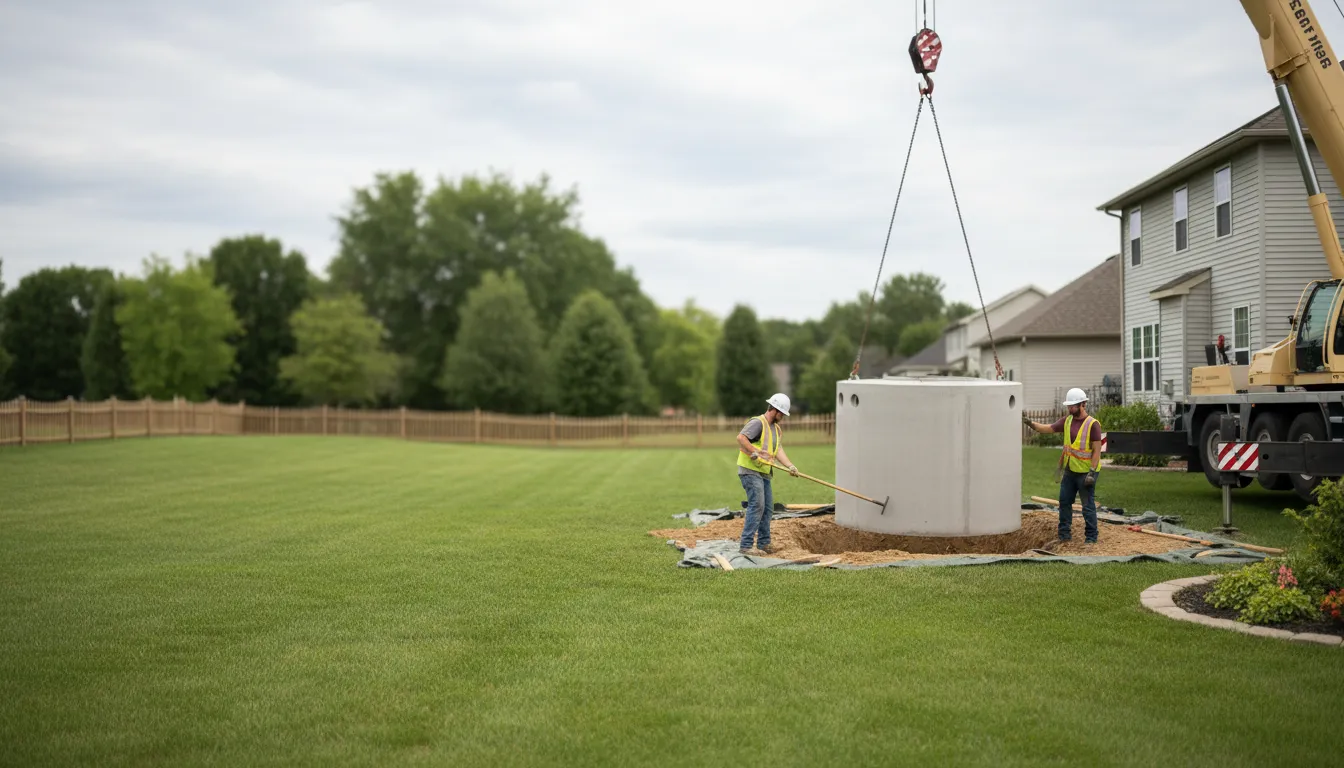
Installing or replacing a septic system is a significant investment in your property's long-term functionality and environmental health. This process involves careful planning, adherence to strict local regulations, and professional execution to ensure your wastewater is treated safely and effectively. For Madison homeowners, navigating the requirements for a new septic tank or drainfield can be complex. This guide explains the key steps, costs, and regulations to help you understand the process and connect with qualified local professionals for your project.
Country Water Well and Septic LLC
Madison, WI
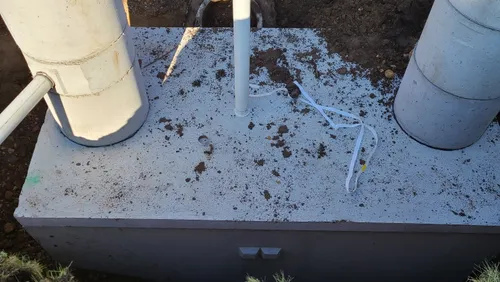
Country Water Well and Septic LLC is a family-owned company based in Madison, WI, providing septic tank installation and inspection services. They serve both residential and commercial properties across Southern and Central Wisconsin. With over three years of experience, the team handles installations, thorough inspections of septic systems and water wells, and emergency services when needed.
Eckmayer dba Fort Septic
N8458 County Rd O, Waterloo, WI 53594
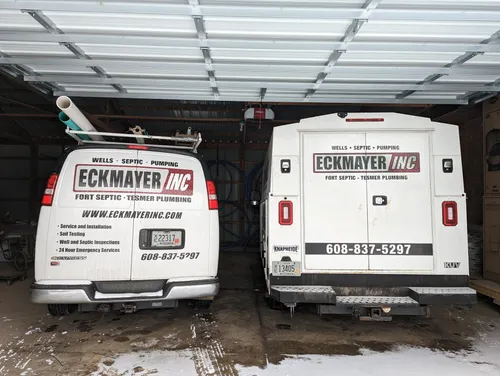
Eckmayer dba Fort Septic is a septic tank pumping, repair, and installation company serving Madison, WI, and surrounding South Central Wisconsin communities. With over 30 years of experience, they provide septic system maintenance, well installation, and pump repair services. Their capabilities include septic and holding tank pumping as well as well system design and abandonment. Eckmayer dba Fort Septic has been serving the area since 1987, offering licensed and insured services that comply with local regulations.
Understanding the Madison Septic System Permit Process
All new, replacement, or significantly modified septic systems in Dane County require a Sanitary Permit from Public Health Madison & Dane County before any work begins 1. You cannot legally install a system without this approval. The permitting process is designed to protect groundwater-a critical resource in our region-by ensuring systems are properly sited and designed for the specific conditions of your property.
The first formal step is submitting a permit application, which must be done by a licensed professional. This is typically a master plumber or a state-certified septic system designer 2. They will prepare the necessary paperwork, which includes the proposed system design and the results of a mandatory soil evaluation.
The Critical Role of Soil Testing
A soil evaluation, performed by a licensed Certified Soil Tester (CST), is the cornerstone of the entire project 3. This test, often called a perc (percolation) test, determines the soil's absorption rate and its ability to treat wastewater. It also identifies the depth to groundwater and bedrock.
The results of this test are non-negotiable; they dictate what type of septic system you can install on your land 4 5. Suitable soils with good drainage may allow for a conventional gravity-fed system. However, many areas in and around Madison have soils with high water tables or poor permeability, which will require a more advanced system, such as a mound or at-grade system.
Types of Septic Systems and Associated Costs
The system type, dictated by your soil conditions, is the primary driver of project cost. Here's a breakdown of common systems and their typical price ranges in the Madison area:
- Conventional Gravity Systems: These are the most basic and cost-effective option, but they require ideal soil conditions. Installation typically ranges from $8,000 to $15,000.
- Mound or At-Grade Systems: When soil is shallow to bedrock or has a high water table, a raised system is necessary. These involve constructing a sand-filled mound above the natural grade. Due to the extra materials and labor, costs are significantly higher, generally between $20,000 and $35,000.
- Advanced Treatment Systems (ATS): These systems provide an extra level of wastewater treatment before it reaches the drainfield. They are sometimes required in environmentally sensitive areas or on very small lots. Expect costs between $15,000 and $30,000.
Remember, these figures are for the physical system installation. You must also budget for permits, design, and testing fees. Permit fees with the county typically range from $150 to $500, while the soil analysis and professional design work can add another $1,000 to $3,000 to your total project cost 6 7.
Find the perfect septic tank installation & replacement contractors for your needs
Get personalized recommendations and expert advice
The Installation and Inspection Timeline
Once your permit is approved, the physical installation can begin. A professional excavation crew will carefully follow the approved site plan. The timeline from start to finish can vary from a few days for a simple replacement to several weeks for a complex new mound system, depending on weather, soil conditions, and system complexity 8.
Critical inspections by a Public Health Madison & Dane County inspector are required at multiple stages to ensure compliance 9 10. These typically include:
- Site Inspection: Verification of soil conditions and stake-out before digging.
- Component Inspection: The inspector will examine the septic tank and the drainfield trenches or bed before they are backfilled. This ensures proper placement, depth, and construction.
- Final Inspection: After the system is fully installed but before it is covered, a final walk-through grants approval for use 11.
Passing these inspections is mandatory. Only after the final inspection sign-off can the system be covered and put into service.
Long-Term Maintenance and Legal Responsibilities
Your responsibility doesn't end once the installation crew leaves. Wisconsin law and local ordinances require ongoing maintenance to keep your system functioning properly and to protect public health. In Dane County, septic systems must be pumped and inspected by a licensed professional at least every three years 12.
Maintenance reports from these pump-outs must be submitted to the local health department 13. This record-keeping helps track system performance and can provide early warning of potential failures. Proper care, including water conservation and avoiding flushing harmful chemicals, will extend the life of your drainfield and avoid the need for a premature and costly replacement.
Choosing a Qualified Installation Professional
Given the regulatory and technical complexity, selecting the right contractor is paramount. Look for a licensed installer with extensive experience in the Madison area. They should be familiar with Public Health Madison & Dane County inspectors and processes. A reputable professional will handle the permit application, coordinate the soil tester, and ensure every phase of the work meets code.
Always verify licenses and ask for references from recent projects similar to yours. A trustworthy installer will provide a detailed written estimate that breaks down costs for equipment, labor, permits, and design fees, with no hidden surprises.
Frequently asked questions
Sources
Footnotes
-
Wisconsin Septic System Regulations and Permits - https://madisonsepticservices.com/wisconsin-septic-system-regulations-and-permits-madison-wi/ ↩
-
Wisconsin Legislature: 146,68 - https://docs.legis.wisconsin.gov/document/acts/2011/146,%20s.%2068 ↩
-
Soil Testing - A-1 Septic Service - https://www.a-1septicsystems.com/pg/soiltesting/ ↩
-
Septic Systems | Price County, WI - Official Website - https://www.co.price.wi.us/258/Septic-Systems ↩
-
SBD-9046 Revised 02/22 - DSPS - https://dsps.wi.gov/Documents/Programs/POWTS/SBD9046.pdf ↩
-
Cost of Septic Tank Installation in Madison, WI - https://madisonsepticservices.com/cost-of-septic-tank-installation-in-madison-wi/ ↩
-
Understanding Septic Tank Permits and Regulations - https://westcoastsanitationinc.com/understanding-septic-tank-permits-and-regulations/ ↩
-
From Start to Finish: How Long Does It Take to Install a Septic System? - https://westcoastsanitationinc.com/how-long-does-it-take-to-install-a-septic-system/ ↩
-
Private Wells & Septic Systems | Public Health Madison ... - https://publichealthmdc.com/home-environment/private-wells-septic-systems ↩
-
Wisconsin Septic System Inspections | What You Need to Know - https://sunsetseptic.com/what-are-wisconsin-septic-system-inspections/ ↩
-
What to Expect During a Septic System Replacement - Townes Septic Service - https://www.townesseptic.com/blog/what-to-expect-during-a-septic-system-replacement ↩
-
SEPTIC SYSTEM GENERAL INFORMATION - https://www.woodcountywi.gov/departments/pz/Doc/Septic%20System%20Information%20for%20Homeowners.pdf ↩
-
Rules and Regulations - septic systems - https://septics.weebly.com/rules-and-regulations.html ↩