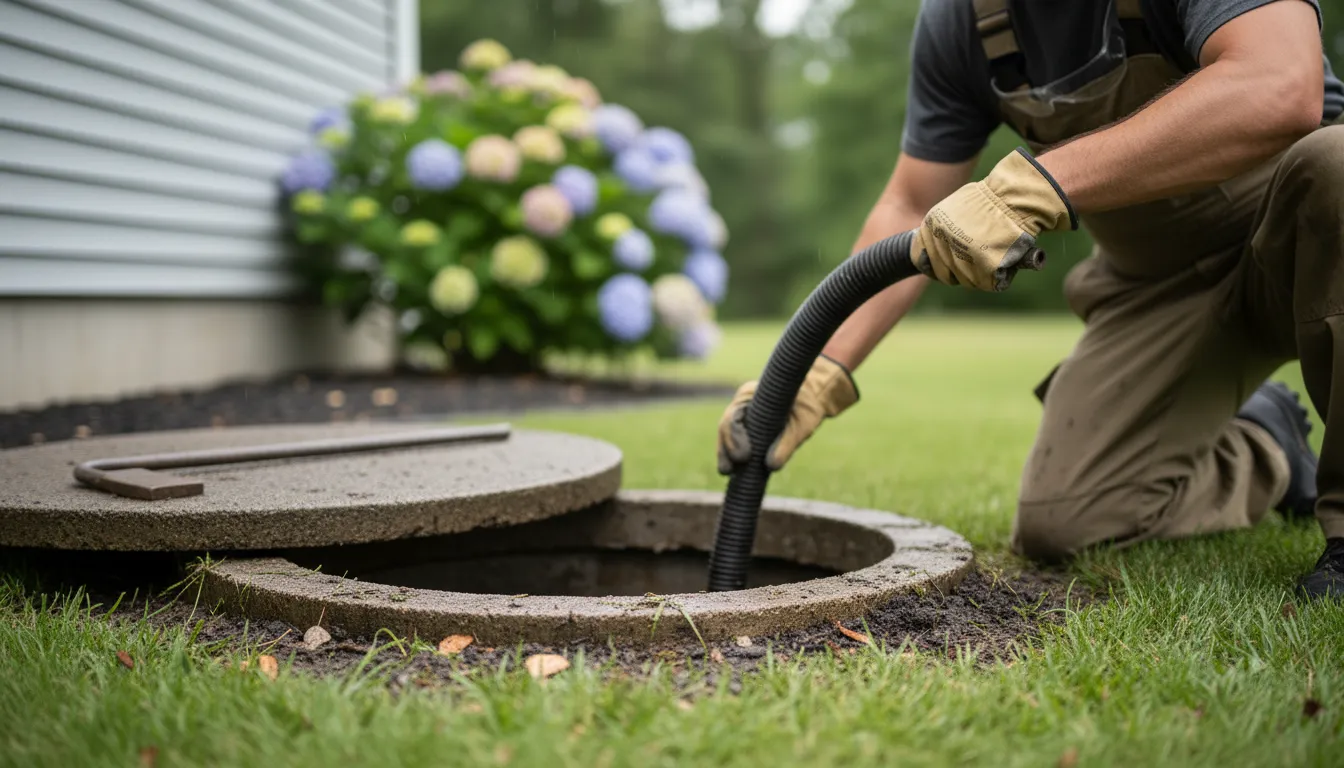
Find the Best Septic Tank Pumping Contractors for Your Business
No obligation • Fast responses • Nationwide coverage

Why you can trust Septic Spot
Septic Spot is a leading United States resource for understanding and comparing septic services. Our editors review providers using consistent criteria and verify key business details. Listings and scores are independent, and companies cannot pay to influence our content.
Search providers near you
Top Septic Tank Pumping Contractors in Boynton Beach, Florida Ranked
Maintaining your septic system is a critical responsibility for any homeowner not connected to a municipal sewer line. Septic tank pumping is the essential process of removing accumulated sludge and scum from your tank to prevent system failure, backups, and environmental contamination. For Boynton Beach residents, understanding local recommendations, scheduling, and best practices is key to protecting your property and our local waterways. This guide provides the information you need to find qualified local professionals and establish a reliable maintenance routine for your onsite sewage treatment and disposal system.
M and Y Septic Tank
West Palm Beach, FL
M and Y Septic Tank is a septic tank pumping company serving West Palm Beach, FL. They provide septic tank cleaning services for homes and businesses, focusing on maintaining system efficiency and preventing backups or environmental hazards. Their team uses modern equipment and eco-friendly practices to ensure thorough and responsible septic care. The company is locally owned and offers emergency services to address unexpected septic issues.
Raider Rooter
804 SE 1st St STE A, Boynton Beach, FL 33435
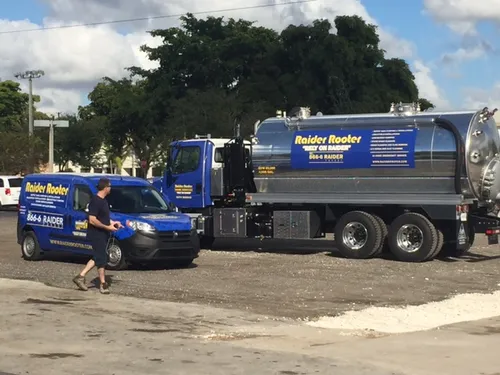
Raider Rooter is a family-owned plumbing and septic service company based in West Palm Beach, FL. Serving Palm Beach, Dade, and Broward Counties, they provide septic tank pumping, septic inspections, drain cleaning, camera line inspections, and high-pressure water jetting for residential and commercial properties. The company is certified to install and maintain Hoot Aerobic Systems and offers natural bacterial solutions to support septic system longevity and environmental protection. Raider Rooter has been in business since 1978 and offers emergency plumbing and drain services 24/7.
Rapid-Rooter Plumbing & Drain Service
4100 N Powerline Rd Unit I2, Pompano Beach, FL 33073
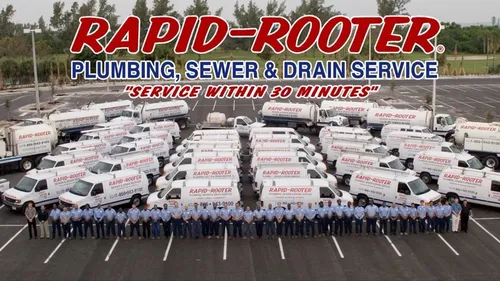
Rapid-Rooter Plumbing & Drain Service is a plumbing company based near Fort Lauderdale, FL, serving residential and commercial customers throughout South Florida. With over 30 years of experience, they provide a wide range of services including septic tank pumping, septic system inspections, septic repairs, drain cleaning, water heater repair, and general plumbing solutions. The company offers 24/7 emergency plumbing services, ensuring prompt response to urgent issues in the Fort Lauderdale area and beyond.
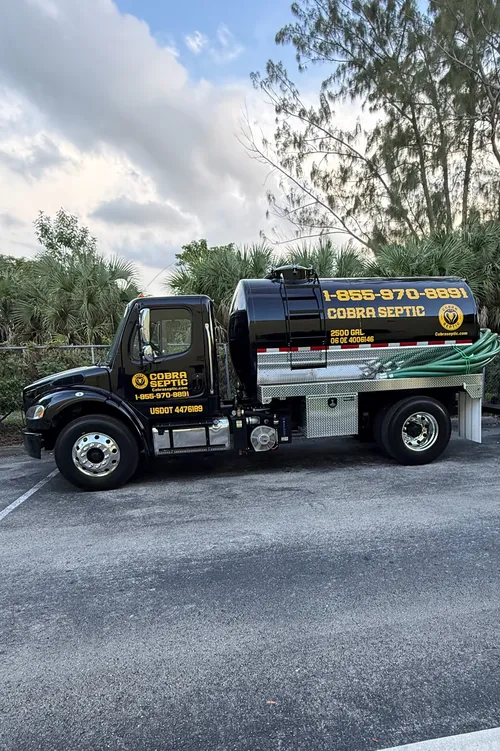
Cobra Septic LLC
Miami, FL
Cobra Septic LLC is a veteran- and family-owned septic tank pumping company serving Miami, FL, and surrounding counties including Broward, Palm Beach, Martin, and St. Lucie. They provide routine septic pumping, hydro jetting, and emergency septic services with a licensed team focused on maintaining system safety and compliance. Cobra Septic offers 24/7 availability for emergency needs, ensuring support whenever required.
IYT Septic Tank Pumping West Palm Beach
420 Clematis St Suite 4A, West Palm Beach, FL 33401
IYT Septic Tank Pumping West Palm Beach provides septic tank pumping services in West Palm Beach, FL. The company specializes in removing accumulated waste and sludge to maintain septic system function and prevent blockages or overflow. Their fleet of trucks allows them to handle septic tanks of various sizes efficiently. The team is experienced in septic tank maintenance, helping to protect properties and the environment from potential health hazards caused by untreated sewage.
Understanding Septic System Maintenance in Florida
An onsite sewage treatment and disposal system (OSTDS) is a self-contained wastewater treatment solution common in many Florida communities, including Boynton Beach. Proper care, centered around regular septic tank servicing, ensures it operates efficiently for decades. The Florida Department of Health (DOH) provides guidelines that form the foundation of a sound maintenance plan, which local licensed contractors help you implement.
Neglecting this crucial home system can lead to costly consequences. A failing septic system can cause sewage to back up into your home, create soggy and foul-smelling patches in your yard, and contaminate groundwater-a serious concern in our coastal environment. Proactive maintenance is always more affordable than emergency repairs or a full system replacement.
Recommended Pumping Frequency for Boynton Beach Homes
The most common question homeowners have is, "How often should I pump my septic tank?" In Boynton Beach and throughout Florida, the Department of Health generally recommends that septic tanks be inspected every 1 to 3 years and pumped every 3 to 5 years 1. For an average household, pumping every three to five years is considered safe and effective to prevent system failure.
However, this 3-to-5-year range is a general guideline. Your home's specific conditions can significantly alter the ideal schedule. Treating this range as a maximum, not a minimum, is a prudent approach to septic care.
Key Factors That Determine Your Pumping Schedule
Several household variables directly impact how quickly solids accumulate in your tank. Understanding these helps you create a personalized maintenance plan.
- Household Size: This is often the primary factor. Larger families generate more wastewater and solid waste. A family of four may need pumping every 2-3 years, while a household of five or more may require service every 1-2 years to keep the system healthy 2.
- Tank Capacity: The size of your tank matters. A smaller tank will fill up faster. For instance, a 1,000-gallon tank serving a family of four may need pumping every 3 years, whereas a 1,500-gallon tank for the same household might extend that interval to 4 years.
- Water Usage and Habits: High water consumption accelerates the flow of solids into the tank. Frequent laundry loads, long showers, and running dishwashers daily add to the load. Crucially, using a garbage disposal can increase the volume of solids in your tank by up to 50%, necessitating more frequent pump-outs 3 4.
- System Type and Age: Older systems or those with smaller drain fields may be less efficient. Conversely, advanced or performance-based treatment systems (PBTS) often come with strict maintenance contracts that require more frequent, sometimes twice-yearly, inspections and pumpings to ensure they meet environmental standards.
Find the perfect septic tank pumping contractors for your needs
Get personalized recommendations and expert advice
Local Regulations and Required Inspections
In Florida, oversight of septic systems falls under the Florida Department of Health and the local County Health Department 5 6. While state law does not mandate routine pumping for all residential systems, several regulatory aspects affect Boynton Beach homeowners.
- Permitting: A permit from the DOH is required for any system repair, modification, or replacement. This includes expanding a drain field, moving a tank, or installing a new system.
- Inspections: Although not universally required for all homes, inspections are critical. Some Florida counties, particularly in areas near impaired water bodies, may require a system inspection every five years. More commonly, a licensed inspection is a standard part of real estate transactions to confirm the system is functional before a home sale closes 7 8.
- Qualified Providers: Any official inspection must be performed by a state-licensed septic tank contractor, a master septic contractor, or a professional engineer with specific wastewater experience. Always verify a provider's license before hiring them for inspection or repair work 9.
Understanding Costs for Pumping and Inspection
Budgeting for septic maintenance is part of responsible homeownership. The cost is a worthwhile investment to avoid the significantly higher expense of fixing a failed system.
- Pumping Costs: The price to pump out a septic tank in the Boynton Beach area typically ranges from $300 to $700 on average. The final cost depends on your tank's size (e.g., 1,000 vs. 1,500 gallons), how easy it is for trucks to access the tank lids, and the volume of sludge that has built up 10.
- Inspection Costs: A standard septic inspection averages around $550, with a typical range between $200 and $900. For real estate transactions, a more detailed inspection that may include a full tank pump-out to examine the baffles and drain field can cost up to $1,300 for larger properties 11.
Best Practices to Extend Your System's Life
What you do between professional services greatly impacts your system's health. Following these simple "dos and don'ts" can prevent problems and extend the time between necessary pumpings.
DO:
- Conserve water: Fix leaky faucets and toilets promptly. Install water-efficient fixtures and spread out water-intensive activities like laundry over the week.
- Map and protect your system: Know where your tank and drain field are located. Keep a detailed maintenance log of all pumping, inspections, and repairs.
- Landscape wisely: Plant only grass over the drain field. Keep trees and shrubs with deep roots far away from the system to prevent root intrusion.
DON'T:
- Flush non-biodegradables: Never flush "flushable" wipes, paper towels, feminine hygiene products, dental floss, or cat litter. These materials do not break down and are a leading cause of clogs 12.
- Pour grease or chemicals: Cooking grease solidifies and blocks pipes. Harsh chemicals, paints, and solvents can kill the essential bacteria in your tank that treat wastewater.
- Use tank additives: Commercial septic tank additives or cleansers are generally unnecessary. Some can actually harm your system's biology or cause solids to flow into the drain field, leading to premature failure 13.
- Drive or build over the system: Never park vehicles, place sheds, or set up patios over your tank or drain field. The weight can crush pipes and compact the soil, destroying its ability to absorb treated effluent 14.
Recognizing Signs You Need Service Sooner
Don't wait for a full-blown failure. Contact a licensed septic professional if you notice any of these warning signs:
- Slow drains throughout the house, especially if plunging or drain cleaners don't help.
- Sewage odors in your home or yard, particularly near the tank or drain field.
- Gurgling sounds coming from your plumbing.
- Unusually lush, green grass or soggy, spongy ground over the drain field area.
- Sewage backing up into household drains.
Frequently asked questions
Sources
Footnotes
-
A Guide on How Often to Pump Your Septic Tank in Florida - https://www.yoursepticmasters.com/how-often-should-a-septic-tank-be-pumped-in-florida ↩
-
How Often to Pump Your Septic Tank? 2025 Guide & Tips - https://www.splashplumbing.com/how-often-to-pump-septic-tank-for-a-family-of-4-essential-maintenance-guidelines/ ↩
-
Septic Tanks - Preventative Routine Maintenance - https://des.sc.gov/permits-regulations/septic-tanks/homeowner-resources/septic-tanks-preventative-routine-maintenance ↩
-
Florida Statute §381.0065 - Online Sunshine - https://www.leg.state.fl.us/Statutes/index.cfm?App_mode=Display_Statute&URL=0300-0399/0381/Sections/0381.0065.html ↩
-
Onsite Sewage Program - https://floridadep.gov/water/onsite-sewage ↩
-
Septic System Information - https://www.sirwcd.org/septic-system-information ↩
-
Local Septic Regulations Florida Homeowners Should Know - https://www.yoursepticmasters.com/local-septic-regulations-florida-homeowners-should-know ↩
-
Stay Compliant with Septic Tank Requirements in Florida - https://mathisandsonsseptic.com/mathis-sons-septic-blog-orlando-fl/florida-septic-tank-regulations-and-incentives-what-homeowners-need-to-know/ ↩
-
Chapter 381 Section 00651 - 2019 Florida Statutes - https://www.flsenate.gov/laws/statutes/2019/381.00651 ↩
-
How Often to Pump Septic Tank: 2026 Maintenance Guide - https://dandhsepticservices.com/how-often-to-pump-septic-tank/ ↩
-
How Much Does a Septic Inspection Cost? [2026 Data] - Angie's List - https://www.angi.com/articles/septic-inspection-cost.htm ↩
-
Septic System Information and Care - Florida Department of Health ... - https://columbia.floridahealth.gov/programs-and-services/environmental-health/onsite-sewage-disposal/septic-system-information-and-care/ ↩
-
Septic system care and maintenance tips? - Facebook - https://www.facebook.com/groups/acityinflorida/posts/10162709541017644/ ↩
-
Septic Tank Servicing Florida: Maintenance Tips & Schedule - https://crewssepticsolutions.com/how-often-should-a-septic-tank-be-serviced-under-floridas-septic-maintenance-rules/ ↩