Find the Best Septic Tank Pumping Contractors for Your Business
No obligation • Fast responses • Nationwide coverage

Why you can trust Septic Spot
Septic Spot is a leading United States resource for understanding and comparing septic services. Our editors review providers using consistent criteria and verify key business details. Listings and scores are independent, and companies cannot pay to influence our content.
Search providers near you
Top Septic Tank Pumping Contractors in West Palm Beach, Florida Ranked
Maintaining your septic system is a critical responsibility for any homeowner not connected to a municipal sewer line. Regular septic tank pumping is the cornerstone of this maintenance, preventing backups, protecting your property's value, and safeguarding the local environment and groundwater. In West Palm Beach, factors like sandy soil, high water tables, and specific local regulations make a consistent service schedule especially important. This guide provides the essential information you need to understand septic service, find reliable local professionals, and ensure your system operates smoothly for years to come.
M and Y Septic Tank
West Palm Beach, FL
M and Y Septic Tank is a septic tank pumping company serving West Palm Beach, FL. They provide septic tank cleaning services for homes and businesses, focusing on maintaining system efficiency and preventing backups or environmental hazards. Their team uses modern equipment and eco-friendly practices to ensure thorough and responsible septic care. The company is locally owned and offers emergency services to address unexpected septic issues.
Raider Rooter
804 SE 1st St STE A, Boynton Beach, FL 33435
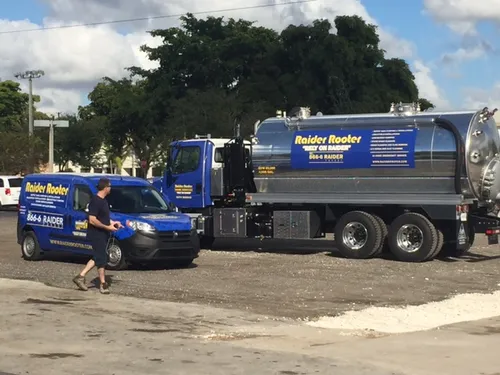
Raider Rooter is a family-owned plumbing and septic service company based in West Palm Beach, FL. Serving Palm Beach, Dade, and Broward Counties, they provide septic tank pumping, septic inspections, drain cleaning, camera line inspections, and high-pressure water jetting for residential and commercial properties. The company is certified to install and maintain Hoot Aerobic Systems and offers natural bacterial solutions to support septic system longevity and environmental protection. Raider Rooter has been in business since 1978 and offers emergency plumbing and drain services 24/7.
IYT Septic Tank Pumping West Palm Beach
420 Clematis St Suite 4A, West Palm Beach, FL 33401
IYT Septic Tank Pumping West Palm Beach provides septic tank pumping services in West Palm Beach, FL. The company specializes in removing accumulated waste and sludge to maintain septic system function and prevent blockages or overflow. Their fleet of trucks allows them to handle septic tanks of various sizes efficiently. The team is experienced in septic tank maintenance, helping to protect properties and the environment from potential health hazards caused by untreated sewage.
Total Septic Services
300 Center St, Jupiter, FL 33458
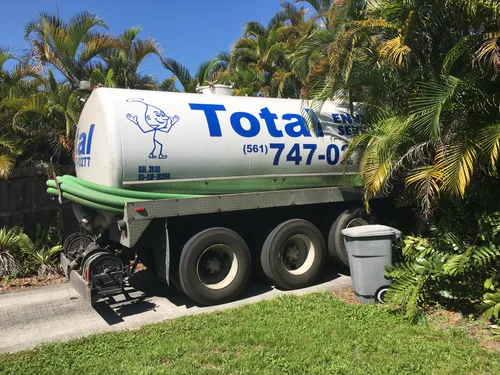
Total Septic Services is a septic tank and plumbing contractor based in Jupiter, Florida, serving West Palm Beach and the surrounding areas. They offer septic tank pumping, grease trap cleaning, drain field repair and rejuvenation, and high velocity line jetting. The company is part of a third-generation business with a central office in Orlando, providing a broad range of services including camera inspections and storm drain cleaning. Total Septic Services is available 24 hours a day to handle septic, sewer, or drain emergencies promptly.
Danny's Septic Service
West Palm Beach, FL
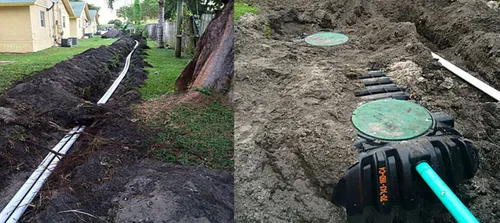
Danny's Septic Service is a septic tank pumping and repair company serving West Palm Beach, FL. They provide residential and commercial septic services including pump-outs, grease trap service, drainfield installation and replacement, lift station repair, and chemical treatments. With over 20 years in the Palm Beach County septic industry and a team combining more than 40 years of experience, they offer knowledgeable support to maintain septic system functionality.
Understanding Your Septic System and Why Pumping is Vital
A septic system is an on-site wastewater treatment structure, typically consisting of a tank and a drain field. Solids settle in the tank, forming sludge, while liquids flow out into the drain field for further filtration. Over time, the sludge layer accumulates. If not removed through regular septic tank cleaning, it can overflow into the drain field, causing clogs, sewage backups into your home, and costly environmental damage. A failed drain field is one of the most expensive home repairs a homeowner can face. The U.S. Environmental Protection Agency (EPA) emphasizes that routine maintenance, including pumping, is the most cost-effective way to avoid these disasters 1.
Recommended Pumping Frequency for West Palm Beach Homes
How often you need septic system pumping isn't a one-size-fits-all answer. It depends on your household size, total wastewater generated, the volume of solids, and your tank's size. General guidelines suggest pumping every 3 to 5 years. However, local experts and Florida-specific guidance often recommend a more tailored approach:
- Standard Household (3-4 occupants): Every 3 to 5 years is a common baseline 2.
- Large or High-Usage Households (5+ occupants): Increased water use and waste production can fill the tank much faster. These households may require septic tank servicing every 1 to 2 years.
- Small or Seasonal Households: A smaller household or a vacation home used infrequently may extend the interval to up to 5 years, but an inspection is still crucial 3.
- Advanced Treatment Systems: Some modern systems have additional components like aerators or filters. These often require more frequent maintenance, potentially as often as twice a year, as stipulated by a maintenance contract 4.
The best practice is to start with a professional inspection, which can assess the sludge and scum levels in your tank and give you a precise recommendation for your next septic pumping date.
The Critical Role of Professional Inspections
Pumping is not the only maintenance task. A comprehensive septic system inspection should be conducted every 1 to 3 years by a qualified professional. This inspection checks for:
- Sludge and scum layer thickness to determine if pumping is needed.
- Integrity of the tank (cracks, leaks).
- Condition of baffles and tees.
- Signs of drain field failure, such as soggy ground or unpleasant odors.
Florida law (Section 381.00651) also mandates that septic systems in certain areas be evaluated every five years to identify failures and protect water quality 5. An inspection is a small investment that can identify minor issues before they become major, system-threatening problems.
What to Expect: The Septic Pumping Process
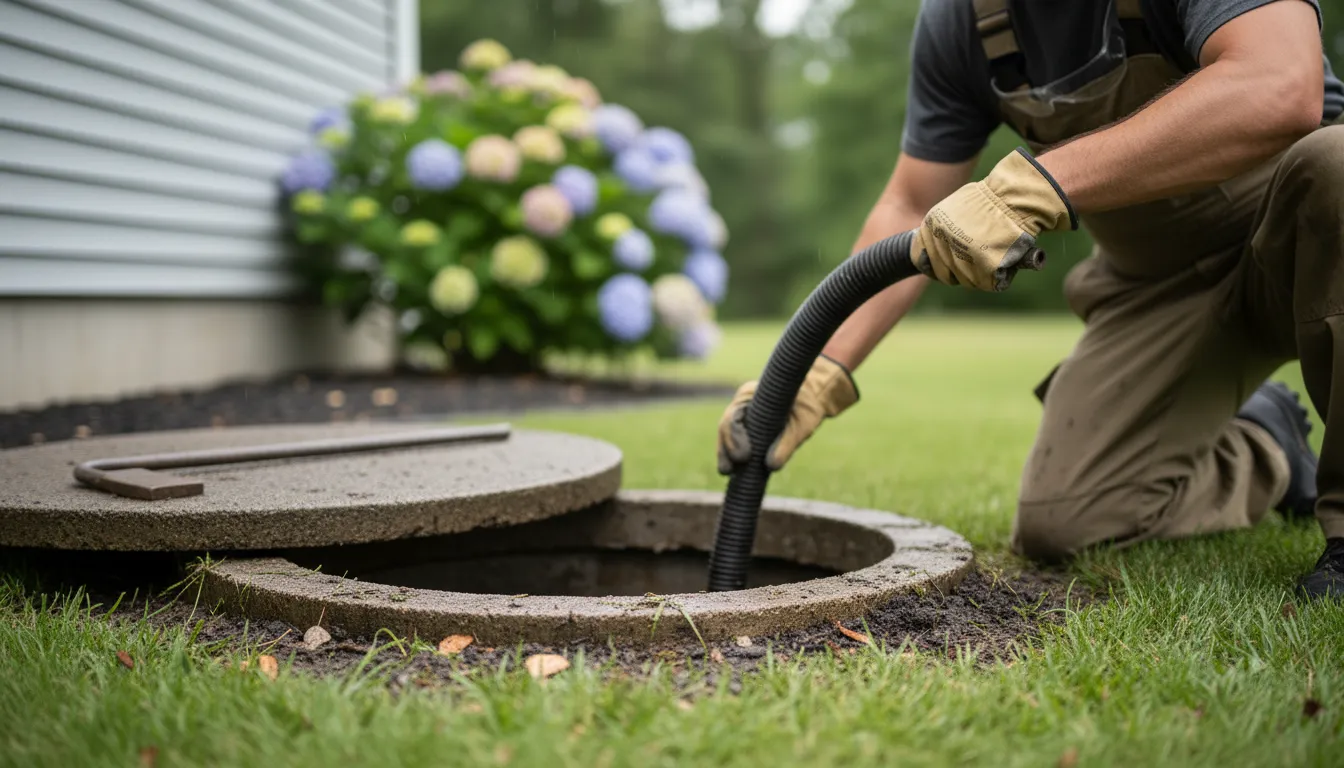
When you schedule a septic tank pump-out, a licensed professional will arrive with a vacuum truck. They will locate and uncover your tank's access lids, visually inspect the inlet and outlet, and then insert a large hose to vacuum all the solids and liquids from the tank. The waste is transported to an approved treatment facility. A thorough provider will also rinse the tank lightly to observe for leaks and check the system's components. After pumping, they should provide you with a report detailing what was done and recommending the next service date.
Protecting Your System Between Pumpings
You can extend the time between necessary pumpings and protect your drain field by being mindful of what goes into your system.
- Conserve Water: Fix leaks, use high-efficiency fixtures, and spread out laundry loads to avoid overwhelming the system.
- Watch What You Flush: Only human waste and toilet paper should be flushed. Never flush grease, cooking oils, coffee grounds, feminine hygiene products, diapers, wipes (even "flushable" ones), or heavy paper products 6.
- Use Garbage Disposals Sparingly: Excessive use sends organic solids into your tank, dramatically accelerating sludge buildup.
- Landscape Carefully: Don't park or drive over your drain field, and plant only grass over it. Keep trees and shrubs with deep roots far away to prevent root intrusion.
Find the perfect septic tank pumping contractors for your needs
Get personalized recommendations and expert advice
Understanding Costs for Septic Tank Pumping in West Palm Beach
The cost for septic tank cleaning can vary based on tank size, accessibility, and the company you choose. Based on recent local data:
- The average cost for pumping in West Palm Beach is around $380.
- The typical price range falls between $280 and $520.
- Costs can sometimes be as low as $190 for a straightforward job or exceed $890 for large, hard-to-access tanks or emergency service 7 8.
Be sure to ask what is included in the quoted price. Additional fees may apply for:
- Filter Cleaning: If your system has an effluent filter, cleaning it may cost an extra $50-$100.
- Tank Location: If the tank lids are buried and need to be located, expect a fee of $50-$150.
- Inspection: A full inspection may be a separate charge from the basic pumping service.
Always get detailed estimates from a few licensed providers before proceeding.
Local Regulations and Resources in Palm Beach County
Septic system installation, repair, and maintenance are regulated in Florida to protect public health and water resources. The Environmental Health Section of the Florida Department of Health in Palm Beach County is the primary agency overseeing septic system permits and regulations. For residents in specific water control districts, like the South Indian River Water Control District, additional guidance and resources may be available on their website regarding system care and environmental protection 9. Using a locally licensed provider ensures they are familiar with these county-specific requirements.
Signs Your Septic Tank Needs Immediate Attention
Don't wait for your scheduled pumping if you notice any of these warning signs:
- Slow Drains: Sinks, showers, and toilets that drain slowly, especially if multiple fixtures are affected.
- Gurgling Sounds: Sounds from your plumbing when flushing or draining.
- Unpleasant Odors: Sewage smells inside your home or in your yard near the tank or drain field.
- Soggy Lawn: Unusually wet, spongy, or bright green grass over the drain field, even in dry weather.
- Sewage Backup: The most severe sign-wastewater backing up into household drains.
If you observe any of these, contact a septic service professional immediately to prevent further damage and potential health hazards.
Choosing a Qualified Septic Service Provider
Selecting the right company is crucial. Look for:
- Valid Licensing: Ensure they are licensed by the state of Florida for septic tank contracting.
- Insurance: Verify they carry liability and workers' compensation insurance.
- Local Experience: Choose a company familiar with West Palm Beach soil conditions and regulations.
- Good Reviews: Check online reviews and ask for references from past customers.
- Detailed Service Report: A reputable provider will document their findings and provide clear recommendations after service.
Frequently asked questions
Sources
Footnotes
-
Why Maintain Your Septic System | US EPA - https://www.epa.gov/septic/why-maintain-your-septic-system ↩
-
How Often Should You Pump Your Septic Tank in Florida? - https://www.wrenvironmental.com/blog/2026/february/how-often-should-you-pump-your-septic-tank-in-fl/ ↩
-
How Often Should You Pump Your Septic Tank in Florida? - https://millersepticfl.com/how-often-should-you-pump-your-septic-tank-in-florida/ ↩
-
Septic Tank Pumping SWFL - Fast & Affordable - https://www.sosseptic.com/septic-pumping ↩
-
Chapter 381 Section 00651 - 2019 Florida Statutes - https://www.flsenate.gov/laws/statutes/2019/381.00651 ↩
-
Septic Tank Servicing Florida: Maintenance Tips & Schedule - https://crewssepticsolutions.com/how-often-should-a-septic-tank-be-serviced-under-floridas-septic-maintenance-rules/ ↩
-
Septic Pumping in West Palm Beach, FL - Costs 03 / 2026 - Homeyou - https://www.homeyou.com/fl/septic-pumping-west-palm-beach-costs ↩
-
Septic Tank Pumping Cost: Guide & Pricing in 2025 - Splash Plumbing - https://www.splashplumbing.com/how-much-does-it-cost-to-pump-septic-tank-understanding-pricing-and-factors-involved/ ↩
-
Septic System Information - South Indian River Water Control District - https://www.sirwcd.org/septic-system-information ↩