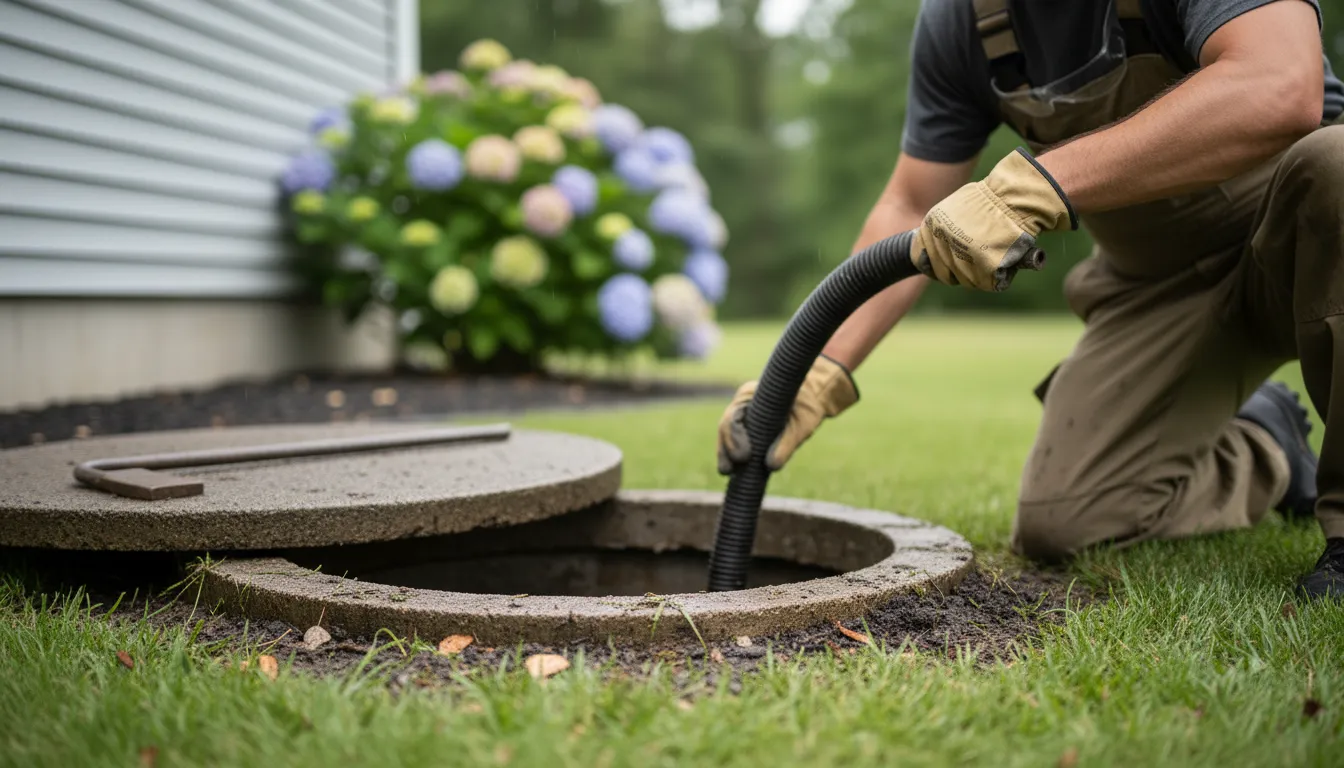
Find the Best Septic Tank Pumping Contractors for Your Business
No obligation • Fast responses • Nationwide coverage

Why you can trust Septic Spot
Septic Spot is a leading United States resource for understanding and comparing septic services. Our editors review providers using consistent criteria and verify key business details. Listings and scores are independent, and companies cannot pay to influence our content.
Search providers near you
Top Septic Tank Pumping Contractors in Gainesville, Florida Ranked
Maintaining a healthy septic system is a crucial responsibility for homeowners in Gainesville and across Hall County. Septic tank pumping, also known as septic tank cleaning or septic tank service, is the essential process of removing accumulated solids and sludge from your tank to prevent system failure and environmental contamination. This regular maintenance protects your property value, ensures public health, and helps you avoid costly emergency repairs. The following guide provides local insights on scheduling, costs, regulations, and how to find qualified professionals for your septic system maintenance needs.
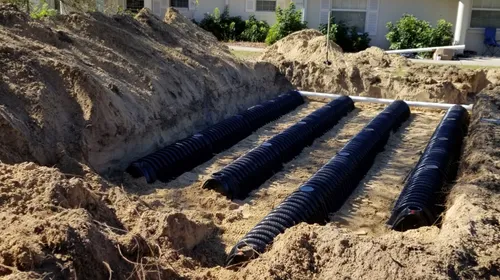
MODERN SEPTIC & PLUMBING
10980 W Hwy 318, Reddick, FL 32686
MODERN SEPTIC & PLUMBING is a locally owned company providing septic tank pumping, inspection, repair, and installation services in Gainesville, FL. They serve both residential and commercial clients with services including drainfield repair, grease trap maintenance, and septic system inspections for real estate transactions. The company also offers RV pump out and site preparation services, handling projects with professional-grade equipment and attention to code compliance.
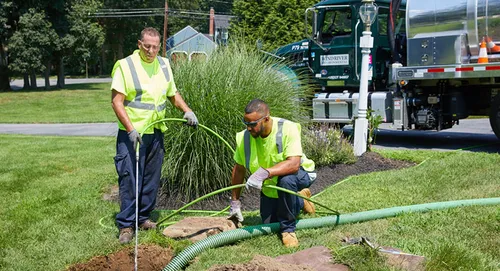
Wind River Environmental of Gainesville, FL
224 NE 16th Ave, Gainesville, FL 32601
Wind River Environmental of Gainesville, FL provides septic tank pumping, installation, and plumbing services for residential, commercial, municipal, and industrial clients in Gainesville, FL. The company offers customized solutions including drain cleaning and grease trap maintenance, supported by certified technicians who emphasize environmental responsibility and compliance with local regulations. With over 20 years of experience, they are part of a larger network that brings advanced technology and resources to their service delivery. They also provide 24/7 availability for urgent septic and plumbing needs.
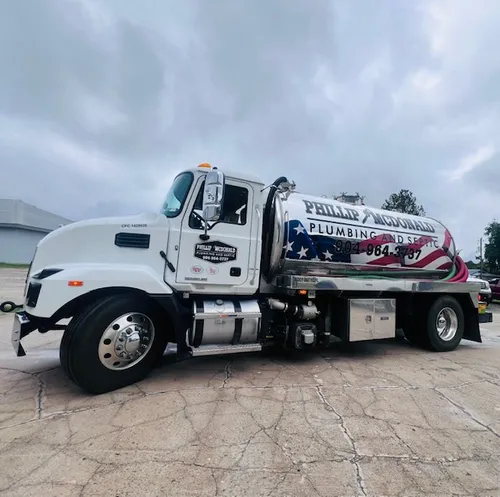
Phillip McDonald Plumbing
740 S Orange St, Starke, FL 32091
Phillip McDonald Plumbing is a septic tank pumping company serving Jacksonville, FL, and surrounding areas including Starke, Keystone Heights, and St. Augustine. With over 30 years of experience, they provide a wide range of plumbing services focused on quality workmanship and integrity. Their expertise includes septic tank pumping and general plumbing solutions, supported by a commitment to honesty and transparency. The company offers a military discount and ensures customers speak with a live person when calling.
Understanding Your Septic System and Why Pumping is Critical
A septic system is an on-site wastewater treatment structure, typically consisting of a tank and a drain field. When wastewater from your home enters the tank, solids settle to the bottom as sludge, and oils float to the top as scum. The clarified liquid in the middle then flows out to the drain field for further treatment in the soil. Over time, the sludge and scum layers build up. If they aren't removed through regular septic tank pumping, they can overflow into the drain field, causing clogs, backups into your home, and system failure 1.
In Gainesville, with its proximity to Lake Lanier and the local watershed, proper septic maintenance is not just a homeowner issue but an environmental imperative. A failing system can contaminate groundwater and surface water, posing risks to public health and local ecosystems.
How Often Should You Pump Your Septic Tank in Hall County?
The universal recommendation for septic tank cleaning frequency is every 3 to 5 years. However, this is a general guideline, and your specific schedule depends on several factors:
- Tank Size and Household Size: A smaller tank serving a large household will fill with solids much faster and may require pumping every 1 to 2 years2.
- Usage Habits: Heavy use of a garbage disposal significantly increases the rate of sludge accumulation, necessitating more frequent pumping 3. Flushing non-biodegradable items (wipes, feminine products, paper towels) can also accelerate problems.
- System Age and Condition: Older systems or those with minor issues may need more attentive servicing.
The best practice is to have your tank inspected annually by a licensed professional. They can measure the sludge and scum layers and give you a precise recommendation for when pumping is needed, taking the guesswork out of maintenance 4.
Local Regulations and Requirements for Septic Services
Septic systems in Gainesville and Hall County are regulated by the Georgia Department of Public Health. Adhering to these rules is not optional; it's a legal requirement for protecting public health.
- Licensed Pumping: All septic tank waste (septage) must be removed and transported by a licensed septic tank pumper or contractor5 6. This ensures proper disposal at approved treatment facilities.
- Tank Access (Risers): Georgia regulations require that if your septic tank lid is buried more than 12 inches below the surface, a riser must be installed to bring the access point to ground level7. This is a critical safety and accessibility feature for routine maintenance and emergencies.
- Tank Filters: For many systems, especially newer ones, an effluent filter is highly recommended or required. This device, installed on the outlet baffle of the tank, prevents solids from escaping into the drain field, a common cause of drain field failure 8.
- Annual Inspections: While pumping is needed every few years, the Georgia Department of Public Health recommends an annual inspection of the entire system, including the tank, distribution box, and drain field area9.
Find the perfect septic tank pumping contractors for your needs
Get personalized recommendations and expert advice
Recognizing Signs You Need Septic Service Sooner
Don't wait for a complete failure. Be proactive and watch for these warning signs that your tank may be overdue for pumping or that another problem is developing:
- Slow Drains: Sinks, showers, and toilets that drain slowly, especially if gurgling is involved.
- Unpleasant Odors: Sewage smells inside your home or in the yard around the tank or drain field.
- Pooling Water or Lush Grass: Standing water or an area of grass that is unusually green and spongy over the drain field, even in dry weather.
- Sewage Backup: The most severe sign-wastewater backing up into household drains.
If you notice any of these issues, contact a septic service professional immediately to assess the situation10 11 12.
What to Expect: The Septic Pumping Process
When you schedule septic tank pumping, a licensed professional will arrive with a vacuum truck. The process typically involves:
- Locating and Uncovering the tank access lids (made easier if risers are installed).
- Inspecting the tank interior, inlet/outlet baffles, and filter (if present).
- Pumping all contents (sludge, scum, and liquid) from the tank into the truck.
- Cleaning the tank walls and performing any minor maintenance, like cleaning or replacing the filter.
- Final Inspection to ensure everything is functioning before the lids are securely replaced.
A reputable provider will also offer advice on your system's health and recommend a date for your next service.
Cost of Septic Tank Pumping in North Georgia
The cost for septic tank cleaning in the Gainesville area varies based on tank size, accessibility, and the service provider. The primary cost driver is tank capacity, measured in gallons.
- 750 - 1,000 Gallon Tank: $250 - $700
- 1,250 - 1,500 Gallon Tank: $375 - $1,100
- Average Cost: For a standard residential system, homeowners often pay between $300 and $60013 14.
Additional costs may apply if the tank lids are buried and need to be dug up, if a riser needs to be installed, or if the filter requires replacement. While this is an investment, it pales in comparison to the cost of repairing or replacing a failed drain field, which can range from $5,000 to $12,000, or installing a whole new system, which can cost $3,500 to $8,500 or more15.
The Importance of Ongoing Maintenance and Care
Pumping is the cornerstone of septic system maintenance, but what you do between services matters greatly.
- Conserve Water: Spread out laundry loads and fix leaky faucets to avoid overwhelming the system.
- Mind What You Flush: Only human waste and toilet paper should go down the toilet. Avoid chemicals, paints, oils, and medications.
- Protect Your Drain Field: Never park vehicles or build structures over it. Direct rainwater drainage away from the area.
- Keep Records: Maintain a log of all inspections, pumpings, and repairs. This is valuable for troubleshooting and is often required if you sell your home.
By following these practices and adhering to a regular pumping schedule, you can ensure your septic system operates reliably for decades.
Frequently asked questions
Sources
Footnotes
-
homeowner's guide - to septic system maintenance - https://northgeorgiawater.org/wp-content/uploads/2017/10/SepticTankKit-MNGWPD.pdf ↩
-
How Often Do I Need Septic Tank Pumping in North GA? - https://www.septicservicepro.com/blog/how-often-do-i-need-septic-tank-pumping-in-north-ga/ ↩
-
Septic Pumping Myths: Cartersville's Guide to Smart Maintenance - https://www.metroseptic.com/blog/septic-pumping-myths-cartersvilles-guide-to-smart-maintenance/ ↩
-
Septic Tanks - Preventative Routine Maintenance - https://des.sc.gov/permits-regulations/septic-tanks/homeowner-resources/septic-tanks-preventative-routine-maintenance ↩
-
septic tank pumping - Forsyth County Environmental Health - https://forsythhd.com/pages/environmental/Sewage/Septic%20Tank%20Pumpers.html ↩
-
Georgia Septic System Guide: Regulations & Maintenance Tips - https://smartsepticpros.com/blog/georgia-septic-system-regulations/ ↩
-
Georgia Septic Tank Requirements | On-Site Sewage ... - https://www.ntotank.com/blog/georgia-septic-tank-requirements ↩
-
GA R&R - GAC - Subject 511-3-1 ON-SITE SEWAGE MANAGEMENT SYSTEMS - https://rules.sos.ga.gov/gac/511-3-1 ↩
-
Georgia Septic System Guide: Regulations & Maintenance Tips - https://smartsepticpros.com/blog/georgia-septic-system-regulations/ ↩
-
DIY Septic Maintenance Tips for Georgia Homeowners - https://smartsepticpros.com/blog/diy-septic-system-maintenance-georgia/ ↩
-
How Often Should Your Business's Septic System Be Pumped? | Service Pumping & Drain Co. - https://www.servicepumpingdrain.com/blog/how-often-should-business-septic-systems-be-pumped/ ↩
-
When to Pump Your Septic Tank | Roto-Rooter - https://www.rotorooter.com/blog/outdoor-plumbing/5-signs-its-time-to-call-your-septic-pumping-service/ ↩
-
Understanding the Average Cost to Pump a Septic Tank - https://www.scorpionsepticservices.com/blog/understanding-the-average-cost-to-pump-a-septic-tank ↩
-
How Much Does Septic Tank Pumping Cost in 2025? - HomeAdvisor - https://www.homeadvisor.com/cost/plumbing/clean-septic-tank/ ↩
-
Complete Guide to Septic Inspection in Georgia - https://dandhsepticservices.com/septic-inspection-in-georgia/ ↩