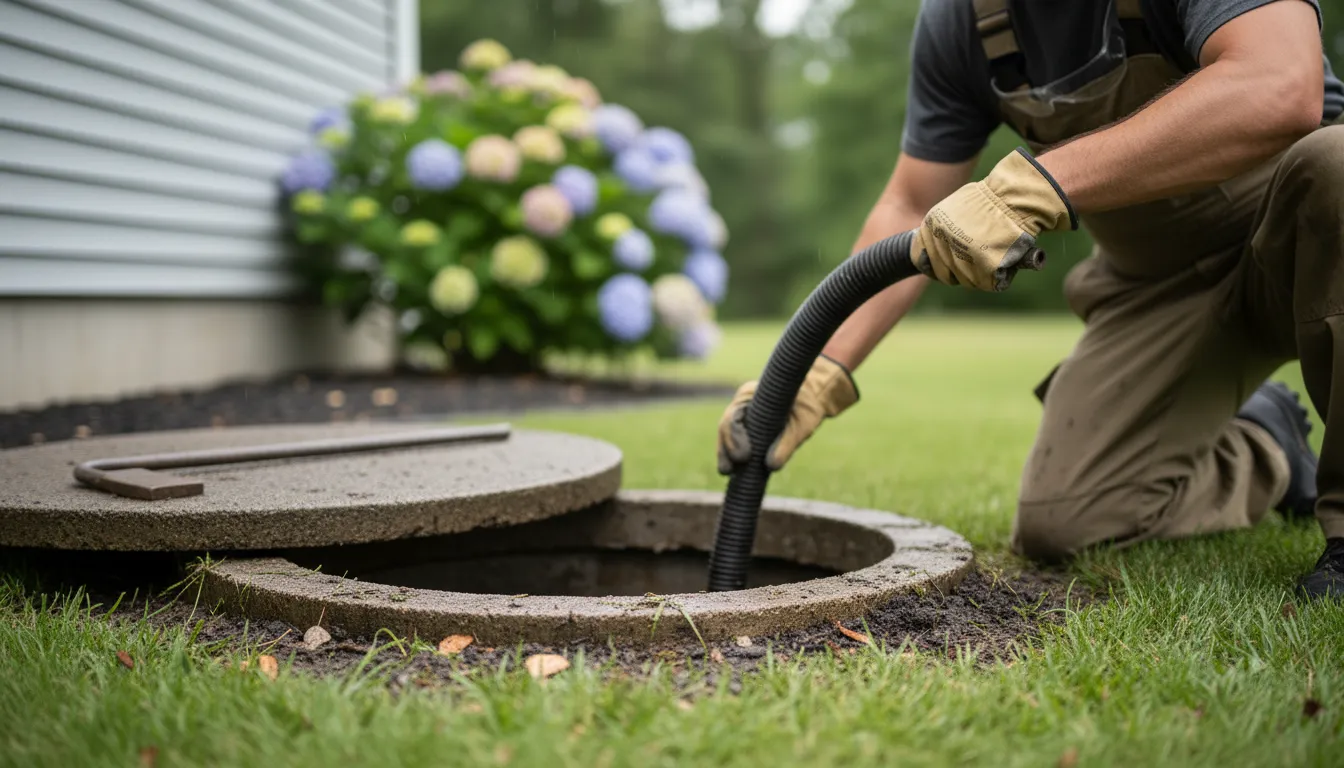
Find the Best Septic Tank Pumping Contractors for Your Business
No obligation • Fast responses • Nationwide coverage

Why you can trust Septic Spot
Septic Spot is a leading United States resource for understanding and comparing septic services. Our editors review providers using consistent criteria and verify key business details. Listings and scores are independent, and companies cannot pay to influence our content.
Search providers near you
Top Septic Tank Pumping Contractors in Clermont, Florida Ranked
Maintaining your septic system is a crucial responsibility for any homeowner not connected to a municipal sewer line. Regular septic tank pumping is the most important preventative measure you can take to avoid messy, expensive, and environmentally hazardous system failures. This guide explains the specific recommendations for Clermont, Florida, helping you understand the right pumping schedule, recognize warning signs, and find qualified local professionals to keep your system functioning smoothly for years to come.
Lapin Services
3031 40th St, Orlando, FL 32839
Lapin Services offers septic tank pumping, inspection, repair, and installation in Tampa, FL. They also provide sewer services including grease trap cleaning, vactor sewer cleaning, lift station inspections, and wastewater treatment plant cleaning. The company is licensed, bonded, and insured, employing trained technicians with specialized equipment. Lapin Services serves a wide area across Central Florida, including many surrounding communities. Their team is committed to thorough septic and plumbing work, treating customers like family.
Orlando Septic Services
Orlando, FL
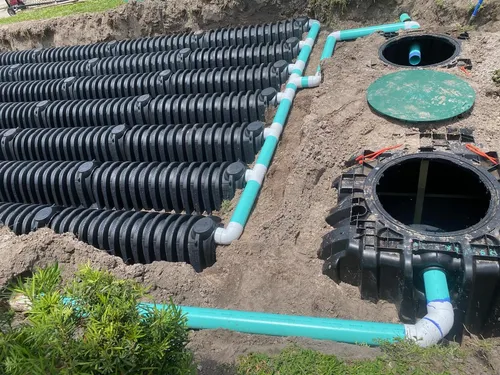
Orlando Septic Services provides septic system installation, repair, and maintenance in Orlando, FL. They handle septic tank pumping, drain field repair, and commercial and residential system installations. Their capabilities include lift station repair, main line jetting, and pump replacements, covering a wide range of septic system needs.
Always There Septic
Orlando, FL
Always There Septic provides a full range of septic system services in Orlando, FL, including septic tank pumping, inspections, repairs, and installation for both residential and commercial properties. They handle drain field repair and replacement, septic pump repair, and commercial grease trap cleaning, ensuring systems meet Florida Code and operate properly. The company offers 24/7 emergency septic services and manages all permitting and inspections for new installations or replacements, aiming for a smooth process from start to finish.
Brightwater Plumbing of Orlando
751 Business Park Blvd #101, Winter Garden, FL 34787
Brightwater Plumbing of Orlando is a family-owned company serving Orlando, FL, and the surrounding areas. They offer septic system services including pumping, repairs, and maintenance tailored to the unique challenges of Central Florida's soil and climate. Their expertise includes septic line jetting to prevent blockages and sewer camera inspections to accurately diagnose underground issues. With over 25 years of experience, Brightwater Plumbing combines local knowledge with specialized equipment to support septic system health and longevity.

Discount Air LLC
1130 E Donegan Ave # 3, Kissimmee, FL 34744
Discount Air LLC is a contractor based in Orlando, FL, offering septic system maintenance, repair, and installation services. They also provide HVAC and plumbing solutions for residential, commercial, and industrial clients. Their septic services include pumping and system repairs, ensuring proper wastewater treatment in areas without centralized sewer systems. The company handles permits and project coordination to streamline the process for customers.
Understanding Your Septic System and Why Pumping is Essential
A septic system is an on-site wastewater treatment structure, typically consisting of a tank and a drain field. When household wastewater enters the tank, solids settle to the bottom as sludge, and oils float to the top as scum. The liquid effluent in the middle layer then flows out to the drain field, where it is filtered through the soil. Over time, the sludge and scum layers accumulate. If they aren't removed through regular septic tank cleaning, they can overflow into the drain field, causing clogs, backups into your home, and contamination of the surrounding soil and groundwater. Septic tank maintenance, with pumping at its core, prevents this by removing the accumulated waste before it causes a problem.
Recommended Pumping Frequency for Clermont Homes
How often you need to schedule septic tank service isn't a one-size-fits-all answer; it depends on your household size and water usage. Following Florida-specific guidelines is key to protecting your property and our local environment.
- Average Household (3-4 people): The general recommendation for a standard family in Clermont is to pump the septic tank every 3 to 5 years. This aligns with common guidelines but should be verified with regular inspections.
- Large Household or High Water Usage (5+ people): If you have a larger family or use more water through frequent laundry, long showers, or a garbage disposal, the tank fills faster. In these cases, septic tank emptying is recommended more frequently, typically every 1 to 3 years.
- Smaller or Seasonal Households: For couples, single occupants, or seasonal residents, the interval may extend to 5 years or more. However, an annual inspection is still wise to check sludge levels and system health1 2.
The most accurate way to determine your needed septic pumping schedule is to have a professional measure the sludge and scum layers during an inspection. They can provide a personalized recommendation based on the actual condition of your tank.
Florida and Local Regulations You Should Know
Florida has specific statutes governing septic systems to protect public health and water quality. According to Florida law, certain areas require an evaluation of the septic system at least once every five years to identify potential failures3. While not every county or city mandates this, it underscores the state's focus on proper maintenance. Regular septic system pumping is the homeowner's primary tool for compliance with the spirit of these regulations, preventing system failure and environmental contamination.
Furthermore, a specialized inspection is often required during real estate transactions. Having a well-documented history of regular septic tank maintenance and pumping can be a significant advantage when selling your home.
Signs Your Clermont Septic Tank Needs Pumping
Don't wait for a disaster. Be proactive and watch for these common warning signs that your tank is reaching capacity and needs septic service:
- Slow Drains: Sinks, showers, and especially toilets that drain slowly or gurgle can be an early indicator of a full tank.
- Foul Odors: Unpleasant sewage smells in your yard, particularly near the tank or drain field, are a red flag.
- Soggy Ground: Lush, overly green grass or standing water over the drain field area indicates that effluent is not properly absorbing into the soil.
- Sewage Backup: The most severe sign is wastewater backing up into household drains or toilets. This requires immediate professional attention.
If you notice any of these signs, contact a septic pumping company in Clermont right away to assess the situation.
What to Expect: The Septic Pumping Process
When you hire a professional for septic tank pumping in Clermont, here's a general overview of what happens:
- Locating and Uncovering: The technician will locate your tank and access ports, which may require some digging.
- Initial Inspection: They will often do a quick visual check of the tank's condition and inlet/outlet baffles.
- Pumping: Using a large tank truck, they will vacuum out all the solid and liquid contents from your septic tank.
- Cleaning & Final Inspection: The technician may rinse the tank with water to help break up remaining solids and will inspect the empty tank for cracks, leaks, or structural damage.
- System Closure and Advice: The access ports are securely closed, the area is tidied, and the professional should provide you with a service report and recommend a date for your next pump-out or inspection.
A thorough service doesn't just pump and leave; it includes checking the system's vital components.
Find the perfect septic tank pumping contractors for your needs
Get personalized recommendations and expert advice
The Importance of Regular Inspections
While pumping removes accumulated waste, septic tank inspections are the diagnostic check-up for your entire system. It's recommended to have your system inspected every 1 to 3 years4 5. A good inspection will:
- Measure sludge and scum levels to accurately predict your next needed pumping.
- Check the structural integrity of the tank for cracks or leaks.
- Inspect the drain field for signs of failure.
- Ensure inlet and outlet baffles are intact and functioning.
- Verify that the liquid is flowing correctly to the drain field.
This proactive approach is far less costly than repairing or replacing a failed system.
Cost of Septic Tank Pumping in Clermont
The cost for septic tank cleaning can vary based on tank size, accessibility, and how long it's been since the last service. For Clermont, Florida, the average cost for a standard residential pumping job is approximately $380, with a typical range falling between $280 and $5206. Simpler jobs for well-maintained, easily accessible tanks may be on the lower end, around $190. Costs can reach the higher end, up to $890 or more, for large-capacity tanks, severely neglected systems that require extra labor, or complex situations requiring additional repairs6.
Best Practices for Septic System Care
Pumping is essential, but daily habits protect your investment. Follow these septic tank maintenance tips:
- Conserve Water: Fix leaks and spread out laundry loads to avoid overwhelming the system.
- Mind What You Flush: Only human waste and toilet paper should go down the toilet. Avoid flushing wipes (even "flushable" ones), feminine hygiene products, diapers, and paper towels.
- Use the Sink Wisely: Never pour grease, oil, or harsh chemicals (like paint thinner or bleach) down the drain. Minimize use of a garbage disposal, as it adds significant solids.
- Protect the Drain Field: Never drive or park vehicles over the drain field, as this compacts the soil. Also, avoid planting trees or deep-rooted shrubs near the system, as roots can infiltrate and damage pipes7 8.
- Keep Records: Maintain a detailed log of all inspections, pumping services, and repairs. This history is invaluable for troubleshooting and is attractive to potential home buyers.
Choosing a Reliable Septic Service Provider in Clermont
Selecting the right professional is critical. Look for a company that is:
- Licensed and Insured: Ensure they hold the proper Florida state and local licenses for septic system pumping and repair.
- Experienced & Knowledgeable: Choose a provider familiar with Clermont's soil conditions and local regulations.
- Transparent: They should provide clear, upfront pricing and a detailed explanation of the services included.
- Equipped for Inspections: The best providers offer comprehensive inspection services, not just pumping.
Always get multiple estimates and ask for references to ensure you're choosing a reputable partner for your home's essential infrastructure.
Frequently asked questions
Sources
Footnotes
-
How Often Should You Pump Your Septic Tank in Florida? - https://www.wrenvironmental.com/blog/2026/february/how-often-should-you-pump-your-septic-tank-in-fl/ ↩
-
How Often Should You Pump Your Septic Tank in Florida? - https://millersepticfl.com/how-often-should-you-pump-your-septic-tank-in-florida/ ↩
-
Chapter 381 Section 00651 - 2019 Florida Statutes - https://www.flsenate.gov/laws/statutes/2019/381.00651 ↩
-
Septic Tank Servicing Florida: Maintenance Tips & Schedule - https://crewssepticsolutions.com/how-often-should-a-septic-tank-be-serviced-under-floridas-septic-maintenance-rules/ ↩
-
Septic Tanks - Preventative Routine Maintenance - https://des.sc.gov/permits-regulations/septic-tanks/homeowner-resources/septic-tanks-preventative-routine-maintenance ↩
-
Septic Pumping in Clermont, FL - Costs 02 / 2026 - Homeyou - https://www.homeyou.com/fl/septic-pumping-clermont-costs ↩ ↩2
-
How Often Should You Pump Your Septic Tank? - https://alphaenvironmental.net/blog/how-often-should-you-pump-your-septic-tank/ ↩
-
How Often to Pump Septic Tank? Don't Wait Until It's Too Late - Sewertech Cesspool & Drain Inc. - https://sewertechli.com/how-often-to-pump-septic-tank/ ↩