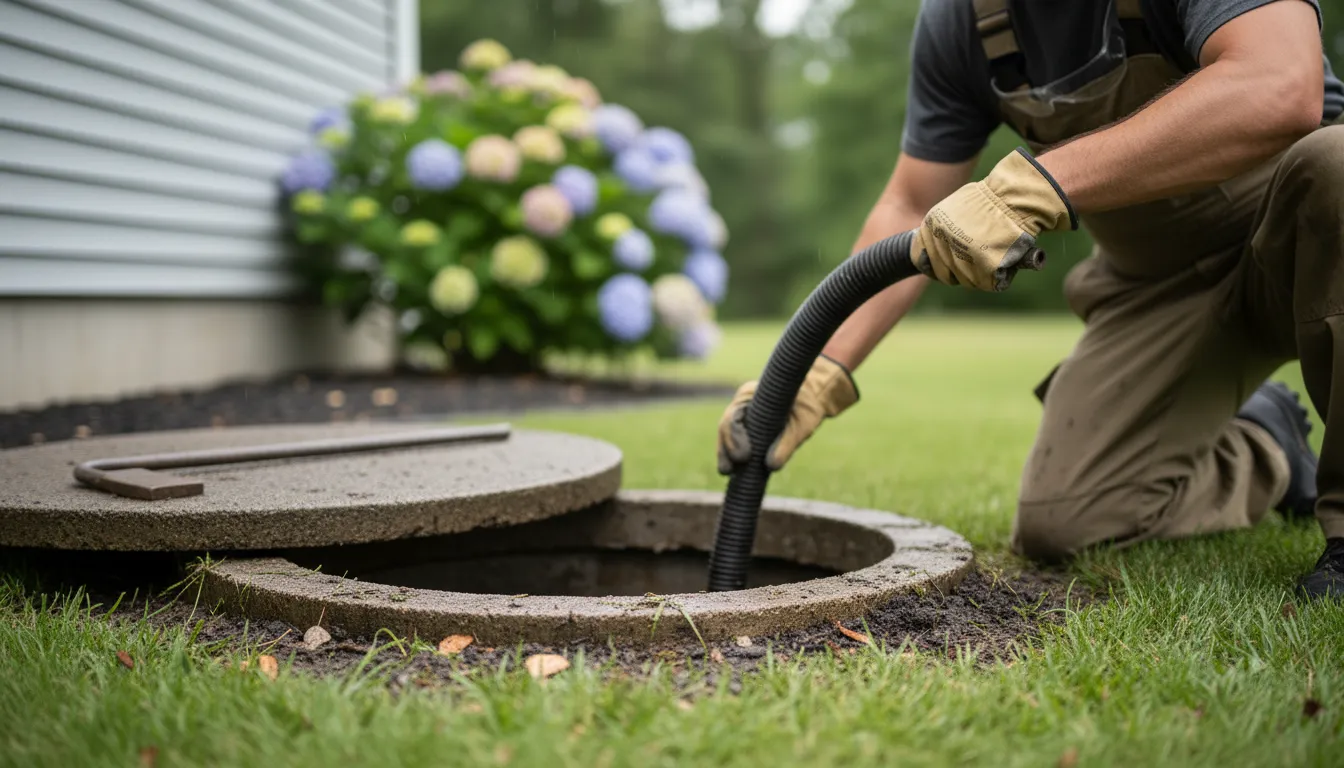
Find the Best Septic Tank Pumping Contractors for Your Business
No obligation • Fast responses • Nationwide coverage

Why you can trust Septic Spot
Septic Spot is a leading United States resource for understanding and comparing septic services. Our editors review providers using consistent criteria and verify key business details. Listings and scores are independent, and companies cannot pay to influence our content.
Search providers near you
Top Septic Tank Pumping Contractors in Cutler Bay, Florida Ranked
Maintaining a healthy septic system is a critical responsibility for homeowners in Cutler Bay. Septic tank pumping is the essential process of removing accumulated solids and scum from your tank to prevent system failure and protect your property and the local environment. Given the area's high water table and proximity to sensitive ecosystems like Biscayne Bay, regular maintenance isn't just a suggestion-it's a necessity for preventing costly backups and environmental contamination. This guide will help you understand the local requirements, typical costs, and how to find qualified professionals for your septic service needs.

Champion Septic Tank - Grease Trap, Drain Field, Lift Station, Storm Drain
405 E 41st St Unit 1D, Hialeah, FL 33013
Champion Septic Tank - Grease Trap, Drain Field, Lift Station, Storm Drain provides septic system services in Miami, FL. They offer septic tank pumping, inspection, cleaning, and drain field repair, using advanced technology and professional tools. Their licensed team handles locating tanks, hydro jet cleaning, and riser installation to maintain system performance. Serving Miami-Dade and Broward counties, the company emphasizes thorough maintenance to prevent backups and extend system life. Champion Septic Tank is family-owned and offers 24/7 emergency septic services.
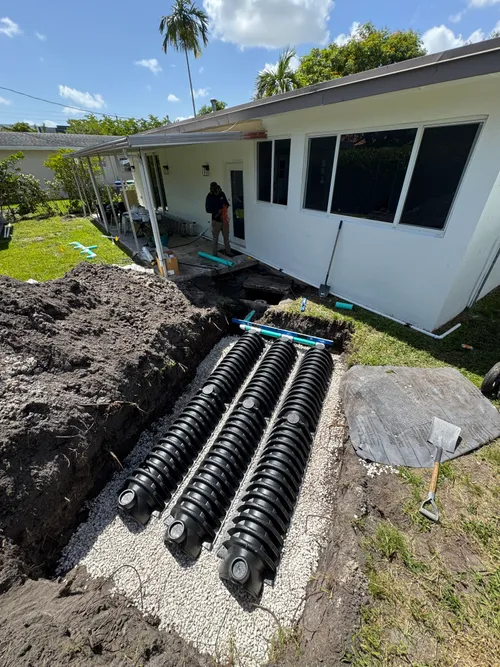
All-Star Pump Outs - Septic Tanks Grease Traps Storm Drains Lift Stations
3325 W Okeechobee Rd, Hialeah, FL 33012
All-Star Pump Outs - Septic Tanks Grease Traps Storm Drains Lift Stations provides septic system pumping and maintenance services in Miami, FL. They also handle grease trap cleaning, storm drain system services, drainfield installations, lift station maintenance, and hydro jet cleaning. The company is known for thorough septic tank pump outs combined with pressure cleaning to ensure effective results. Customers appreciate their clear communication and detailed explanations of the work being done. They offer same-day service and respond promptly to urgent septic issues, including emergency support on weekends.
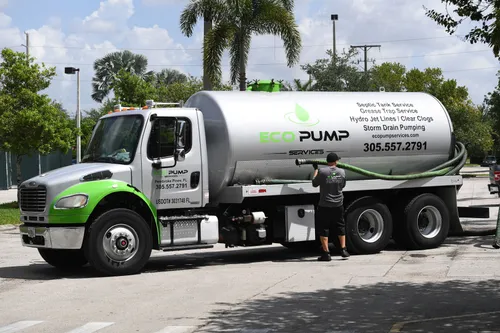
Eco Pump Services
15757 Pines Blvd Suite 315, Pembroke Pines, FL 33027
Eco Pump Services provides septic tank pumping, grease trap cleaning, and inspection services in Miami, FL, and the surrounding areas including Broward and West Palm Beach. They serve both residential and commercial clients, offering specialized capabilities such as hydro jetting for sewer drain lines and storm drain cleaning. With over 25 years of experience, Eco Pump Services is licensed and insured to handle grease trap maintenance and septic system care, ensuring compliance with local regulations.
CUTLER BAY PLUMBING/TRENCH LESS PIPE-LINING
19901 Dothan Rd, Cutler Bay, FL 33157
CUTLER BAY PLUMBING/TRENCH LESS PIPE-LINING is a septic tank pumping and plumbing company based in Miami, FL. They specialize in trenchless pipelining technology to repair cast iron sewer lines with minimal disruption. Their services cover a wide range of plumbing needs including septic tank pumping, sewer cleaning, drain cleaning, and water heater repairs. The company serves various sectors such as residential homes, commercial buildings, medical facilities, and municipal structures. They follow industry standards like ASTM and UPC and have completed numerous projects across Florida. CUTLER BAY PLUMBING offers 24/7 emergency services to address urgent plumbing issues.
Septic Masters
3250 Mary St #307, Miami, FL 33133
Septic Masters provides septic tank pumping, inspection, repair, and installation services in Miami, FL. They also offer storm drain cleaning to help prevent flooding and water damage. Their team uses advanced equipment to thoroughly inspect and clean septic systems, including removing solid waste and sludge to maintain proper function. Septic Masters serves both traditional and modern septic systems and also specializes in grease trap cleaning to enhance waste management efficiency. Their services are designed to meet the needs of residential and commercial properties in the Miami area.
Why Septic System Maintenance is Critical in Cutler Bay
Cutler Bay's unique environmental conditions make proactive septic care especially important. The community sits on a coastal ridge with a naturally high groundwater table. This means that a failing septic system or drainfield can quickly contaminate groundwater, which is a direct threat to local water quality and the health of nearby Biscayne Bay. Regular septic tank cleaning and pumping are the first lines of defense. When a tank isn't pumped on schedule, solids can flow into the drainfield, clogging the soil and causing sewage to surface in your yard or back up into your home. This creates a health hazard and can lead to repair bills costing thousands of dollars, far exceeding the cost of routine maintenance.
Recommended Pumping Frequency and Inspection Schedule
How often you need to schedule septic pumping depends on several factors, but Miami-Dade County provides clear guidelines. For an average household, the county recommends having your system inspected every 1-2 years and pumped every 3-5 years. However, "average" can vary widely.
- Household Size and Usage: A family of five or more will fill a tank much faster than a couple. Garbage disposals, frequent laundry loads, and excessive water use also accelerate sludge buildup. For high-usage homes, pumping every 1-2 years may be necessary.
- Tank Size: Older homes may have smaller tanks (e.g., 500-gallon) that require more frequent service than modern 1,000-gallon tanks.
- System Age and Condition: Older systems or those showing signs of wear may need more vigilant monitoring.
An inspection by a licensed contractor is a key part of this schedule. They don't just check sludge levels; they inspect the tank's structural integrity, inlet/outlet baffles, and the drainfield for signs of failure. This proactive check can identify small issues before they become catastrophic problems.
Understanding Costs for Septic Services in South Florida
Budgeting for septic maintenance is a key part of homeownership. In the Cutler Bay and greater South Florida area, the typical cost for a standard septic tank pumping service ranges from $350 to $5501. It's important to understand what can cause this price to fluctuate:
- Tank Accessibility: If the tank lids are buried deep, overgrown, or located under a deck or driveway, the contractor will need extra time and labor to excavate, increasing the cost.
- Tank Size and Condition: Pumping a 1,500-gallon tank costs more than a 1,000-gallon tank. Tanks that have been neglected for many years may have excessive solidified sludge, requiring more time and high-pressure jetting to break up.
- Additional Services: The base pumping fee often covers waste removal and disposal. However, if an inspection reveals needed repairs to baffles, pipes, or the tank itself, or if filter cleaning is required, these will be additional charges.
Always get a detailed, written estimate before work begins. A significantly lower quote can sometimes indicate a provider who may cut corners or not properly dispose of the waste.
Florida and Miami-Dade Regulations You Need to Know
Working with a licensed professional isn't just a good idea-it's the law. In Florida, any company that transports liquid waste (i.e., pumps out your septic tank) must be a licensed Liquid Waste Transporter. Always verify a contractor's license with the Florida Department of Health.
Furthermore, Florida is actively updating its regulations to protect water quality. Homeowners should be aware of Basin Management Action Plans (BMAPs), which are regulatory frameworks for areas with impaired water bodies. If your property is in a BMAP zone, there may be stricter requirements for inspecting, upgrading, or even replacing older septic systems with advanced nutrient-reducing technology. Staying informed about these rules helps you plan for potential future investments in your system.
Find the perfect septic tank pumping contractors for your needs
Get personalized recommendations and expert advice
How to Choose a Reliable Septic Service Provider
Selecting the right company for your septic tank servicing is crucial. Start by confirming they hold an active Liquid Waste Transporter license. Look for established local companies with strong reputations; read reviews and ask neighbors for recommendations. A reputable provider will be happy to explain their process, provide a clear contract, and answer all your questions. They should also be able to provide a record of the service, including how much waste was removed and where it was taken for proper disposal. Avoid "drive-by" pumpers who offer deals that seem too good to be true, as improper disposal of septage is a serious environmental violation.
Daily Habits to Protect Your Septic System
Professional pumping is essential, but what you do daily has a huge impact on your system's health and longevity. These simple practices can extend the time between pumpings and prevent failures:
- Conserve Water: Fix leaky faucets and toilets immediately. Spread out laundry loads over the week instead of doing many in one day.
- Mind What You Flush: Only human waste and toilet paper should go down the drain. Never flush wipes (even "flushable" ones), feminine hygiene products, dental floss, cooking grease, or chemicals.
- Protect the Drainfield: Never park or drive heavy vehicles over the drainfield. Divect roof drains and surface water away from the area. Avoid planting trees or deep-rooted shrubs near the drainfield, as roots can clog and damage pipes.
Signs Your Septic Tank Needs Immediate Attention
Don't wait for a scheduled inspection if you notice any of these warning signs. Contact a licensed septic professional right away if you experience:
- Slow Drains: Sinks, showers, and toilets that drain slowly throughout the house.
- Sewage Odors: Unpleasant smells inside your home or in the yard near the tank or drainfield.
- Gurgling Sounds: Bubbling or gurgling noises from your plumbing.
- Wet Spots: Soggy, bright green grass, or standing water over the drainfield, especially when it hasn't rained.
- Sewage Backup: The most severe sign-wastewater backing up into household drains.
Addressing these issues promptly can mean the difference between a simple pumping and a major, expensive repair.
Frequently asked questions
Sources
Footnotes
-
Septic System Care - Miami-Dade County - https://www.miamidade.gov/global/environment/ecosystems/septic-system-care.page ↩