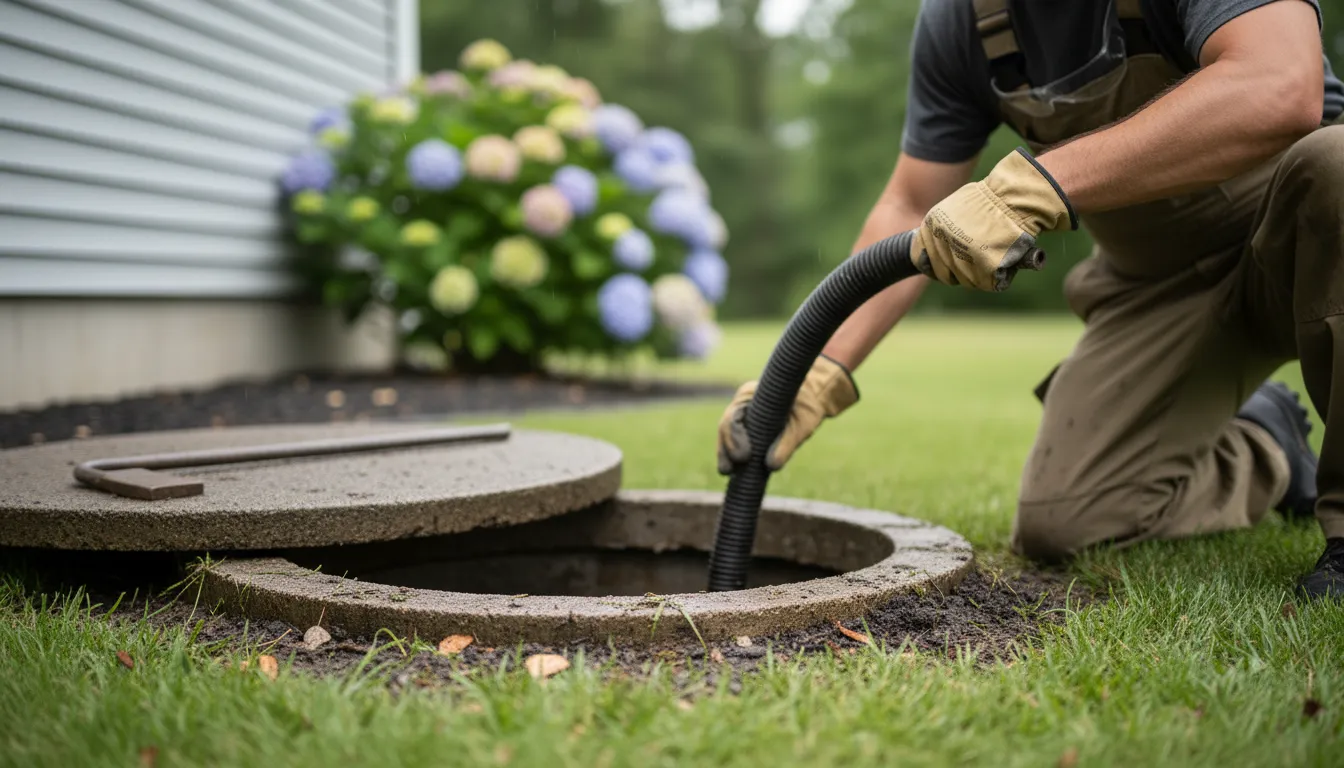
Find the Best Septic Tank Pumping Contractors for Your Business
No obligation • Fast responses • Nationwide coverage

Why you can trust Septic Spot
Septic Spot is a leading United States resource for understanding and comparing septic services. Our editors review providers using consistent criteria and verify key business details. Listings and scores are independent, and companies cannot pay to influence our content.
Search providers near you
Top Septic Tank Pumping Contractors in Homestead, Florida Ranked
Maintaining your septic system is a crucial responsibility for any homeowner in Homestead. Septic tank pumping is the essential process of removing accumulated solids and sludge from your tank to prevent system failure, environmental contamination, and costly repairs. This service is vital for protecting your property value and ensuring the health of your household and local environment. For Homestead residents, finding a qualified, licensed professional is the first step toward reliable septic care and long-term system health.

Champion Septic Tank - Grease Trap, Drain Field, Lift Station, Storm Drain
405 E 41st St Unit 1D, Hialeah, FL 33013
Champion Septic Tank - Grease Trap, Drain Field, Lift Station, Storm Drain provides septic system services in Miami, FL. They offer septic tank pumping, inspection, cleaning, and drain field repair, using advanced technology and professional tools. Their licensed team handles locating tanks, hydro jet cleaning, and riser installation to maintain system performance. Serving Miami-Dade and Broward counties, the company emphasizes thorough maintenance to prevent backups and extend system life. Champion Septic Tank is family-owned and offers 24/7 emergency septic services.
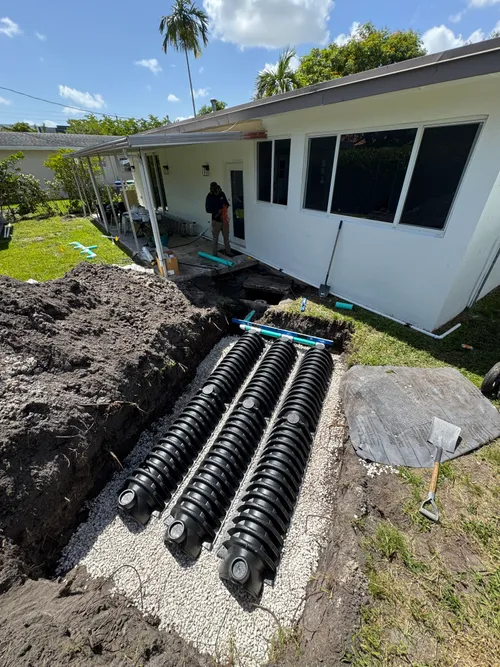
All-Star Pump Outs - Septic Tanks Grease Traps Storm Drains Lift Stations
3325 W Okeechobee Rd, Hialeah, FL 33012
All-Star Pump Outs - Septic Tanks Grease Traps Storm Drains Lift Stations provides septic system pumping and maintenance services in Miami, FL. They also handle grease trap cleaning, storm drain system services, drainfield installations, lift station maintenance, and hydro jet cleaning. The company is known for thorough septic tank pump outs combined with pressure cleaning to ensure effective results. Customers appreciate their clear communication and detailed explanations of the work being done. They offer same-day service and respond promptly to urgent septic issues, including emergency support on weekends.
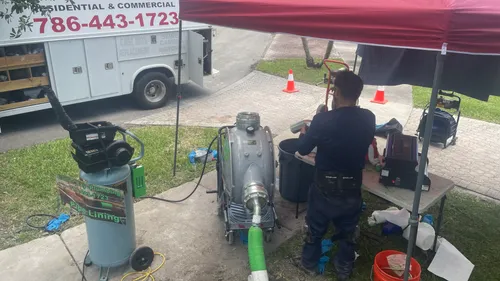
CUTLER BAY PLUMBING/TRENCH LESS PIPE-LINING
19901 Dothan Rd, Cutler Bay, FL 33157
CUTLER BAY PLUMBING/TRENCH LESS PIPE-LINING is a septic tank pumping and plumbing company based in Miami, FL. They specialize in trenchless pipelining technology to repair cast iron sewer lines with minimal disruption. Their services cover a wide range of plumbing needs including septic tank pumping, sewer cleaning, drain cleaning, and water heater repairs. The company serves various sectors such as residential homes, commercial buildings, medical facilities, and municipal structures. They follow industry standards like ASTM and UPC and have completed numerous projects across Florida. CUTLER BAY PLUMBING offers 24/7 emergency services to address urgent plumbing issues.
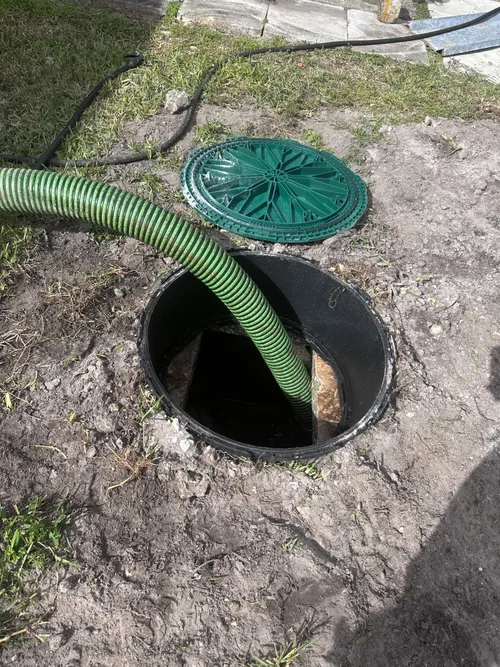
Septic Masters
3250 Mary St #307, Miami, FL 33133
Septic Masters provides septic tank pumping, inspection, repair, and installation services in Miami, FL. They also offer storm drain cleaning to help prevent flooding and water damage. Their team uses advanced equipment to thoroughly inspect and clean septic systems, including removing solid waste and sludge to maintain proper function. Septic Masters serves both traditional and modern septic systems and also specializes in grease trap cleaning to enhance waste management efficiency. Their services are designed to meet the needs of residential and commercial properties in the Miami area.
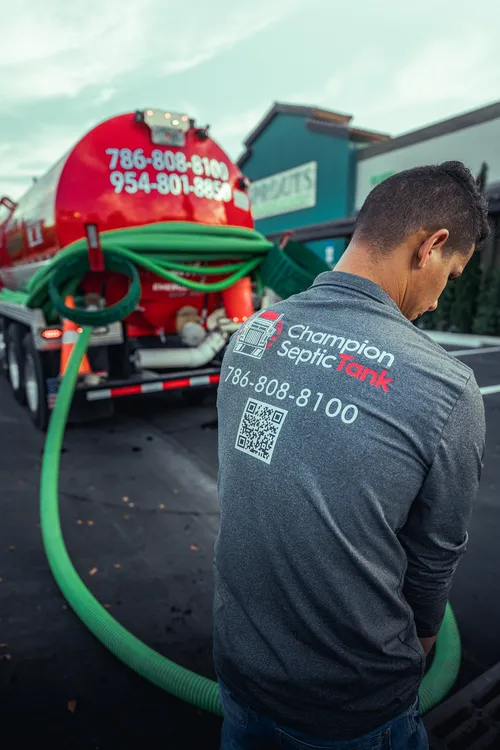
Champion Septic Tank - Grease Trap, Storm Drain, Lift Station
1001 Brickell Bay Dr Unit 2800, Miami, FL 33131
Champion Septic Tank - Grease Trap, Storm Drain, Lift Station provides comprehensive septic system services in Miami, FL. They offer septic tank pumping, inspection, cleaning, and drain field repair, using advanced technology and professional-grade tools. Their licensed team handles everything from locating buried tanks to thorough pump-outs and pressure washing to maintain system health. Champion Septic Tank serves Miami-Dade and Broward counties, including North Miami, Hollywood, and surrounding areas. They specialize in hydro jet cleaning and riser installation to ensure efficient septic system performance. The company also offers 24/7 emergency septic services to address urgent issues promptly.
Why Septic System Maintenance is Critical in Homestead
Homestead's unique environmental conditions make regular septic service particularly important. The region's high water table and sandy soil can complicate wastewater treatment and increase the risk of groundwater contamination if a system fails. A well-maintained septic tank ensures that only treated effluent reaches the drain field, protecting both your yard and the local ecosystem. Neglecting routine pumping is the leading cause of system backups, drain field failure, and expensive emergency repairs.
Professional septic maintenance involves more than just pumping. It includes a thorough inspection of the tank's components, checking for cracks, leaks, and the integrity of baffles and tees. In Miami-Dade County, this work must be performed by a permitted liquid waste transporter, ensuring that waste is disposed of properly at approved facilities. This local regulation is in place to safeguard public health and the environment, making it non-negotiable when choosing a service provider.
Recommended Pumping Frequency for Homestead Homes
How often you need to schedule septic tank pumping depends primarily on your household size and water usage. General guidelines suggest an inspection every 1-3 years and pumping every 3 to 5 years for an average-sized household 1. However, these are just starting points.
- Large Households or High Usage: If you have a large family, frequently host guests, or use a garbage disposal, your tank will fill with solids more quickly. In these cases, pumping every 1 to 2 years may be necessary to prevent problems 2.
- Smaller Households: A single person or couple may extend the interval closer to the 5-year mark, but an annual inspection is still wise to monitor sludge levels.
- Key Indicators: Don't wait for a disaster. Be alert for warning signs like slow-draining sinks and toilets, gurgling sounds in plumbing, foul odors around the tank or drain field, or unusually lush, green grass or standing water over the drain field area3. These are clear signals that your tank needs immediate attention.
Understanding the Costs of Septic Services
Investing in routine pumping is far more economical than dealing with a failed system. In Florida, the typical cost for a standard septic tank pumping service ranges from $300 to $6004. The final price is influenced by several factors specific to your property.
Tank Size: This is the primary cost driver. Pumping a standard 1,000-gallon tank typically costs between $250 and $400, while a larger 1,500-gallon tank may range from $300 to $5005. Tank Accessibility: If the tank lids are buried deep, overgrown, or located far from where the service truck can park, additional labor charges may apply. Condition of the Tank: Excessive sludge buildup or the presence of non-biodegradable materials can make the job more labor-intensive. Additional Services: A basic pump-out is often bundled with a visual inspection. However, a more comprehensive inspection using cameras to check the drain field lines or a detailed evaluation of system components will increase the cost. Septic inspections alone can range from $200 to $900 depending on their scope and detail6.
Find the perfect septic tank pumping contractors for your needs
Get personalized recommendations and expert advice
The Professional Pumping and Inspection Process
When a licensed professional arrives to service your septic tank, they follow a systematic process to ensure a thorough job. First, they will locate and uncover the tank's access lids. They will then visually inspect the inlet and outlet baffles for blockages or damage-a critical step often overlooked. Using a vacuum truck, they will remove all the contents of the tank: the scum layer (floating fats and oils), the effluent (liquid wastewater), and the sludge layer (settled solids) at the bottom7.
A key part of the service is measuring the sludge and scum layers to determine how quickly they are accumulating and to recommend your ideal pumping schedule. The professional will also check for signs of hydraulic overloading, where too much water is entering the system, and look for any structural issues like cracks or leaks. Finally, they will properly dispose of the septage at a licensed treatment facility, providing you with documentation for your records, which is often required for compliance with local regulations 8.
Protecting Your Drain Field
The drain field is the most expensive component of your septic system to repair or replace. Regular pumping is the single best thing you can do to protect it. When a tank is not pumped, solids can flow out into the drain field, clogging the perforated pipes and the surrounding soil. This leads to sewage surfacing in your yard, a health hazard, and a complete drain field failure9.
Beyond pumping, you can protect your drain field by:
- Conserving Water: Fix leaks, install water-efficient fixtures, and spread out laundry loads.
- Managing What Goes Down the Drain: Avoid flushing anything besides human waste and toilet paper. Never pour grease, chemicals, or medications down the drain.
- Keeping the Area Clear: Do not park vehicles or build structures over the drain field, and divert rainwater runoff away from it.
Choosing a Qualified Service Provider in Homestead
Selecting the right company for your septic tank cleaning is essential. Always verify that the provider holds a current permit as a liquid waste transporter from Miami-Dade County10. This license is your assurance that they are knowledgeable about local codes and will dispose of waste legally and safely. Look for companies with strong local reputations, proper insurance, and transparent pricing. Ask for references and read reviews from other Homestead homeowners. A reputable provider will be happy to explain their process, answer your questions, and provide a detailed invoice that outlines the services performed.
Frequently asked questions
Sources
Footnotes
-
How Often Should You Pump Your Septic Tank in Florida? - https://millersepticfl.com/how-often-should-you-pump-your-septic-tank-in-florida/ ↩
-
Your Septic System - UF/IFAS - University of Florida - https://programs.ifas.ufl.edu/septic-systems/your-septic-system/ ↩
-
How Often Should You Pump Your Septic Tank in Florida? - https://www.wrenvironmental.com/blog/2026/february/how-often-should-you-pump-your-septic-tank-in-fl/ ↩
-
Septic Tank Costs in Florida: A Guide for Miami Homeowners - https://www.yoursepticmasters.com/how-much-does-a-septic-tank-cost-in-florida ↩
-
Optimizing Septic Tank Pumping Frequency for Households - https://www.unitedsewerservice.com/frequency-of-septic-tank-pumping-for-different-household-sizes/ ↩
-
How Much Does a Septic Inspection Cost? [2026 Data] - Angie's List - https://www.angi.com/articles/septic-inspection-cost.htm ↩
-
A Guide on How Often to Pump Your Septic Tank in Florida - https://www.yoursepticmasters.com/how-often-should-a-septic-tank-be-pumped-in-florida ↩
-
Septic Tank Servicing Florida: Maintenance Tips & Schedule - https://crewssepticsolutions.com/how-often-should-a-septic-tank-be-serviced-under-floridas-septic-maintenance-rules/ ↩
-
How Often to Pump Your Septic Tank - https://www.splashplumbing.com/how-often-should-septic-tank-be-pumped-for-optimal-maintenance-and-longevity/ ↩
-
Septic System Care - Miami-Dade County - https://www.miamidade.gov/global/environment/ecosystems/septic-system-care.page ↩