Find the Best Septic Tank Pumping Contractors for Your Business
No obligation • Fast responses • Nationwide coverage

Why you can trust Septic Spot
Septic Spot is a leading United States resource for understanding and comparing septic services. Our editors review providers using consistent criteria and verify key business details. Listings and scores are independent, and companies cannot pay to influence our content.
Search providers near you
Top Septic Tank Pumping Contractors in Largo, Florida Ranked
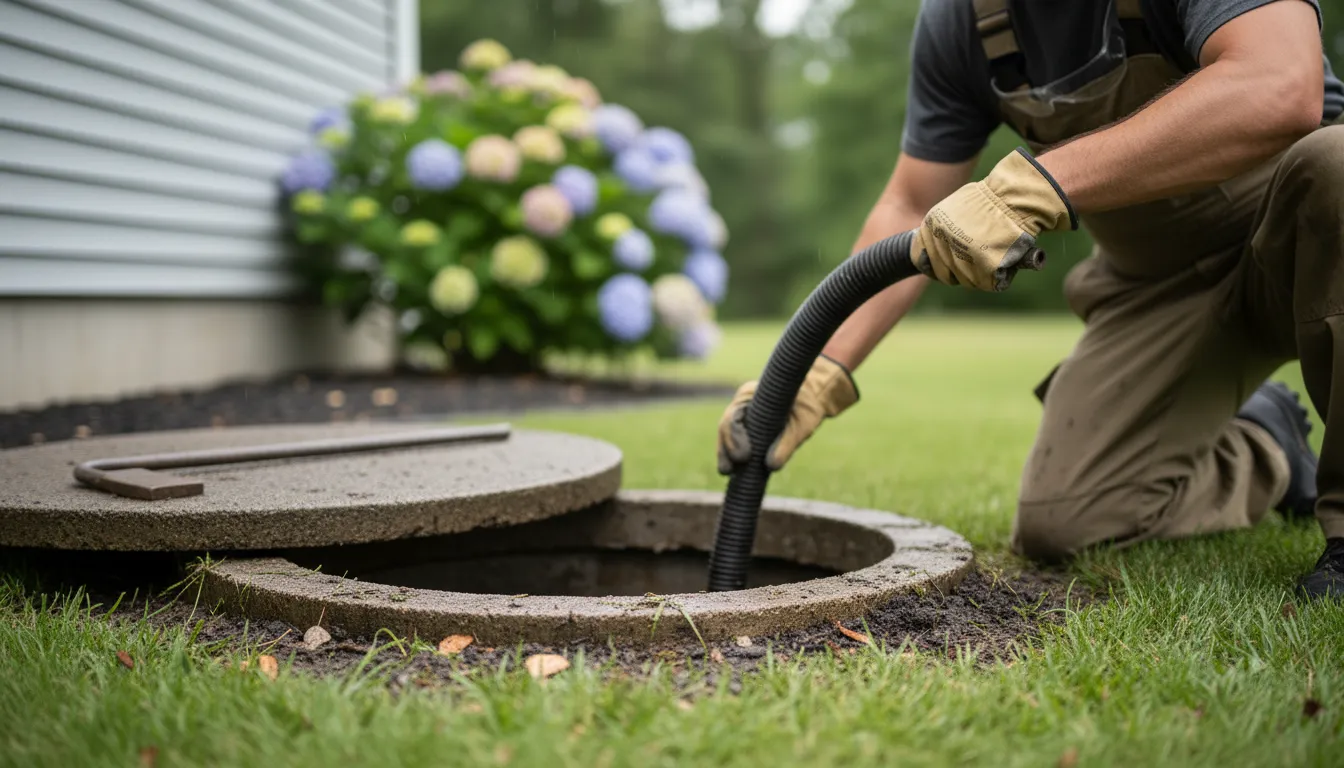
Maintaining your septic system is a crucial responsibility for any Largo homeowner not connected to municipal sewer lines. Septic tank pumping is the essential process of removing accumulated solids and sludge from your tank to prevent system failure, backups, and environmental contamination. This guide explains why regular maintenance matters for your property's health and value, and helps you understand local requirements and find qualified professionals for your septic service needs.
Quality Septic Inc.
100 Ashley Dr S suite 619, Tampa, FL 33602
Quality Septic Inc. provides a full range of septic services in Tampa, FL, including septic tank pumping, inspections, repairs, and installations. Serving Tampa and surrounding communities such as Brandon, Riverview, and Clearwater, they handle residential and commercial septic systems with expertise. Their capabilities include drain field repair and replacement, lift station installation and repair, and custom-engineered septic system installations based on thorough property assessments. Established in 1994, Quality Septic has over 25 years of experience in the industry.
Quality Septic Inc.
1811 M Rd, Brandon, FL 33511
Quality Septic Inc. is a family-owned septic service provider based in Tampa, FL, serving Brandon and the surrounding Tampa Bay area. Since 1994, they have offered a full range of septic services including tank pumping, system inspections, repairs, and new installations. Their expertise covers drain field repair and installation, lift station pump services, and custom-engineered septic systems tailored to property needs. Quality Septic emphasizes thorough property assessments and adherence to Florida state building codes in their installations. They serve multiple communities including Valrico, Seffner, Riverview, and more, ensuring comprehensive septic solutions across the region.
Tampa Septic
Tampa, FL
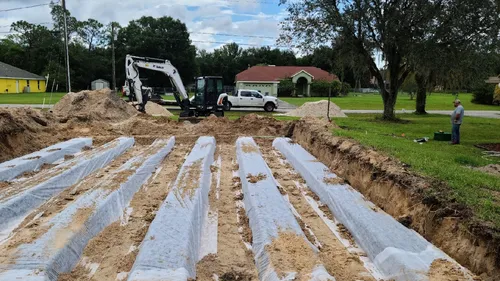
Tampa Septic is a septic service provider based in Tampa, FL, offering a comprehensive range of septic system solutions. Their services include septic tank pumping, inspections, repairs, installations, drain field maintenance and replacement, septic pump repair, and lift station services. They also provide nitrogen-reducing septic systems for environmentally conscious customers and conduct real estate septic inspections. With over 30 years of experience, Tampa Septic serves both residential and commercial clients in Tampa and the surrounding Tampa Bay area, including Hillsborough, Pasco, Hernando, Citrus, and Pinellas counties. The company is a member of the Florida Onsite Wastewater Association and holds an A+ rating from the BBB.
Septic Blue of Tampa
249 S 78th St Suite A, Tampa, FL 33619
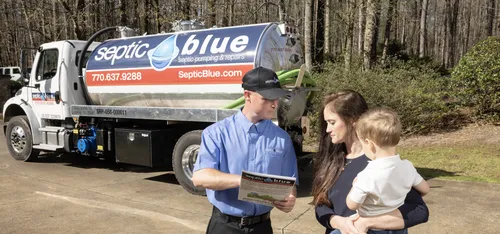
Septic Blue of Tampa is a septic service provider located in Tampa, FL. They offer a range of services including septic tank pumping, inspection, repair, installation, and drain field repair or replacement. Their team uses advanced equipment and personalized approaches to maintain and restore septic systems while emphasizing environmental sustainability. The company also educates clients on proper septic care to help prevent future issues. Septic Blue of Tampa is locally owned and committed to transparent pricing and professional integrity.
Xpress Quality Services, LLC
8325 N Albany Ave, Tampa, FL 33604
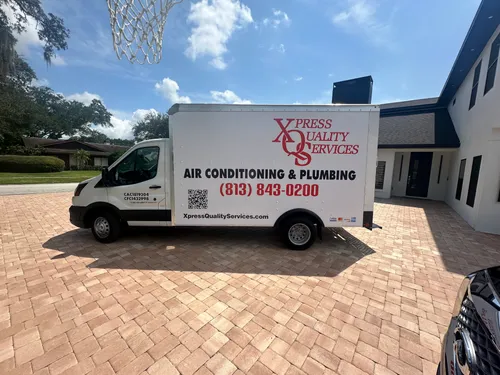
Xpress Quality Services, LLC is a home solutions provider based in Tampa, FL, offering HVAC, plumbing, and septic services. Serving Tampa and surrounding areas including Oldsmar, Palm Harbor, and Clearwater, they handle septic tank pumping, inspection, and repair along with comprehensive heating, cooling, and indoor air quality solutions. Established in 2013, the company works with certified experts and trusted brands to maintain critical home systems. They also provide plumbing services such as drain cleaning, water heater installation, and nitrogen reduction systems.
Understanding Your Septic System in Largo
A septic system is an on-site wastewater treatment structure, typically consisting of a tank and a drain field. All the water from your home's bathrooms, kitchen, and laundry flows into the underground septic tank. Here, solids settle to the bottom as sludge, oils and grease float to the top as scum, and the relatively clear liquid in the middle (effluent) exits into the drain field for further filtration into the soil. Over time, the sludge and scum layers build up. If not removed through regular septic tank cleaning, these layers can overflow into the drain field, causing clogs, sewage backups into your home, and costly environmental damage.
In Pinellas County's sandy soil conditions, a failing system can quickly contaminate groundwater, which is a significant concern. Proper care of your onsite sewage treatment and disposal system (OSTDS) protects your family's health, your property, and the local environment.
Recommended Pumping Frequency for Largo Homes
How often you need septic tank servicing is not one-size-fits-all. The standard recommendation for most households in Florida is to pump the tank every 3 to 5 years1 2. However, several factors specific to your Largo home can necessitate more frequent septic system pumping:
- Household Size: A larger family (5 or more people) generates more wastewater and solids, filling the tank faster3.
- Water Usage: High water consumption from frequent laundry, long showers, or excessive use of garbage disposals accelerates sludge buildup.
- Tank Size: Older homes may have smaller tanks (e.g., 500-750 gallons) that require more frequent attention than modern 1,000- or 1,500-gallon tanks.
- Garbage Disposal Use: Using a garbage disposal regularly significantly increases the amount of solids entering the tank, potentially requiring pumping every 1-2 years.
For high-usage households, annual or biennial (every 1-2 years) pumping cycles are often advised4. The best practice is to have your tank inspected regularly, which will provide a clear recommendation for your specific pumping schedule.
Signs Your Largo Septic Tank Needs Pumping
Don't wait for a disaster. Be proactive and watch for these warning signs that your tank is reaching capacity and needs septic cleaning:
- Slow Drains: Sinks, tubs, and toilets that drain slowly, especially if gurgling sounds accompany them.
- Foul Odors: Unpleasant sewage smells emanating from drains, your yard, or particularly around the drain field area.
- Soggy Lawn: Unusually wet, spongy, or lush green patches in your yard above the drain field, even during dry weather.
- Sewage Backup: The most severe sign-wastewater backing up into household drains or toilets.
If you notice any of these issues, it's time to contact a licensed septic professional in the Tampa Bay area immediately to assess and pump your system.
The Importance of Regular Septic Inspections
Routine inspections are the cornerstone of preventative maintenance. While pumping removes buildup, an inspection assesses the overall health of your entire system. Experts recommend a routine septic system inspection every 1 to 2 years5.
Beyond routine checks, Florida law mandates more formal assessments for certain onsite sewage treatment systems. State statutes may require a compliance inspection every 5 years in specific areas or for certain system types6. These inspections must be performed by a state-certified contractor or professional engineer to ensure they meet Florida Department of Health standards.
An inspection will check tank levels, look for cracks or leaks in the tank, assess the baffles and tees, and evaluate the condition of the drain field. This proactive approach can identify small problems-like a damaged outlet filter-before they turn into expensive repairs or a full system failure.
Find the perfect septic tank pumping contractors for your needs
Get personalized recommendations and expert advice
What to Expect: The Septic Pumping Process
When you hire a professional for septic tank pumping in Largo, here's a general overview of the process:
- Locating & Accessing the Tank: The technician will locate the tank's access lids, which may require some digging. Some companies charge a separate fee ($50-$150) for this if the lids are buried deep.
- Initial Inspection: Before pumping, they will often check the sludge and scum levels to confirm pumping is needed.
- Pumping: Using a large tank truck with a powerful vacuum hose, all solids, sludge, and liquid are pumped out of the tank.
- System Check: A good technician will briefly inspect the empty tank for cracks, structural issues, and the condition of inlet/outlet baffles.
- Cleanup & Restoration: The access area is cleaned, and the lids are securely replaced. The excavated soil is typically backfilled.
The whole process usually takes one to three hours, depending on tank size and accessibility.
Cost of Septic Tank Pumping in Largo
The cost for septic tank emptying depends primarily on the tank's size (capacity in gallons). Based on regional data, you can expect the following price ranges7:
- Standard 1,000-Gallon Tank: $250 - $450
- Large 1,500-Gallon Tank: $400 - $600
These are baseline prices for standard pumping. Your final cost may be higher due to additional factors:
- Digging/Locating Fees: If tank lids are not easily accessible.
- Emergency Service: For after-hours or weekend calls.
- Additional Repairs: If issues like a broken baffle or clogged outlet are discovered.
- Pump or Filter Cleaning: Some systems have effluent pumps or outlet filters that need service.
Always get a detailed estimate before work begins.
Maintaining Your System Between Pumpings
Proper daily care extends the life of your septic system and stretches the time between necessary pumpings. Follow these essential maintenance tips:
- Conserve Water: Fix leaky faucets and toilets promptly. Spread out laundry loads over the week.
- Mind What You Flush: Only human waste and toilet paper should go down the toilet. Never flush wipes (even "flushable" ones), feminine hygiene products, dental floss, or chemicals.
- Use the Sink Wisely: Avoid pouring cooking oils, grease, or fat down the drain. Minimize use of chemical drain cleaners, which can harm the beneficial bacteria in your tank8.
- Protect the Drain Field: Never park vehicles or place heavy structures (like sheds) on the drain field. Direct rainwater drainage systems away from it.
Local Regulations and Permits in Pinellas County
Septic system installation, repair, and major maintenance in Largo are regulated to protect public health. Most work requires a permit from the Florida Department of Health in Pinellas County. Always verify that any contractor you hire is properly licensed and insured to work in Florida. They should be familiar with local codes, including the standards outlined in Florida Administrative Code 62-6 for Onsite Sewage Treatment and Disposal Systems9. For site-specific questions or to check permit requirements, contacting the Pinellas County Health Department directly is recommended.
Frequently asked questions
Sources
Footnotes
-
Septic Systems | Department of Environmental Protection - https://www.pa.gov/agencies/dep/residents/my-water/septic-systems ↩
-
How Often Should You Pump Your Septic Tank in Florida? - https://www.wrenvironmental.com/blog/2026/february/how-often-should-you-pump-your-septic-tank-in-fl/ ↩
-
Septic Tanks - Preventative Routine Maintenance - https://des.sc.gov/permits-regulations/septic-tanks/homeowner-resources/septic-tanks-preventative-routine-maintenance ↩
-
How Often Should You Pump Your Septic Tank in Florida? - https://millersepticfl.com/how-often-should-you-pump-your-septic-tank-in-florida/ ↩
-
How Often Do You Need a Septic Tank Inspection in Florida? - https://tampabayseptic.com/blog/how-often-do-you-need-a-septic-tank-inspection/ ↩
-
Chapter 381 Section 00651 - 2019 Florida Statutes - https://www.flsenate.gov/laws/statutes/2019/381.00651 ↩
-
How Often Should You Pump in 2026 - Septic Tank Cleaning - https://septictankcleaningguide.com/how-often-pump-septic-tank/ ↩
-
Local Septic Regulations Florida Homeowners Should Know - https://www.yoursepticmasters.com/local-septic-regulations-florida-homeowners-should-know ↩
-
62-6 Standards for Onsite Sewage Treatment and Disposal ... - https://pasco.floridahealth.gov/wp-content/uploads/sites/53/2025/06/62-6.pdf ↩