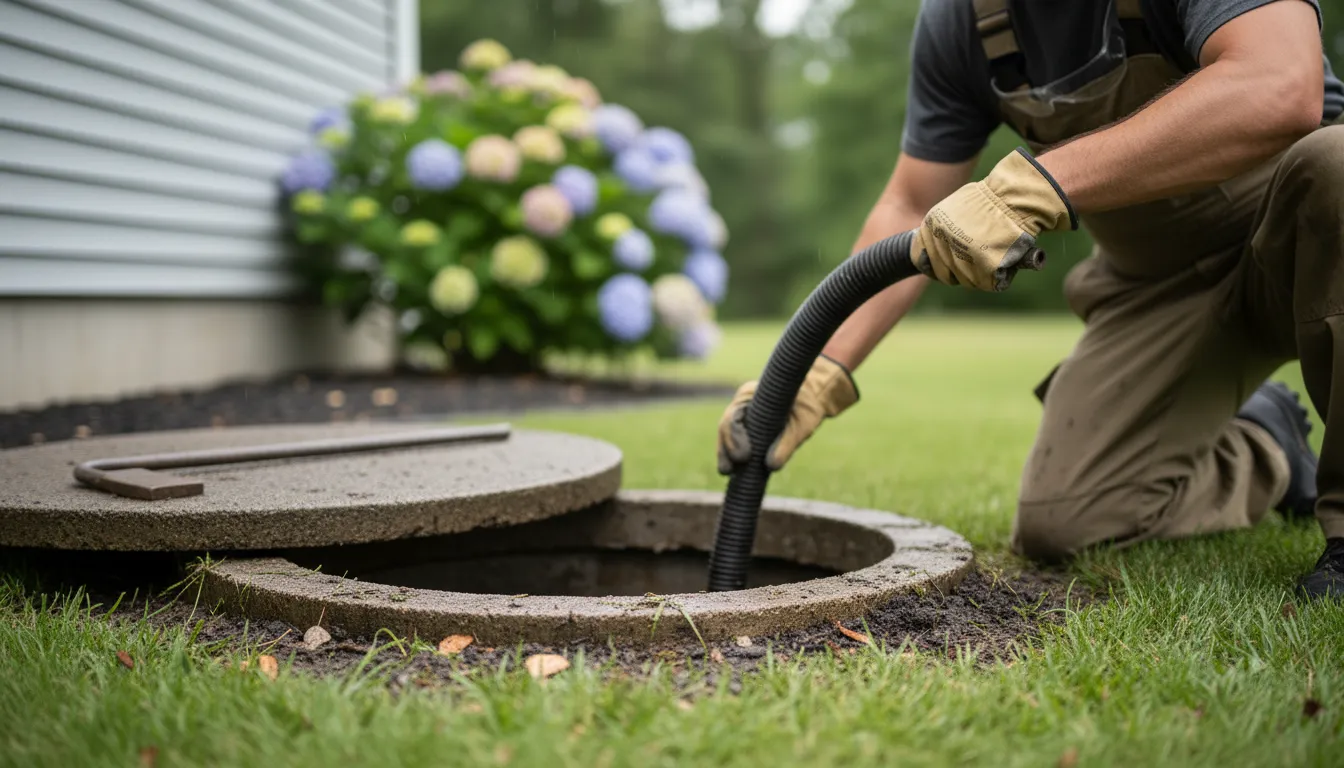
Find the Best Septic Tank Pumping Contractors for Your Business
No obligation • Fast responses • Nationwide coverage

Why you can trust Septic Spot
Septic Spot is a leading United States resource for understanding and comparing septic services. Our editors review providers using consistent criteria and verify key business details. Listings and scores are independent, and companies cannot pay to influence our content.
Search providers near you
Top Septic Tank Pumping Contractors in Palm Coast, Florida Ranked
Maintaining a healthy septic system is a critical responsibility for any Palm Coast homeowner not connected to municipal sewer lines. Regular septic tank pumping is the cornerstone of this maintenance, preventing costly backups, environmental contamination, and system failure. This guide provides essential information on septic service schedules, costs, and best practices, helping you connect with qualified local professionals to ensure your system operates smoothly for years to come.

Mr. Rooter Plumbing of Saint Augustine
Jacksonville, FL
Mr. Rooter Plumbing of Saint Augustine provides septic tank pumping, inspection, and repair services in Jacksonville, FL. They serve nearby areas including Saint Augustine, Daytona Beach, and Palm Coast. The company offers sewer hydro scrub and descale services as a key capability. Mr. Rooter Plumbing operates as a licensed and insured franchise committed to clear communication and upfront pricing. Their Neighborly Done Right Promise® ensures work is completed correctly the first time.

Burney's Septic Tank Service Inc.
24 Pellicer Ln, St. Augustine, FL 32084
Burney's Septic Tank Service Inc. is a family-owned septic tank pumping and repair company serving Jacksonville, FL. With over 77 years of experience, they provide comprehensive septic system services including pumping and repairs. The company offers round-the-clock service and backs their work with a one-year workmanship warranty.
East Coast Septic Services
2825 Industry Center Rd, St. Augustine, FL 32084
East Coast Septic Services is a licensed contractor based near Jacksonville, FL, specializing in residential and commercial septic system services. They provide a range of solutions including septic tank pumping, inspections, repairs, installations, and drain field replacement. The company also offers grinder pump repair and sales, backed by extensive experience and training to ensure proper system function and avoid future issues. Serving St. Augustine and surrounding areas, East Coast Septic Services emphasizes thorough work and offers a three-year warranty on Liberty brand products.
Understanding Your Septic System
A septic system is an on-site wastewater treatment structure, commonly known as an Onsite Sewage Treatment and Disposal System (OSTDS) in Florida. It consists of a buried tank that separates solids from liquids and a drain field where the treated liquid effluent is dispersed into the soil. The tank requires periodic septic tank cleaning to remove the accumulated sludge and scum layers. Without this essential service, solids can overflow into the drain field, causing clogs, sewage backups into your home, and potentially contaminating groundwater.
Recommended Pumping Frequency for Palm Coast Homes
How often you need septic tank servicing depends primarily on your household size and water usage. Adhering to a regular schedule is the most effective way to avoid emergencies.
- Average Household (3-4 people): The standard recommendation for a typical family in Palm Coast is to schedule a septic tank pump-out every 3 to 5 years.
- Large Household (5+ people) or Heavy Water Usage: Homes with more occupants, frequent guests, or water-intensive appliances (like garbage disposals) should plan for more frequent septic tank maintenance, typically every 1 to 3 years.
- Advanced Treatment Systems: Some newer or performance-based systems have specific maintenance requirements and may need servicing more often, sometimes even twice a year.
Ignoring these intervals is a gamble. When the sludge layer fills too much of the tank, it has nowhere to go but into the drain field, leading to a repair that can cost thousands of dollars.
Signs Your Septic Tank Needs Immediate Attention
Don't wait for your scheduled maintenance if you notice any of these warning signs. They indicate your system may be failing and requires immediate septic tank inspection and likely pumping.
- Slow Drains: Gurgling sounds or slow-draining sinks, showers, and toilets throughout the house.
- Foul Odors: Unpleasant sewage smells inside your home or around the drain field area in your yard.
- Pooling Water or Lush Grass: Soggy ground, standing water, or unusually green and lush grass over the drain field, especially when it hasn't rained.
- Sewage Backup: The most severe sign-wastewater backing up into household drains.
If you observe any of these issues, contact a licensed septic service provider promptly to assess the situation 1 2.
The Importance of Regular Septic Inspections
While pumping removes accumulated waste, an inspection assesses the overall health of your entire system. Florida law allows licensed private providers to conduct official OSTDS inspections 3. Experts like Crews Septic Solutions LLC recommend an inspection every 1 to 3 years, which can often be coordinated with your pumping service 4. A thorough inspection will check tank integrity, sludge levels, baffles, and the condition of the drain field, catching small problems before they become catastrophic failures.
Find the perfect septic tank pumping contractors for your needs
Get personalized recommendations and expert advice
What to Expect: Septic Pumping Costs in Palm Coast
The cost for septic tank emptying in Palm Coast varies based on tank size, accessibility, and any additional services needed. Here's a general breakdown based on available data:
- Standard 1,000-Gallon Tank: The average pumping cost ranges from $250 to $450.
- Large 1,500-Gallon Tank: For larger tanks, expect to pay between $400 and $600.
- Additional Potential Fees: Be aware that extra charges may apply if the tank lid needs to be located and dug up ($50 - $150) or if the tank's effluent filter requires cleaning ($50 - $100) 5.
Always request a detailed, upfront quote from your service provider that includes all potential fees.
Best Practices for Septic System Care
Protecting your investment goes beyond just scheduling regular pump-outs. Your daily habits significantly impact your system's longevity.
- Conserve Water: Spread out laundry loads, fix leaky faucets promptly, and install high-efficiency fixtures. A sudden surge of water can overwhelm the system.
- Mind What You Flush: Only human waste and toilet paper should go down the toilet. Avoid flushing wipes (even "flushable" ones), feminine hygiene products, dental floss, cooking grease, and chemicals 6 7.
- Protect the Drain Field: Never drive or park vehicles, or place heavy structures like sheds or pools, over your drain field. The weight can crush the buried pipes 8 9 10.
- Divert Rainwater: Ensure roof gutters and surface drainage flow away from the drain field to prevent saturation.
Following these guidelines will help maintain a balanced system and can extend the time between necessary pumpings.
Choosing a Local Septic Service Provider
When it's time for maintenance, selecting a reputable company is crucial. Look for providers licensed by the state of Florida to perform OSTDS work. Verify they carry adequate insurance and ask about their process for locating and accessing your tank, waste disposal methods, and whether their quote includes a basic inspection. Reading reviews from other Palm Coast residents can provide valuable insight into their reliability and quality of work.
Frequently asked questions
Sources
Footnotes
-
How Often Should You Pump Your Septic Tank in Florida? - https://robsseptictanks.com/how-often-should-you-pump-your-septic-tank-in-florida/ ↩
-
A Guide on How Often to Pump Your Septic Tank in Florida - https://www.yoursepticmasters.com/how-often-should-a-septic-tank-be-pumped-in-florida ↩
-
Septic Systems - Florida Department of Health - https://www.floridahealth.gov/community-environmental-public-health/environmental-public-health/water-quality/septic-systems/ ↩
-
Septic Tank Servicing Florida: Maintenance Tips & Schedule - https://crewssepticsolutions.com/how-often-should-a-septic-tank-be-serviced-under-floridas-septic-maintenance-rules/ ↩
-
How Often Should You Pump in 2026 - Septic Tank Cleaning - https://septictankcleaningguide.com/how-often-pump-septic-tank/ ↩
-
Septic Systems | Department of Environmental Protection - https://www.pa.gov/agencies/dep/residents/my-water/septic-systems ↩
-
Your Septic System - UF/IFAS - University of Florida - https://programs.ifas.ufl.edu/septic-systems/your-septic-system/ ↩
-
How Often Should You Pump Your Septic Tank in Florida? - https://millersepticfl.com/how-often-should-you-pump-your-septic-tank-in-florida/ ↩
-
Septic Tanks - Preventative Routine Maintenance - https://des.sc.gov/permits-regulations/septic-tanks/homeowner-resources/septic-tanks-preventative-routine-maintenance ↩
-
How Often Should You Pump Your Septic Tank in Florida? - https://www.wrenvironmental.com/blog/2026/february/how-often-should-you-pump-your-septic-tank-in-fl/ ↩