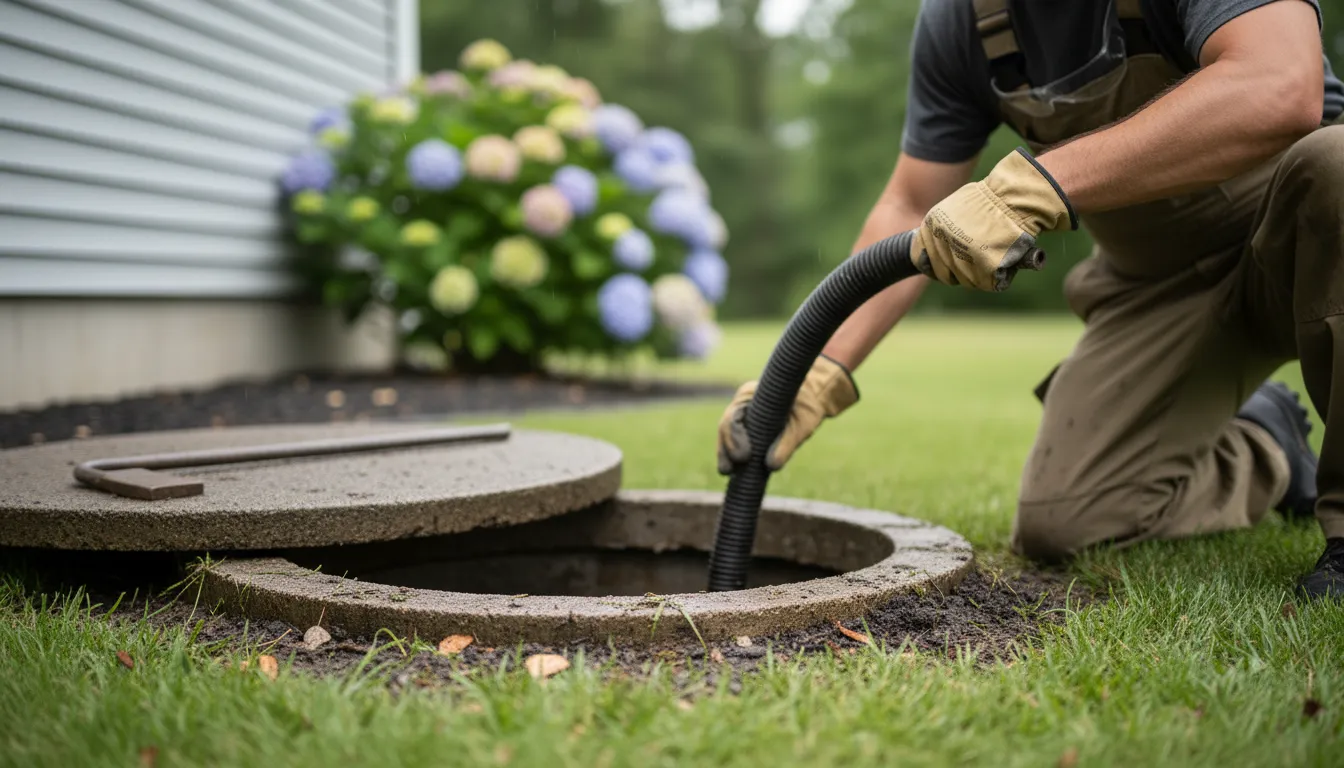
Find the Best Septic Tank Pumping Contractors for Your Business
No obligation • Fast responses • Nationwide coverage

Why you can trust Septic Spot
Septic Spot is a leading United States resource for understanding and comparing septic services. Our editors review providers using consistent criteria and verify key business details. Listings and scores are independent, and companies cannot pay to influence our content.
Search providers near you
Top Septic Tank Pumping Contractors in Pembroke Pines, Florida Ranked
Maintaining your septic system is a crucial responsibility for any Pembroke Pines homeowner not connected to the municipal sewer. Regular septic tank pumping is the cornerstone of this maintenance, preventing system backups, costly repairs, and environmental contamination. This guide provides essential information on septic service schedules, costs, and best practices to help you find qualified local professionals for your septic tank cleaning and maintenance needs.

Champion Septic Tank - Grease Trap, Drain Field, Lift Station, Storm Drain
405 E 41st St Unit 1D, Hialeah, FL 33013
Champion Septic Tank - Grease Trap, Drain Field, Lift Station, Storm Drain provides septic system services in Miami, FL. They offer septic tank pumping, inspection, cleaning, and drain field repair, using advanced technology and professional tools. Their licensed team handles locating tanks, hydro jet cleaning, and riser installation to maintain system performance. Serving Miami-Dade and Broward counties, the company emphasizes thorough maintenance to prevent backups and extend system life. Champion Septic Tank is family-owned and offers 24/7 emergency septic services.

Champion Septic Tank - Grease Trap, Drain Field, Storm Drain, Lift Station
4000 Hollywood Blvd suite 555-s, Hollywood, FL 33021
Champion Septic Tank - Grease Trap, Drain Field, Storm Drain, Lift Station provides septic system services in Miami, FL. The company offers septic tank pumping, inspection, cleaning, and drain field repair using advanced technology and professional tools. Their licensed team handles locating, accessing, and maintaining septic systems to ensure proper flow and function. Champion Septic Tank serves Miami-Dade and Broward counties, including North Miami, Hollywood, and surrounding areas. They provide hydro jet cleaning and riser installation as part of their capabilities. The company emphasizes thorough maintenance to extend system life and prevent backups. Champion Septic Tank offers 24/7 emergency septic services for urgent needs.
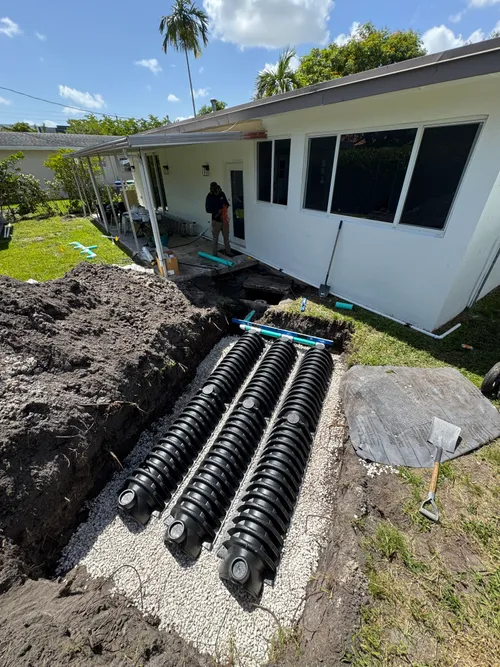
All-Star Pump Outs - Septic Tanks Grease Traps Storm Drains Lift Stations
3325 W Okeechobee Rd, Hialeah, FL 33012
All-Star Pump Outs - Septic Tanks Grease Traps Storm Drains Lift Stations provides septic system pumping and maintenance services in Miami, FL. They also handle grease trap cleaning, storm drain system services, drainfield installations, lift station maintenance, and hydro jet cleaning. The company is known for thorough septic tank pump outs combined with pressure cleaning to ensure effective results. Customers appreciate their clear communication and detailed explanations of the work being done. They offer same-day service and respond promptly to urgent septic issues, including emergency support on weekends.
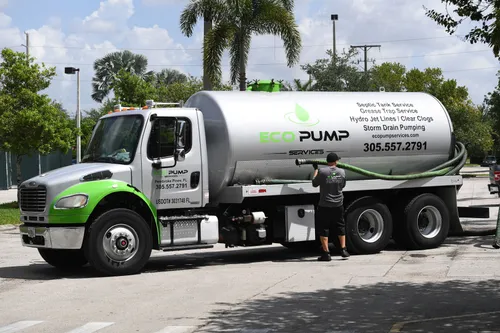
Eco Pump Services
15757 Pines Blvd Suite 315, Pembroke Pines, FL 33027
Eco Pump Services provides septic tank pumping, grease trap cleaning, and inspection services in Miami, FL, and the surrounding areas including Broward and West Palm Beach. They serve both residential and commercial clients, offering specialized capabilities such as hydro jetting for sewer drain lines and storm drain cleaning. With over 25 years of experience, Eco Pump Services is licensed and insured to handle grease trap maintenance and septic system care, ensuring compliance with local regulations.
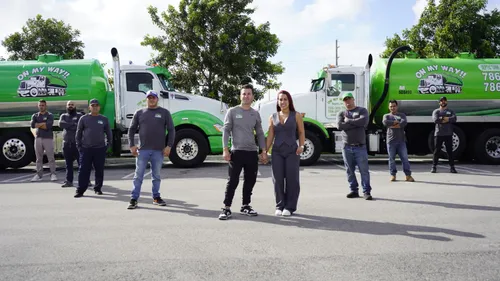
On My Way Septic Grease Trap Storm Drains Lift Station
2021 N 62nd Ave, Hollywood, FL 33024
On My Way Septic Grease Trap Storm Drains Lift Station is a family-owned business serving Miami, FL, and the surrounding areas. They provide a wide range of services including septic tank pumping, grease trap cleaning, lift station maintenance, and storm drain cleaning for both residential and commercial properties. The company operates with modern equipment and a bilingual staff to ensure clear communication and efficient service. With over a decade of experience, they offer 24/7 availability to address urgent needs and maintain compliance with local regulations.
Understanding Your Septic System in South Florida
A septic system is an on-site wastewater treatment structure, typically consisting of a tank and a drain field. In Pembroke Pines, where high water tables and sandy soil are common, proper system function is especially important. The tank holds solid waste (sludge) and allows oils and grease (scum) to separate from the liquid effluent. This liquid then flows into the drain field for further filtration into the soil. Over time, the sludge layer builds up and must be removed via pumping to prevent it from flowing into and clogging the drain field, which can lead to system failure.
Recommended Septic Tank Maintenance Schedule
Adhering to a regular maintenance schedule is the most effective way to protect your investment and avoid emergencies.
How Often to Pump Your Septic Tank
The general guideline for septic tank pumping in Florida is every 3 to 5 years for an average-sized household. However, this is not a one-size-fits-all rule. Several factors can necessitate more frequent septic cleaning:
- Household Size: Larger households (5 or more people) generate more wastewater and solid waste, accelerating sludge buildup. For these homes, a pumping schedule of every 2 to 3 years is often recommended.
- Water Usage: High water consumption from frequent laundry, long showers, or excessive use of garbage disposals can overwhelm the tank's treatment process, requiring more frequent service.
- Tank Size: Smaller tanks fill up faster and need to be pumped more often than larger-capacity tanks.
The Importance of Regular Inspections
In addition to pumping, a professional inspection every 1 to 3 years is advised 1. An inspection can identify issues like sludge and scum layer thickness, baffle or filter blockages, and early signs of structural problems before they become major failures. Think of an inspection as a routine check-up for your home's essential wastewater system.
Recognizing Signs Your System Needs Service
Don't wait for a complete failure. Be proactive by watching for these warning signs that your septic tank may need pumping or repair:
- Slow Drains: Gurgling sounds or slow drainage from sinks, tubs, and toilets throughout the house.
- Sewage Odors: Unpleasant smells emanating from drains or, more critically, from the area around the tank or drain field in your yard.
- Wet Spots: Soggy, spongy, or unusually green and lush grass over the drain field, especially when it hasn't rained.
- Sewage Backup: The most severe sign, where wastewater backs up into household drains.
If you notice any of these signs, contact a licensed septic professional in Pembroke Pines for an immediate inspection 2.
Find the perfect septic tank pumping contractors for your needs
Get personalized recommendations and expert advice
What to Expect: Septic Service Costs in Pembroke Pines
Understanding the potential costs helps homeowners budget for this essential maintenance. Prices can vary based on tank size, accessibility, and the scope of work.
- Basic Pump-Out: The core service of removing sludge and scum from your tank typically ranges from $250 to $600 in Florida 3. The final price depends on your tank's capacity (e.g., 1,000-gallon vs. 1,500-gallon) and how easy it is for the truck to access the tank lid.
- Routine Inspection: A standard inspection to assess system health generally costs between $100 and $300.
- Additional Repairs: If the inspection reveals issues, repair costs add up. Common fixes like baffle replacement or effluent filter cleaning can range from $150 to $500.
- Average Total: When combining a standard pump-out with a basic inspection, many homeowners can expect an average cost around $423, though the total can vary widely 4 5.
Always get a detailed estimate from your service provider before work begins.
Best Practices for Septic System Care
Proper daily use extends the life of your system between pumpings. Follow these tips endorsed by local and state experts:
- Mind What You Flush: Only human waste and toilet paper should go into the system. Never flush wipes (even "flushable" ones), feminine hygiene products, dental floss, grease, coffee grounds, or chemicals like paint or pesticides 6.
- Conserve Water: Spread out laundry loads, fix leaky faucets promptly, and consider installing high-efficiency fixtures to reduce the water volume entering the tank.
- Protect the Drain Field: Never drive or park vehicles over the tank or drain field, as the weight can crush pipes and compact the soil 7. Also, avoid planting trees with deep roots nearby.
- Use Licensed Professionals: Florida law requires that septic tank pumping and solid waste transport be handled by licensed and permitted professionals. Using an unlicensed pumper can lead to improper waste disposal and may void local health department requirements.
Choosing a Qualified Septic Service Provider
When it's time for septic tank maintenance, selecting the right company is key. Look for providers who:
- Hold a valid Florida Department of Health (DOH) license for septic tank contracting and a permit for liquid waste transportation.
- Offer clear, upfront pricing and detailed explanations of their services.
- Can provide references from other customers in the Pembroke Pines area.
- Conduct a thorough inspection during the service visit and provide a written report on your system's condition.
For new system design or major repairs, a site evaluation by a licensed professional engineer is often required 8.
Local Regulations and Resources
Pembroke Pines residents must adhere to Florida state and Broward County septic system regulations. For questions about permits, system failures, or to report issues, you should contact the Florida Department of Health in Broward County. Staying informed about local codes ensures your system remains compliant and environmentally sound.
Frequently asked questions
Sources
Footnotes
-
Septic Tank Servicing Florida: Maintenance Tips & Schedule - https://crewssepticsolutions.com/how-often-should-a-septic-tank-be-serviced-under-floridas-septic-maintenance-rules/ ↩
-
How Often to Pump Your Septic Tank - https://www.splashplumbing.com/how-often-should-septic-tank-be-pumped-for-optimal-maintenance-and-longevity/ ↩
-
Septic Pumping Cost by State: 2024 Complete Price Guide - https://wastedoor.com/article/septic-pumping-cost-by-state ↩
-
How Much Does it Cost to Maintain a Septic Tank in Florida? - https://mathisandsonsseptic.com/mathis-sons-septic-blog-orlando-fl/how-much-is-septic-tank-maintenance-in-florida/ ↩
-
Septic Tank Pumping Cost: Guide & Pricing in 2025 - Splash Plumbing - https://www.splashplumbing.com/how-much-does-it-cost-to-pump-septic-tank-understanding-pricing-and-factors-involved/ ↩
-
Septic System Care: The Importance of Regular Pumping and Maintenance - https://lapinservices.com/service/septic-system-care-the-importance-of-regular-pumping-and-maintenance ↩
-
Septic System Care - Miami-Dade County - https://www.miamidade.gov/global/environment/ecosystems/septic-system-care.page ↩
-
Florida Septic Tank Requirements | Onsite Sewage Treatment ... - https://www.ntotank.com/blog/florida-septic-tank-requirements ↩