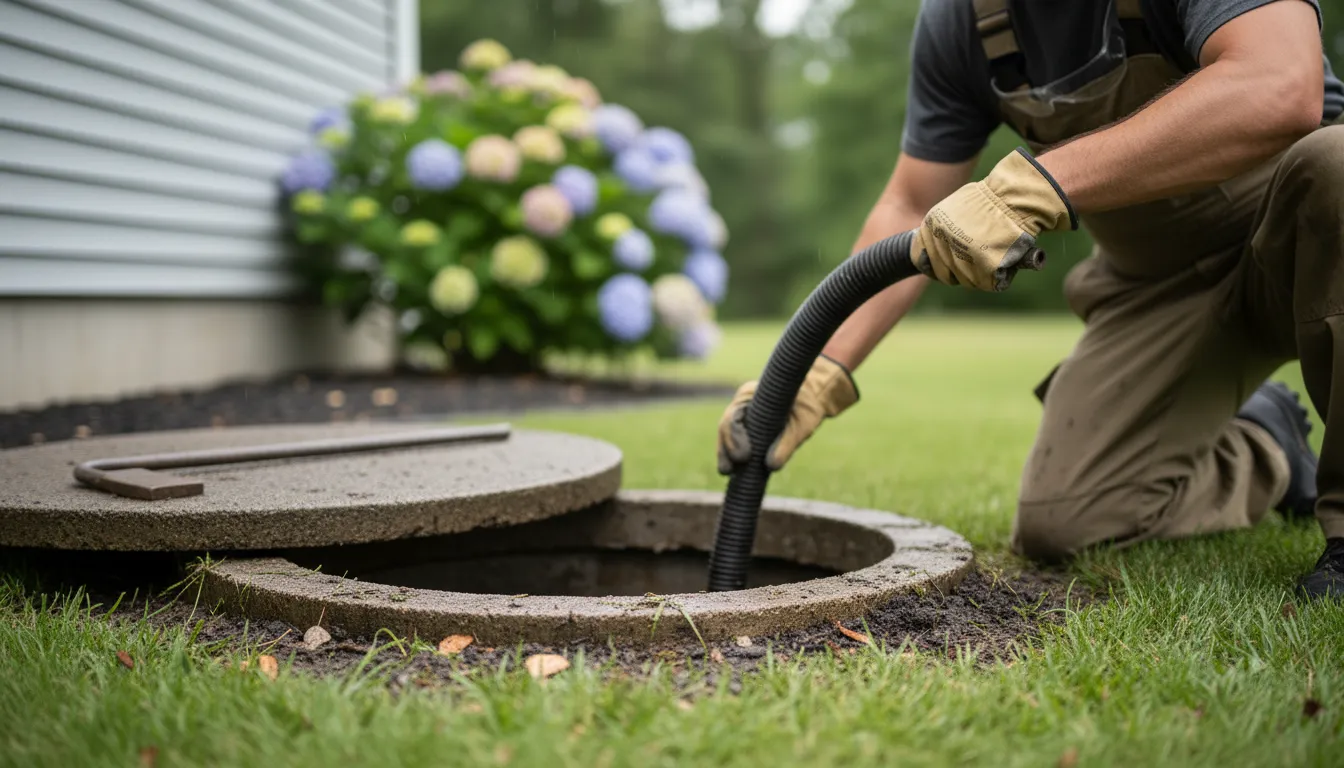
Find the Best Septic Tank Pumping Contractors for Your Business
No obligation • Fast responses • Nationwide coverage

Why you can trust Septic Spot
Septic Spot is a leading United States resource for understanding and comparing septic services. Our editors review providers using consistent criteria and verify key business details. Listings and scores are independent, and companies cannot pay to influence our content.
Search providers near you
Top Septic Tank Pumping Contractors in Pensacola, Florida Ranked
Maintaining your septic system is a crucial responsibility for any Pensacola homeowner not connected to a municipal sewer line. Regular septic tank pumping is the cornerstone of this maintenance, preventing system failures, protecting your property value, and safeguarding local groundwater. This guide explains why this service matters, outlines local considerations, and helps you understand how to find qualified professionals to keep your system functioning properly for years to come.
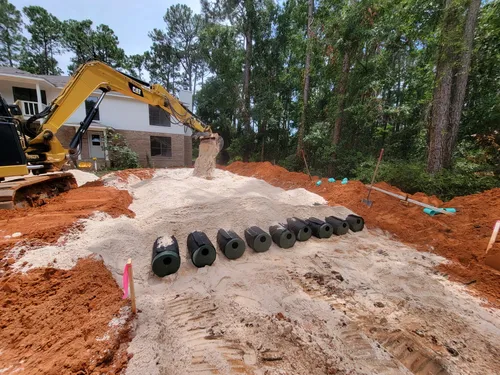
Why Septic System Maintenance is Essential in Pensacola
A septic system is a private wastewater treatment plant on your property. When functioning correctly, it safely processes household water and waste. The tank itself holds solids, allowing liquids to flow out to the drain field. Over time, those solids (sludge and scum) accumulate. If not removed via regular septic tank cleaning, they can overflow into the drain field, causing clogs, backups, and a complete system failure1 2. In a coastal community like Pensacola, a failing system can also pose environmental risks to our waterways and aquifers. Proactive maintenance is far less costly than the extensive repairs or full replacement required for a failed drain field.
How Often Should You Schedule Septic Pumping?
The most common question homeowners have is about frequency. While the general rule for standard systems is every 3 to 5 years, several factors specific to your Pensacola home can adjust this timeline 3.
- Household Size: The number of people in your home is the primary driver. More residents mean more water and waste entering the system.
- Large Households (5+ people): May require tank pumping every 2 to 3 years.
- Average Households (3-4 people): Typically align with the 3-5 year standard.
- Small Households (1-2 people): May extend the interval to 6 years or more, but annual inspections are still advised to monitor sludge levels.
- Tank Size: A 1,000-gallon tank will fill with solids faster than a 1,500-gallon tank under the same use conditions. Knowing your tank's capacity is key.
- Overall Water Usage: Excessive water use from laundry, long showers, or leaky fixtures can overwhelm the system, pushing solids out into the drain field before they have time to settle in the tank.
- Garbage Disposal Use: Frequent use of a garbage disposal significantly increases the amount of solids entering the tank, necessitating more frequent septic service.
The best practice is to have your system inspected by a licensed professional every 1-3 years. They can measure the sludge and scum layers and give you a personalized recommendation for when to pump.
Recognizing Signs You Need Immediate Service
Don't wait for a scheduled maintenance date if you notice any of these warning signs. They often indicate that your tank is full or that there is a problem in the drain field:
- Slow Drains: Sinks, showers, and toilets that drain slowly, especially if gurgling sounds accompany them.
- Foul Odors: Unpleasant sewage smells inside your home or around the tank and drain field area in your yard.
- Pooling Water: Soggy ground, standing water, or unusually lush green grass over the drain field.
- Sewage Backup: The most severe sign, where wastewater backs up into household drains.
If you observe any of these issues, contact a septic contractor for an inspection immediately to prevent more extensive damage4 5.
Find the perfect septic tank pumping contractors for your needs
Get personalized recommendations and expert advice
Understanding Costs for Septic Pumping in Florida
The cost for septic tank emptying can vary based on several factors. In Florida, average pumping costs range from $300 to $700 or more. For a standard 1,000-gallon tank in the Pensacola area, you might expect to pay between $250 and $450. For a larger 1,500-gallon tank, the price often ranges from $400 to $600.
Additional fees can include:
- Tank Location: If the tank's access lids are buried, the contractor may charge an extra $50-$150 for digging and locating them6.
- System Complexity: Alternative systems like aerobic treatment units (ATUs) may require more specialized service.
- Condition: Severely neglected tanks with excessive solids or clogged inlet/outlet baffles may incur higher charges.
Always get detailed, written estimates from a few licensed providers before proceeding.
Best Practices for a Healthy Septic System
Pumping is vital, but what you do between services is equally important. Follow these guidelines to extend your system's life:
- Conserve Water: Spread out laundry loads and fix leaky faucets and toilets promptly.
- Mind What You Flush: Only human waste and toilet paper should go down the toilet. Never flush wipes (even "flushable" ones), feminine hygiene products, dental floss, or paper towels 7.
- Use the Trash Can, Not the Drain: Avoid pouring cooking grease, oil, or coffee grounds down the sink. Minimize use of the garbage disposal.
- Be Careful with Chemicals: Harsh household cleaners, paints, solvents, and pesticides can kill the beneficial bacteria in your tank that break down waste. Use septic-safe products whenever possible 8.
- Protect the Drain Field: Never park vehicles or place heavy structures on the drain field. Keep roof drains and sump pump discharges away from the area.
Local Regulations and Professional Services
Escambia County follows Florida state regulations for septic systems. For specific questions regarding permits, system repairs, or inspections related to property transfers, you can contact the Florida Department of Health in Escambia County. When hiring a professional, ensure they are a licensed septic tank contractor in the state of Florida. A qualified provider will handle the pumping, perform a basic inspection of tank components, and properly dispose of the waste at a licensed facility9 10.
Frequently asked questions
Sources
Footnotes
-
Septic Tank Servicing Florida: Maintenance Tips & Schedule - https://crewssepticsolutions.com/how-often-should-a-septic-tank-be-serviced-under-floridas-septic-maintenance-rules/ ↩
-
Septic Tanks - Preventative Routine Maintenance - https://des.sc.gov/permits-regulations/septic-tanks/homeowner-resources/septic-tanks-preventative-routine-maintenance ↩
-
How Often Should You Pump Your Septic Tank in Florida? - https://www.wrenvironmental.com/blog/2026/february/how-often-should-you-pump-your-septic-tank-in-fl/ ↩
-
How Often Should You Pump Your Septic Tank in Florida? - https://millersepticfl.com/how-often-should-you-pump-your-septic-tank-in-florida/ ↩
-
How Often to Pump a Septic Tank 2026 - Clear River Environmental - https://clearriverenvironmental.com/how-often-to-pump-a-septic-tank/ ↩
-
How Often Should You Pump in 2026 - Septic Tank Cleaning - https://septictankcleaningguide.com/how-often-pump-septic-tank/ ↩
-
Septic System Owner's Guide - St. Johns County Health Department - https://stjohns.floridahealth.gov/wp-content/uploads/sites/57/2025/06/septic-folder-8x11-link2.pdf ↩
-
A Guide on How Often to Pump Your Septic Tank in Florida - https://www.yoursepticmasters.com/how-often-should-a-septic-tank-be-pumped-in-florida ↩
-
How Often to Pump Septic Tank: 2026 Maintenance Guide - https://dandhsepticservices.com/how-often-to-pump-septic-tank/ ↩
-
Florida Septic Tank Requirements | Onsite Sewage Treatment ... - https://www.ntotank.com/blog/florida-septic-tank-requirements ↩